Analyze Diet

Thrush in Horses: Causes, Signs & Treatment of this Hoof Infection

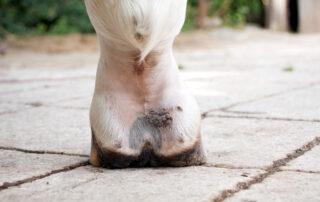
Thrush describes an infection that develops in the frog of one or more of the horse's hooves, caused by a fungal or bacterial pathogen. Fusobacterium necrophorum is the bacterium most often associated with thrush infections. Hooves with frogs that have deep sulci are prone to becoming infected with pathogens that cause thrush.
Thrush in Horses: Causes, Signs & Treatment of this Hoof Infection2026-08-18T15:37:11-04:00

Uveitis in Horses – Causes, Signs, Diagnosis & Treatment

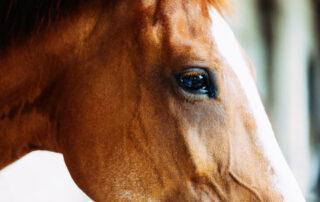
Uveitis in horses is a condition in which the uvea layer of the eye becomes inflamed. It is the most common cause of blindness in horses. It is estimated that as many as 25% of horses worldwide are affected by some form of uveitis.

Uveitis in Horses – Causes, Signs, Diagnosis & Treatment2026-09-27T15:06:11-04:00

Misoprostol for Horses with Ulcers: Effects, Uses and Risks

Misoprostol is a drug used in horses to prevent ulcers from developing in the hindgut and stomach. It is commonly prescribed to horses that require regular use of non-steroidal anti-inflammatory drugs (NSAIDS), which can cause ulcers to form.

Misoprostol for Horses with Ulcers: Effects, Uses and Risks2026-08-18T15:41:56-04:00

How to Feed the Lactating Mare [8-Point Nutrition Guide]

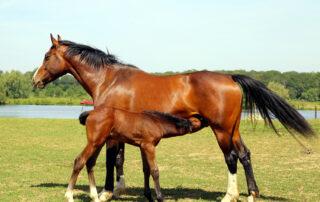
Producing high-quality milk for the foal requires a lot from your mare. Lactation puts higher energy demands on a mare’s body than any other stage of her life. To keep up with the milk requirements of a growing foal while maintaining her body weight, your mare requires a calorie- and protein-rich diet.

How to Feed the Lactating Mare [8-Point Nutrition Guide]2026-08-18T15:31:10-04:00

Equine Motor Neuron Disease: Causes, Treatment & Vitamin E Supplementation

Equine Motor Neuron Disease (EMND) is a disease that causes progressive damage to nerve cells in the brain and spinal cord of adult horses. The disease damages cells that are involved with muscle movement, rendering them dysfunctional and leading to muscle wasting.

Equine Motor Neuron Disease: Causes, Treatment & Vitamin E Supplementation2026-08-18T15:25:42-04:00

Rotavirus in Foals: Symptoms, Treatment and Prevention

Equine rotavirus is a potentially deadly virus that causes severe gastrointestinal symptoms in foals. Rotavirus is one of the most common causes of diarrhea in foals less than 6 months of age.

Rotavirus in Foals: Symptoms, Treatment and Prevention2026-08-18T15:21:48-04:00

Pre-Purchase Examinations for Horses [Checklist & Tests]

To ensure you are making an educated decision, you should contact a veterinarian and book a pre-purchase examination (PPE). Pre-purchase exams shed light on current or potential health and soundness issues.

Pre-Purchase Examinations for Horses [Checklist & Tests]2026-08-18T15:14:32-04:00

Equine Anemia: Causes, Symptoms & Treatment

Equine anemia is a condition that significantly impacts the health and performance of horses. It is a reduced number of red blood cells in circulation. Horses with anemia typically experience low energy levels, elevated heart rate, poor coat quality, depression and loss of appetite.

Equine Anemia: Causes, Symptoms & Treatment2026-08-18T12:47:26-04:00

Colostrum for Newborn Foals: Benefits, Characteristics & Milk Replacers

Colostrum is the first milk that a mare produces after foaling. It is particularly rich in antibodies, which provide immunity for newborn foals. Foals are born without a fully developed immune system and rely on a passive transfer of antibodies from their dam to help build their immune defenses. Consuming enough high-quality colostrum in the first 6 - 12 hours of life is critical for the foal's health and survival.

Colostrum for Newborn Foals: Benefits, Characteristics & Milk Replacers2026-08-18T16:52:32-04:00

What is Choke in Horses? [Signs, Treatment & Prevention]

A medical condition necessitating urgent attention, equine choke refers to obstruction of the esophagus. The condition most frequently occurs due to rapid feed consumption and the subsequent lodging of feed or other matter in the esophagus.

What is Choke in Horses? [Signs, Treatment & Prevention]2026-08-20T13:39:23-04:00

Equine Anhidrosis: Causes, Signs and Treatment

Equine anhidrosis is a performance-limiting condition that refers to the reduced ability to sweat in horses. The condition most frequently affects horses living in hot and humid climates. Anhidrosis occurs because the sweat glands fail to function normally when body temperature increases.

Equine Anhidrosis: Causes, Signs and Treatment2026-08-17T17:13:28-04:00

Aloe Vera for Gastric Ulcers in Horses – Does it Really Work?

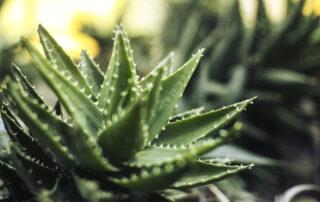
Aloe vera (Aloe barbadensis) is a medicinal plant that is frequently used to soothe skin irritations. The gel of the inner leaf is also commonly fed to reduce or prevent gastric irritations and ulcers in horses. Aloe vera gel contains several active ingredients with anti-inflammatory, anti-oxidant and anti-microbial effects. This herbal remedy also stimulates mucous production and influences gastric acid production.

Aloe Vera for Gastric Ulcers in Horses – Does it Really Work?2026-08-17T17:09:54-04:00

Lameness Exams & Scale: How to Diagnose a Lame Horse

Lameness is a general term that refers to a horse with an abnormal gait or stance. This is a common issue that requires assessment by a veterinarian to determine the cause and best course of action. Common causes of lameness include strain or injury, acute or chronic laminitis, genetic traits, infection, metabolic issues, or neural disorders.

Lameness Exams & Scale: How to Diagnose a Lame Horse2026-08-17T17:06:39-04:00

Rain Scald in Horses: A Common Bacterial Infection of the Skin

Rain scald is a relatively common skin infection caused by the bacteria Dermatophilus congolensis. The infection often affects the skin on the back and rump of horses. Rain scald can develop when skin is exposed to excessive moisture which weakens and damages the skin.

Rain Scald in Horses: A Common Bacterial Infection of the Skin2026-08-17T17:02:13-04:00

14 Tips for Feeding & Caring for Horses in Hot Weather – [Summer Guide]

With higher temperatures in the summertime, horses are prone to heat stress. This can contribute to an increased risk of colic, ulcers, weight loss, fatigue and dehydration during this time of year. Horse owners should be vigilant for signs their horse is overheated.

14 Tips for Feeding & Caring for Horses in Hot Weather – [Summer Guide]2026-08-17T17:00:08-04:00

Managing Sweet Itch in Horses: Causes, Symptoms & Treatment

Sweet Itch is a common skin condition in horses that is caused by an allergic reaction to insect bites. It is also known by the names Queensland itch, summer dermatitis, insect-bite hypersensitivity, summer eczema, recurrent seasonal pruritus, and equine Culicoides sensitivity.

Managing Sweet Itch in Horses: Causes, Symptoms & Treatment2026-08-17T16:55:48-04:00

Laminitis Recovery Plan for Horses: Rehabilitation, Prognosis & Exercise

Laminitis is a common but serious condition that involves separation of the laminae, which connect the coffin bone to the horse's hoof wall. A bout of laminitis can cause mild to severe pain in affected horses and result in lasting damage to the hooves.

Laminitis Recovery Plan for Horses: Rehabilitation, Prognosis & Exercise2026-08-17T16:53:22-04:00

Pasture-Associated Laminitis: How to Keep your Horse Safe

Pasture-associated laminitis (PAL) is a form of insulin-induced laminitis that can occur after horses have grazed on grasses and legumes that are high in hydrolyzable carbohydrates (HC). This condition causes pain and stretching and weakening of the laminae of the hooves. If it is not treated promptly, it can progress to founder – a life-threatening condition that involves displacement of the coffin bone in the hoof capsule.

Pasture-Associated Laminitis: How to Keep your Horse Safe2026-08-17T16:47:27-04:00

Emergency Protocol for Laminitis in Horses – Treatment & Recovery

If your horse is showing signs of acute laminitis, they require emergency veterinary attention and prompt treatment. Laminitis affects the soft structures of the equine hoof, known as the laminae, and can cause significant pain and lameness.

Emergency Protocol for Laminitis in Horses – Treatment & Recovery2026-08-17T16:43:57-04:00

Top 17 Risk Factors for Laminitis in Horses [+ How to Prevent]

One in ten horses is affected by laminitis each year. This painful condition involves inflammation of the hoof laminae, leading to varying degrees of lameness. Although laminitis affects the hooves, the condition is often initiated by dietary and metabolic factors.

Top 17 Risk Factors for Laminitis in Horses [+ How to Prevent]2026-08-17T16:41:14-04:00

Sucralfate for Horses with Ulcers: How it Works & When to Use

Sucralfate is an FDA-approved drug for use in humans that is used off-label for the treatment of equine gastric and hindgut ulcers. It is typically used in conjunction with omeprazole. Sucralfate (Carafate® Sulcrafate®) helps to protect the lining of the stomach and colon, reducing pain and allowing ulcers to heal without sustaining further damage.

Sucralfate for Horses with Ulcers: How it Works & When to Use2026-08-20T13:35:55-04:00

How to Reduce Your Horse’s Stress Level [18-Point Guide]

Do you struggle with your horse’s stress levels? Horses are creatures of habit and are uneasy when in new environments, changing social groups, or when their routine is disrupted. Stress and anxiety can also be caused by boredom or a lack of stimulation, inappropriate exercise programs, pain and discomfort, or changes in their feeding program.

How to Reduce Your Horse’s Stress Level [18-Point Guide]2026-08-20T13:33:39-04:00

Equine Pastern Dermatitis (Mud Fever) – Signs, Causes & Treatments

Equine pastern dermatitis - also known as mud fever or greasy heel - is a reaction or infection that occurs on the skin of the pastern. In mild forms, it is characterized by itchiness, redness and hair loss on the back of the pasterns and heels. In more severe cases, skin lesions form and produce oily secretions.

Equine Pastern Dermatitis (Mud Fever) – Signs, Causes & Treatments2026-08-17T11:19:25-04:00

Feeding your Easy Keeper Horse: Best Diet Plan for Weight Management

If your horse is an easy keeper, sometimes it can seem like they get fat off of air. Some equine breeds are known for being more metabolically efficient than others. These horses may have metabolisms that preferentially favour fat storage. Any excess energy in the diet can result in weight gain.

Feeding your Easy Keeper Horse: Best Diet Plan for Weight Management2026-08-06T10:32:17-04:00

Big Head Disease: Nutritional Secondary Hyperparathyroidism in Horses

Nutritional Secondary Hyperparathyroidism (NSH) - also known as Big Head Disease - is an uncommon problem in horses that stems from a mineral imbalance. This skeletal condition develops due to a calcium deficiency or an imbalanced ratio of dietary calcium to phosphorus.

Big Head Disease: Nutritional Secondary Hyperparathyroidism in Horses2026-07-27T11:15:25-04:00

How to Feed the Endurance Horse for Energy & Stamina [7 Point Guide]

Horses involved in endurance riding require appropriate fitness training, careful management, and balanced nutrition to support stamina and recovery. Endurance racing may involve horses covering up to 100 miles or 160 kilometres in a single day. This poses challenges with maintaining energy, hydration and soundness. During intense training and competition, endurance horses can have 60% higher energy demands compared to horses at maintenance.

How to Feed the Endurance Horse for Energy & Stamina [7 Point Guide]2026-07-27T11:14:27-04:00

Gastric Ulcer Treatment in Horses: Management & Prevention

Gastric ulcers are lesions in the horse's stomach that can cause pain, recurrent colic, poor exercise tolerance, weight loss and behavioural changes in your horse. Ulcers in the squamous (upper) region of the stomach form when gastric acids come into direct contact with the stomach lining, resulting in erosion of this barrier.

Gastric Ulcer Treatment in Horses: Management & Prevention2026-07-27T11:09:10-04:00

How and When to Blanket Your Horse – [7 Key Tips]

To blanket or not to blanket? In the colder winter weather, that is the question facing many horse owners. Like blankets, there is no one-size-fits-all solution. Whether you should blanket your horse depends on the individual horse and management situation. According to a survey completed by 1450 respondents, 54% reported blanketing their horses during the winter.

How and When to Blanket Your Horse – [7 Key Tips]2026-07-27T11:05:37-04:00