Analyze Diet

Calcium & Phosphorus in the Equine Diet [Ratio, Functions & Sources]

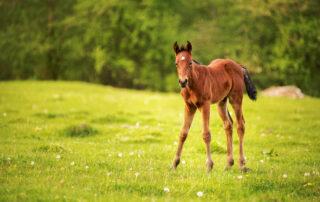
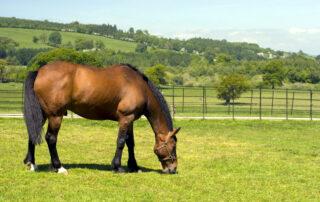
The macrominerals calcium and phosphorus are the most abundant minerals in the horse’s body. They are important for bone strength, cellular function, muscle health and more. Ensuring adequate calcium and phosphorus intake is particularly critical for pregnant and lactating mares, as well as growing horses.
Calcium & Phosphorus in the Equine Diet [Ratio, Functions & Sources]2026-09-11T11:10:49-04:00

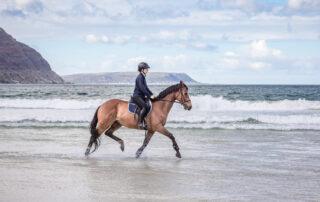
Joint Injections for Horses: How they Work & When to Use

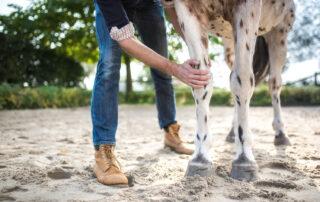
Joint wear and tear is a part of every equine athlete's life. As your horse ages, joints naturally become stiff and sore - a process that is accelerated with heavy exercise. Joint injections deliver medication directly to the affected joints.

Joint Injections for Horses: How they Work & When to Use2026-07-27T10:58:24-04:00

Ulcer Recurrence in Horses: How to Stop Ulcers from Coming Back

Up to 90% of horses treated for gastric ulcers with omeprazole can experience a recurrence of ulcers when they stop taking this drug. Horses can develop rebound acid hypersecretion (RAHS) after the discontinuation of omeprazole. Higher levels of stomach acid often lead to new ulcers being formed, particularly if the underlying causes of ulceration have not been addressed.

Ulcer Recurrence in Horses: How to Stop Ulcers from Coming Back2026-07-27T10:56:01-04:00

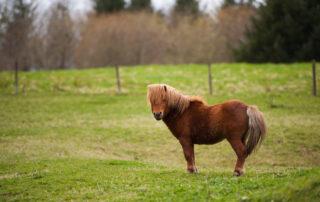
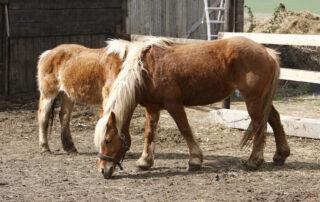
How to Feed your Pony [8-Step Nutrition Guide]

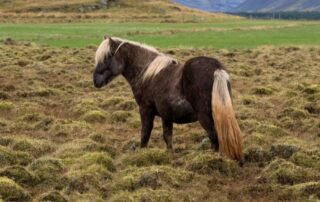
Ponies and horses have different nutritional requirements and need to be fed in different ways. The feeding program you use for your horse may not work for your pony, even if you adjust feeding rates to match body weight. Ponies are more prone to metabolic issues including obesity, equine metabolic syndrome (EMS), and Cushing’s disease (PPID).

How to Feed your Pony [8-Step Nutrition Guide]2026-08-25T21:00:26-04:00

Iodine for Horses: Dietary Requirements, Sources, & Signs of Deficiency

Iodine is an essential trace mineral required by horses and all mammals. It is used to make thyroid hormones that control metabolism in all cells of the body. Forages and grains are typically low in iodine because most soils have low concentrations of this mineral.

Iodine for Horses: Dietary Requirements, Sources, & Signs of Deficiency2026-09-24T10:46:01-04:00

Steaming vs. Soaking Hay for Horses – [Comparison & How-To]

What are the advantages of steaming or soaking hay before you feed it to your horse? There are pros and cons for each method of preparing hay. Both steaming and soaking are beneficial for reducing dust in hay.

Steaming vs. Soaking Hay for Horses – [Comparison & How-To]2026-08-20T13:10:59-04:00

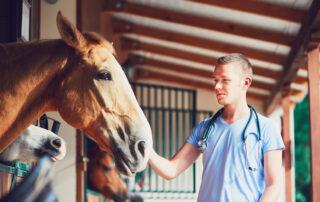
Bartonella Infection in Horses: Symptoms, Treatment & Diagnosis

Bartonella is a type of bacteria that can infect humans as well as other mammals, including horses and donkeys. The resulting infection, known as bartonellosis, has been documented in many regions throughout the world.

Bartonella Infection in Horses: Symptoms, Treatment & Diagnosis2026-07-27T10:48:30-04:00

Feeding the Laminitis-Prone Horse – Diet, Prevention & Recovery

If you have a horse prone to laminitis, deciding what to feed can be stressful. Feeding a diet that is too rich in sugars can make things worse for your horse and lead to flare-ups. But there are some simple rules you can follow to feed your horse appropriately and reduce the risk of an acute laminitis episode.

Feeding the Laminitis-Prone Horse – Diet, Prevention & Recovery2026-09-27T15:03:35-04:00

Winter Laminitis in Horses: Causes, Symptoms & Treatment [Overview]

Winter laminitis is a circulatory condition that causes sore hooves in horses exposed to cold temperatures. Horses affected by winter laminitis have impaired circulation within their hooves, leading to pain and inflammation in the laminae.

Winter Laminitis in Horses: Causes, Symptoms & Treatment [Overview]2026-08-13T19:26:15-04:00

Equine Protozoal Myeloencephalitis (EPM): Causes, Treatment, and Long-term Management

Equine Protozoal Myeloencephalitis (EPM) is an infectious disease of the horse’s central nervous system. It is one of the most difficult diseases for veterinarians to diagnose because it often mimics other conditions and has a wide range of symptoms that affect multiple parts of the horse’s body.

Equine Protozoal Myeloencephalitis (EPM): Causes, Treatment, and Long-term Management2026-07-25T20:02:25-04:00

How to Read your Horse’s Feed Tag [Guaranteed Analysis]

The label on your horse's feed bag provides valuable information to help you make feeding decisions for your horse. Known as the feed tag, this label describes the nutritional composition of your horse's feed and how it is intended to be used.

How to Read your Horse’s Feed Tag [Guaranteed Analysis]2026-07-25T19:58:47-04:00

Hyperlipidemia and Hyperlipemia in Horses – Causes, Symptoms & Treatment

Veterinarians report that they are treating more horses for hyperlipidemia, potentially as a result of modern sedentary lifestyles and the feeding of high-carbohydrate diets. This life-threatening condition commonly occurs in ponies, miniature horses, and donkeys with insulin resistance.

Hyperlipidemia and Hyperlipemia in Horses – Causes, Symptoms & Treatment2026-07-25T19:58:03-04:00

Organic vs. Inorganic Trace Minerals in your Horse’s Diet – [Comparison]

Trace minerals are a small component of your horse's overall dietary intake, but they play essential roles in equine well-being and health. These minerals can be provided in your horse's diet in either an organic or inorganic form. Not to be confused with organically grown foods, organic minerals are bonded to organic compounds in their molecular structure.

Organic vs. Inorganic Trace Minerals in your Horse’s Diet – [Comparison]2026-08-18T18:08:13-04:00

Kelp for Horses: Benefits, Uses and How to Feed

Kelp is a species of seaweed that is a nutritionally-dense source of protein and trace minerals. It contains the essential mineral iodine, which is important for thyroid function, growth and metabolism.

Kelp for Horses: Benefits, Uses and How to Feed2026-07-25T19:54:59-04:00

Physitis in Young Horses: Causes, Signs, Diagnosis & Treatment

Physitis is the most common developmental disease that affects the bones of growing horses. This condition involves swelling around the growth plates (physes) of long bones in a young horse’s legs. It can lead to pain, stiffness in the joints, and lameness.
Physitis in Young Horses: Causes, Signs, Diagnosis & Treatment2026-07-25T19:53:39-04:00

Osteochondritis Dissecans (OCD) in Horses: Causes, Treatment & Prevention

Osteochondritis Dissecans (OCD) is a common developmental disease involving the joints and cartilage of horses. OCD typically develops during the first year of life and can lead to ongoing joint health issues. It is the leading cause of lameness and decreased performance in young athletic horses.

Osteochondritis Dissecans (OCD) in Horses: Causes, Treatment & Prevention2026-07-25T19:51:14-04:00

We Analyzed 6,515 Equine Diets – Here’s What We Learned

In the last year, over six thousand horse owners from all over North America used Mad Barn to analyze their horses' diets. We looked at diets for weanlings, broodmares, pasture pets, prize-winning racehorses, the odd mule, and everything in between. We learned a lot from examining those feeding programs and hearing about horse owner's common questions and concerns.

We Analyzed 6,515 Equine Diets – Here’s What We Learned2026-07-25T19:50:39-04:00

How to Manage Arthritis in Horses [Diagnosis, Treatment & Prevention]

Osteoarthritis (also known as Degenerative Joint Disease) involves joint inflammation and progressive degeneration of the cartilage lining. It also involves changes in the bone and soft tissues of the joint. Arthritis is thought to affect more than half of all horses over the age of 15. It is also the leading cause of lameness in horses. Horses engaged in high-intensity exercise, such as racing, may develop osteoarthritis at an earlier age due to wear-and-tear. There is no cure for arthritis, but with proper management, many horses can continue to live comfortably and maintain a good level of fitness. A balanced feeding program that provides anti-inflammatory nutrients can help to support healthy joints. In addition, modified exercise routines, medications and therapeutic bodywork can also manage arthritic pain in your horse.

How to Manage Arthritis in Horses [Diagnosis, Treatment & Prevention]2026-09-27T14:59:44-04:00

Equine Metabolic Syndrome: Symptoms, Treatment, Tests & Diet

Equine metabolic syndrome (EMS) is a condition that affects how horses metabolize sugars from the diet and use them for energy. It involves an inability to properly respond to the hormone insulin, similar to Type 2 diabetes in humans.

Equine Metabolic Syndrome: Symptoms, Treatment, Tests & Diet2026-08-01T19:30:14-04:00

14 Early Warning Signs of Laminitis in Horses [Countdown]

Hot hooves, a sawhorse stance, severe lameness; these are all signs of laminitis - one of the most dreaded equine conditions for good reason. In severe instances, laminitis can lead to euthanasia of the horse. Laminitis occurs when there is separation in the laminae of the hoof — where the hoof wall is connected to the coffin bone. It can occur in one or multiple hooves at the same time.

14 Early Warning Signs of Laminitis in Horses [Countdown]2026-08-01T19:28:02-04:00

Camelina Oil for Horses: Should you Feed this Omega-3 Supplement?

Camelina oil is commonly fed to horses as an omega-3 fatty acid supplement. It is used to support weight gain, joint health, coat quality and general well-being. Camelina oil is extracted from the seeds of the camelina sativa plant, also known as false flax. It contains 35 – 40% alpha-linolenic acid (ALA), which is an essential omega-3 fatty acid.

Camelina Oil for Horses: Should you Feed this Omega-3 Supplement?2026-09-24T18:58:58-04:00

Why Is My Horse Cribbing and How to Stop It? [Causes, Risks & Prevention]

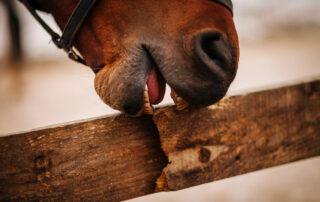
Cribbing, also known as crib-biting, is the most common oral stereotypic behaviour seen in horses. Cribbing involves the horse repeatedly and compulsively grasping an object between its teeth and sucking in air. Horses may crib bite for many hours per day, reducing time for other important activities such as eating and socializing.

Why Is My Horse Cribbing and How to Stop It? [Causes, Risks & Prevention]2026-08-01T19:23:28-04:00

Pituitary Pars Intermedia Dysfunction (PPID) in Horses [Symptoms, Treatment & Management]

Pituitary Pars Intermedia Dysfunction (PPID) is an endocrine-related disease that commonly affects older horses of all breeds. Twenty percent of senior horses, ponies, and donkeys are believed to have PPID. The condition results in an overproduction of pituitary hormones, causing metabolic dysfunction. Horses with PPID may also have insulin resistance and an increased risk of laminitis.

Pituitary Pars Intermedia Dysfunction (PPID) in Horses [Symptoms, Treatment & Management]2026-08-01T19:22:39-04:00

How to Get Rid of Cresty Neck in Horses [Feeding & Exercise]

An overabundance of fat along the top of the neckline, otherwise known as cresty neck, is an indicator of metabolic problems in your horse. In fact, researchers believe this type of regional fat deposit (nuchal crest adiposity) is a strong indicator of equine metabolic syndrome (EMS).

How to Get Rid of Cresty Neck in Horses [Feeding & Exercise]2026-08-01T19:21:54-04:00

Gut Dysbiosis in Horses: Problems of the Equine Microbiome

A healthy equine gastrointestinal microbiome contains a diverse range of beneficial microbes that support digestion, immune function and nutrient synthesis. Because horses are hindgut fermenters, a healthy microbiome is essential for overall wellness. Dysbiosis is defined as a microbial population that is unbalanced, dominated by harmful microbes, or has decreased numbers or diversity of organisms. By definition, dysbiosis also includes impaired function of the microbiome in individuals with intestinal tract disease.

Gut Dysbiosis in Horses: Problems of the Equine Microbiome2026-08-01T19:21:09-04:00

7 Tips for Feeding your Horse in Winter [Cold Weather Care Guide]

What do you need to know to properly care for and feed your horse in the cold winter months? Horses are very adaptable to a wide range of temperatures and are well-suited to living in cold climates. However, you may need to adjust your feeding and management practices when the weather turns cold to keep up with your horse's higher calorie demands.

7 Tips for Feeding your Horse in Winter [Cold Weather Care Guide]2026-08-01T19:20:22-04:00

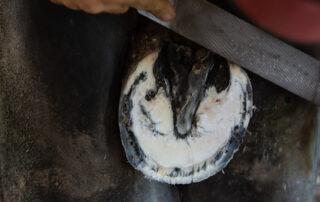
Barefoot Trimming for Horses: Benefits for the Hoof

Keeping horses barefoot is gaining in popularity because of the benefits in hoof health and movement it can provide some horses. Barefoot hoof trimming is designed to maximize the biomechanical efficiency of hoof function. It is favoured among horse owners who prefer more natural management of their equine companions.

Barefoot Trimming for Horses: Benefits for the Hoof2026-08-01T19:19:05-04:00

6 Research-Backed Benefits of Turmeric for Horses [Review]

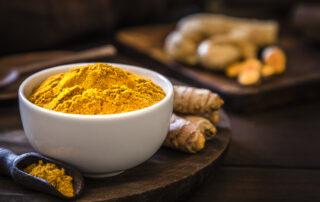
Curcumin, derived from the turmeric plant, is a spice that recently become popular to feed to horses as a dietary supplement. It has purported anti-inflammatory benefits and is used in horses with laminitis, arthritis, metabolic syndrome and other health conditions. Turmeric has long been used in traditional herbal medicine to help relieve symptoms associated with digestive, skin, respiratory and joint disorders.

6 Research-Backed Benefits of Turmeric for Horses [Review]2026-08-01T19:17:13-04:00

7 Common Hoof Problems in Horses – Signs & Treatment

Equine hoof problems are a major source of concern for horse owners. Hoof issues can lead to lameness and unsoundness, causing discomfort for the horse and potentially leading to early retirement. In one study, 85% of horses were observed to have at least one form of hoof disorder when examined during regular hoof trimming.

7 Common Hoof Problems in Horses – Signs & Treatment2026-08-01T19:15:59-04:00