English

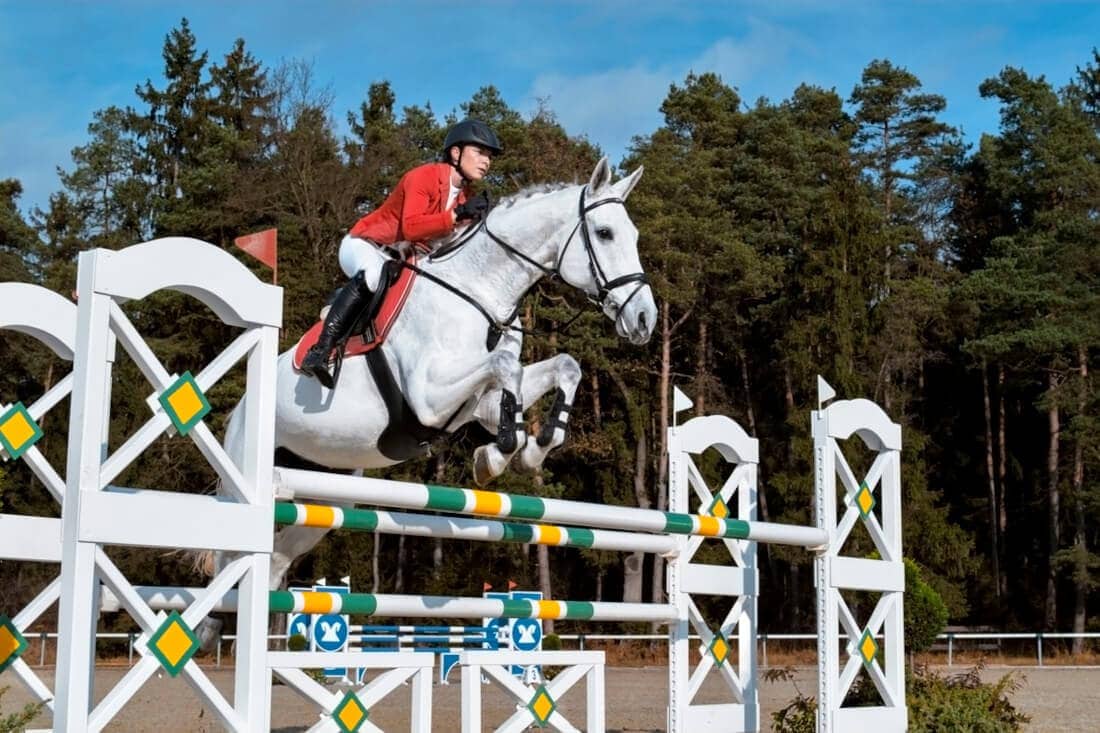
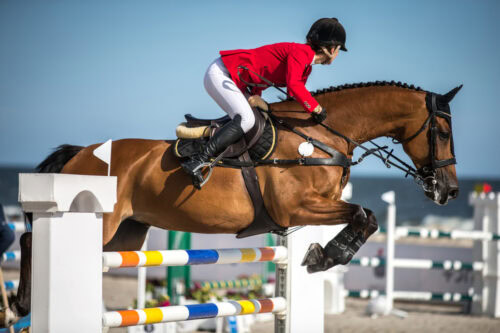
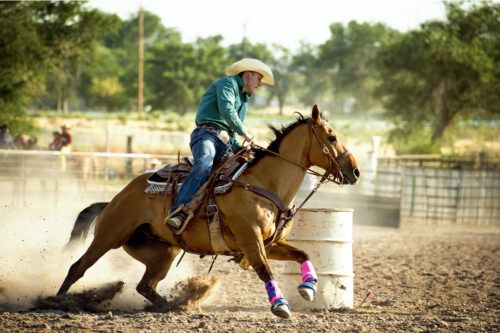
Post-exercise recovery is the period when your horse’s body adapts to training and the benefits of exercise are realized. During work, muscles experience microscopic damage, energy stores are depleted, and stress is placed on joints, tendons, and the cardiovascular system.
A proper recovery period allows these systems to repair and replenish, leading to improvements in muscle strength, cardiovascular capacity, and metabolic efficiency. Without adequate rest, nutrition, and hydration, your horse’s body cannot complete these processes, increasing the risk of fatigue, overheating, dehydration, and injury.
Whether your horse enjoys light recreational rides or competes at high levels, managing recovery helps maintain health, performance, and long-term soundness. From cooling techniques and hydration support to electrolyte supplementation and targeted nutrition, there are many different ways to support your horse’s recovery from workouts.
Keep reading to learn the latest evidence-based strategies to improve recovery in horses after exercise and promote optimal performance, ride after ride.
Post-Exercise Recovery for Horses
Sports recovery is a key part of equine management, supporting the horse’s well-being after exercise and readying the horse for future performance.
During physical exertion, a horse’s muscles, joints, and cellular structures undergo stress. When paired with a well-managed recovery plan and a progressive training program, this stress leads to adaptations that strengthen and condition the horse for improved performance.
However, without adequate recovery time and post-exercise care, this stress can accumulate, increasing the risk of injury, illness, and a decline in performance.
Recovery strategies are important not only for restoring a horse’s physiological balance but also for minimizing the risk of issues such as dehydration, overheating, muscle fatigue, and chronic inflammation.
Addressing specific responses to exercise requires careful attention to a horse’s individual needs and the intensity of their activity.
Best practices for recovery vary according to exercise duration and environmental conditions. Following structured cooling, hydration, and nutritional strategies can support your horse’s recovery process and contribute to their long-term health and performance potential.
Effects of Exercise on Horses
When a horse exercises, it puts stress on their cells and tissues. Moderate stress stimulates tissue remodeling that can make horses stronger, faster, and more coordinated. However, excessive stress or inadequate support during recovery from exercise can hinder the body’s ability to recover properly.
Horses need attention and care after exercise to support recovery. The harder or longer they exercise, the more important it is to allow for a full and effective recovery.
To plan your horse’s recovery routine effectively, it’s useful to understand exactly how stress from exercise impacts the horse’s body.
Increased Body Temperature
The large size and relatively small surface area of the horse makes thermoregulation challenging during exercise, especially in hot and/or humid conditions. [1] The hotter and more humid the environment in which a horse is exercising, the more difficult it is for them to regulate their internal body temperature independently. [2]
Much of the heat generated during exercise comes from the horse’s locomotory muscles, and is then redistributed over the body by the circulatory system. [1] Heat continues to build in the horse’s body for several minutes after they stop exercising and does not return to normal for up to 60 minutes. [1][2]
Strenuous exercise can increase the risk of exertional heat illness, especially in hot or humid weather. Extra precautions may be needed to prevent or reduce heat stress. [2]
In severe cases, overheating in horses can lead to: [2]
- Endotoxemia
- Neuronal injury
- Heat stroke
- Dehydration
Sweating is the horse’s primary cooling mechanism during exercise, allowing them to dissipate excess body heat. They have the highest sweat rate of any animal, enabling them to regulate temperature effectively during strenuous activity. [3]
However, sweating reduces the body’s water reserves, increasing the risk of dehydration. Without adequate rehydration, this can quickly become dangerous for the horse. [3]
Owner attentiveness to dehydration is particularly important when conditions are hot or humid. If intense exercise is prolonged, frequent, or takes place over several days, such as during competitions, hydration status should be monitored closely regardless of environmental conditions. [3]
Adequate hydration is necessary to support and maintain performance and to avoid illness and injury. [4] If left unaddressed, severe dehydration can cause serious health complications including tying up, shock, and death.
Depletion of Energy Stores
During exercise, the body breaks down glucose and other nutrients to produce energy for muscle contractions. Glucose, stored in the muscles as glycogen, is rapidly mobilized during intense exercise to fuel performance.
Compared to protein and fat, glucose is converted into usable energy more quickly, making it an important fuel for short-term, high-intensity work.
When glycogen stores are depleted, available energy drops, leading to fatigue. [5]
Acute Oxidative Responses
When horses exercise, their muscles generate energy through a process called oxidative phosphorylation. This process uses oxygen to produce energy in a form that can be used to fuel muscle activity.
Oxidative phosphorylation also results in the production of reactive molecules called reactive oxygen species (ROS), sometimes referred to as “free radicals”. During exercise, horses experience a spike in free radicals in the muscles as a byproduct of increased energy production.
Following exercise, ROS are important for signaling processes like transient inflammation, which supports healthy recovery from exercise. Ultimately, ROS are neutralized by antioxidant enzymes in the horse’s blood and tissues. This maintains a healthy balance of tissue repair and return to normal function after exercise. [6]
However, ROS can lead to tissue damage if they accumulate at high levels or persist for long periods. This can occur if a horse’s ROS production overwhelms the body’s antioxidant capacity. [6]
Pro-Inflammatory Responses
The stress of exercise sets off a cascade of signals to repair tissue. Oxidative challenges result in inflammation that ultimately stimulates protein synthesis and muscle growth. This leads to improvements in strength and performance. [7]
However, excessive inflammation can lead to muscle damage and soreness that impacts performance and well-being. [7]
What's your top priority with your horse's health?

What's your top priority with your horse's health?
Dehydration
Dehydration occurs when a horse loses water through urine, sweat, feces, and respiration. A horse that does not drink sufficient water to offset these losses can become dehydrated.
Sweating can lead to significant water loss, with horses losing up to 10 liters of fluid per hour. [3][8] The signs of dehydration in horses include: [8][11][12]
- Loss of skin elasticity
- Slow capillary refill time
- Dry or tacky mucous membranes
- Rapid changes in body weight
- Lethargy or weakness
- Stiffness
- Dark urine
- Increased heart rate
- Reluctance to move
Electrolytes such as sodium, potassium, and chloride are also lost in sweat. [9] These minerals are necessary for proper recovery, and low electrolyte levels suppress the horse’s thirst response, worsening dehydration. [10]
Sodium is especially important to replenish after exercise because, unlike other electrolytes, it is typically not supplied in adequate amounts by hay and grain alone. Adding table salt to your horse’s meals helps meet sodium needs and supports proper hydration.
Feeding salt and an electrolyte supplement to replenish minerals lost in sweat is important to support subsequent performance. Offering your horse water often during and after exercise is also an important step to preventing dehydration.
To determine an appropriate dose of salt and electrolytes for your horse, you can refer to the Mad Barn Electrolyte and Sweat Loss Calculator, or contact a qualified equine nutritionist.
When choosing an electrolyte supplement, aim for a balanced supply of the electrolyte minerals lost in sweat. Additional supportive ingredients such as the antioxidants vitamin C and vitamin E, glucose, or dextrose can aid in the recovery of other physiological processes.
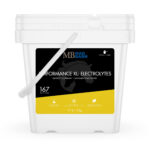
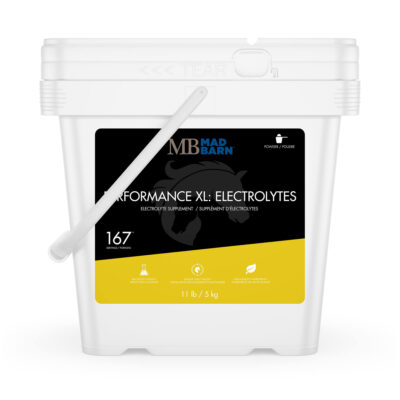
Mad Barn’s Performance XL Electrolytes provides a balanced supply of electrolyte minerals, as well as vitamins C and E for antioxidant support.
Guide to Post-Workout Recovery for Horses
After a workout, your horse’s body enters a recovery phase in which several physiological systems work to restore balance. Changes in temperature, hydration status, energy reserves, and muscle metabolism are part of the normal stress response to exercise. In healthy horses, these changes are temporary and can be managed with an appropriate recovery plan.
Excessive or prolonged stress responses after exercise can damage tissues, impair performance, and increase the risk of future health problems. This underscores the need for a proper recovery plan and adequate rest to allow the horse’s body to reset.
The ultimate aim of post-exercise recovery is to return to the horse’s normal physiological state, supporting overall well-being and readiness for the next training session. [13]
To achieve this, a well-planned recovery routine should:
- Normalize body temperature
- Rehydrate the horse’s body
- Replenish energy stores
- Optimize protein synthesis
- Manage the oxidative response
- Manage the inflammatory response
There are a wide range of demands placed on a horse’s body depending on what disciplines it is involved in. [2] Some horses go out for a gentle trot along a flat path with nothing on their back, and others are raced to the top of their ability for as long as they can handle it or compete in events that last for days.
All horses need time to recover, and higher levels of exercise require more attention to recovery than lower levels. [14]
Here is our expert-backed guide to planning your horse’s recovery routine. To get the most out of recovery, your routine should start before you even leave the saddle, and continue strategically over the following days.
1) Immediate Actions: Before Dismount
Immediately after exercise, horses should be jogged or walked before returning to rest. The movement provided by continued lower-intensity activity improves circulation to muscle, and delivers lactate produced during exercise back to the muscle to be used as an energy source.
There are different guidelines on how long to complete low-intensity movement at the end of training. In one study, Standardbred Trotters engaged in an exercise protocol performed fast trotting for 10 minutes to cool down. This was found to clear lactate from the system faster than resting, walking, or slow trotting. [14]
2) Short-Term Actions: Just After Dismount
Immediately after dismounting, there are three recovery strategies that benefit the horse: cold-hosing, hand-walking, and replenishing water and electrolytes.
Cold-Hosing
In the warmer months, rinsing is an excellent way to cool down a horse in any exercise level. Depending on the intensity of your horse’s exercise and the facilities you have available, rinsing may also be an effective way to cool down horses in cooler months.
Rinsing, also known as cold water cooling, aims to normalize the horse’s body temperature. Water is applied to the horse’s body directly after exercise to help bring their temperature down through evaporation. Rinsing also reduces the horse’s sweat rate, minimizing water loss and the risk of dehydration. [1]
In cases where a horse’s body temperature is only mildly elevated, cold-hosing can be as simple as hosing or sponging the horse continuously for a few minutes after exercise. In hot and humid weather, putting a fan on the horse can help speed the cooling process as well.
In cases where a horse’s body temperature is excessively high, more rapid cooling strategies may be warranted, such as: [1][2]
- Forced air evaporation (hosing under a fan)
- Applying ice or cold packs
- Submerging the horse’s body in water
Hand-Walking
Hand-walking refers to the practice of keeping the horse moving at a controlled pace by walking without a rider after more intense exercise.
This strategy serves multiple purposes, including: [13]
- Reducing body heat through convection and evaporation
- Allowing blood circulation to return to normal
- Continued use of lactate by the muscles for energy
Electrolyte Supplementation
Drinking water after exercise is important for restoring hydration, but water alone is not enough. [3][4] When a horse sweats, it loses not only water but also key electrolytes such as sodium, potassium, and chloride.
Without replacing these minerals, the body’s ability to retain water is reduced, and fluid balance within cells and tissues remains compromised. This can delay recovery and increase the risk of dehydration. [4]
Horses given only water after heavy sweating may also drink less than needed. Providing sodium in the form of plain loose table salt helps restore electrolyte balance and encourages greater water intake, improving rehydration.
Electrolyte supplementation supports multiple aspects of recovery. Replenishing minerals not only restores hydration but also aids glycogen resynthesis, which requires adequate intracellular water and potassium. Administering electrolytes immediately after exercise and before feeding is recommended to maximize these benefits. [4]
3) Medium-Term Actions: Hours Following Workout
In the hours after intense exercise, there are two recovery strategies that benefit the horse: cryotherapy and continued low-intensity movement.
Limb Cryotherapy
Cryotherapy after intense exercise involves cooling the lower limbs in one of several ways: [15]
- Hosing with cold water
- Standing in ice and water
- Circulating liquid coolants through boots
- Applying ice packs
- Applying water soaked boots
- Applying clay or cooling gels
- Using ice boots
This strategy is aimed at lowering tissue temperature in the distal limbs and mitigating the inflammatory response in muscle tissue.
The degree of cooling does not have to be significant to have a meaningful effect on the tissues. Even a ~10 degree reduction is sufficient to see good results. [15]
Icing the legs reduces a few key parameters, including: [15]
- Tissue temperature
- Local circulation
- Tissue swelling
- Pain sensation
- Tissue degradation
- Inflammatory responses
Icing may be a particularly useful strategy for horses with leg issues such as tendon injuries. [16]
Low-Intensity Movement
As your horse recovers in the hours after intense exercise, it’s useful to keep them moving. This can be done by turning them out to pasture rather than putting them in a stall. In cases where turnout isn’t an option, it can be helpful to get them out for a walk from time to time.
Research shows horses who were allowed free movement after exercise have improved recovery and less leg swelling than those who are stalled after exercise. [17]
Contrary to the belief that stall rest after exercise is necessary to preserve energy and prevent fatigue, allowing horses to move freely supports recovery of both energy levels and appetite. [18]

4) Long-Term Actions: Days Post-Workout
Once your horse has settled back down after an intense workout, recovery continues in their muscles and other systems. The days following training are an opportunity to maximize workout gains while also providing plenty of rest.
Adjunct Therapies
Many owners use adjunct therapies to support their horses in the days after intense exercise. Popular options include: [19][20][21]
- Massage: Sports massage uses techniques aimed at supporting muscle recovery and improving blood flow.
- Bodywork: Other bodywork modalities such as acupuncture, acupressure, and chiropractic work may also be helpful, but should be conducted by a professional and matched to your horse’s needs.
- Laser therapy and Pulsed electromagnetic fields (PEMF): In humans, laser therapy and PEMF may reduce fatigue. These techniques have not been closely studied in horses, but are growing in use within the equine industry.
Continued Hydration
Administering electrolytes and continued monitoring of your horse’s hydration is important in the days after intense exercise. This is especially true when the horse has been exercising for long durations, such as during an endurance event.
During endurance rides, horses can lose 3 to 7% of their body weight in sweat, and these large sweat losses are difficult to recuperate quickly. [22] Monitoring hydration and electrolytes over a 24 hour period after intense exercise is recommended.
Table 1. Post-exercise recovery planning at-a-glance
| Recovery Period | Light Exercise | Moderate Exercise | Heavy Exercise |
|---|---|---|---|
| Immediate |
|
|
|
| Short-Term |
|
|
|
| Mid-Term |
|
|
|
| Long-Term |
|
|
|
Post-Exercise Nutrition for Horses
Feeding a balanced meal after exercise helps replenish glycogen stores and provide the protein and amino acids necessary to repair and build muscle. It can also encourage proper hydration, as feed intake often promotes water consumption. [23]
Strategies for feeding horses after intense exercise or strenuous competition include: [24]
- Free-choice hay: To support gastric health
- A starchy, high-quality protein meal: To support glycogen replenishment and protein synthesis
- Electrolyte supplementation: To replenish sweat losses and encourage proper hydration
When feeding a starchy meal to encourage glycogen replenishment, aim for a meal size of < 0.3% body weight. This equals 3 lb (1.5 kg) for the average 1,100 lb (500 kg) horse. [24]
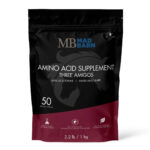
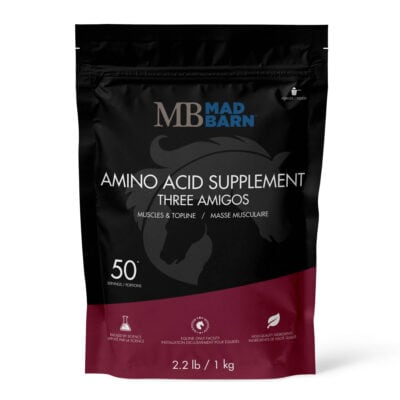
In addition to a good dose of protein, a high-quality blend of amino acids can help your horse get the most of their post-exercise meal. Mad Barn’s Three Amigos is a limiting amino acid supplement that provides lysine, threonine, and methionine. These amino acids are the ones that most commonly limit protein synthesis in horses’ diets.
Below is an example of a post-exercise meal to support recovery and rehydration for an average 1,100 lb/500 kg horse in heavy exercise.
| Feed | Amount in Meal |
|---|---|
| Oats | 1.5 lb (700 grams) |
| Soaked Alfalfa Cubes/Pellets | 1.5 lb (700 grams) |
| Three Amigos | 20 grams (1 scoop) |
| Performance XL Electrolytes | 30 grams (1 scoop) |
| Salt | 30 grams (2 tbsp) |
| Nutrient Analysis | |
| Digestible Energy | 3.5 Mcal |
| Crude Protein | 225 grams |
| Starch | 265 grams |
| Sodium | 15 grams |
This meal should be provided with free-choice hay, fresh clean water, and as part of a balanced overall diet for your horse.
Feeding Horses in Work
Horses in intense work require a diet that supplies adequate protein, energy, vitamins, and minerals. A balanced ration supports training readiness and maximizes the benefits of each workout.
Energy & Protein
Adequate energy and protein are essential for muscle development and for supporting your horse’s physical performance.
Depending on their exercise level and forage quality, performance horses may require more energy than free-choice forage alone can supply. While sugar and starch from grains can provide quick energy, feeding them in large amounts can increase the risk of digestive upset, behavioral changes, and metabolic issues such as insulin dysregulation.
Instead, adding calories from low-sugar, low-starch feeds, such as high-fiber concentrates or fat sources, can deliver the fuel needed for performance without the potential downsides of oversupplying sugar and starch.
Highly digestible fiber sources such as alfalfa and beet pulp can help to increase calorie intake and provide digestive support. In addition, oils are a concentrated source of energy from fat that can be added to increase the calorie density of the diet.
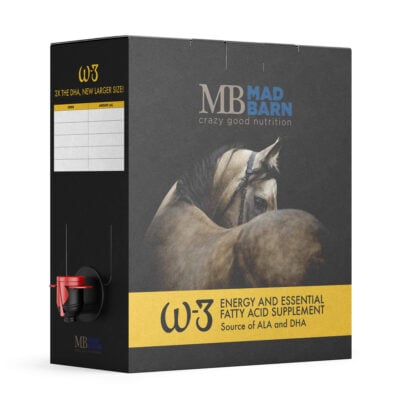
Mad Barn’s w-3 Oil is a concentrated source of cool calories that contains added natural vitamin E and the omega-3 fatty acid DHA. Omega-3s support joint and respiratory health while helping maintain a balanced inflammatory response.
Adequate protein intake is critical for exercise performance and muscle protein synthesis, but the balance of amino acids is equally important.
Amino acids are the building blocks of protein, and your horse’s diet should supply sufficient amounts of the limiting amino acids lysine, threonine, and methionine — the three most likely to be deficient in equine diets. Inadequate levels can impair muscle protein synthesis and hinder performance gains.
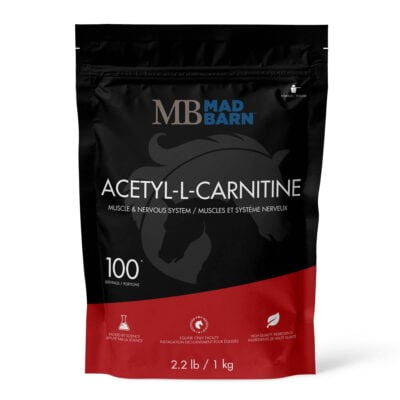
Additional amino acids and their derivatives may offer further benefits for performance horses. For example, Acetyl-L-Carnitine is an amino acid derivative with antioxidant properties that supports energy metabolism and muscle function. [25][26]
Mad Barn’s Acetyl-L-Carnitine can be a valuable addition to the diet, particularly when deficits in muscle mass or strength are limiting performance.
Vitamins & Minerals
Feeding a balanced, forage-based diet provides the vitamins and minerals needed to support performance and recovery. These nutrients are involved in energy metabolism, muscle contraction, oxygen transport, tissue repair, immune function, mood regulation and more.
Key examples include:
- Calcium & Magnesium: Support muscle contraction, relaxation, and bone strength.
- Copper & Zinc: Contribute to connective tissue health, coat quality, and antioxidant defense.
- Vitamins A, D, E, and B-complex: Aid in energy metabolism, protect cells from oxidative stress, and support muscle repair.
- Biotin: Promotes healthy hooves, which are essential for soundness and performance.
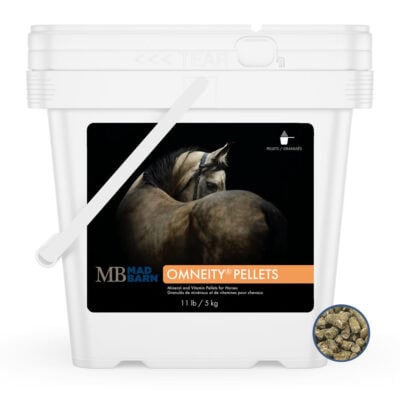
Mad Barn’s Omneity® Pellets can be fed alongside a forage-based diet to meet your horse’s complete vitamin and mineral requirements. Omneity® contains 100% organic trace minerals, a full spectrum of vitamins including B vitamins, and a full serving of biotin.
Adding salt to your horse’s ration is recommended to meet sodium requirements and promote proper hydration. Many horses have diets that are unknowingly sodium-deficient, and feeding 2 tablespoons of salt per day can help prevent this.
Heavily exercised horses also benefit from supplementation with additional selenium and vitamin E, two antioxidants that support adaptation to exercise. [27][28] These nutrients work together to protect muscle cells from oxidative damage caused by free radicals produced during exercise.
Vitamin E is a fat-soluble antioxidant that stabilizes cell membranes and helps prevent muscle soreness, stiffness, and prolonged recovery times. Selenium is a key component of antioxidant enzymes such as glutathione peroxidase, which neutralize harmful oxidative byproducts and support normal muscle metabolism.
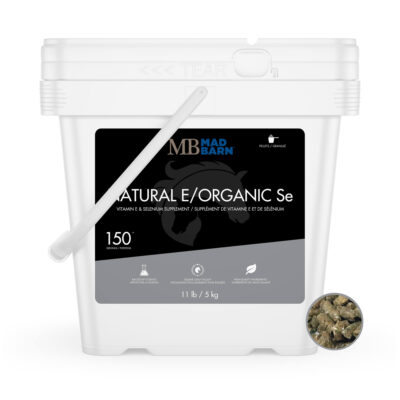
Mad Barn’s Natural E + Organic Se provides these antioxidants in highly bioavailable forms for optimal absorption and effectiveness.
Digestive Health
An estimated 60% or more of horses are affected by gastric ulcers, with prevalence even higher in performance horses. [29] This increased risk is linked to factors such as limited forage access during travel and competition, higher grain intake to meet energy demands, and the physical jostling of the stomach during exercise, which can cause acid to splash onto unprotected tissues.
Feeding a free-choice, forage-based diet with controlled hydrolyzable carbohydrate (HC; sugar + starch) content can help prevent ulcers and support horses already affected. [30] Providing alfalfa or good-quality grass hay before exercise creates a fibrous mat in the stomach that reduces acid splash onto sensitive tissues.
Alfalfa also has a mild acid buffering effect that may lessen the formation and severity of gastric ulcers. [31]
Horses needing more gastric support may benefit from a digestive supplement. An effective formula should protect the integrity of the stomach lining while also supporting hindgut function.
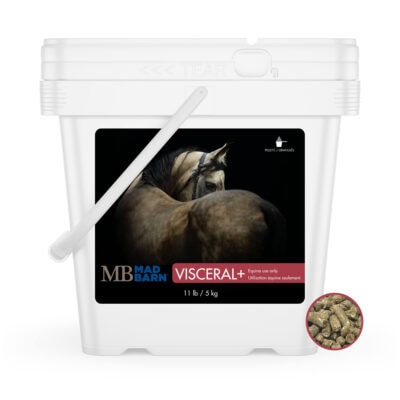
Mad Barn’s Visceral+ contains glutamine, magnesium, and lecithin to maintain stomach health, along with probiotics and prebiotics to promote hindgut balance and feed efficiency. Visceral+ is veterinarian-recommended and trusted by elite athletes to maintain gut health and support the immune system in performance horses.
Post-Exercise Recovery Timeline
The harder and longer a horse has worked, the longer the recovery will take. This is because during the recovery period, the body is compensating for the demands of exercise by using energy to rebuild muscle, bone, and connective tissue.
There are several physiological systems that require time to recover after exercise. Although the research on specific recovery times is sparse in horses, we can borrow some information from recovery times in humans as a starting point for horses.
Research in humans shows the following about recovery rates: [1]
- Metabolic recovery: For humans, glycogen stores and other sources of energy recover relatively quickly. Glycogen stores take a few days to come back to normal levels.
- Neuromuscular Recovery: Muscle fatigue is related to conditioning and the intensity of the exercise. Recovery periods range from 1 to 4 days in humans.
- Cardiocirculatory Recovery: Returning to a normal heart rate, stroke volume, and hydration status are also necessary to recovery. These factors depend on following an effective rehydration procedure, and usually take between 6 to 48 hours to return to normal in humans.
These findings provide some insight about how recovery is expected to proceed in horses, but it’s important to remember every horse is an individual. Recovery times vary depending on age, health status, level of fitness, and intensity and duration of exercise.
Make sure to monitor your horse between workouts, and work with your veterinarian if it seems like they are taking longer than expected to bounce back.
Frequently Asked Questions
Here are some frequently asked questions about equine post-exercise recovery:
Post-exercise recovery allows the horse's body to return to a normal physiological state, preventing injury, dehydration, and muscle fatigue while supporting long-term performance.
Common signs of dehydration in horses after exercise include loss of skin elasticity, dark urine, dry gums, delayed capillary refill, lethargy, stiffness, and elevated heart rate.
A post-exercise meal for your horse should include high-quality forage, easily digestible energy sources, quality protein, electrolytes, and adequate salt to aid recovery.
Electrolytes should be given to your horse immediately after exercise and in the days following strenuous work, especially during hot or humid conditions.
Yes, rinsing horses with cool water promotes evaporative cooling, reduces body heat, and can prevent exertional heat illness when applied immediately post-exercise.
Summary
Post-exercise recovery is the process of helping a horse’s cells and tissues return to normal function after work. The higher the intensity and duration of exercise, the greater the care and attention required to support full recovery.
- Post-exercise recovery aims to return the body temperature to normal levels, rehydrate, replenish energy stores, optimize protein synthesis, and manage oxidative and inflammatory responses.
- Strategies to aid recovery include walking or jogging while still mounted, rinsing and hand walking once dismounted, supplementing electrolytes, icing the legs, and keeping the horse moving in the hours after exercise
- Adjunct therapies like massage and other bodywork are useful in the days following intense exercise
- Recovery times depend on the condition of the horse and the intensity of the exercise and take between 6 hours and 4 days
References
- Marlin. D. J. et al. Post Exercise Changes in Compartmental Body Temperature Accompanying Intermittent Cold Water Cooling in the Hyperthermic Horse. Equine Veterinary Journal. 1998.
- Kang. H. et al. The Use of Percutaneous Thermal Sensing Microchips to Measure Body Temperature in Horses during and after Exercise Using Three Different Cool-Down Methods. Animals. 2022. View Summary
- Marlin. D. J. et al. Rehydration Following Exercise: Effects of Administration of Water versus an Isotonic Oral Rehydration Solution (ORS). The Veterinary Journal. 1998. View Summary
- Waller. A. P. et al. Fluid and Electrolyte Supplementation after Prolonged Moderate-Intensity Exercise Enhances Muscle Glycogen Resynthesis in Standardbred Horses. Journal of Applied Physiology. 2009. View Summary
- Lacombe. V. A. et al. Interactions of Substrate Availability, Exercise Performance, and Nutrition with Muscle Glycogen Metabolism in Horses. Journal of the American Veterinary Medical Association. 2003. View Summary
- Kirschvink. N. et al. The Oxidant/Antioxidant Equilibrium in Horses. The Veterinary Journal. 2008. View Summary
- Liburt. N. R. et al. Exercise‐induced Increases in Inflammatory Cytokines in Muscle and Blood of Horses. Equine Veterinary Journal. 2010. View Summary
- Pritchard. J. C. et al. Validity of a Behavioural Measure of Heat Stress and a Skin Tent Test for Dehydration in Working Horses and Donkeys. Equine Veterinary Journal. View Summary
- Hodgson. D. R. et al. Thermoregulation in the Horse in Response to Exercise. The British Veterinary Journal. 1994. View Summary
- McCutcheon. L. J. et al. Equine Sweating Responses to Submaximal Exercise during 21 Days of Heat Acclimation. Journal of Applied Physiology. 1999.View Summary
- Nyman. S. et al. Water Intake and Fluid Shifts in Horses: Effects of Hydration Status during Two Exercise Tests. Equine Veterinary Journal. 2002. View Summary
- Sosa León. L. A. Treatment of Exercise-Induced Dehydration. Veterinary Clinics of North America: Equine Practice. 1998. View Summary
- Kang. O.-D. et al. Effects of Cooldown Methods and Durations on Equine Physiological Traits Following High-Intensity Exercise. Livestock Science. 2012.
- Dahl. S. et al. Optimal Active Recovery Intensity in Standardbreds after Submaximal Work. Equine Veterinary Journal. 2006. View Summary
- Marlin. D. J. Evaluation of the Cooling Efficacy of Different Equine Leg Cooling Methods. Comparative Exercise Physiology. 2019.
- Nielsen. S. B. et al. An Investigation into Cold-Therapy of the Equine Metacarpus, Following Temperature Changes with Exercise as Well as Post Intervention. Open Journal of Veterinary Medicine. 2020.
- Connysson. M. et al. Effects of Horse Housing on Musculoskeletal System Post-Exercise Recovery. Comparative Exercise Physiology. 2021.
- Connysson. M. et al. Effects of Horse Housing System on Energy Balance during Post-Exercise Recovery. Animals. Multidisciplinary Digital Publishing Institute. 2019.
- Salter. M. M. et al. Effect of Equine Sports Massage Therapy on Cutaneous Temperature. Journal of Equine Veterinary Science. 2011.
- Dos Reis. F. A. et al. Effects of Pre- or Post-Exercise Low-Level Laser Therapy (830 Nm) on Skeletal Muscle Fatigue and Biochemical Markers of Recovery in Humans: Double-Blind Placebo-Controlled Trial. Photomedicine and Laser Surgery. 2014.
- Kim. S.-B. et al. Effects of PEMFs (Pulsed Electromagnetic Fields) Stimulation on Acupoint in Quadriceps Fatigue Recovery. International Journal of Precision Engineering and Manufacturing. 2012.
- Schott. I. H. C. et al. Bodyweight, fluid and electrolyte, and hormonal changes in horses that successfully completed a 5 day, 424 kilometer endurance competition:. Pferdeheilkunde Equine Medicine. 1996.
- Freeman. D. E. Effect of Feed Intake on Water Consumption in Horses: Relevance to Maintenance Fluid Therapy. Frontiers in Veterinary Science. 2021. View Summary
- Vervuert. I. Feeding Schedule during Competition Day in Performance Horses. Nutrition of the exercising horse. 2008.
- Van Der Kolk. J. H. et al. Serum Acylcarnitine Profile in Endurance Horses with and without Metabolic Dysfunction. The Veterinary Journal. 2020. View Summary
- Rivero. J. ‐L. L. et al. Oral L‐carnitine Combined with Training Promotes Changes in Skeletal Muscle. Equine Veterinary Journal. 2002. View Summary
- Da Fonseca. L. A. et al. Influence of Selenium and Vitamin E Supplementation on Energy Metabolism in Horses Used in Policing Activity. Comparative Clinical Pathology. 2016.
- White. S. H. et al. Dietary Selenium and Prolonged Exercise Alter Gene Expression and Activity of Antioxidant Enzymes in Equine Skeletal Muscle. Journal of Animal Science. 2016. View Summary
- Bell. R. et al. Equine Gastric Ulcer Syndrome in Adult Horses: A Review. New Zealand Veterinary Journal. 2007.
- Hepburn. R. Gastric Ulceration in Horses. In Practice. 2011.
- Nadeau. J. A. et al. Evaluation of Diet as a Cause of Gastric Ulcers in Horses. American Journal of Veterinary Research. 2000.