English
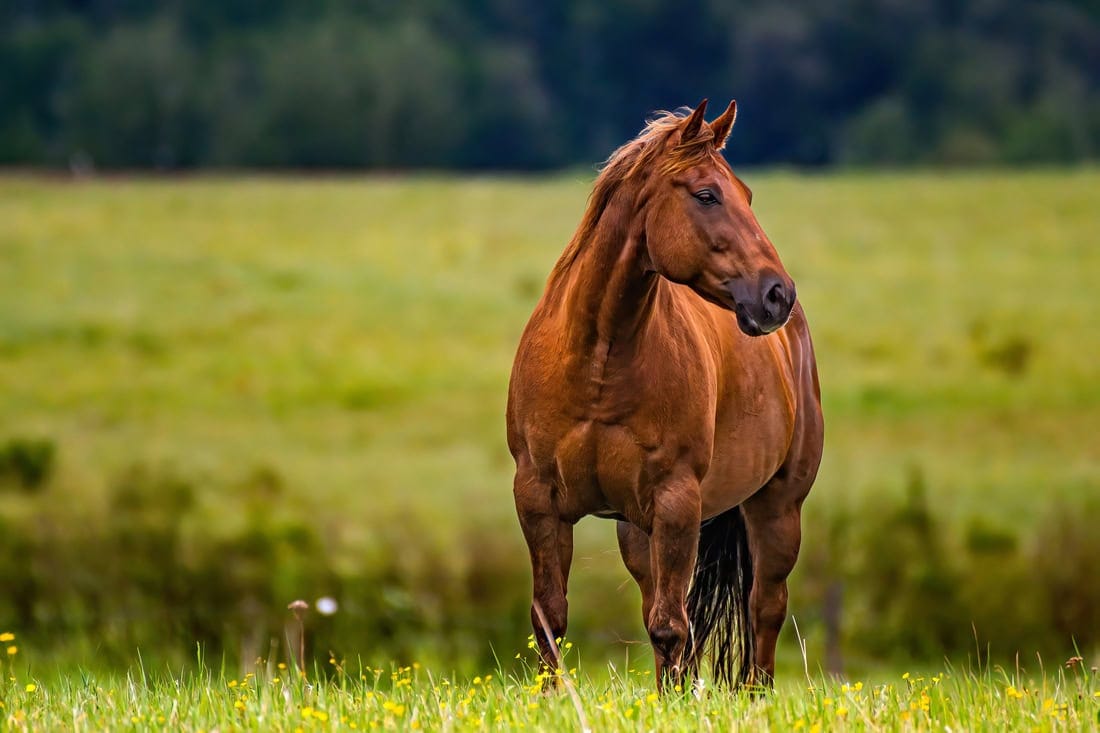
Protein is an essential nutrient for horses and a key component of the equine diet. Adequate protein is required for supplying the amino acids needed to build and maintain muscle, vital organs, bones, hooves and other tissues.
A horse’s protein requirement depends on their age, body weight, physiological status, and activity level. For most horses, protein needs are adequately met — or even exceeded — through regular forage intake. Leisure horses or those in light work typically don’t require additional protein in their diet.
However, growing foals, lactating mares, and horses in very heavy work have significantly higher protein needs. High-quality protein sources such as fresh pasture, soybean meal, and alfalfa are suitable options to enrich their diets.
Inadequate protein intake can lead to muscle loss, reduced appetite, and poor coat and hoof health. Conversely, overfeeding protein may cause digestive issues, changes in water intake, and poor air quality from excessive ammonia excretion in urine.
Understanding your horse’s protein requirements is critical to providing a balanced diet that supports their health and performance. In this article, we discuss the role of protein in the equine diet, functions in the body, and optimal sources for horses.
Protein for Horses
Protein is critical to the horse’s body, supporting numerous biological functions involved in tissue growth, repair, and maintenance.
After water, protein is the second most abundant component in the horse’s body, forming a major part of most tissues, such as muscles, skin, hair, hooves, and internal organs.
Different cells and tissues contain specific types of proteins that help them perform their unique functions, such as: [1]
- Digestive enzymes: Enzymes are proteins that break down or build other compounds. Digestive enzymes are made by the pancreas, stomach, and intestine to break down nutrients in feed. Examples include amylase to break down starch and protease to break down dietary proteins.
- Peptide hormones: Some hormones are proteins produced in one tissue and released into the bloodstream to affect other tissues or nearby cells. Examples include insulin made by the pancreas to influence metabolism in the muscle, liver, and fat tissue.
- Structural support: Some proteins are essential for providing structural support to cells and tissues. For example, collagen gives strength and flexibility to ligaments, tendons, and skin, while keratin strengthens hair and hooves.
- Transport and storage: Transport proteins deliver nutrients around the body. For example, hemoglobin is an iron-rich protein that transports oxygen and carbon dioxide in the body. Other proteins help store nutrients in cells, such as ferritin, which stores iron in the liver.
- Movement: Some proteins are involved in the movement of cells and the body in general. For example, actin and myosin are muscle proteins that act together to enable muscle contraction.
- Antibodies: Antibodies are large proteins that are components of the immune system, helping to defend against pathogens such as bacteria.
Horses typically obtain enough protein from forages to support their body’s needs for growth, repair, and overall health. However, some horses may require additional protein in their diet to meet their nutritional needs.
For example, horses consuming mature forages may not get enough protein and may require additional sources in their diet. Likewise, horses in intense work, pregnant mares, growing foals, and lactating mares may have higher protein demands that forage alone cannot fulfill, making supplementation necessary.
Protein Composition
Proteins are made up of building blocks called amino acids, which are arranged in specific sequences to create each unique protein. The structure and function of a protein depend on its length, the specific amino acids it contains, and the order in which those amino acids are arranged.
When horses consume protein from plants, it is broken down during digestion into amino acids or small chains of 2 – 3 amino acids called peptides. These are then absorbed and used by the body to build its own proteins.
There are 21 amino acids that make up proteins. All amino acids share a common structure: one end has an amino group (containing nitrogen and hydrogen), and the other has a carboxyl group (containing carbon and oxygen). What makes each amino acid unique is its side chain, a distinct combination of atoms that gives it specific properties and functions.
Amino acids can be classified into three broad categories:
- Essential Amino Acids: These must come from the diet because horses cannot produce them or cannot produce enough to meet their needs
- Non-Essential Amino Acids: These are synthesized by the horse in sufficient amounts to meet its needs
- Conditionally Essential Amino Acids: While usually produced in adequate amounts, these may need supplementation in certain situations, such as during growth, illness, or stress
There are 10 amino acids that are considered essential in the equine diet:
- Lysine
- Threonine
- Methionine
- Tryptophan
- Leucine
- Isoleucine
- Valine
- Histidine
- Phenylalanine
- Arginine
For your horse to maintain optimal health, the diet must provide adequate amounts of these essential amino acids. Deficiencies in these nutrients can result in weak hooves, poor skin and coat condition, loss of topline muscle, and poor performance.
Of the essential amino acids, lysine, methionine and threonine are the most likely to be deficient in the horse’s diet. For some horses, supplementing just these three amino acids can be beneficial.
What's your top priority with your horse's health?

What's your top priority with your horse's health?
Protein in the Equine Diet
The main sources of protein in the equine diet are forages, such as hay and fresh pasture, and concentrates, including grains and commercial feed products.
While many horses can meet their protein needs through forage alone, some may require additional supplementation from commercial feeds, concentrates, ration balancers, or supplements to ensure adequate intake.
To determine if your horse’s diet is providing adequate protein, you need to evaluate both the quantity and quality of the protein sources.
Forages
For most horses, forage is the primary source of protein in their diet. The protein content of forage can often be estimated based on its stage of maturity.
As grasses grow and mature, their fiber content increases, while their protein content decreases. For example, immature grass hay contains more easily digestible protein, while mature hay often has less protein, with much of it bound to fiber and harder for the horse to access through digestion.
Therefore, if your horse is eating mature grass hay, they may need additional protein sources in their diet, especially if they are growing, exercising, or breeding, as these activities increase their protein and amino acid requirements.
However, the only way to accurately determine the protein content of your forage is to submit a sample for analysis. In addition to crude protein, a forage analysis may also report other measures of protein content and quality, such as:
- Soluble protein: The soluble fraction of protein that is readily available for digestion
- Lysine: An essential amino acid that is the most likely to be deficient in equine diets
- Acid Detergent Insoluble Protein (ADIP): The portion of protein bound to lignin and other indigestible components, making it unavailable for digestion
- Neutral Detergent Insoluble Protein (NDIP): Protein that is bound to fibrous plant material, reducing its digestibility and availability to the horse
Your forage analysis will also provide information on the digestible energy, fiber, sugar, starch, and mineral content of your hay. Our equine nutritionists can help you interpret the results and balance your horse’s diet accordingly.
Commercial Feeds
The protein content of commercial feeds is indicated on a feed tags as crude protein. This is a measure of the total protein content, estimated based on nitrogen concentrations.
Crude protein content in horse feeds is typically between 10 – 30% of the feed, depending on the ingredients. Feeds that are formulated for growing horses or lactating mares are formulated for high protein content whereas those for adult horses at maintenance (non-exercising, non-breeding) have lower protein content.
High-quality protein sources, such as alfalfa, soybean meal, flaxseed meal, distiller’s grains, and other legumes, are commonly used in commercial feeds to meet the needs of horses with higher protein demands.
These ingredients are considered high-quality because they are rich in essential amino acids, particularly lysine, methionine, and threonine, and they are highly digestible. This ensures the horse can efficiently utilize the available protein to meet its physiological needs.
Protein Digestion & Absorption
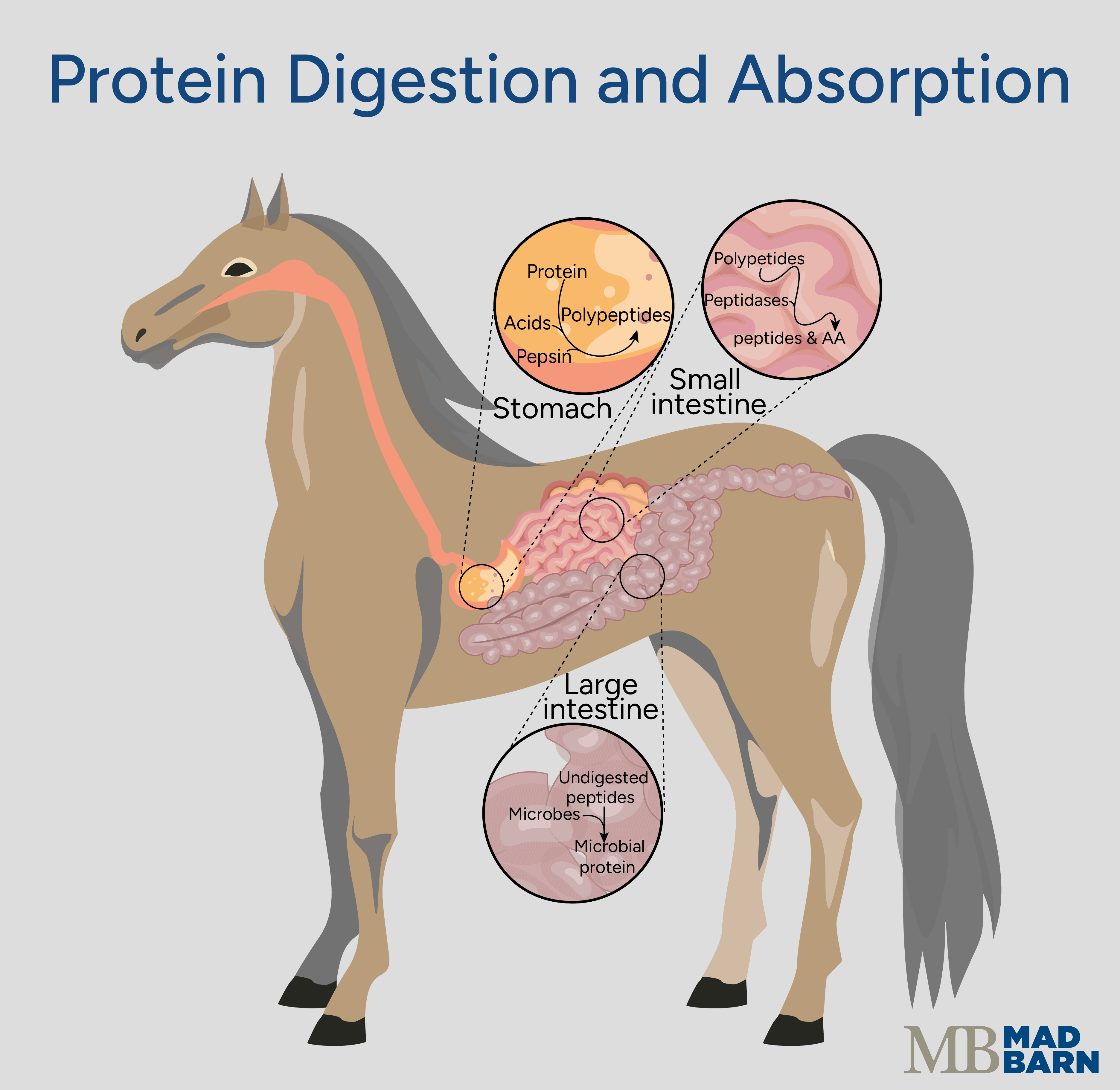
Exploring the function of protein in the equine body starts with understanding how dietary protein is digested and absorbed. Generally, digestion of protein occurs in four steps:
- Mechanical Breakdown: When horses consume forage or feed, chewing breaks it into smaller particles, making it easier to digest.
- Protein Unfolding: Protein digestion begins in the stomach, where the highly acidic environment unfolds the protein’s structure. This process allows the enzyme pepsin, produced in the stomach, to break the protein into smaller fragments called polypeptides.
- Enzymatic Digestion: Polypeptides then pass into the small intestine, where enzymes like proteases and peptidases further break them down into smaller peptides (chains of 2–3 amino acids) or individual amino acids.
- Amino Acid Absorption: The amino acids are absorbed in the small intestine and enter the bloodstream, where they are transported throughout the body to synthesize proteins for muscles, tissues, organs, enzymes, hormones and more.
Proteins in the Hindgut
Not all dietary protein and amino acids are digested and absorbed in the small intestine. Proteins and amino acids that remain undigested in the small intestine move into the horse’s cecum and large intestine of the hindgut.
In the hindgut, microbes break down undigested protein and use the amino acids to synthesize proteins for their own needs. However, horses cannot absorb amino acids in the large intestine. [1]
This means that feeding more protein than the horse can absorb in the small intestine will not supply additional amino acids for the horse’s use.
Protein & Amino Acid Requirements
A horse can only produce as much protein as the least available essential amino acid in their diet will allow. This is known as the limiting amino acid. Because of this, horses are more accurately described as having physiological requirements for essential amino acids, not proteins per se.
However, general protein requirements for horses have been established by the National Research Council’s Nutrient Requirements of Horses (2007). This text serves as the authoritative guideline for the nutritional needs of horses across all life stages and activity levels.
Total dietary protein requirements for horses are determined using nitrogen balance studies, which measure the amount of nitrogen from dietary protein that is retained in the body versus the amount excreted in urine and feces. These studies establish the protein intake needed to achieve maximal nitrogen retention, reflecting optimal protein utilization in the horse. [2]
Individual amino acid requirements have only been established for lysine, which is typically regarded as the first limiting amino acid in equine diets.
The lysine requirement can be calculated as 4.3% of the total protein requirement, regardless of the horse’s age, activity level, or physiological status.
Factors Influencing Protein Requirements
The protein needs of horses are influenced by several factors, including:
- Age: Growing foals require more protein to support rapid tissue development and growth
- Activity Level: Horses in intense work need additional protein for muscle repair and recovery
- Reproductive Status: Breeding stallions, as well as pregnant and lactating mares have increased protein requirements to support reproductive function, fetal development and milk production
- Body Weight: Larger horses require more protein overall to meet their maintenance needs
- Health Status: Horses recovering from illness or injury may need more protein for tissue repair and immune support
- Dietary Protein Quality: The balance and availability of essential amino acids in the diet impact how effectively protein needs are met
Understanding these factors helps ensure that dietary protein intake matches the horse’s specific physiological and nutritional demands. Of these factors, the NRC considers age, activity level, reproductive status and body weight to determine protein requirements for horses.
Maintenance Horses
Horses at maintenance are mature adults that are not involved in any structured exercise or breeding activities. Their primary energy and protein needs are focused on supporting basic bodily functions, maintaining body weight, and voluntary activity, such as free movement during turnout.
According to the NRC, these horses require an average of 1.26 grams of protein per kg body weight per day. [2] For a typical 500 kg (1,100 lb) horse at maintenance, this is equivalent to 630 grams per day.
However, actual protein needs of mature idle horses are influenced by their voluntary activity level, which reflects the natural movement they engage in when allowed to roam freely.
For this reason, the NRC recognizes three different levels of maintenance protein requirements, depending on the horse’s voluntary activity level: [2]
- Minimum: 540 grams per day
- Average: 630 grams per day
- Elevated: 720 grams per day
Horses with minimal movement, such as those stalled or on layup, are classified as having “minimum” protein needs. In contrast, horses that are turned out to pasture and frequently run or play may require an “elevated” level of protein to support their increased activity.
However, regardless of their voluntary activity level, the protein needs of mature, idle horses are generally met by hay or pasture with typical protein content.
Pregnant Mares
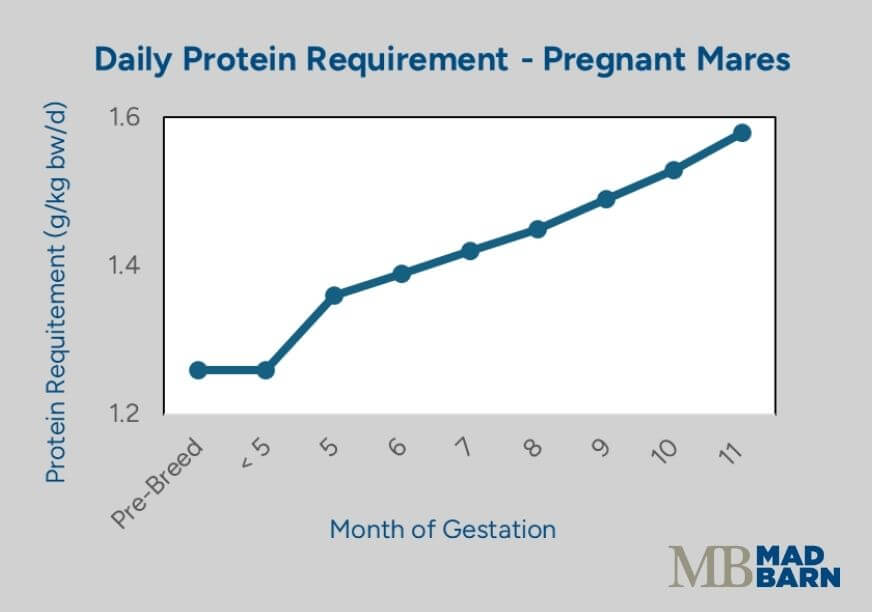
Broodmares require additional protein during pregnancy to support fetal growth and the development of tissues, such as the placenta and uterine lining. [2]
During the first 5 months of pregnancy, when the foal is still small, a mare’s protein requirements remain similar to those of non-pregnant horses at maintenance.
In the later stages of pregnancy, the foal grows rapidly, significantly increasing the mare’s protein needs. This additional protein supports fetal development, as well as other critical processes such as growth of the mammary glands in preparation for lactation.
Here is an overview of protein requirements by month of pregnancy for a 500 kg (1,100 lb) mare, based on the National Research Council’s guidelines:
- 0 – 5 months: 630 grams per day
- 5 months: 685 grams per day
- 6 months: 704 grams per day
- 7 months: 729 grams per day
- 8 months: 759 grams per day
- 9 months: 797 grams per day
- 10 months: 841 grams per day
- 11 months: 893 grams per day
Lactating Mares
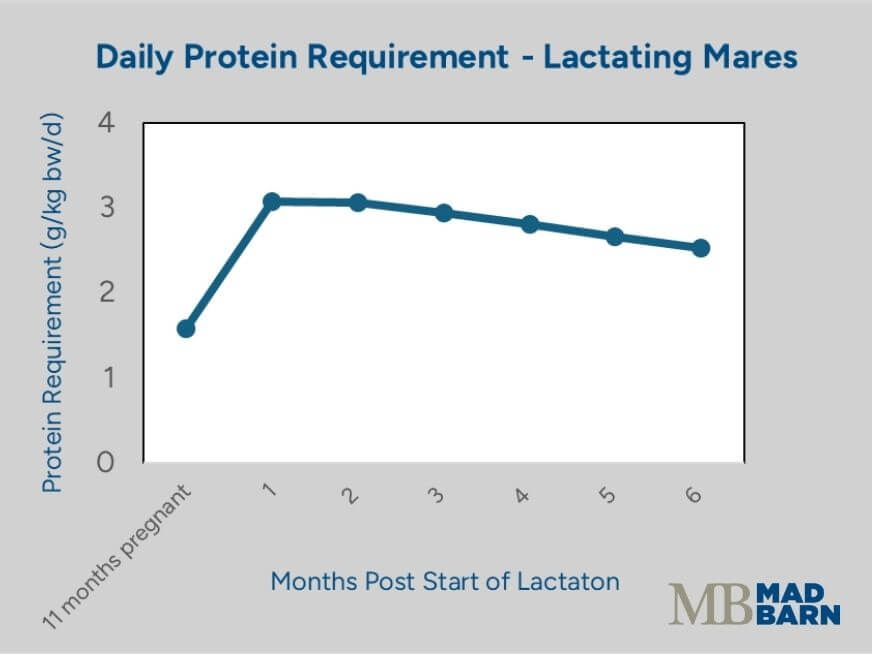
Protein requirements for broodmares are highest during early lactation, when milk is the sole source of nutrition for the newborn foal. Meeting protein requirements is critical during early stages of lactation, because mares will draw from their own bodily protein reserves to maintain milk production if dietary protein is insufficient. [1]
As lactation progresses, foals begin to eat forage and other feeds, reducing their milk consumption. Consequently, a mare’s milk production gradually decreases, lowering her protein requirements in the later stages of lactation.
The following is an overview of protein requirements by month of lactation for a 500 kg (1,100 lb) mare:
- 1st month: 1535 grams per day
- 2nd month: 1530 grams per day
- 3rd month: 1468 grams per day
- 4th month: 1398 grams per day
- 5th month: 1330 grams per day
- 6th month: 1265 grams per day
Moderate to high-quality grass hay is often sufficient to meet the protein needs of mares in early pregnancy and late lactation. However, during the later stages of pregnancy and the early stages of lactation, when protein demands are significantly higher, additional supplementation is usually required.
Alfalfa, soybean meal, and specially formulated feeds for breeding mares and foals can be used to meet the protein requirements of pregnant and lactating mares.
Growing Horses
Growing horses need protein to support the growth and development of muscles, bones, organs and other tissues. They have a higher protein requirement relative to their body weight compared to mature horses. However, as they mature and their growth rate slows, their protein needs gradually decrease. [2]
Protein requirements for growing horses are calculated at 1.44 grams per kilogram of body weight per day, with adjustments to account for estimated average daily gain and digestive efficiency. [2]
Below are the NRC protein requirements for growing horses expected to reach a mature weight of 500 kg (1,100 lb):
- 4 months: 669 grams per day
- 6 months: 676 grams per day
- 12 months: 846 grams per day
- 18 months: 799 grams per day
- 24 months: 770 grams per day
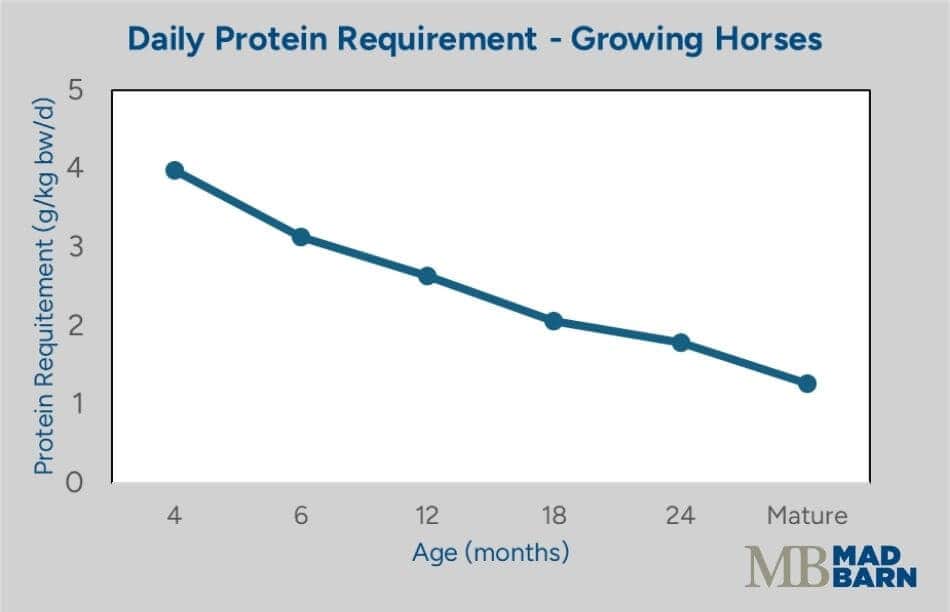
Forage alone often meets the protein needs of older growing horses, but younger horses typically require additional supplementation. Options like milk replacers, alfalfa, soybean meal, and specially formulated feeds for growth are options to ensure their protein requirements are met.
Providing high-quality protein is especially critical for growing horses. Research indicates that milk protein supplements support faster growth rates in young horses compared to other protein sources like linseed meal, soybean meal, and barley. [2][3][4][5][6]
However, excessive protein intake may have negative effects, such as slowing growth rates and increasing calcium and phosphorus losses. [7][8] More research is needed to fully understand how excess protein impacts the growth and development of young horses.
Exercising Horses
Exercising horses require additional protein to build, maintain, and repair muscle, and to support latherin synthesis, a protein lost in sweat. [2] Meeting the protein requirements of working horses is important to support muscle health, maintain efficient thermoregulation, and optimize athletic performance.
Here is an overview of protein requirements for a 500 kg (1,100 lb) mature adult horse at various exercise workloads:
- Maintenance (no exercise): 630 grams per day
- Light Exercise: 699 grams per day
- Moderate Exercise: 768 grams per day
- Heavy Exercise: 862 grams per day
- Very Heavy Exercise: 1004 grams per day
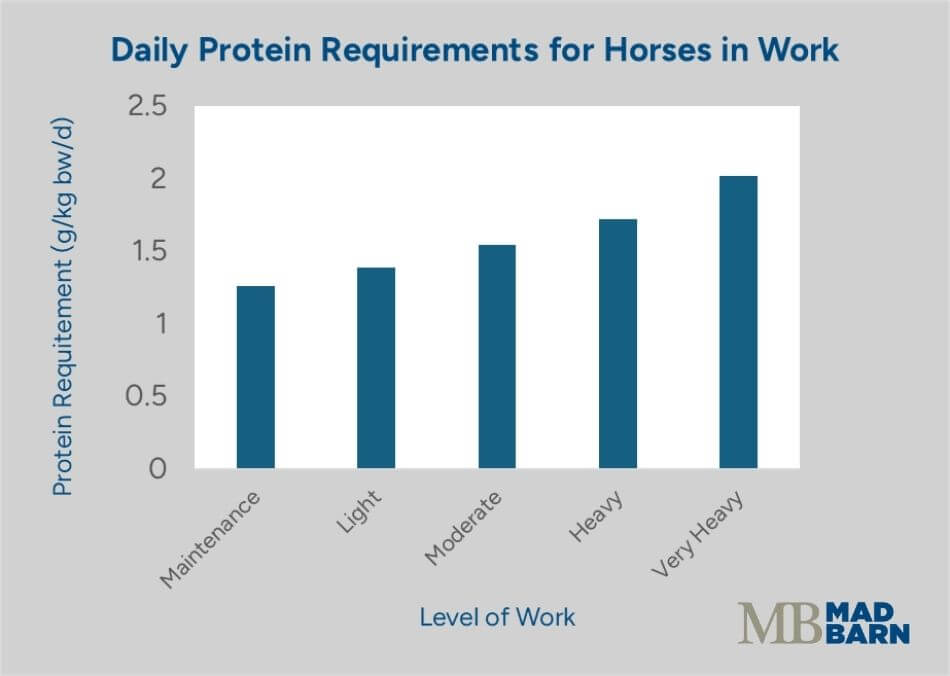
Exercise naturally stimulates a horse’s appetite, leading to increased forage consumption as their activity level rises. For horses in light to moderate exercise, this often means their protein needs can be met with higher intake of early-maturity grass hay or a grass-alfalfa blend.
However, for horses in heavy or very heavy exercise, forage alone may not provide enough protein. In these cases, supplementation with high-quality protein sources such as alfalfa, soybean meal, or an amino acid supplement can help.
Horses engaged in heavy or very heavy work, particularly those in hot climates, also need to avoid protein overconsumption. Excessive protein intake can increase the horse’s water requirement, as more urine is needed to excrete urea, a byproduct of protein metabolism. This additional strain can raise the risk of dehydration and heat stress.
Increased protein intake in exercising horses can have drawbacks and benefits, depending on the overall diet and exercise demands. Research shows that high protein intake may reduce blood pH, both at rest and during exercise, which can negatively affect performance and recovery by disrupting acid-base balance. [2][9]
However, in horses fed a forage-only diet, higher protein intake has been shown to increase muscle glycogen and branched-chain amino acid content, which can aid in muscle recovery following exercise. [10]
To balance these effects, performance horses benefit most from optimizing protein intake. This involves feeding a diet with high-quality protein and supplementation with limiting amino acids to ensure adequate amino acid availability without overloading the system. This approach helps prevent issues like dehydration and acid-base imbalances while supporting muscle recovery and overall performance.
Stallions
Stallions are mature, intact male horses, typically used in breeding programs. Stallions have slightly higher protein requirements than geldings or mares due to differences in body composition and naturally higher voluntary activity levels.
Non-breeding stallions that are not exercising typically fall under the elevated maintenance category for nutrient requirements. Their protein requirement is calculated as 1.44 grams per kg body weight per day, equivalent to 720 grams per day for a 500 kg (1,100 lb) horse. [2]
Breeding stallions have higher protein requirements than non-breeding stallions due to the demands of semen production and reproductive activity. The protein requirement for breeding stallions is calculated at 1.58 grams per kg body weight per day, equivalent to 789 grams per day for a 500 kg (1,100 lb) horse.

Protein Quality
When formulating diets to meet the protein and amino acid needs of horses, it’s essential to consider more than just the total protein content.
The amino acid profile and digestibility of a protein source also determine its suitability for horses.
A high-quality protein provides sufficient levels of essential amino acids and is highly digestible in the stomach and small intestine, ensuring optimal absorption and utilization of amino acids to support the horse’s health and performance.
Amino Acid Profile
Limiting amino acids are the amino acids which are most commonly deficient in the diet, restricting the body’s ability to synthesize proteins.
The amino acids lysine, threonine, and methionine are believed to be the first three limiting amino acids in equine diets, with lysine being the most critical. It is the only amino acid for which specific requirements have been established for horses and is recognized as the first limiting amino acid. [1][11][12]
To explain this concept, the “stave and barrel” analogy is often used. In this analogy:
- Each stave of a barrel represents an amino acid
- The water held by the barrel symbolizes the body’s pool of amino acids available for protein synthesis
- The shortest stave in the barrel represents the first limiting amino acid in the diet, determining how much water (amino acids) the barrel can hold
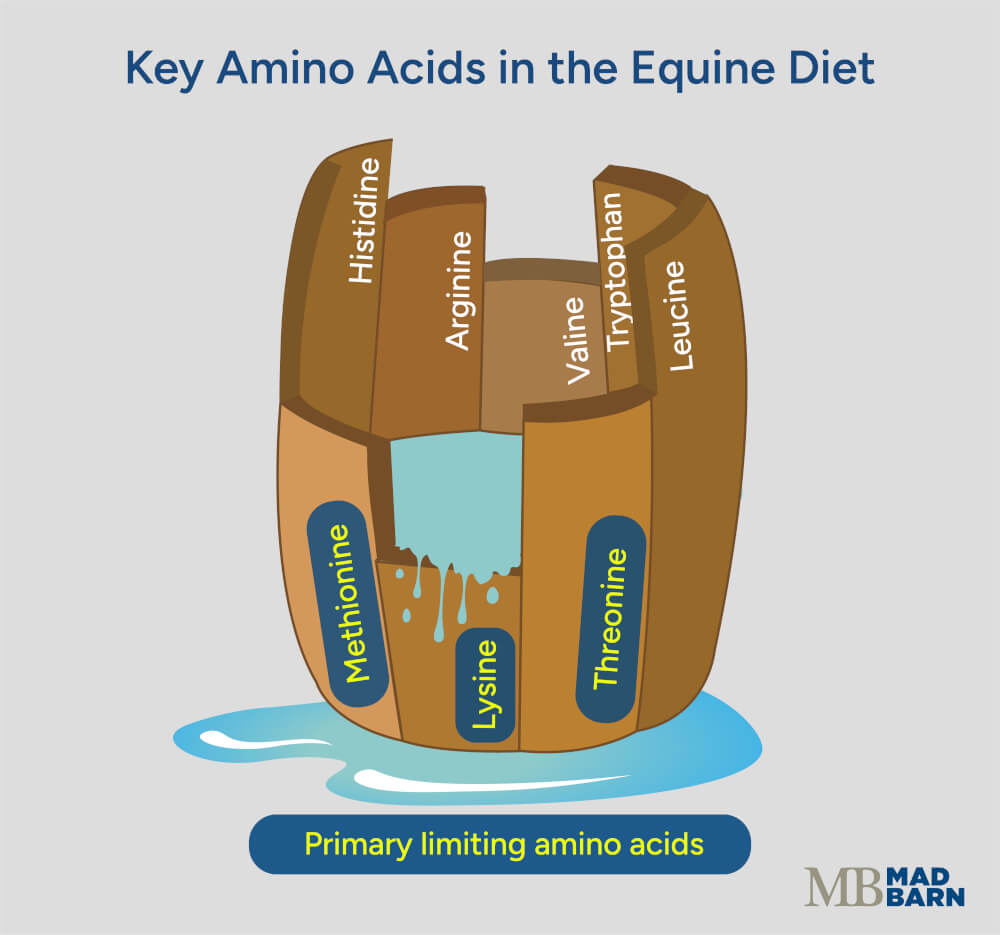 Illustration: Dr. Ana Mesa, PhD
The analogy illustrates that the body’s usable pool of amino acids — and consequently, its ability to synthesize proteins — is limited by the amino acid in shortest supply. To increase the availability of amino acids for protein synthesis, the first limiting amino acid must be supplemented to meet the horse’s nutritional needs.
For this reason, horses require a diet that provides adequate amounts of lysine, as well as other limiting amino acids like threonine and methionine.
A horse’s diet may provide enough total protein but still lack sufficient amounts of essential amino acids like lysine. Without adequate lysine, the horse’s body cannot effectively utilize the protein in its diet, possibly leading to signs of protein deficiency despite adequate overall intake.
In such cases, supplementing directly with lysine, methionine and threonine is a more targeted way to meet the horse’s nutritional needs.
Protein Digestibility
An important consideration when selecting protein sources for horses is their digestibility, which indicates the proportion of amino acids that can be effectively broken down, absorbed, and utilized by the horse’s body. Highly digestible protein sources ensure that the horse can utilize the essential amino acids in the forage or feed.
If a feed is low in limiting amino acids or has low protein digestibility, the diet may fail to provide enough of these essential nutrients, even if the total protein content is sufficient.
Most forages have a protein digestibility of around 70%, which means 70% of the total protein present in the forage is digested in the foregut and available for absorption by the horse. [1] The remaining protein moves to the hindgut, where it can be used by microbes to support metabolic processes, but is not directly available to the horse for protein synthesis.
In contrast, grains generally have higher protein digestibility. For instance, corn has a protein digestibility of 98%, and oats are 89% digestible. These grains are efficiently broken down in the small intestine, releasing their proteins and amino acids for absorption.
Similarly, soybean meal is highly digestible in the horse’s foregut, with a digestibility of 92%.
Protein Sources for Horses
The protein content of the equine diet can vary greatly depending on what forages and other feeds are being fed. In general, protein should account for roughly 10 – 14% of the total diet.
Below we discuss the uses and benefits of several commonly used protein sources in equine diets.
Pasture
Grass pasture is a rich source of dietary protein, typically containing 16 – 28% crude protein on a dry matter basis. Additionally, pasture is abundant in the amino acids phenylalanine, leucine, and valine. [1][2]
The protein content of a pasture can vary based on several factors, including the grass species, fertilization practices, and the maturity of the grass at the time of grazing. [1]
While pasture is often overlooked when planning a horse’s diet, it is one of the most convenient and cost-effective sources of protein available.
However, pasture grazing may not be suitable for horses with equine metabolic syndrome or pasture-associated laminitis, particularly in the spring and fall.
Grass Hay
Grass hay has highly variable protein content, largely influenced by its maturity at cutting. Less mature grass hays can contain 17 – 19% protein, while more mature hays may have as little as 5% protein. [1]
Because of this variability, it is critical to submit a hay sample for analysis to determine whether your hay will meet your horse’s protein needs.
Although grass hay is not a concentrated protein source, the average grass hay is sufficient to meet the protein needs of most mature horses at maintenance or in moderate exercise. However, it may not provide adequate amounts of limiting amino acids, such as lysine. These amino acids may need to be supplemented to ensure your horse is meeting their needs.
Alfalfa Hay
Alfalfa is one of the most common sources of protein for horses. Like other legume hays, alfalfa is a rich source of branched chain amino acids, particularly valine and leucine.
The protein content of alfalfa hay typically ranges from 18 – 24%, making it a good forage source for growing and exercising horses, as well as pregnant and lactating mares. [13] It is often available in pellets or cubes, which is convenient for horses with dental issues or who don’t otherwise have access to alfalfa hay.
However, due to its high energy and protein density, alfalfa should be used sparingly in the diets of idle horses and those in lighter exercise loads.
Additionally, alfalfa is not typically recommended as the sole forage source for horses. It is best fed in combination with grass hay to balance the overall nutrient profile of the horse’s diet.
Soybeans
Soybean meal is a widely used protein source in concentrate feeds. Soybeans are available as whole roasted beans or as soybean meal and can typically be purchased from feed mills that produce horse feeds.
With a protein content of 44 – 48%, soybeans are an excellent choice for horses with higher protein requirements, such as mares in late pregnancy or early lactation, and growing horses.
Flaxseed Meal
Flaxseed meal (linseed meal) contains approximately 33% protein, making it another option for supplementing protein in the diet. It is particularly rich in key amino acids such as arginine, isoleucine, phenylalanine, and valine. [1]
Ground flax can also be used to increase protein intake and as a fat source for energy. However, because of its high fat content, ground flax turns rancid easily if stored for an extended period.
Peas
Peas, containing approximately 25% crude protein, and pea protein isolates, with about 58% crude protein, are excellent sources of dietary protein.
While pea protein isolate is not typically fed as a standalone supplement, it is often included in commercial feeds as a concentrated protein source to help meet the nutritional needs of horses.
Grains
Cereal grains may have lower protein content compared to other feeds on this list, but they still contribute valuable protein to the diet.
Oats contain approximately 13 – 14% protein, while barley has about 12% protein. These grains are commonly included in concentrate feeds.
Amino Acid Supplements
Amino acid supplements deliver individual amino acids rather than whole proteins, making them ideal for horses with low protein intake. These supplements ensure the horse’s essential amino acid requirements are met without adding excess crude protein to the diet.
Mad Barn’s Three Amigos is a pure essential amino acid supplement with no fillers or additives. Each serving of Three Amigos provides the three most commonly deficient amino acids in equine diets: 10 grams of lysine, 6 grams of methionine, and 4 grams of threonine.
Protein Deficiency & Excess
Providing the right amount of protein in your horse’s diet is essential for supporting muscle function, growth, tissue repair, maintenance, and overall health and performance.
Imbalances can occur when the protein in a horse’s diet is either insufficient, excessive, or lacks optimal composition of essential amino acids.
While the effects of protein deficiency are well-documented, research on protein overconsumption in horses is limited. However, our research indicates that the vast majority of equine diets provide too much protein relative to NRC requirements.
Protein & Amino Acid Deficiency
Protein deficiency occurs when dietary nitrogen intake is too low, limiting the horse’s ability to produce non-essential amino acids needed for protein synthesis. In contrast, amino acid deficiency arises when specific essential amino acids are lacking in the diet.
Both conditions ultimately impair the horse’s ability to synthesize proteins and maintain healthy tissues, leading to a range of issues.
Signs of protein or amino acid deficiency in horses include: [2][14][15][16]
- Muscle loss
- Poor hoof and coat quality
- Pregnancy loss in mares
- Delayed return of ovulation in mares
- Low milk production in lactating mares
- Slow growth in foals
Protein & Amino Acid Excess
Although research on excessive protein consumption in horses is limited, recent findings suggest that overfeeding protein may not be ideal for some horses and can pose health and environmental concerns.
When excess protein is consumed, the horse’s body breaks it down and excretes it in the urine as urea. This process leads to increased water loss through urination, increasing water requirements and putting the horse at greater risk of dehydration. [2]
Additionally, higher ammonia excretion from excess protein can negatively affect air quality and worsen respiratory issues in horses confined to stalls. [17]
While high protein intake is generally not harmful for healthy horses, certain conditions warrant careful monitoring of protein levels. For instance: [18]
- Horses with kidney disease should avoid excess protein to reduce stress on the kidneys
- Metabolic horses may experience negative effects on insulin dynamics after consuming a high-protein meal
Protein supplementation is often sought to improve topline or encourage muscle gain, but the reality is that many equine diets already oversupply protein. [19] Feeding protein far beyond requirements does not result in additional muscle gain or topline improvement.
Instead, diets for horses with poor topline should focus on providing all essential amino acids in appropriate amounts. It’s also important for the overall diet to be balanced with correct levels of vitamins and minerals to support muscle development.
If you’re unsure whether your horse’s diet is meeting their protein requirement, you can submit their information online for a free consultation with our qualified equine nutritionists. A nutritionist can help you formulate a balanced feeding program with adequate high-quality protein sources to support your horse’s unique needs.
Frequently Asked Questions
Here are answers to common questions about protein in the equine diet:
A horse’s protein requirement depends on body weight, age, reproductive status, and workload. As a general guideline, a 500 kg (1,100 lb) adult horse at maintenance requires about 630 g of protein per day, with higher needs for pregnancy, lactation, growth, and heavy exercise. Most mature horses meet their protein needs from forage alone, especially when consuming adequate amounts of good-quality hay or pasture.
Forage is the primary protein source for most horses. High-quality pasture and early-cut grass hay provide more digestible protein than mature hay. When additional protein or amino acids are needed, common options include alfalfa, soybean meal, and commercial feeds formulated for growth or lactation. For targeted support without adding excess crude protein, essential amino acid supplements can help correct imbalances in limiting amino acids.
Crude protein is an estimate of total protein content based on the nitrogen level in the feed. It does not indicate protein quality or whether the feed provides enough essential amino acids such as lysine. Two feeds with the same crude protein percentage can differ in how digestible the protein is and how well the amino acid profile matches a horse’s requirements.
Hay protein content varies widely depending on plant species and maturity at harvest. The most reliable way to assess protein quantity and quality is through a forage analysis. This analysis can determine crude protein content and digestibility using indicators such as ADIP and NDIP. Some analyses will also provide amino acid values such as lysine.
Signs that a horse is not getting enough protein in the diet can include loss of topline muscle, poor performance, poor coat and hoof quality, slow growth in young horses, and reduced milk production in lactating mares. Similar signs can also occur with other nutritional deficiencies or underlying disease, so a diet evaluation is important before adding supplements.
Yes, excess protein is broken down and excreted as urea in urine, which increases water loss and ammonia production in the stall environment. Overfeeding protein does not improve muscle gain when essential amino acids and overall diet balance are already adequate, and it can be a concern for horses with kidney disease or in hot weather when hydration is critical.
The best protein supplement for horses is one that provides a balanced profile of essential amino acids. This can include high-quality commercial feeds or high-protein concentrates such as alfalfa or soybean meal when overall protein intake is insufficient. However, many horses already receive adequate crude protein from forage alone. In these cases, performance and muscle development are more effectively supported by targeted supplementation of limiting amino acids, such as lysine, methionine, and threonine, rather than by adding more total protein to the diet. Mad Barn’s Three Amigos is a pure amino acid supplement that provides concentrated amounts of the limiting amino acids most important for protein synthesis in the horse’s body.
Summary
Protein is an essential nutrient in the equine diet, supporting key functions such as muscle health, growth and development, hoof and coat quality, immune defense, performance, and overall well-being.
- Idle horses and those in light to moderate exercise often meet their protein needs with good-quality hay alone
- Mares in late pregnancy, early lactation, growing horses, and exercising horses may require additional dietary protein to support their increased needs
- Highly digestible protein sources, such as soybean meal, linseed meal, and alfalfa forage, are excellent options for horses with higher protein requirements
- An amino acid supplement like Three Amigos can benefit horses with high protein demands or those on low-protein diets
References
- Geor, R.J. et al. Chapter 6: Amino Acids and Protein. Equine Applied and Clinical Nutrition: Health, Welfare and Performance. 2013.
- National Research Council. Chapter 4: Proteins and Amino Acids. Nutrient Requirements of Horses. 2007.
- Ott, E.A. et al. Influence of Protein Level and Quality on the Growth and Development of Yearling Foals. JAS. 1979.
- Ott, E.A. et al. Lysine Supplementation of Diets for Yearling Horses. JAS. 1981. View Summary
- Hintz, H.F. et al. Comparison of a Blend of Milk Products and Linseed Meal as Protein Supplements for Young Growing Horses. JAS. 1971. View Summary
- Saastamoinen, M.T. and E. Koskinen Influence of quality of dietary protein supplement and anabolic steroids on muscular and skeletal growth of foals. Animal Science. 1993.
- Yoakam, S.C., et.al. Effect of Protein Level on Growth in Young Ponies. JAS. 1978. View Summary
- Glade, M.J. et al. Dietary protein in excess of requirements inhibits renal calcium and phosphorus reabsorption in young horses. Nutrition Reports International. 1985.
- Graham-Thiers, P.M., et. al. Dietary protein influences acid-base responses to repeated sprints. EVJ. 1999.
- Essen-Gustavsson, B. et al. Effects of crude protein intake from forage-only diets on muscle amino acids and glycogen levels in horses in training. EVJ. 2010.
- Graham-Thiers, P.M. and D.S. Kronfeld. Dietary protein influences acid-base balance in sedentary horses. JEVS. 2005.
- Glade, M.J. and N.K. Luba. Benefits to foals of feeding soybean meal to lactating broodmares. JEVS. 1990.
- Equi-Analytical Feed Composition Library. Accessed Feb 27, 2023.
- Van Niekerk, F.E. and Van Niekerk, C.H. The effect of dietary protein on reproduction in the mare. III. Ovarian and uterine changes during the anovulatory, transitional and ovulatory periods in the non-pregnant mare. Journal of the South African Vet Association. 1997.
- Van Niekerk, F.E. and Van Niekerk, C.H. The effect of dietary protein on reproduction in the mare. II. Growth of foals, body mass of mares and serum protein concentration of mares during the anovulatory, transitional and pregnant periods. Journal of the South African Vet Association. 1997.
- Martin, R.G. et al. Effects of a protein deficient diet and urea supplementation on lactating mares. Journal of Reproduction and Fertility. 1991. View Summary
- Weir, J., et.al. Characterizing ammonia emissions from horses fed different crude protein concentrations. JAS. 2017. View Summary
- Loos, C.M.M. et al. A high protein meal affects plasma insulin concentrations and amino acid metabolism in horses with equine metabolic syndrome. The Veterinary Journal. 2019. View Summary
- Latham, C.M., et. al. A survey of North American horse diets: What are we missing?. JEVS. 2023.