English










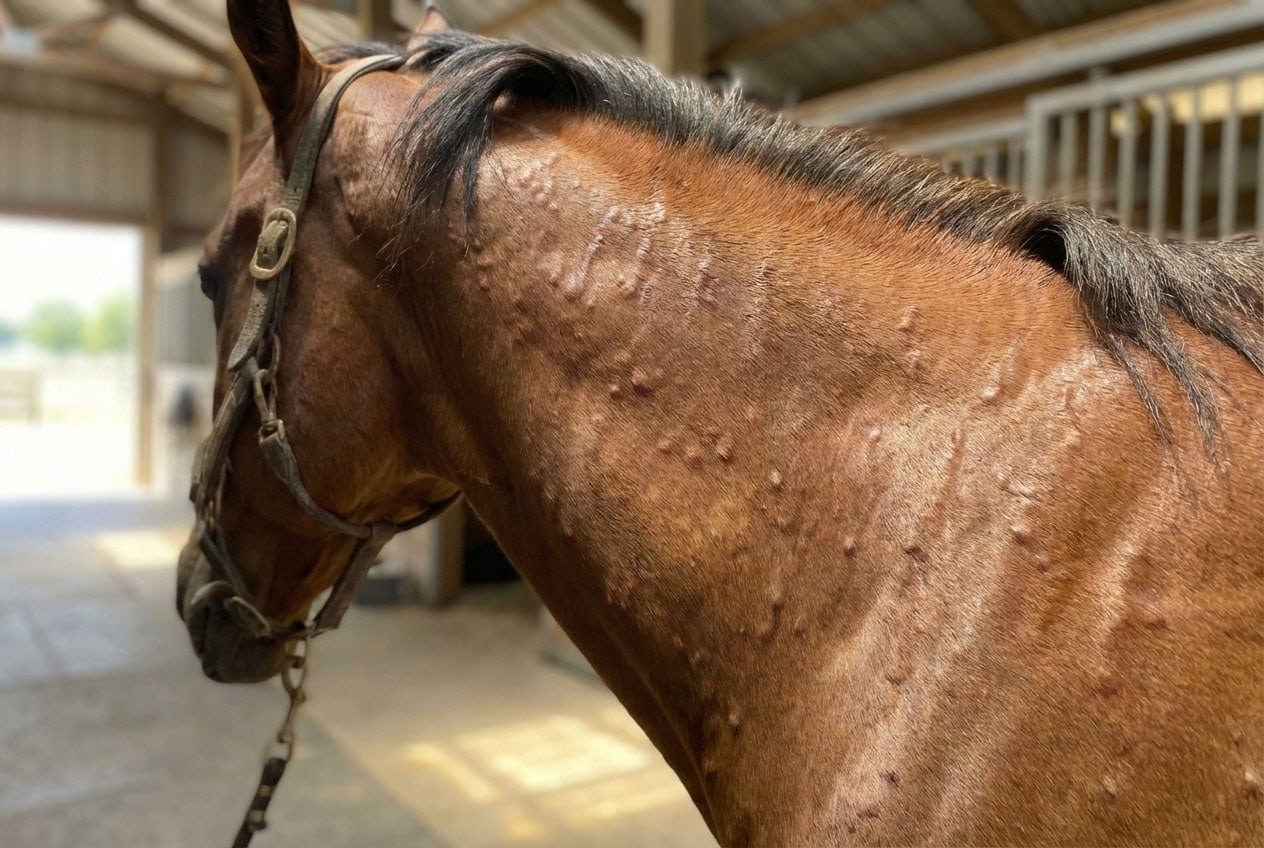
Raised bumps on a horse’s skin, often appearing as red, itchy, or swollen areas, are commonly described as hives, wheals, or urticaria. Although the terminology varies between veterinarians, owners, and riders, all three terms refer to the same underlying physiological reaction involving fluid accumulation in the skin. [1][2]
“Hives” is the most commonly used term among horse owners, while a “wheal” refers to an individual raised lesion. “Urticaria” is the medical term for hives and is frequently used in veterinary records and diagnostic reports. Despite these differences in language, the condition being described is the same. [1][2]
Raised bumps on a horse’s skin are not a disease but a visible sign that the immune system has responded to a trigger. Potential triggers are varied and may include feeds or supplements, medications and vaccines, insect bites, environmental allergens, or direct contact with irritating substances. [1][2]
Understanding what hives and wheals are and how to recognize them is important for accurate observation and appropriate management. The sections below explain how these raised skin reactions typically appear, how they differ from similar conditions, common underlying causes, and the approaches veterinarians use to manage affected horses.
Raised Bumps on a Horse’s Skin
Raised bumps on a horse’s skin often appear suddenly and may feel soft, puffy, or uneven when touched. These swellings result from fluid accumulating within the skin and can vary in size from small, isolated bumps to larger, irregular patches. They are commonly observed along the neck, shoulders, back, flanks, or legs.
The term “wheals” is often used to describe small, isolated bumps, while “hives” is typically reserved for larger or more widespread outbreaks. Both describe a rapid accumulation of fluid in the skin leading to raised, dome-shaped lesions.
Some horses show little discomfort, while others may rub, scratch, or bite at affected areas. The bumps may change in size, shape, or location over the course of hours and may resolve quickly once the triggering factor is removed or the immune response settles.
In more severe cases, raised bumps may be accompanied by deeper swelling of the skin and underlying tissues, known as angioedema. This can involve the face, eyelids, throat, limbs, or underside of the body and may interfere with breathing, vision, or movement. Angioedema requires immediate veterinary attention. [3][4]
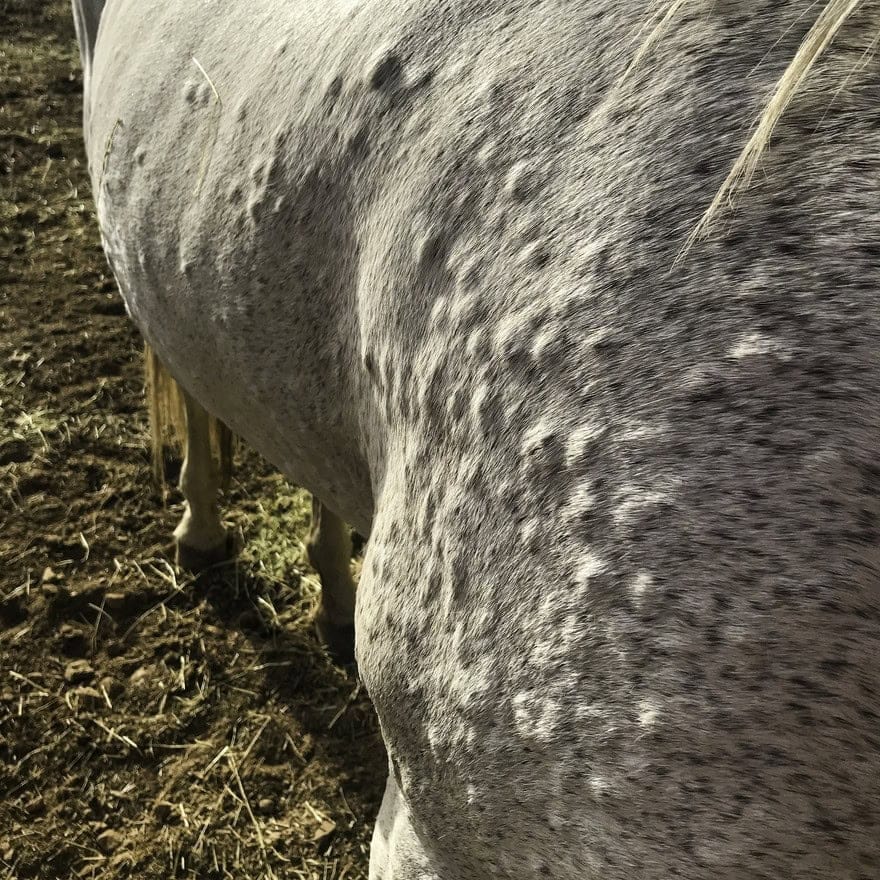
Identifying Hives & Wheals in Horses
Raised bumps on a horse’s skin are one of the most recognizable signs of hives. Although the terminology used to describe this reaction may vary, the clinical presentation is generally consistent. These bumps often appear suddenly and may affect a single area or multiple regions of the body at the same time.
Recognizing the typical characteristics of raised bumps caused by hives helps distinguish them from other skin conditions that can look similar.
Key features commonly associated with hives-related skin bumps include: [3][4]
- Appearance: Raised, dome-shaped swellings that may range from small, isolated bumps to larger, irregular, or linear patches.
- Color: Usually red or pink skin, though the center of a swelling may appear pale or whitish.
- Itching or discomfort: Some horses scratch, rub, or bite at affected areas, while others show minimal outward signs.
- Common locations: Neck, shoulders, back, flanks, eyelids, and legs. These areas are frequently involved due to insect exposure, tack contact, or environmental factors.
- Rapid onset: Raised bumps associated with hives often appear abruptly, sometimes within minutes to hours of exposure to a trigger.
- Duration: Individual bumps may fade within hours, although new swellings can continue to appear over several days.
- Severe reactions (angioedema): Deeper swelling involving the face, throat, limbs, or underside of the body. These reactions can interfere with breathing, vision, or movement and are considered medical emergencies.
Early recognition of these signs is essential. Owners should monitor the size, shape, distribution, and number of lesions, as well as any associated behavior changes.
Keeping detailed notes on when and where hives or wheals appear can help identify potential triggers and provide useful information for veterinary assessment.
What's your top priority with your horse's health?

Enter your email to receive your store credit
Similar Conditions
Not all raised, red, or itchy patches on a horse’s skin are caused by hives or wheals. Several other conditions can produce similar lesions, which makes accurate diagnosis dependent on professional veterinary assessment.
Because these conditions can appear similar in their early stages, visual inspection alone is not sufficient to determine the underlying cause. Misidentification may lead to inappropriate management or delayed veterinary care. [7]
Recording when lesions appear, how quickly they change, where they are located, and whether other signs such as itching, swelling, or behavioral changes are present provides essential information for veterinarians. Photographs and written logs can support accurate diagnosis and guide appropriate treatment decisions.
Insect Bite Hypersensitivity (Sweet Itch)
Horses with hypersensitivity to biting insects, such as midges or flies, may develop chronic, intensely itchy lesions. These lesions are often concentrated along the mane, tail, and ventral midline.
Repeated scratching can cause hair loss, crusting, and secondary infections. [8][9]
Unlike acute hives, sweet itch lesions tend to persist or recur seasonally. [8][9]
Dermatophilosis (Rain Scald)
This bacterial infection can create crusty, scabbed lesions that may resemble clusters of small hives. Lesions often start out moist or weeping and usually occur on the back, neck, or pasterns, especially in wet or damp conditions. [10]
Dermatophilosis is infectious and requires targeted antibacterial treatment, unlike allergic hives. [10]
Fungal or Yeast Infections
Ringworm and other fungal infections can produce raised, circular patches that might initially be mistaken for wheals.
Affected areas often lack hair and may persist for weeks if untreated. These lesions are slow to resolve compared to typical hives and are usually contagious to other animals. [11][12]
Contact Dermatitis
Direct contact with irritants, including shampoo, chemicals, or bedding, can produce localized swelling, redness, or itching.
These lesions may appear similar to hives or cause hives, but are typically restricted to the area of exposure and called contact dermatitis. Identifying the offending substance is key to management. [13]
Parasites
Infestations with mites, lice, or ticks can cause localized irritation and raised bumps, often accompanied by hair loss, crusting, or scabs.
Lesions typically appear in areas preferred by the parasites, such as the mane, tail, or head. Unlike hives, parasite-related lesions may persist until the infestation is treated. [14]
Physical Trauma or Pressure
Repeated rubbing, tack pressure, or minor injuries can produce swelling or welts that resemble wheals. These lesions are usually localized and directly correspond to the site of trauma rather than appearing suddenly across multiple areas.
Autoimmune Skin Disorders
Less commonly, autoimmune conditions such as pemphigus or immune-mediated dermatitis may create lesions resembling hives. These tend to be chronic, sometimes ulcerated, and may involve multiple areas, requiring veterinary diagnosis and specialized treatment. [15][16][17]
Causes of Hives (Wheals)
Because horses encounter a wide range of environmental exposures, the underlying cause of hives is not always immediately apparent.
Reactions may be tied to something the horse ate, inhaled, touched, or was bitten by, and more than one factor can contribute at the same time.
Keeping track of when hives occur, such as after a diet change, a new medication, or turnout in a different pasture, can help narrow down likely triggers and guide prevention strategies.
Common triggers include: [4][7]
- Drugs and Medical Treatments: Antibiotics, hormones, vaccines, post-infectious reactions such as purpura hemorrhagica or cutaneous vasculitis.
- Feed and Dietary Triggers: Wheat, oats, barley, bran, soy, potatoes, beet pulp, clover, nutritional supplements, and dust from feed.
- Environmental Allergens: Dust, molds, pollens, feathers can cause skin reactions in sensitive horses.
- Insects and Parasites: Fly bites, mosquitoes, midges (Culicoides spp.), mites (Trombicula spp.), chronic parasitic infections such as onchocerciasis.
- Contact and Topical Triggers: Chemicals, certain plants such as nettles or Euphorbia, topical drugs, and photosensitization.
Veterinary Care
Owners should seek veterinary attention for raised bumps on their horse’s skin if any of the following conditions are met:
- Lesions appear suddenly and spread rapidly
- Swelling involves the face, throat, or limbs
- The horse shows signs of severe itching or discomfort
Reactions that are recurrent, persistent, or unusually severe also warrant veterinary evaluation.
A veterinarian can provide an accurate diagnosis, distinguish hives from other skin conditions, and recommend appropriate treatment.
Early intervention is particularly important in cases of angioedema, as prompt care can prevent complications and ensure the horse’s comfort and safety.
Diagnosis
Accurate diagnosis focuses on confirming that raised lesions are true hives or wheals and differentiating them from other conditions. Veterinarians typically use a combination of physical examination, history, and testing: [4]
- Physical Examination: Evaluates size, shape, color, texture, and distribution of lesions. The horse is observed for signs of discomfort or systemic involvement, such as swelling of the face or limbs.
- History: Reviews recent feed changes, medication administration, tack usage, and environmental exposure to potential irritants or insects.
- Allergy Testing: For recurrent or severe reactions, veterinarians may recommend intradermal testing (small allergen injections into the skin) or serum testing (blood tests for allergen-specific antibodies).
- Documentation: Maintaining a log of episode onset, location, severity, duration, and potential triggers helps identify patterns and informs management strategies.
Management & Treatment
Management of raised bumps on a horse’s skin focuses on addressing the horse’s inflammatory response and minimizing complications.
Treatment is directed at reducing swelling and discomfort while monitoring for progression, particularly in cases where deeper tissue swelling or systemic involvement may occur. [4]
Immediate Care
Begin by removing the horse from potential triggers contributing to hives, including biting insects, new feeds, or environmental irritants.
Cooling the affected areas with water or cold compresses can help reduce swelling and soothe itching.
Prevent scratching or rubbing as much as possible, as this can worsen lesions or introduce infection.
Medication
Mild, localized swellings often respond to veterinarian-approved antihistamines. More severe or widespread reactions may require corticosteroids, always under veterinary supervision.
Treatment decisions depend on the horse’s overall health, severity of the reaction, and whether angioedema is present.
Monitoring
Close observation is important for timely intervention. Track the size, density, and location of lesions, and note any changes in behavior that may indicate discomfort.
Horses with angioedema affecting the face, throat, or limbs require immediate veterinary attention to prevent breathing or mobility issues.
Address Underlying Causes
Preventing future episodes involves identifying and managing triggers. Minimize insect exposure, adjust feed or supplements if they appear to be causing reactions, and maintain detailed records of the horse’s environment, diet, and activity.
These logs help veterinarians identify patterns and create effective long-term management plans.

Prevention
Preventing hives or wheals involves reducing exposure to triggers and maintaining skin health.
Preventive measures for skin irritations include: [3][4]
- Insect Control: Fly sheets, masks, repellents, and turnout timing. Remove standing water to reduce insect breeding.
- Environmental Management: Keep stalls clean and dry, minimize dust and mold, and change bedding regularly.
- Feed Management: Introduce feed gradually and avoid moldy or allergenic ingredients.
- Routine Grooming and Tack Hygiene: Detect early lesions, reduce friction, and keep equipment clean.
- Documentation: Record all lesions, triggers, and timing to aid in prevention and treatment planning.
Prognosis
Most hives and wheals in horses are mild and self-limiting, often resolving within hours without treatment.
However, in rare cases, severe allergic reactions can escalate to anaphylaxis, a life-threatening condition requiring immediate veterinary intervention. [18]
Horses with recurrent or severe reactions may need ongoing management and preventive strategies to reduce exposure to triggers and maintain skin health.
With careful monitoring, attention to environmental and dietary factors, and veterinary guidance as needed, horses can thrive comfortably while minimizing the risk of future outbreaks. [3][4]
Frequently Asked Questions
Here are some frequently asked questions about raised bumps on a horse's skin:
Raised bumps on a horse's skin most often indicate a localized inflammatory or allergic reaction, such as hives. These swellings occur when fluid accumulates within the skin and may appear suddenly. However, raised bumps can also be caused by other skin conditions, which is why veterinary assessment is important for accurate diagnosis.
Raised skin swellings may be associated with exposure to allergens or irritants, including insect bites, environmental allergens, certain feeds or supplements, medications, vaccines, or direct contact with irritating substances. In some cases, more than one factor may contribute to a single episode.
Wheals appear as round or irregularly shaped, raised swellings on the skin. They usually have distinct edges, feel slightly firm or puffy to the touch, and can vary widely in size, from small bumps to larger patches. The hair often stands up over the swollen area, making the lesions easier to see, and the skin may feel warm but is not typically painful. [3][4]
The most common cause of hives in horses is an allergic reaction. Triggers may include insect bites, pollens, molds, certain feeds or supplements, medications, or contact with irritating substances in the environment. In many cases, the exact trigger is not identified, but immune system activation is responsible for the reaction. [4][7]
Yes, wheals often resolve without treatment once the immune response subsides or the triggering factor is removed. Mild cases may disappear within hours, while more extensive reactions can persist for one to two days. Swelling that is severe, progressive, or involves the face or throat should be evaluated by a veterinarian promptly.
Yes, hives and wheals describe the same type of skin reaction. "Hives" is the term most commonly used by horse owners, while "wheals" is a more clinical description referring to individual raised lesions. Both result from fluid leaking from small blood vessels in the skin during an inflammatory response.
Management may include removing suspected triggers, cooling affected areas, and preventing rubbing or scratching. When medication is required, veterinarians commonly prescribe antihistamines or, in more severe cases, corticosteroids. Owners should always consult a veterinarian before administering any medication, as treatment depends on the horse's health and the severity of the reaction. [4]
Summary
Raised bumps or swellings on a horse's skin are commonly caused by hives, a rapid inflammatory reaction in which fluid accumulates within the skin in response to immune system activation.
- Lesions typically appear as raised, round or irregular bumps that may be red, itchy, or uncomfortable and often develop very quickly
- Several other skin conditions can resemble hives, including sweet itch, rain scald, fungal infections, contact dermatitis, parasites, trauma, and autoimmune disorders
- Diagnosis depends on a thorough physical exam, a detailed history, and in some cases allergy testing, supported by clear documentation from the owner
- Management focuses on removing potential triggers, reducing inflammation, monitoring the progression of swellings, and using antihistamines or corticosteroids when appropriate
- Prevention involves strong insect control, clean and low-dust environments, careful feed changes, and keeping records to identify patterns in horses prone to recurrent reactions
References
- Sauvé. F. Can Equine Urticaria Be Cured?. The Canadian Veterinary Journal. Canadian Veterinary Medical Association. 2020.
- Diesel. A. Equine Urticaria: A Clinical Guide to Management. In Practice. 2014.
- Heinrich. N. A. and Boyle. A. G. Urticaria (Hives, Wheals) in Animals - Integumentary System. Merck Veterinary Manual. 2024.
- Marsella. R. et al. Urticaria/Angiedema in Horses (Equis). Vetlexicon.
- Hives. Oxford English Dictionary Online. 2025.
- Wheal. Oxford English Dictionary Online. 2025.
- Eaton. S. Management of Equine Dermatological Allergies: A Review of Conventional and Complementary Therapies. American Journal of Traditional Chinese Veterinary Medicine. 2024.
- Schaffartzik. A. et al. Equine Insect Bite Hypersensitivity: What Do We Know?. Veterinary Immunology and Immunopathology. 2012.
- Wilson. A. D. Immune Responses to Ectoparasites of Horses, with a Focus on Insect Bite Hypersensitivity. Parasite Immunology. 2014.
- Awad. W. et al. Diagnosis and Treatment of Bovine, Ovine and Equine Dermatophilosis. J Appl Sci Res. 2007.
- Cafarchia. C. et al. Fungal Diseases of Horses. Veterinary Microbiology. 2013.
- Maurice. M. N. et al. Equine Dermatophytosis: A Survey of Its Occurrence and Species Distribution among Horses in Kaduna State, Nigeria. Scientifica. 2016.
- Marsella. R. and Senter. D. Skin: Contact Dermatitis in Horses (Equis). Vetlexicon.
- Reichard. M. V. and Thomas. J. E. Mange (Acariasis, Mange Mites) in Horses. Merck Veterinary Manual. 2024.
- Lefrançois. J. and Sauvé. F. Overview of the Diagnosis and Treatment of Autoimmune Skin Disorders in Horses. The Canadian Veterinary Journal. 2024.
- Coyne. C. et al. Immune-Mediated Disease: Overview in Horses (Equis). Vetlexicon.
- Rosenkrantz. W. Immune-Mediated Dermatoses. The Veterinary Clinics of North America. Equine Practice. 2013.
- Coyne. C. et al. Anaphylaxis in Horses (Equis). Vetlexicon.