English
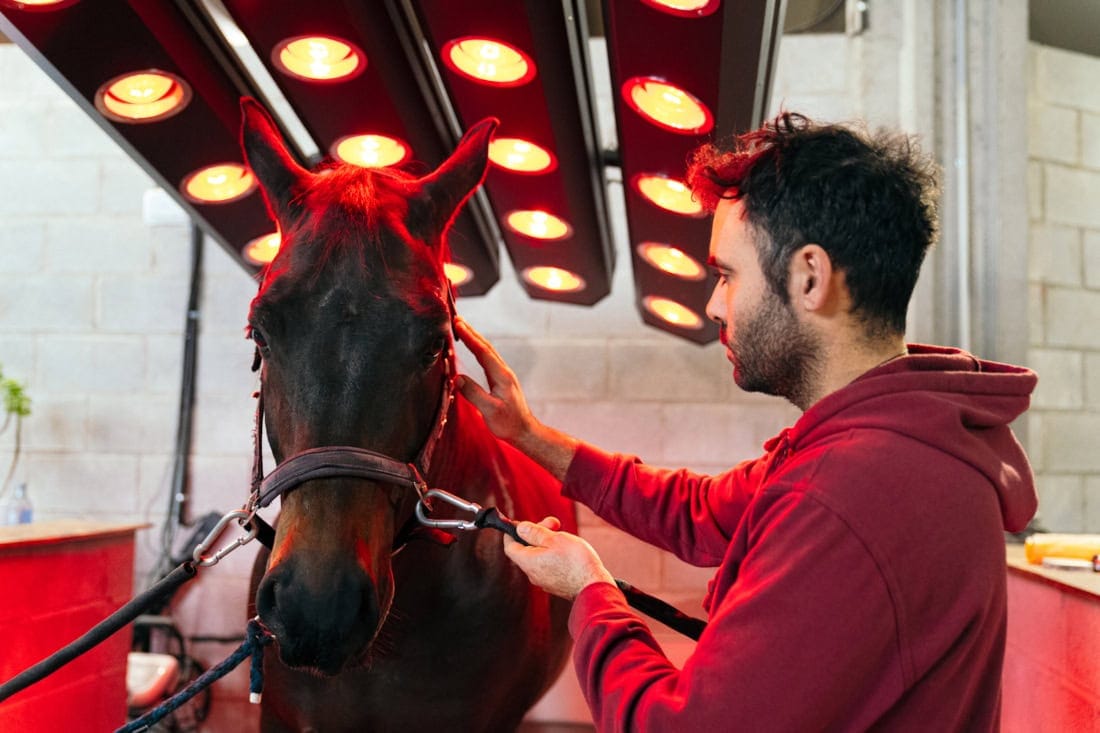
Red light therapy has become an increasingly popular treatment option for managing pain, inflammation, and muscle recovery in horses. This non-invasive technology is purported to optimize recovery times, promote healing, and enhance outcomes in equine rehabilitation.
Red light therapy, or photobiomodulation (PBM), involves exposing cells to specific wavelengths of light, most commonly red and near-infrared (NIR) light, to encourage natural cellular functions. Proponents of this modality claim it can improve blood circulation, reduce oxidative stress, and aid in tissue repair.
Despite these promising claims, the scientific evidence supporting red light therapy in horses remains limited. As a result, most experts recommend viewing red light therapy as a complementary or investigational option rather than a proven stand-alone treatment, emphasizing the importance of further research to determine its effectiveness and best practices in equine care.
Photobiomodulation for Horses
Photobiomodulation (PBM), also known as low-level laser therapy (LLLT), cold laser therapy, or red light therapy, is a form of light-based therapy that involves direct exposure to specific wavelengths of light. [1][2]
PBM therapy employs red (630 nm wavelength) and near-infrared (NIR, 760–1,400 nm wavelength) light to penetrate tissues at varying depths. Red light primarily affects surface tissues, while NIR light targets deeper tissues such as muscles and joints. [1][2]
For surface issues, red light wavelengths (630 nm) are usually employed to improve healing in conditions such as wounds, bruising, or minor skin irritations. Other health issues, such as tendon, ligament, and joint issues, may benefit from the deeper penetration of NIR light (760–1,400 nm). [1][2]
Photobiomodulation (PBM) therapy is proposed to work by using targeted light to activate the mitochondria in the treatment area, increasing the production of ATP (adenosine triphosphate), which serves as the cell’s primary energy source. The increase in ATP levels is purported to enhance cellular repair, reduce inflammation, and improve circulation, which may aid pain relief, injury recovery, and overall cell metabolism. [1][2]
Currently, evidence supporting the efficacy of red light therapy is emerging in both human and equine medicine. However, further research is needed to fully understand its potential as a rehabilitation modality and to confirm its proposed effects on cell metabolism.
Red Light Therapy Applications
While scientific evidence supporting the efficacy of PBM therapy in horses is lacking, its non-invasive nature is appealing to many owners and caretakers. Since red light exposure is considered relatively low-risk, equine rehabilitation veterinarians have started using it as an adjunct treatment with other physiotherapy modalities. [1][2]
Potential applications of PBM in horses include: [1][2]
- Pain relief
- Injury recovery
- Performance recovery
It’s important to note most veterinarians do not recommend using red light therapy as a stand-alone treatment. While this modality may support overall treatment outcomes, it should only be used alongside established, validated medical protocols.
Pain Relief & Inflammation Reduction
Horses, particularly performance or aging horses, often suffer from chronic pain and inflammation due to conditions such as chronic pain, arthritis, or past injuries. Red light therapy is believed to offer pain relief, anti-inflammatory effects, and could potentially reduce the reliance on medication. [3][4]
Furthermore, if red light therapy does indeed enhance circulation and decrease oxidative stress, these physiological changes could promote overall tissue recovery and healing. [3][4][5] More research is required to confirm these effects.
Injury Recovery
Red light therapy could help reduce healing times in soft-tissue injuries by promoting faster cellular repair. It may be useful in cases of ligament, tendon, or muscle strain, as it is believed to help horses return to peak performance more quickly and effectively. [4][6]
Some of the most common injuries that may benefit from red light therapy include muscle sprains, tendon tears, and bruising. [4][6]
Performance Maintenance & Muscle Recovery
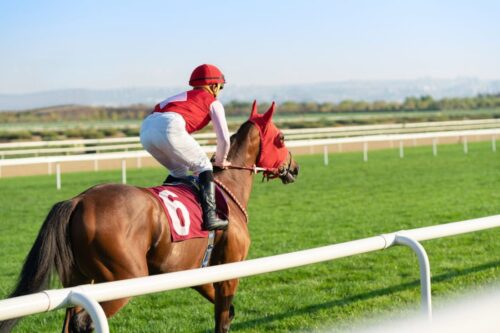
For equine athletes, regular red light sessions could act as preventive maintenance by supporting muscle recovery and reducing post-activity stiffness. [3][4] Horses involved in high-impact sports, including show jumping, racing, and dressage, experience significant strain on their muscles and joints.
Since red light therapy may improve overall circulation in the treatment area, some owners and trainers use it as part of a post-workout regimen to support recovery in major muscle groups.
What's your top priority with your horse's health?

Enter your email to receive your store credit
Specific Conditions
Red light therapy has been suggested as a possible supportive treatment for both acute and chronic conditions. Some preliminary findings indicate that it might aid in the repair of tendon and ligament injuries, help manage arthritis, and potentially enhance wound healing. However, the evidence is still emerging, and more research is needed to fully understand its benefits.
While many veterinarians consider red light therapy low-risk due to its non-invasive nature, it is important to note that standardized, validated protocols are not yet established. This treatment should not be relied upon as a sole intervention for any specific medical condition.
Tendon & Ligament injuries
Horses, especially those in performance disciplines, are susceptible to tendon and ligament injuries due to the stress placed on these tissues during exercise. These injuries can be challenging to manage due to the delicate structure of the affected areas, limited blood supply, and long recovery times.
As a complementary approach to standard treatments, red light therapy is sometimes employed with the goal of promoting cellular repair and reducing inflammation in the affected areas. [3]
Arthritis & Joint conditions
Arthritis is a common degenerative condition in older horses and can significantly impact their quality of life.
Red light therapy is being explored as a complementary treatment alongside conventional options like NSAIDs (non-steroidal anti-inflammatory drugs). The therapy is thought to work by increasing blood flow to the affected joints, which may help improve joint function and mobility. [7][8]
Wound Healing & Scar Reduction
Horses frequently develop cuts, scrapes, and other superficial injuries. Red light therapy is believed to accelerate wound healing by improving blood flow, stimulating tissue repair, and reducing oxidative stress at the injury site. [3]
Additionally, this therapy could promote collagen production, which may reduce scarring and promote better outcomes. [2][4][8] However, more research is required to confirm the impact of red light therapy on collagen synthesis in horses.
Safety & Efficacy
Red light therapy is generally regarded as safe for horses. However, it’s important to work with a veterinarian to ensure that the treatment is administered correctly and is appropriate for your horse’s specific condition.
Safety protocols include wearing protective eyewear during PBM sessions to prevent ocular injuries and limiting exposure time during each session to avoid overstimulation, which can result in skin irritation.
While red light therapy has preliminary evidence in human medicine, its applications in equine care require further investigation. Severe conditions such as major tendon ruptures or bone fractures require immediate medical or surgical intervention. Red light therapy is not a substitute for veterinary care.
It is also important for horse owners and caregivers to manage their expectations when using red light therapy. Although this treatment offers a variety of benefits, it is not a cure-all. Chronic conditions may require ongoing sessions to maintain results, and results can vary between individual horses. Some may experience significant improvements, while others may not show the same level of response.
To achieve the best possible outcomes, red light therapy should be incorporated into a comprehensive care plan that includes veterinary care, physical therapy, and proper nutrition. This holistic approach can help ensure that horses receive the full benefit of all available treatments.
Procedures
Red light therapy sessions generally last between 20 to 30 minutes, though the exact duration varies at the practitioner’s discretion. For acute injuries, such as recent soft tissue damage or strains, daily sessions may be most beneficial to speed up healing and reduce inflammation.
In contrast, for chronic conditions like arthritis, treatments spaced a few days apart may be more effective. The frequency and duration of therapy should be tailored to each horse’s specific needs, with adjustments made based on their response to treatment.
PBM practitioners recommend using red light therapy consistently to achieve the best results, particularly in cases of chronic pain or injury recovery. Monitoring progress and consulting with a veterinarian who specializes in equine physiotherapy is the best way to maximize the benefits of this modality.
An important safety consideration during PBM therapy is eye protection. Both horse and handler should wear eye protection during the treatment session, particularly when NIR light is in use. [4][9]
Red Light Therapy & Equine Rehab
Treatment plans should be tailored to your horse’s specific needs by considering its overall health, activity level, and any particular issues. Work with your veterinarian to create a comprehensive rehabilitation plan that directly addresses these factors.
Complementary Therapies
Red light therapy can be integrated with other equine treatments, such as massage, chiropractic care, and physiotherapy.
Some practitioners suggest that it could help relax muscles and increase blood flow, which might support the effectiveness of these other therapies.
For example, its application before or after chiropractic adjustments is thought to potentially support joint mobility and reduce inflammation. In physiotherapy, red light treatment is sometimes incorporated with the aim of promoting recovery and supporting muscular function, particularly for horses returning to work after an injury.
However, more research is needed to confirm these potential benefits, and treatment plans should be developed in consultation with a veterinarian to suit each horse’s individual needs.

Cost
The cost of red light therapy for horses can vary depending on whether owners purchase equipment or opt for professional services. Individual devices, such as handheld units or wearable wraps, typically range from a few hundred to several thousand dollars. Prices depend on factors such as quality, features, and light intensity. Higher-end models may provide a more powerful output, adjustable settings, and increased durability, which could be advantageous for treating larger areas or chronic conditions. [10]
For those opting for professional treatments, the cost per session varies based on the facility and the specific treatment requirements. Many practitioners offer package deals for multiple sessions, which may help manage costs, particularly for long-term or chronic conditions that require ongoing therapy.
If considering the purchase of a red light therapy device for home use, it is advisable to consult with your veterinarian to determine the most suitable option for your horse.
Limitations
While red light therapy may support various equine health issues, it has limitations that must be considered.
This therapy is not appropriate for:
- Severe infections
- Open wounds
- Lameness that has not been assessed by a veterinarian
- External parasite control
In addition, red light therapy should not be targeted over or near the following parts of the body:
- A pregnant uterus
- Testicles
- Tumors or cancerous lesions
- Eyes
- Growth plates of young, growing foals
- Endocrine glands, like the thyroid
More serious conditions require immediate veterinary intervention. Red light therapy may support treatment outcomes, but should never be used as a substitute for medical treatment.
Examples of more serious conditions include:
- Fractures
- Large lacerations
- Significant ligament injuries
- Significant tendon injuries
For chronic conditions such as advanced arthritis or long-term lameness, red light therapy is typically considered as one component of a comprehensive treatment plan. This plan may include medications, joint supplements, and physical therapy.
It is important to note that individual horses may respond differently to red light therapy due to variations in their physiology and the specifics of their condition. Some horses might experience noticeable benefits, while others may not show improvement.
Understanding these limitations ensures that red light therapy is used responsibly as an adjunct to essential veterinary care rather than as a stand-alone treatment.
Frequently Asked Questions
Here are some frequently asked questions about red light therapy for horses:
Red light therapy, also known as photobiomodulation (PBM), employs specific wavelengths of red and near-infrared (NIR) light that are thought to stimulate cellular repair, reduce inflammation, and improve blood circulation. It is suggested that this process may support healing in horses. However, further research is needed to confirm its efficacy as a non-invasive treatment in equine care. [1][2]
Results vary by condition and depend on the overall treatment plan. Some horses may show improvements in pain relief and mobility after a few sessions, while chronic conditions like arthritis may require several weeks of consistent therapy and other treatments before noticeable changes occur.
Red light therapy is generally considered safe for most horses, including seniors, foals, and performance horses. Consult your veterinarian if your horse has specific health concerns.
Red light therapy is a complementary therapy and should not be used as a substitute for veterinary treatment or medication. Always consult your veterinarian to determine a holistic treatment plan.
Summary
Red light therapy is a non-invasive treatment that uses red and near-infrared light to support recovery and has shown potential in equine care alongside conventional veterinary treatments.
- Red light therapy uses specific light wavelengths to promote cellular repair, reduce inflammation, and improve blood circulation, which may promote the healing of soft-tissue injuries and support muscle recovery.
- It is best applied as part of a comprehensive care plan that includes medication, physiotherapy, and proper nutrition.
- Its effectiveness varies among horses, and further research is needed to confirm optimal protocols.
- Red light therapy has limitations, such as not being suitable for severe infections, open wounds, or serious fractures, which require immediate veterinary intervention
References
- Goldberg. M. E. and Tomlinson. J., Eds., Physical Rehabilitation for Veterinary Technicians and Nurses, Second Edition. Wiley-Blackwell. 2024.
- Suan. L. P. et al., Light-Based Therapy on Wound Healing : A Review. Laser Physics. 2014.
- De Freitas. L. F. and Hamblin. M. R., Proposed Mechanisms of Photobiomodulation or Low-Level Light Therapy. IEEE Journal of Selected Topics in Quantum Electronics. 2016.
- Riegel. R. J., Laser Therapy in Veterinary Medicine. First. Wiley Blackwell. 2017.
- Fuchs. C. et al., Light-Based Devices for Wound Healing. Current Dermatology Reports. 2020.
- Calderhead. R. G. and Goo. B. L., Lasers and Lights in Wound Healing. Handbook of Lasers in Dermatology. 2014.
- Haussler. K. K. et al., Effects of Low-Level Laser Therapy and Chiropractic Care on Back Pain in Quarter Horses. Journal of Equine Veterinary Science. 2020. View Summary
- Berman, R. Is Red Light Therapy (RLT) Effective for Animals?. Energia Medical. 2024.
- Red Light Therapy for Horses: The Benefits. The Woodlands Riding & Equestrian Center. 2023.
- 7 Must-Have Red Light Therapy Devices for Horse Owners. Schneiders. 2024.