English












Retraining an Off-The-Track Thoroughbred (OTTB) for a new career can be incredibly rewarding, offering the chance to transform a former racehorse into a versatile riding companion. Thoroughbreds are known for their athleticism, intelligence, and adaptability, making OTTBs popular choices for owners who want to pick up training for a mature horse.
With patience and consistency, these famously fast horses can learn new skills and excel in a variety of riding disciplines. Many owners choose OTTBs over unstarted horses of other breeds because retraining them fosters a uniquely rewarding partnership.
Successfully transitioning an OTTB from the racetrack requires careful management, patience, and consistent training methods tailored to their unique background and needs.
In this guide, you’ll discover practical strategies for managing your OTTB’s health, introducing new skills, and building a lasting partnership for their second career.
Understanding & Managing the OTTB
The lifestyle at the track is very different from the life awaiting OTTBs in their second career. Understanding how an OTTB’s previous training and ”track life” differ from your program helps facilitate a smooth transition from racing to other equestrian sports.
Training for the Track
Understanding how Thoroughbreds are trained to be racehorses gives new owners a better perspective of their current level of ability, including:
- What the horse knows
- What cues the horse responds to
- Why the horse responds the way they do
Even as growing foals, Thoroughbreds receive significant handling. By the time they are yearlings, they are either sold at public auction or sent to a training facility, and their career as a racehorse begins. [1]
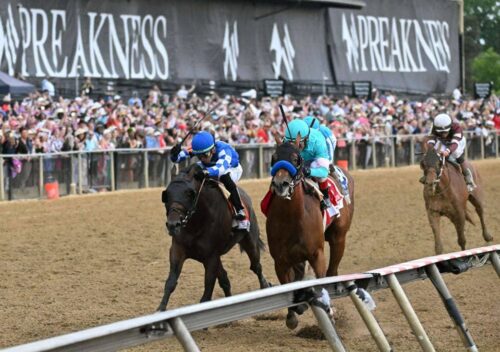
Thoroughbreds usually start their racing career between two and three years old, and most retire from racing by age five. However, if the racehorse stays sound and successful, they may keep racing past this age. [1]
Jockeys communicate with racehorses differently from riders in English or Western saddles. For example, jockeys use weight distribution and riding position as riding cues. By standing up in the saddle with straight legs, jockeys rock their seat back when they want to slow down. To ask the horse to stretch out during a race, jockeys shift their weight and hips forward and down. [2]
While racehorses gallop for the entire duration of a race, their training workouts aren’t limited to high-speed work, or “breezing”. During training sessions, exercise riders keep the horse at a slower pace until the trainer calls for certain breezing distances. Exercise riders also typically have a longer stirrup length than jockeys, which adds another layer of complexity to the type of cues OTTBs are trained for. [2]
Most OTTBs come off the track knowing how to change their lead. [3] Racehorses gallop to the left, running counterclockwise around the track, but they don’t stay on the left lead for the entire race.
Instead, riders usually ask for a lead change heading into the last eighth of a mile during a race. Changing leads during competition helps delay fatigue and allows the jockey to make a final push at the end of the race. [3]
Basic Handling After the Track
Racehorses are exposed to a wide variety of sights, sounds, and experiences at the track. This prepares them well for many routine management tasks.
Hauling, for example, is something racehorses have plenty of experience with. Many Thoroughbreds haul or ship well right off the track. They may already be accustomed to large horse vans with ramps or even air transport. [4]
On the other hand, OTTBs may not be used to loading into smaller or step-up style trailers. Teaching OTTBs how to load into smaller trailers may require some patience. [4]
Many OTTBs are more comfortable with handling than their non-racing peers. Significant bathing, grooming, mane braiding and other basics are all part of an OTTB’s regular routine during their racing career. Some racehorses are even trained to urinate on command for mandatory drug testing. [4]
While life on the track builds a foundation for young Thoroughbreds, aspects of life at boarding or show barns will be new to them. Tools and practices that seem routine to riders, such as mounting blocks and cross-tying, may initially be unfamiliar to an OTTB fresh off the track. [4]
Although racehorses have their feet handled frequently, many may be used to only having their hooves picked out on the left side. It may take some time and patience for an OTTB to get comfortable with handling their right-side feet. [4]
Considerations Before Retraining
Before you begin retraining an OTTB, it’s best to consider any health interventions and letdown time they need before they start a new riding career. This ensures they are healthy and mentally prepared to learn new skills, providing the best chances of a satisfactory outcome.
On the track, racehorses have structured routines, which can include limited turnout combined with an intense training and racing schedule. Shifting to a lifestyle with increased turnout, a new diet, and different demands for work is a significant change that requires planning and patience.
Nutrition
Racehorses are used to consuming high-energy feeds in large quantities to support their intensive training and racing schedules. Adjusting an OTTB’s diet to match their new activity level and lifestyle is essential. [5]
For help planning a diet transition for your OTTB, try using our Diet Transition Calculator or consult with a qualified equine nutritionist for a free personalized plan.
What's your top priority with your horse's health?

What's your top priority with your horse's health?
Health Screening
Before retraining begins, have a veterinarian evaluate your OTTB to provide a baseline on their soundness, overall health and body condition score. In particular, gastric ulcers are extremely common in OTTBs, affecting up to 90% of Thoroughbreds during their racing careers. [6]
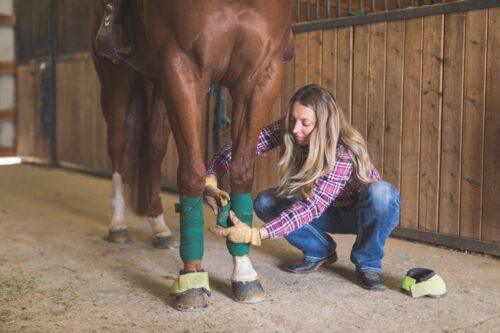
It’s also important to ensure your OTTB has excellent hoof health before starting a new training program.
OTTBs commonly have brittle feet, thin hoof walls and soles, or under-run heels once their racing plates are pulled. This can cause subtle or significant lameness, requiring corrective farrier work and time to recover from these issues. [7]
Letdown Time
Horses with significant health, soundness, or body condition issues require letdown time before retraining. [8] With that being said, some horses require letdown time regardless of health and soundness. Many OTTBs need an adjustment period with significant turnout time where they can learn to socialize and express their natural behaviors. [8]
On the other hand, some OTTBs don’t respond well to letdown time, especially if they are accustomed to steady work. Thoroughbreds typically thrive in work, so letting them down may result in boredom, which can lead to stereotypic behaviors and even injuries. In addition, letting a horse down can lead to loss of muscle and fitness, making the transition into a new riding career more challenging. [9]
Each horse has unique needs, so the duration and need for letdown time should be evaluated individually. [8]
Top 10 OTTB Retraining Tips
Once your OTTB is ready to begin their new career, you can start introducing them to new tasks and cues. Here is our list of tips to set your OTTB up for success.
1) Build Trust with Groundwork
If a horse is not yet healthy enough for work under saddle, groundwork is a great way to begin the retraining process without riding. Groundwork can help establish a partnership and training expectations in a work setting. [10]
Groundwork comes in many forms, including:
- Lunging
- Round pen work
- Positive reinforcement training
- Leading
- Tying
- Grooming
- Bathing
- Picking up feet
- Loading
Groundwork helps establish boundaries and teaches your OTTB to respond to cues like pressure aids. This can develop trust and a relationship with the horse before swinging into the saddle for the first time. [10]
Groundwork can also build strength and introduce aids that will later be used in the saddle. It can also help build topline muscles, strengthen the hindquarters, and better prepare OTTBs for the new type of self-carriage required by other disciplines. [10]
For those who plan to retrain an OTTB to jump, free jumping on the ground can be a positive introduction to jumping. This can be achieved by setting up a jump chute and encouraging the horse to jump completely loose or with a catch-and-release setup. [11]
2) Practice Mounting
Mounting for most disciplines is different from the routine at the track. Racehorses are mounted by having their handler bend their head to the left while walking. The jockey or exercise rider is then legged up.
Initially, OTTBs may find it confusing to stand still at the mounting block while a rider mounts independently, using stirrups rather than being legged up. They may need another person at their head to help teach them to stand still when being mounted at the mounting block. It can sometimes take numerous rides for them to learn this new practice.
3) Strengthen Basic Locomotion
Walking is the most basic gait, but is easily overlooked. Not only can you introduce new training concepts more easily at a walk, but walking your OTTB is an effective way to prepare the horse mentally and physically for the rest of the training session. Whenever possible, aim to spend about 10 to 15 minutes warming up at a walk. [12]
After only racing around an oval track at high speeds, one of the most important skills to teach OTTBs is to walk in a straight line, with a straight, forward posture through the withers. This usually requires spending more time on forward movement at the beginning of retraining. [12]
4) Develop Quality Gaits
Developing quality gaits is important for OTTBs retraining in every discipline. The use of ground poles and cavaletti rails can help develop flatwork and quality gaits.
Space out the rails in a way that encourages the horse to stretch to the rail and reach with their head and neck. Once their head drops, the back relaxes, which can resolve back tension, a common problem in horses when developing a quality gait. [12]
5) Master Lead Changes In an Arena
Retraining OTTBs to perform a clean, balanced lead change when moving across a diagonal or collecting in the corner of an arena can be a challenge. That’s because the OTTBs may not recognize the way they are being asked to perform this task. [3]
While some horses come off the track and naturally pick up lead changes in an arena, it takes some OTTBs time to understand how to change leads in their new riding environment and pace.
Asking for the lead change going into a turn can help encourage the horse to change their lead. It’s also easier for them to change their lead rather than take a turn on the wrong lead. [3]
When asking an OTTB to change their lead for the right-to-left change, keep their nose tipped to the outside. Then, allow them to “hop in” while you ask them to change using your outside leg and inside rein. [3]
If you want to ask for a left-to-right change, come out of the turn and keep their head slightly cocked to the left. Then, move them toward the inside rail using your leg, reins, and weight. These aids and the balance shift of your weight essentially “throw” them onto the other lead. Use your outside rein and your inside leg to shift their weight out. [3]
6) Strategize for Your First Off-Track Ride
When planning your first ride with your OTTB, consider the type of day you’ll be riding. Choose a calm, mild day for your first ride to minimize environmental stressors that could impact the experience. [9]
Planning the ride and managing your expectations is also important. The first ride off-the-track should be a positive experience for you and your horse. Keeping the focus on maintaining relaxation, rhythm, and a slower tempo overall is ideal. [9]
While OTTBs have all of the basic skills for riding, including a trot and canter, they might be nervous about performing unfamiliar tasks, including being ridden in an arena with unfamiliar tack, leg contact, and weight in the saddle. [9]
7) Find a Trainer
If you are new to restarting OTTBs, finding a reputable trainer who understands the OTTB retraining process can ensure easy retraining. A trainer can also help you assess the horse’s physical and mental state before you begin retraining. [9]
If your OTTB is in good health and you are still having issues beyond what a sports trainer can help correct, consider working with a qualified equine behaviorist. Behaviorists can help identify reasons why your horse might need help adjusting to their new lifestyle and offer individualized recommendations so they can succeed.
8) Lead with Confidence
Your OTTB will look to you for reassurance during retraining. Staying calm and confident can significantly influence how positively your horse responds to new situations. If you act nervous or frightened, the horse may pick up on these emotions and react negatively. [9]
During retraining, an OTTB’s confidence may be low as they navigate unfamiliar tasks, making your guidance and attitude essential to helping them feel secure in their new environment.
9) Develop Proper Muscling
Most Thoroughbreds are eager to go forward, so learning to ride at a relaxed and consistent tempo is important. However, this requires them to use and develop proper muscling, such as a core and topline, to use their bodies correctly under saddle.
Exercises to help accomplish this include: [12]
- Serpentines
- Half-circles
- Spiraling in and out of a circle
- Shallow changes of direction
These exercises not only build muscle but also teach OTTBs responsiveness to inside leg aids, essential for advanced maneuvers. These exercises should be taught at the lower gaits first, such as the walk and trot. [12] Check out our comprehensive guide to pole exercises for more ideas for developing these skills with your OTTB.
10) Get Out of the Arena
Switching to a new environment can help keep training sessions fresh and give your horse a break from arena work. Once you’re confident your horse is comfortable with some basic skills and has an appropriate, safe demeanor, try hacking outside of the arena.
Whether taking a walk around the farm, hacking out in a pasture, or even going on a leisurely trail ride, training outside the arena can also help build the bond of trust between horse and rider. If possible, an experienced, confident horse and rider team can accompany you on your first hack away from the ring. [13]

Moving on to Advanced Skills
It might be hard to judge if a horse is ready to move on to more advanced training, such as jumping. A good way to evaluate whether a horse is ready for more advanced training is to determine if the horse is accepting your riding aids and can relax down into the bridle. This can indicate the horse is open to the next step, such as working over small jumps.
When introducing advanced skills, it’s critical to progress incrementally and observe your horse’s reactions carefully. Start with simple exercises, such as trotting over ground poles, to help build confidence, rhythm, and coordination.
Once your horse can comfortably maintain rhythm and relaxation over poles, gradually introduce small cross-rails or cavaletti.
Throughout this progression, closely monitor your horse’s physical and mental state to ensure they’re not overwhelmed. Signs that a horse may not yet be ready for the next step include tension, rushing, or resistance to aids.
Patience and consistent reinforcement of foundational skills will help your horse develop the confidence needed to master advanced training with ease.
Frequently Asked Questions
Here are some frequently asked questions about retraining OTTBs:
OTTBs are athletic, intelligent, and well-handled from a young age, making them highly trainable for various riding disciplines beyond racing. [1][4][9]
Assess the horse’s overall health, soundness, and mental readiness. Some may need letdown time to adjust from the structured lifestyle of the racetrack to a new routine. [5][7][8][9]
Summary
Retraining an OTTB is a rewarding process of transforming a former racehorse into a successful partner in a new riding discipline.
- By understanding their track background, addressing their physical and mental needs, and approaching training with patience and consistency, OTTBs can excel in their second careers.
- Assessing the health, soundness, and body condition of an OTTB is an important step in beginning their retraining.
- With the right approach and dedication, OTTBs are remarkable, adaptable equine companions and riding partners.
- Consider working with a professional trainer or equine behaviorist to help your OTTB adjust to a second career.
References
- VISIT HORSE COUNTRY | Life Cycle of a Thoroughbred.
- Gantz. T., The Art of Galloping. Retired Racehorse Project. 2021.
- Beckstett. A., Changing Leads. Retired Racehorse Project. 2019.
- Gantz. T., How Racehorses Are Handled. Retired Racehorse Project. 2018.
- National Research Council Chapter 1: Energy and feed processing. Nutrient Requirements of Horses. 2007.
- Murray, MJ et al. Factors Associated With Gastric Lesions in Thoroughbred Racehorses. Equine Vet J. 1996. View Summary
- White, C., Off-Track Hooves. Retired Racehorse Project. 2022.
- Church. S., Getting to Know You. Retired Racehorse Project. 2020.
- Kerstetter. H., First Rides. Retired Racehorse Project. 2024.
- Colburn. C. L., From the Ground Up. Retired Racehorse Project. 2019.
- Staszak. C., The Art of the Free Jump. Retired Racehorse Project. 2021.
- Colburn. C. L., Flatwork for All. Retired Racehorse Project. 2021.
- Brooks. C., Ask a Trainer: First Hacks Out of the Arena. Retired Racehorse Project. 2024.