English
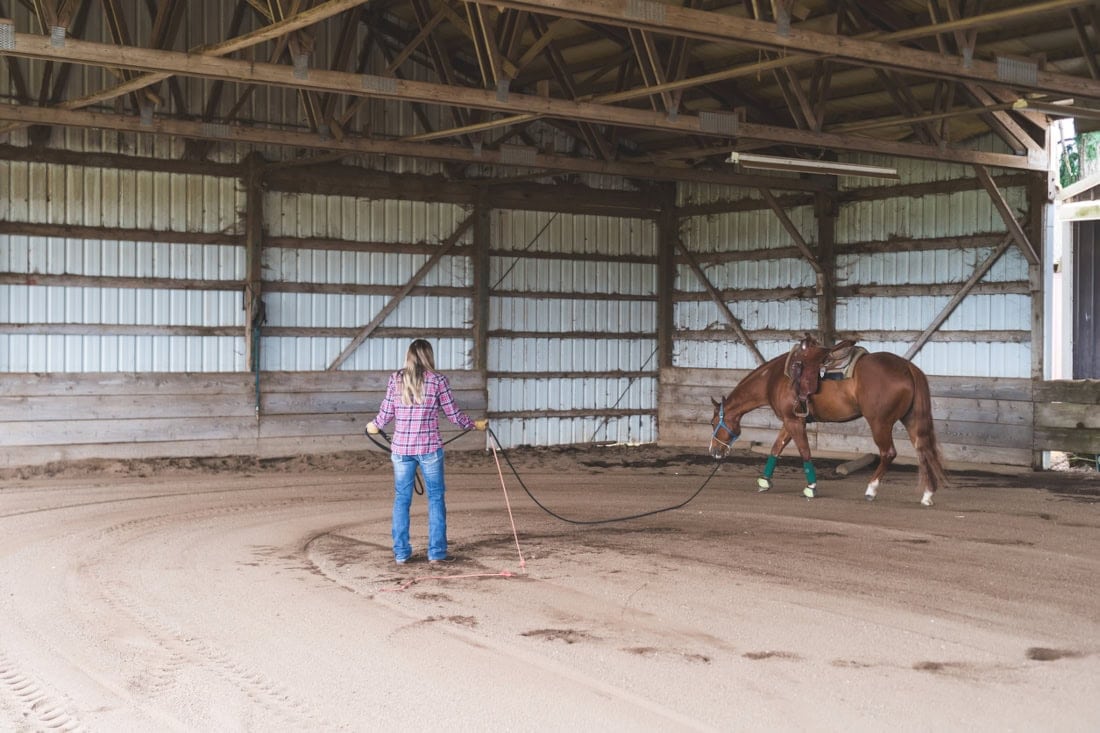
Returning a horse to work after a period of inactivity, whether from injury, broodmare duties, or seasonal downtime, requires a systematic approach. A gradual return-to-work (RTW) program is key to rebuild strength and conditioning while minimizing the risk of injury or long-term setbacks.
The process begins with a comprehensive assessment of the horse’s physical and mental condition, including a veterinary evaluation to assess for lameness and determine if the horse is ready for increased activity. This evaluation is followed by detailed goal-setting and the gradual reintroduction of exercise tailored to the horse’s specific discipline.
This article serves as a complete guide to safely bringing your horse back to work. It explains the key factors that influence reconditioning, such as the reason and duration of inactivity, overall condition, and any pre-existing issues, and provides practical steps for designing an effective RTW plan.
The guide also discusses differences between protocols for healthy horses and those recovering from injury, emphasizing the importance of continuous monitoring and program adjustments throughout the process.
Returning Your Horse to Work
Bringing a horse back to work is a process that demands patience, attention, and a plan. Rushing to achieve a previous level of performance can lead to a range of problems, from physical injuries to behavioral issues or long-term setbacks in the horse’s fitness development.
Horses, much like human athletes, need time to regain their strength, endurance, and coordination. A gradual and structured return-to-work (RTW) program minimizes risks and ensures the horse can safely transition back to activity.
Considerations
Several factors influence the approach and timeline for reconditioning a horse, and understanding these is key to tailoring a successful RTW program. Key considerations include: [1][2][3][4]
- Reason for time off
- Duration of inactivity
- Overall condition
Reason for Time Off
The cause of the horse’s inactivity plays a major role in shaping the return to work strategy. A broodmare who spent time off carrying and nursing a foal may need an entirely different plan from a performance horse recovering from an injury. [1][2]
The former might require general fitness rebuilding and muscle toning, while the latter demands a program focused on rehabilitative exercises and future injury prevention. [1][2] Additionally, horses on seasonal breaks from competition may have retained a degree of fitness but still need careful reintroduction to specific training. [1][3][4][5]
Duration of Inactivity Period
The length of the horse’s time off is a critical factor in determining how quickly they can be brought back to work. A horse that has been out of work for a few weeks may only require a short return-to-work program to regain their baseline fitness. [1][4]
On the other hand, a horse that has been inactive for several months, or even years, will need a more extended and gradual plan. Prolonged inactivity can result in muscle atrophy, reduced cardiovascular fitness, and potentially stiff or weakened joints, all of which require careful management to avoid injury during the reconditioning process. [1][4]
Overall Condition
The horse’s age, the presence of pre-existing injuries, and general condition are central to planning a return to work program. Older horses may take longer to regain fitness and often require gentler exercises to avoid strain on aging joints and muscles. [1][3][4]
Horses with previous injuries or chronic conditions need close monitoring to prevent exacerbating existing problems. A horse that has gained significant weight during inactivity or that has a high body condition score (BCS) will require a program that emphasizes weight loss alongside fitness development. Conversely, an underweight horse (low BCS score) needs nutritional support to rebuild fitness, condition and muscle mass as they resume work. [1][3][4]
What's your top priority with your horse's health?

Enter your email to receive your store credit
Condition Assessment: Establishing a Baseline
Before embarking on a return to work program, a comprehensive evaluation of the horse’s current condition helps establish a baseline and detect potential concerns. Such an assessment ensures the horse is physically and mentally prepared to resume work while minimizing the risk of setbacks or injury.
This evaluation should involve a veterinary exam, including detailed documentation of the horse’s body condition and weight.
Veterinary Exam
Before returning your horse to work, it’s best practice to schedule a veterinary examination, especially for horses recovering from injury or illness. This exam confirms that your horse is physically ready for increased activity and identifies any vulnerabilities that need attention during training.
Even healthy horses benefit from a veterinary assessment, which provides peace of mind and clear guidance for planning your training program.
Key components of the veterinary exam include:
- Soundness evaluation
- Health screening
- Behavior assessment
- BCS/Weight assessment
Soundness Evaluation
During a soundness evaluation, the attending veterinarian assesses the horse for any signs of lameness, stiffness, or joint discomfort. A sound horse displays normal movement and is free from illness or lameness.
Even subtle issues can impact performance, so early detection and intervention are essential to prevent minor problems from worsening as workload increases.
Lameness in horses generally results from either pain or neurological dysfunction, both of which need to be addressed before returning to work. While both types of lameness present similarly to owners, their root causes differ as follows: [5][6]
- Pain-related lameness causes abnormal movement as the horse tries to avoid weight-bearing or motion in the affected area
- Neurological lameness occurs when nerve communication is disrupted, affecting muscle function. This can stem from issues within the central nervous system (brain and spinal cord) or peripheral nerves
Veterinarians assessing soundness as part of a return-to-work plan may use a combination of flexion tests and the AAEP lameness scale to guide their assessments.
Table 1. The AAEP lameness scale [7]
| Lameness Grade | Observations |
|---|---|
| 0 | No perceptible lameness |
| 1 | Lameness is difficult to detect and inconsistent |
| 2 | Lameness is hard to observe at a walk or straight-line trot but apparent under specific conditions (e.g., circling, inclines, weight-carrying) |
| 3 | Lameness is consistently noticeable at a trot |
| 4 | Marked lameness at walk |
| 5 | The horse bears minimal or no weight, or movement is nearly impossible |
Health Screening
A thorough health screening evaluates the horse’s overall well being to ensure they are fit for work. This process includes detailed assessments for common conditions that could impact performance, such as respiratory diseases, metabolic disorders, and cardiovascular concerns.
Early detection of these issues is crucial for maintaining optimal health and preventing complications related to increased workload. This is especially important for horses that have been out of work due to illness or injury as it helps to identify potential setbacks early, allowing for tailored rehabilitation plans and reducing the risk of re-injury.
Key areas of focus during health screening include:
- Respiratory health
- Metabolic function
- Cardiovascular fitness
- Musculoskeletal issues
- Neurological system
Behavioral Assessment
Evaluating a horse’s behavior also helps assess their readiness for a return to work. The horse’s demeanor, energy levels, and willingness to engage in activities can reveal underlying physical or mental issues. Signs of resistance, anxiety, or dullness may indicate physical discomfort or mental unease that should be addressed before progressing. [4]
Body Condition Scoring (BCS) and Weight
Documenting the horse’s body condition score (BCS) and weight is an important part of assessing their current condition. These measurements provide a baseline for setting goals and tracking progress throughout the return-to-work program. Considerations include: [8][9]
- Body Condition Score (BCS): This score evaluates the horse’s fat coverage on a scale from 1 (emaciated) to 9 (obese). The score will influence the focus of the RTW program. Overweight horses require a plan that emphasizes weight loss and muscle development, while underweight horses need nutritional support to build strength and energy.
- Weight Measurement: Regularly tracking your horse’s weight helps monitor changes over time—whether the goal is to gain, lose, or maintain weight. Consistent weigh-ins provide evidence of progress and inform adjustments to exercise and feeding regimens.

Setting Expectations for Return-to-Work
Developing a structured plan with specific short-term and long-term goals is important for supporting your horse’s performance.
Short-term goals let you monitor progress and adjust the plan based on your horse’s response, while long-term goals keep you focused on overall recovery.
A timeline tailored to your horse’s individual needs ensures a safe balance between building fitness and preventing injury, helping your horse work longer.
Short-Term Goals
Short-term goals establish a safe foundation by gradually rebuilding your horse’s strength, stamina, and confidence while reducing injury risk. Monitoring during this phase focuses on these key areas: [4][10]
- Fitness: The early stages of return-to-work begin with light, controlled exercises to reintroduce movement and activity. This might include walking in-hand, groundwork, or short sessions at the trot or canter. Emphasis should be placed on consistency rather than intensity, ensuring the horse builds strength and stamina steadily without becoming overwhelmed or risking further injury.
- Soundness: Close monitoring at the beginning of return-to-work is critical. Look for signs of soreness, stiffness, or lameness, which may indicate the need to adjust the program. Early detection of issues can prevent setbacks and support a smooth transition back to work.
As your horse demonstrates comfort with light demands, you can set new short-term, attainable goals that challenge them and continue monitoring as described above.
Long-Term Goals
Long-term goals define success over time and establish targets for the horse’s ultimate level of performance and fitness. These goals should align with the horse’s capabilities and specific discipline.
A useful way of conceptualizing long-term goals is to set performance milestones. Whether the horse is returning to competitive disciplines or casual riding, establish milestones that reflect their potential and the demands of the intended activities.
In addition to tracking performance output over time, many horses also have long-term body condition or weight management goals that are set during the return-to-work process.
Adjusting Goals & Timelines
Even with a well-designed return-to-work plan, regular evaluations are key because conditions can change. Adjustments might be needed based on factors that weren’t fully predictable when the plan was created. For example: [11][12][13]
- Performance during early training: If the horse isn’t progressing as expected, you may need to slow the pace or modify exercises
- Age-related issues: Older horses might require a gentler approach, focusing on maintaining mobility and strength rather than pushing for peak performance
- Health status: New or worsening conditions such as arthritis can call for lower-impact routines and closer monitoring for signs of discomfort
While your original plan accounts for the horse’s initial needs, continuous monitoring ensures that you can adjust goals and timelines as the horse’s condition evolves.

Developing a Return-to-Work Plan
Creating an individualized return-to-work plan is the first step in helping your horse transition back to its full performance capabilities. Whether your horse is healthy or recovering from an injury, the structure of your program should be adapted to their initial condition.
By setting clear, progressive goals and mapping out each phase of the process, you can ensure a safe and effective return to work. This section explains how to develop a plan that meets your horse’s unique needs and supports a gradual, sustainable buildup in fitness and performance.
Healthy Horses
For healthy horses not returning from an injury, a typical RTW plan spans 8–10 weeks, with a progressive increase in activity levels.
This timeframe allows trainers and owners to divide the process into two distinct phases, each with targeted goals to ensure a smooth and safe return to work.
Weeks 1 – 4
Over the course of the first four weeks, the primary objective is to gradually reintroduce your horse to a structured training regimen. The emphasis during this period is on building baseline fitness through gentle, consistent exercise. This foundational phase helps your horse adapt safely and effectively to increased activity levels. [4][14]
Aim for daily exercise sessions lasting 20 to 30 minutes. This duration supports physical conditioning without overtaxing your horse or risking injury.
There are two primary approaches to conducting these sessions. The first is in-hand work, which involves guiding your horse from the ground. This method is ideal for focusing on fundamental movements and establishing clear communication between you and your horse. The second option is under saddle work. Riding your horse during these sessions not only builds balance and responsiveness but also helps develop a strong riding foundation.
In addition to these training methods, incorporating specific groundwork exercises is highly beneficial. For example, ground pole exercises build confidence while enhancing coordination and balance, as your horse navigates a series of obstacles.
Similarly, practicing lateral movements engages the muscles in different ways compared to straight-line exercises, thereby improving flexibility, strength, and overall body coordination.
When engaging in under saddle work, it is important to start with the basics. Focus on walking and trotting to reinforce proper posture and ensure smooth transitions. These gaits are important for gradually building strength and endurance.
If your horse demonstrates adequate fitness and comfort with these foundational movements, you may then introduce short intervals of cantering. These brief periods of canter work are designed to further enhance muscle development and cardiovascular conditioning. [4][14]
Weeks 5 – 10
In the second half of a RTW plan, the focus shifts toward building endurance and introducing specific exercises that target both general fitness and discipline-specific performance. [4][14]
During weeks five through ten, the intensity of workouts is gradually increased to challenge your horse’s stamina while incorporating activities that refine its skills. Session duration is extended to include additional elements such as hill work, smooth transitions between gaits, and longer intervals of trotting or cantering.
The exercises you include in your training program should be chosen based on your horse’s expected work and level of competition. For instance, show jumpers can benefit from gymnastic exercises that enhance agility and balance, while dressage horses might engage in test movements that fine-tune precision and responsiveness.
Horses involved in trail riding can work on navigating obstacles to build confidence and adaptability on varied terrain. [4][14]
Injured Horses
Horses recovering from an injury require a more cautious and prolonged return to work program. This process should always be guided by your horse’s veterinarian to ensure safety and long-term soundness.
Each phase of rehabilitation must be approached methodically to avoid setbacks. Programs typically begin with controlled movement, such as hand-walking or limited turnout in small paddocks, before progressing to more demanding activities like ridden work. [11][12][14]
Throughout the rehabilitation period, closely monitor your horse for any signs of discomfort or regression. Pay attention to physical and behavioral cues as your horse adapts to an increased workload. [11][12][14] Observing changes can provide valuable feedback, allowing adjustments to the program and preventing setbacks.
Tracking Progress
Tracking your horse’s recovery and return-to-work process is crucial, whether they’re recovering from an injury or resuming regular activity. Watch for measurable improvements, such as longer exercise sessions, faster recovery times, and consistent energy levels.
Also, be alert for warning signs like stiffness, reluctance to move, or changes in behavior. These clear observations let you adjust the training program, reducing the risk of further injury and promoting a safe return to full performance.
Signs of Fitness Improvement
Pay attention to positive indicators that the horse is adapting to the demands of work. Key indicators include: [11][12][14]
- Increased stamina: One of the earliest signs of improvement is if the horse can complete longer exercise sessions. As a horse’s endurance improves, they should remain energized and engaged during activities for longer periods of time.
- Improved recovery: As fitness levels improve, the horse should exhibit shorter recovery times after exercise, returning more quickly to resting heart and breathing rates.
- Visible changes: Physical transformations, such as gradual weight loss or muscle tone improvement, indicate the program is on the right track.
Warning Signs
It is equally important to recognize red flags that suggest your horse is struggling with their work, including: [11][12][14]
- Lameness or pain: Subtle signs of discomfort, such as stiffness during movement or reluctance to work, should prompt immediate evaluation. Early intervention can prevent minor issues from developing into serious injuries.
- Behavioral changes: Horses displaying resistance, anxiety, or uncharacteristic aggression may be experiencing physical discomfort or mental stress. Behavioral cues can serve as early indicators that adjustments to workload, equipment, or approach are required.
Knowing When to Pause & Reassess
Adaptability and patience are key to a successful equine return-to-work process. Horses are individuals with varying physical and mental thresholds, and progress rarely follows a perfectly linear path.
It’s important to know when to pause, reassess, or reduce the intensity of training to protect your horse’s health and maintain progress. Ignoring signs that your horse needs a break can lead to setbacks such as injuries, behavioral issues, or a loss of trust between horse and handler.
Watch for these signs that your horse may need rest or a change in the program:
- Failure to meet goals
- Signs of injury
- Mental fatigue or dullness
Adapting the Plan
No RTW plan is set in stone. Timelines, activities, and goals should remain flexible to accommodate the horse’s needs and any unexpected setbacks. Adjusting the intensity or duration of sessions, incorporating additional rest days, or focusing on less strenuous activities are all options to keep your horse moving even when they have new or changing limitations.
Open and proactive communication with your veterinarian, farrier, and trainer ensures any concerns are addressed promptly, reducing the risk of exacerbating problems. The ultimate goal is to foster a sustainable, positive experience for the horse, allowing them to return to work at a pace that prioritizes their health and well-being.
Nutrition for Return-to-Work
Proper nutrition plays a pivotal role in supporting a horse’s performance, recovery, and overall health during the return-to-work process. As exercise demands increase, your horse’s nutritional needs change to provide the energy and nutrients necessary for effective tissue repair and to support a heavier workload. [16]
Ensuring that your horse meets its nutritional needs is key to keeping it healthy, energetic, and capable of advancing in its RTW program.
A balanced vitamin and mineral profile is essential for optimal metabolic function and overall well-being. When work intensifies, the need for certain nutrients grows, including:
- Macrominerals: Calcium, phosphorus, magnesium, potassium, sodium, and chloride
- Trace minerals: Zinc, Copper, Manganese, and Selenium
- Vitamins: Vitamin E, vitamin A, thiamine, and riboflavin
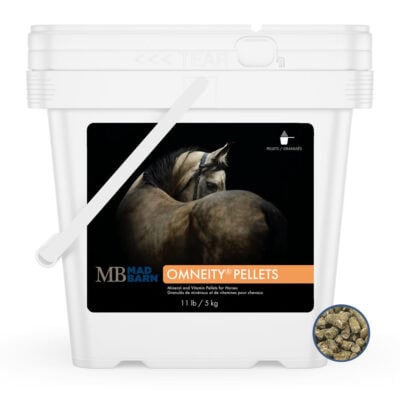
You can meet these nutritional needs by feeding a complete feed at the full recommended rate or by supplementing a forage-based diet with Mad Barn’s Omneity®, a comprehensive vitamin and mineral supplement.
Omneity® provides a full spectrum of vitamins, macrominerals, and trace minerals to support your horse through its return-to-work program. It also delivers a complete serving of biotin, yeast and digestive enzymes for gut health, and the essential amino acids lysine, threonine, and methionine to support hoof strength, muscle development, and overall health.
Energy Requirements
Returning to work increases a horse’s energy demands—especially for those coming off extended periods of inactivity, when the gap between current fitness and the desired workload is greatest.
High-quality forage should remain the foundation of your horse’s diet, providing the essential fiber needed for digestive health and sustained energy. However, as exercise intensity grows, so do the horse’s caloric needs. Consult with an equine nutritionist to determine if additional calories are required to support the increased workload.
For horses with higher energy requirements, consider increasing highly digestible fiber, fats, or concentrates in their diet. Supplementary sources like beet pulp, alfalfa, oils, and flax can help meet these elevated energy demands.
Supplementation
For horses that need extra support beyond a balanced diet, targeted supplements can provide specific benefits such as improved muscle development or joint health.
Without a hay analysis, it’s difficult to know if your performance horse is receiving enough of the key amino acids — lysine, threonine, and methionine.
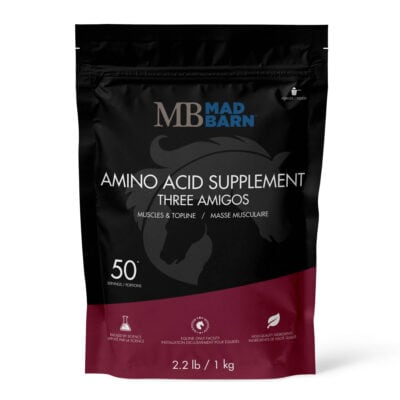
These nutrients are essential for muscle growth, but are the most at risk of being deficient in a typical equine diet. If you’re unsure whether your horse is meeting its amino acid requirements — and if topline development is a concern — supplementing these limiting amino acids is a straightforward and economical solution.
Three Amigos is a supplement specially formulated to provide all three limiting amino acids in an optimal 5:3:2 ratio.
Horses recovering from injuries or those with a history of joint issues may benefit from supportive supplements for joint health.
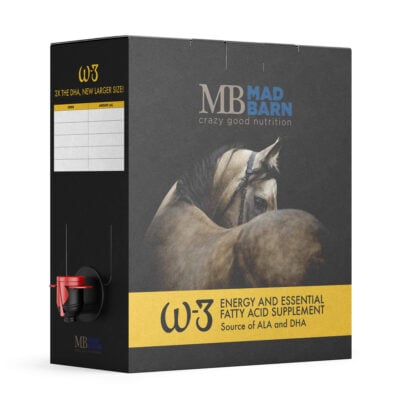
Omega-3 fatty acids, including eicosapentaenoic acid (EPA) and docosahexaenoic acid (DHA), support joint structure and function by regulating inflammation and promoting cartilage health. Extensive scientific evidence confirms their effectiveness in maintaining joint comfort and mobility, making them a top choice for equine joint health. [17][18][19]
Mad Barn’s W-3 Oil is a fatty acid supplement that provides DHA and Natural vitamin E to support joint health and provide antioxidant support for performance horses.
MSM is another joint supplement with research to support its anti-inflammatory and antioxidant benefits. [20][21] Mad Barn’s MSM is a pure and economical form that provides readily available sulfur essential to connective tissue health and maintenance.
MSM is a joint supplement with antioxidant properties that helps to maintain normal regulation of inflammation in horses. [20][21]
Mad Barn’s MSM is a pure, cost-effective source of readily available sulfur, which is essential for the structure and maintenance of connective tissue. This formulation supports joint health by helping to maintain the integrity of connective tissues and promoting overall mobility.
Hydration & Electrolytes
Hydration is critical during the RTW process, especially as the horse begins sweating more with increased exertion.
Horses should always have easy access to clean, plentiful, fresh water to prevent dehydration. During periods of heavy exercise, electrolyte supplementation can help replace minerals lost in sweat such as sodium, potassium, magnesium, and chloride, which are essential for muscle function. [15][16]
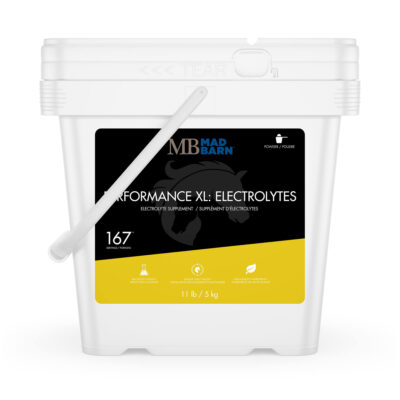
Mad Barn’s Performance XL Electrolytes is a scientifically-formulated electrolyte supplement designed to replace the essential minerals that are lost in sweat.
Frequently Asked Questions
Here are some frequently asked questions about bringing a horse back to work:
The duration of a return-to-work program depends on factors such as the horse’s fitness level, reason for inactivity, and overall condition. A typical program for a healthy horse lasts 8–10 weeks, while horses recovering from injury may require several months of gradual rehabilitation.
A structured return-to-work program includes assessing the horse’s condition, setting fitness goals, and gradually increasing workload. The plan should incorporate veterinary check-ups, soundness evaluations, conditioning exercises, and nutritional support to ensure a safe and effective transition.
Signs that a horse is ready to resume work include good body condition, soundness, and mental readiness. A veterinary evaluation can help confirm their fitness for exercise. Horses should not show signs of lameness, excessive stiffness, or discomfort when introduced to light movement.
Rushing the process, neglecting veterinary guidance, skipping fitness assessments, and failing to monitor progress are common mistakes. Overworking an unfit horse can lead to injuries and setbacks. A gradual and adaptable approach helps prevent issues and ensures long-term success.
Summary
Bringing a horse back to work requires patience, planning, and an unwavering focus on the horse’s well-being. By assessing the horse’s current condition, setting realistic goals, and following a gradual return to work program, owners can ensure a safe and successful transition to activity.
- Establishing a comprehensive baseline of your horse's condition and health status at the beginning of RTW helps set realistic goals
- Regular monitoring and flexibility in the training program are vital to supporting the horse’s recovery and performance
- Always work with a qualified veterinarian if your horse is returning to work after injury or illness
- Consulting with an equine nutritionist can help you ensure your horse's diet supports their increased activity level
References
- Lefroy. J., Back-to-Work Program with Elizabeth Gingras. Horse Canada. 2017.
- Goldney. H., Broodmare to Ridden Horse. GoldneyEquinePhysio. 2023.
- McKeever. K. H., Exercise and Rehabilitation of Older Horses. Veterinary Clinics of North America: Equine Practice. 2016. View Summary
- Developing a Fitness Programme. The British Horse Society. 2025.
- Clayton. H. M., Conditioning Sport Horses. Sport Horse Publications, Saskatoon. 1991.
- Bedenice. D. and Johnson. A. L., Neurologic Conditions in the Sport Horse. Animal Frontiers: The Review Magazine of Animal Agriculture. 2022. View Summary
- Davidson. E. J., Lameness Evaluation of the Athletic Horse. Veterinary Clinics of North America: Equine Practice. 2018. View Summary
- Easley, R. Body Condition Scores: The Henneke System. Presentation for Georgia Equine Rescue League. 2009.
- Carroll, C.L. and Huntington, P.J. Body condition scoring and weight estimation of horses. Equine Vet J. 1988. View Summary
- Adams. S. B., Lameness in Horses. Merck Veterinary Manual. 2019.
- Atalaia. T. et al., Equine Rehabilitation: A Scoping Review of the Literature. Animals. 2021. View Summary
- Bromiley. M. W., Ed., Equine Injury, Therapy and Rehabilitation. 1st ed. Wiley. 2007.
- McKeever. K. H., Exercise and Rehabilitation of Older Horses. Veterinary Clinics of North America: Equine Practice. 2016. View Summary
- Watts. J., Bringing Horses Back into Work: How to Restart Youngsters, Progress a Horse’s Rehab or Get an All-Rounder Fit. World Horse Welfare. 2020.
- Lindinger. M. I., Oral Electrolyte and Water Supplementation in Horses. Veterinary Sciences. 2022. View Summary
- National Research Council. Nutrient Requirements of Horses. 2007.
- Woodward. A. D. et al., Supplementation of Dietary Long-Chain Polyunsaturated Omega-3 Fatty Acids High in Docosahexaenoic Acid (DHA) Increases Plasma DHA Concentration and May Increase Trot Stride Lengths in Horses. Equine and Comparative Exercise Physiology. 2007.
- Manhart. D. R. et al., Markers of Inflammation in Arthritic Horses Fed Omega-3 Fatty Acids. The Professional Animal Scientist. 2009.
- Vandeweerd. J. ‐M. et al., Systematic Review of Efficacy of Nutraceuticals to Alleviate Clinical Signs of Osteoarthritis. Journal of Veterinary Internal Medicine. 2012. View Summary
- Butawan. M. et al., Methylsulfonylmethane: Applications and Safety of a Novel Dietary Supplement. Nutrients. 2017. doi: 10.3390/nu9030290.
- Marañón. G. et al., The Effect of Methyl Sulphonyl Methane Supplementation on Biomarkers of Oxidative Stress in Sport Horses Following Jumping Exercise. Acta Veterinaria Scandinavica. 2008. View Summary