English







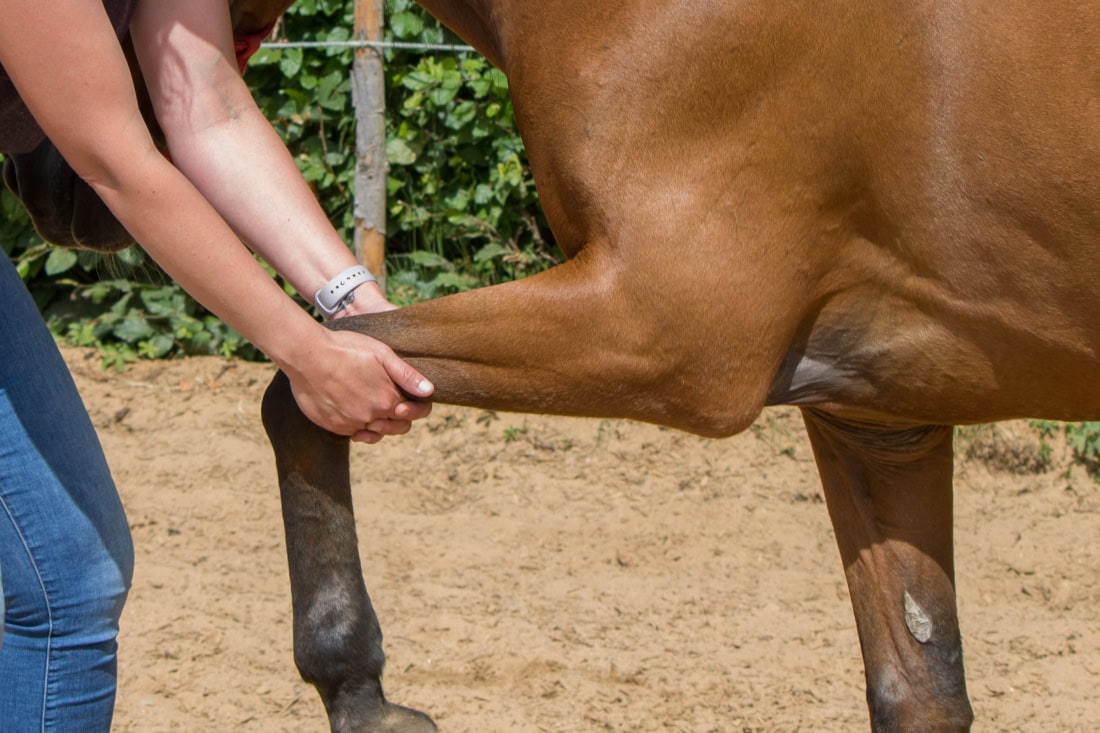
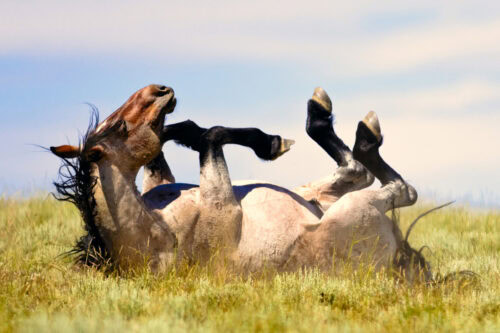
Shoe boils, also known as olecranon bursitis, capped elbows or elbow sores, are a common condition seen in horses. They occur when the horse repeatedly puts pressure on its elbow joint, often when lying down for extended periods on shallow bedding or with long-heeled horseshoes.
This prolonged pressure causes inflammation and swelling, leading to the formation of a fluid-filled sac beneath the skin, typically located on or near the point of the elbow. [1][2]
While most cases of shoe boil develop gradually and are relatively painless, sudden injury to the elbow or infection can cause acute shoe boil, which may result in pain, heat in the area, and even lameness.
Many cases resolve on their own once the underlying cause is identified and addressed. Recurrence of shoe boils is common, so the condition often requires ongoing management. [3]
Working with a veterinarian to develop a treatment plan can help prevent recurrence and infection in affected horses. [3]
Bursitis in Horses
Bursae are fluid-filled sacs found between tissues like bones, tendons, and muscles. They serve to reduce friction and cushion these structures during movement, providing protection and support for the horse’s body. [4]
Bursitis refers to inflammation of the bursa. The most common locations for bursitis in horses are in the shoulder, elbow, and hock. [1] Bursitis and injury to a bursa may result in pain, limited motion, and decreased functional mobility.
Two types of bursitis can occur in horses: [1][5]
- Congenital bursitis: Inflammation of a normal bursa that horses are born with
- Acquired bursitis: Formation and inflammation of a new bursa beneath the skin, where one didn’t exist before
The olecranon bursa, where shoe boils form, is located over the prominent olecranon process of the ulna in the elbow joint in horses. This area is particularly susceptible to injury and inflammation in horses. [4]
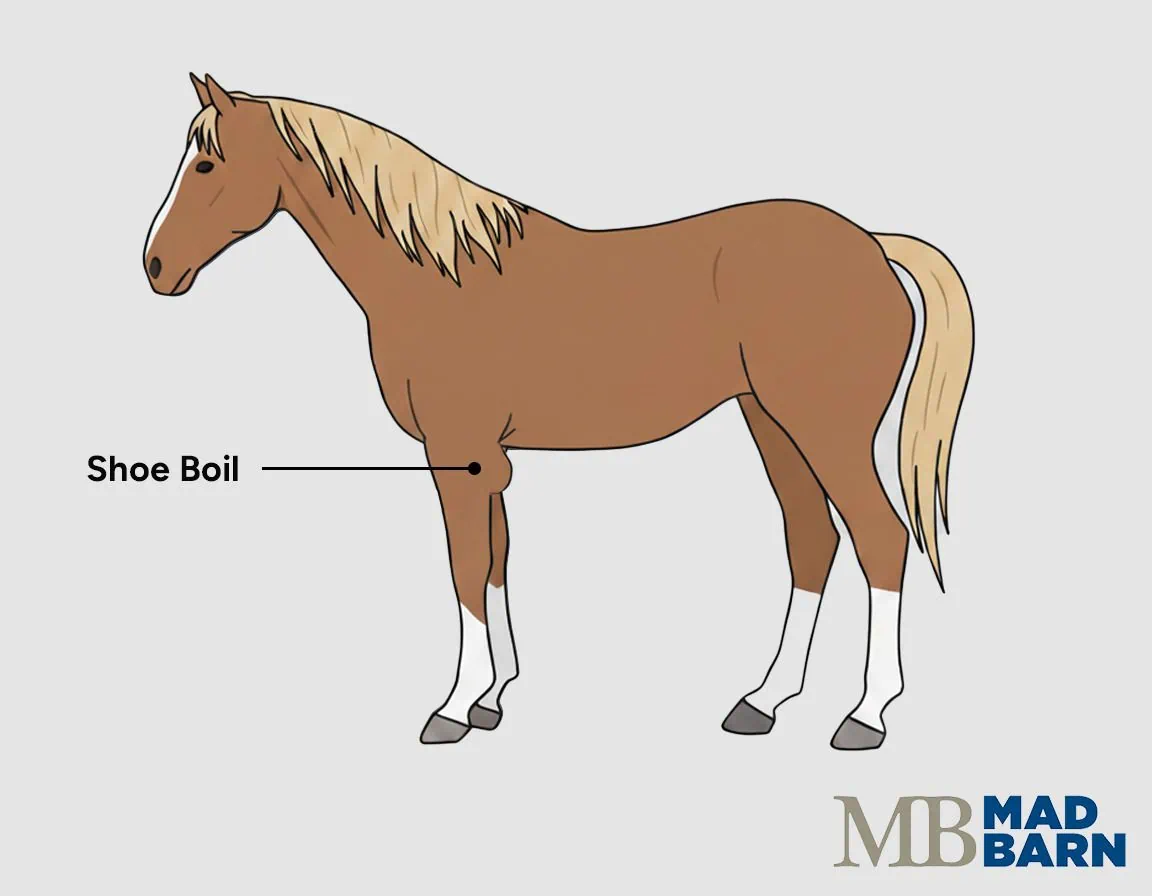
What are Shoe Boils in Horses?
Shoe boils in horses are characterized by swelling on the elbow joint, which may be painful or sensitive to the touch. In some cases, the skin overlying the swelling may become ulcerated or infected, leading to further complications.
Shoe boils are described as either acute or chronic:
- Acute Shoe Boil: An acute shoe boil refers to the initial stage when a visible swelling is first noticed on the horse’s elbow. The affected area may be hot and painful to the touch, paired with mild lameness. If managed appropriately, the swelling may resolve without recurrence. [1][3]
- Chronic Shoe Boil: If left unmanaged or if the underlying cause is not resolved, recurrent inflammation can lead to chronic shoe boils. Chronic cases are characterized by persistent or recurring swelling. Eventually fluid in the elbow joint builds up excessively and tissues lining the joint capsule thicken as fibrous tissue accumulates. [6]
The term “shoe boil” originated from the idea that these swellings were caused by pressure from the horse’s hoof when lying down on hard surfaces, such as stall floors or uneven ground. However, they can occur even in horses that are not shod.
Septic Bursitis
Septic bursitis is a more severe form of shoe boil involving a bacterial infection. Infection of a bursa can happen either through the bloodstream (hematogenous) or by bacteria directly entering the bursa, such as during joint injections or spread from a contaminated skin wound.
Symptoms of septic bursitis may include: [1][7]
- Painful, inflamed skin
- Swelling that may rupture
- Heat at the point of the elbow
- Overgrown tissue at the site of injury
- Sudden, acute lameness
When a horse is showing signs of an infected shoe boil, immediate veterinary attention is necessary.
Causes
The location of the olecranon bursa in horses, just under the skin at the point of the elbow, makes it prone to repetitive injury. Elbow injury and damage in horses are often associated with lying down on hard surfaces and repeatedly striking or kicking the elbows during movement.
Repeated concussive injury or recurring damage from lying down can lead to development of a shoe boil, or olecranon bursitis. When the tissue around the bursa is damaged, it can tear. Fluid moves in to fill the space and eventually accumulates in the bursa sac in the elbow. [6]
Over time, fibrous tissue deposits may also develop in response to inflammation, further contributing to stiffness and limited mobility. [6]
Risk Factors
Since shoe boils are associated with repetitive, mild elbow injury and the strain of getting up from lying down on hard surfaces, risk factors for bursitis correlate with the following lifestyle factors: [2][3][6][7][9]
- Long heels on the hooves: can create more pressure and friction against the elbow when the horse lies down
- Shallow bedding: does not provide enough cushioning to protect the elbow from pressure and associated damage to the joint when the horse rests
- Horseshoes with an extended heel: when the horse rests its elbow on the heel of the shoe while lying down, it can cause injury to the skin and underlying structures
- Prolonged recumbency: frequent or prolonged lying down increases elbow friction and pressure, which can lead to shoe boil development due to repetitive trauma
- Gaited movement: gaited horse breeds are able to move each of the four limbs independently, allowing for smooth and comfortable movement. However, when these horses are in motion, particularly during certain gaits like the pace or rack, the hind foot may inadvertently strike or hit the elbow.
Symptoms
A shoe boil initially presents as a soft, fluid-filled swelling at the elbow, which can appear on either or both forelimbs. Initially, the swelling may feel soft and move easily under the skin, but it may get firmer over time if a fibrous capsule develops. [1][2]
In severe cases, shoe boils may be painful, with symptoms like: [1]
- Lameness
- Limited mobility
- Poor performance
In cases of septic bursitis, symptoms of infection are also expected including: [8]
- Fever
- Lethargy
- Heat around the shoe boil
- Pain when touching the shoe boil
- Skin rupture and drainage
- Lack of appetite
Diagnosis
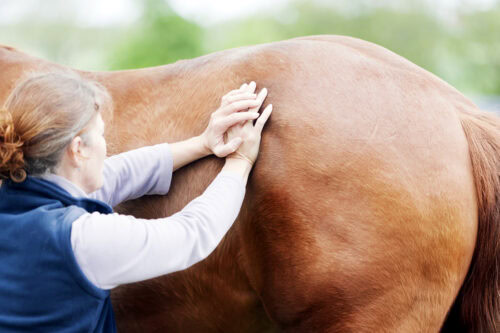
To diagnose a horse with a shoe boil, a veterinarian examines and palpates the swelling. They may also evaluate the horse’s gait and movement to detect lameness and eliminate other potential causes of swelling, such as foreign bodies or abscesses. [2]
Diagnostic imaging may be recommended to assess the extent of swelling and rule out underlying conditions like fractures or arthritis. X-ray images of the elbow joint can help determine the extent of bursitis. [2]
What's your top priority with your horse's health?

Enter your email to receive your store credit
Treatment
Most horses with a shoe boil do not require treatment as they usually do not experience lameness or pain. A shoe boil is often considered a cosmetic defect unless it grows very large or becomes infected. Nonetheless, addressing the underlying cause is important to prevent further injury. [1][7][8]
The initial treatment for acute shoe boil following trauma involves rest and cold hydrotherapy, where cold packs are applied to the area to reduce pain and inflammation. [2][10]
Aspiration
To speed up the recovery process, treatment may involve aspirating the bursal fluid by using a needle to draw it out, followed by a few corticosteroid injections administered over several weeks to reduce inflammation. [5][6]
This process can minimize swelling and prevent further damage to the area. However, some horses may still have residual blemishes due to subcutaneous fibrosis, or the scarring of connective tissue below the skin. [1][2][5]
Surgical Drainage
Since it is unlikely that a shoe boil will disappear on its own, surgical drainage may be warranted to prevent the horse from healing with a blemish. In surgical drainage, the bursal fluid is aspirated and the lining of the cavity is cauterized by injecting an iodine solution. [2]
Treating a shoe boil by regularly opening it and packing it with iodine-soaked gauze every few days may help resolve the issue, but it can take up to several months, and treatment outcomes vary. [7]
Surgical Excision
In certain cases, such as when the bursa is large or causing discomfort, horse owners may choose to have the shoe boil surgically removed. This procedure is typically done with the horse under standing sedation. [2][7]
First, the area around the base of the bursa is numbed using local anesthesia. Then, a vertical skin incision is made over the side of the mass. The mass is separated from the skin and tissue underneath to remove it in one piece. [5]
Following removal of the mass, excess skin is trimmed and the wound is closed. A sterile dressing is applied with a firm bandage to ensure the wound stays clean during the healing process. [5]
During recovery, the limb is typically immobilized with a heavy bandage and splint, preventing disruptive movement while it heals. [2]
Immobilization also reduces the risk of complications and allows tissues to heal properly. The horse is typically cross-tied for a period of 2 – 4 weeks post-operation to prevent excessive movement or re-injury to the elbow.
Antibiotics
In cases of septic shoe boils, the priority is resolving the infection before addressing the swelling in the bursa.
Treatment typically involves: [2]
- Antibiotics
- Draining any pus accumulation from the site
- Anti-inflammatory medication
Ensuring proper wound management to promote healing and prevent further infection is critical. [2]
Close monitoring of the horse’s condition and follow-up appointments with the veterinarian are essential to track progress and adjust treatment accordingly. Once the infection is clear, further treatment to address the boil itself may be an option, but is not always necessary.
Post-Treatment Management
After treating a shoe boil, careful management of the horse’s recovery is essential. This includes limiting elbow movement to prevent wound reopening, which can be achieved using splints, cross-tying, or bandaging as needed. [2]
It is important to discuss a management plan with a veterinarian to optimize treatment and follow-up care. Antibiotics and anti-inflammatory medication may be necessary to reduce the risk of infection and inflammation.
Regularly changing wound dressings promotes cleanliness and healing, while maintaining bandages for up to 4 weeks offers support and protection.
Passive movement exercises, starting after 14 days, help maintain mobility and prevent stiffness, followed by in-hand walking after 3 to 4 weeks to encourage controlled movement and rehabilitation. Controlled exercise and turnout can then gradually increase after 6 weeks.

Prognosis
The prognosis for soundness in horses with a shoe boil is generally favorable, meaning that most horses can return to normal function and activities with or without treatment. If shoe boils are particularly large or infected, the prognosis may be more guarded. [2]
The cosmetic prognosis for a shoe boil varies. While some shoe boils may resolve without leaving noticeable scars, others may result in permanent changes like skin thickening or scarring. [5]
Prevention
There are multiple strategies to prevent or minimize the risk of shoe boils in horses. Each method aims to reduce or eliminate factors contributing to the development or worsening of acute shoe boils.
- Shoe boil boots or rings: These padded devices are designed to fit around the pastern and protect the elbow when the horse lies down. They create a barrier between the elbow and the ground or hoof, reducing the likelihood of injury or irritation.
- Bedding: Providing deep and sufficient bedding can help cushion the horse’s elbow when lying down, reducing pressure and trauma to the area around the elbow.
- Shoeing: Changing to horseshoes without an extended heel can help eliminate the potential for friction and pressure between the hoof and the elbow when lying down.
Frequently Asked Questions
Here are some frequently asked questions about shoe boils in horses:
A shoe boil develops when the elbow is exposed to repeated irritation, most often when a horse lies down. Hard or thin bedding, long hoof heels, and shoes with extended heels can press against the elbow, damaging the bursa beneath the skin. This ongoing pressure triggers inflammation and leads to the swelling seen with olecranon bursitis.
The first sign of a shoe boil is usually a soft swelling at the point of the elbow that may shift under the skin. As the condition persists, the swelling can harden as scar tissue forms. Horses with more advanced bursitis may show heat, tenderness, or limited motion in the joint, and infected cases often bring fever, drainage, or sudden lameness.
Most horses with shoe boils remain sound, and the condition is usually more cosmetic than performance-limiting. Small or acute swellings often settle once the source of irritation is corrected, while chronic or infected cases may require longer care. Even when a scar or thickened patch of skin is left behind, the long-term outlook for comfort and use is positive.
Prevention focuses on minimizing elbow trauma during rest. Providing deep, well-cushioned bedding reduces pressure, while correcting hoof balance and avoiding extended-heeled shoes lowers friction against the elbow. For horses prone to the condition, padded elbow boots or rings create an extra barrier of protection and significantly cut down the risk of recurrence.
Summary
A shoe boil (olecranon bursitis) is a fluid-filled swelling that develops on the horse's elbow due to repeated pressure or trauma to the area.
- Risk factors include lying on hard surfaces or prolonged periods of lying down.
- Shoe boils are typically blemishes and do not cause pain to the horse but can be bothersome if large or infected.
- Treatment options for shoe boils include rest, cold therapy, fluid drainage with corticosteroid injections, or surgical intervention.
- Prevention strategies include using shoe boil boots or rings, providing deep bedding, and removing shoes with extended heels.
References
- Adams, S.B. Bursitis in Large Animals. Merck. 2022.
- Adair, S. and Munroe, G. Elbow: hygroma in Horses (Equis). Accessed Mar. 20, 2024.
- Goubeaud, G.J. Etiology of Shoe Boil. J Comp Med Vet Arch. 1902.
- Kumar, K.M. et al. Surgical Management of Capped Elbow in a Horse.
- Schramme, M. and Schumacher, J. Chapter 83 - Management of Bursitis. In: Equine Surgery (Fifth Edition). W.B. Saunders. 2019.
- Gaul, C.E. et al. Evaluation of the Olecranon Bursa: An Anatomical Structure in the Normal Horse. Journal of Equine Veterinary Science. 2020. View Summary
- Honnas, C.M. et al. Treatment of Olecranon Bursitis in Horses: 10 Cases (1986-1993). Journal of the American Veterinary Medical Association. 1995. View Summary
- Elce, Y. et al. Use of Negative Pressure Wound Therapy in Three Horses with Open, Infected Olecranon Bursitis. Equine Veterinary Education. 2018.
- Yodsheewan, R. et al. Diagnostic Imaging and Hematological and Cytological Analyses Play a Vital Role in Clinical Investigation and Selection of Therapeutic Approaches in a Polo Pony with Septic Olecranon Bursitis. The Thai Journal of Veterinary Medicine. 2022.
- Munroe, G. and Hesse, K. Hydrotherapy in Horses (Equis). Vet Lexicon.