English








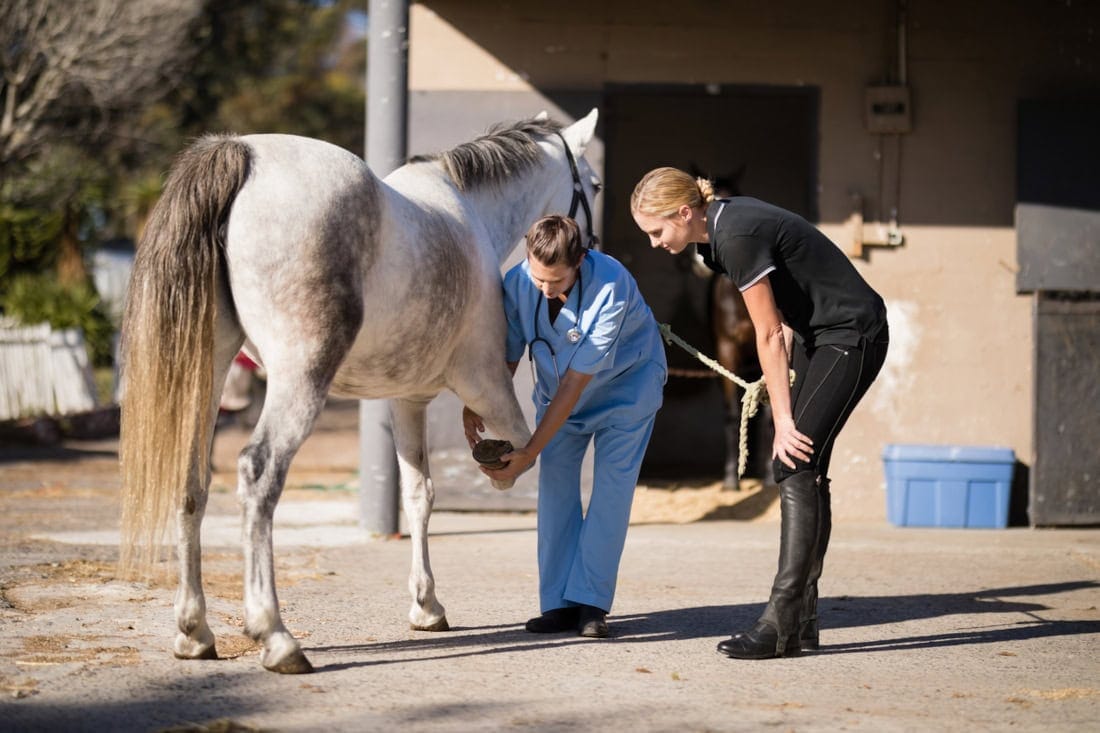
Stem cell therapy is gaining attention in equine veterinary care as a potential option for treating injuries and managing degenerative conditions. This treatment approach is being explored for its ability to support tissue repair and aid recovery in horses with joint, tendon, and ligament issues.
By utilizing the body’s own regenerative capabilities, stem cell therapy aims to promote healing and improve function in affected areas. It is considered a possible alternative or complement to traditional treatments, with ongoing research evaluating its effectiveness and long-term outcomes.
In this article, we provide an overview of how stem cell therapy works, the conditions it may address, and what horse owners can expect when considering this treatment.
Biologic Therapies for Horses
Biologics, also known as biologic therapies, are treatments derived from living organisms used to combat diseases or repair injuries. They depend on substances and organisms that are naturally found in the body and environment or that can be simulated in a laboratory. [1]
Biologics are an important tool in regenerative medicine, the field where veterinarians (and physicians) leverage the body’s natural ability to heal. This field is of great interest across human and animal medicine, and is an area of active research. Potential applications of regenerative therapies for horses include: [2]
- Tissue or organ regeneration
- Wound healing
- Return to function
- Reduction or elimination of dependence on other therapies
There are some particular biologics that are gaining interest in the equestrian community, including: [3][4][5]
- Platelet Rich Plasma (PRP) is an injection of high-platelet plasma derived from horse blood. The blood is usually sourced from the same horse receiving treatment.
- Interleukin-1 Receptor Antagonist Protein (IRAP) is similar to PRP. Instead of having an increased concentration of platelets, this product has a high concentration of a protein called interleukin-1 receptor antagonist. The solution is used as an anti-inflammatory treatment for horses with joint disease.
Along with advancements in procedures, supporting biotechnology has evolved rapidly to deliver biologic therapies consistently and effectively. For example, Pro-Stride® is a device many owners are familiar with. Veterinarians use equipment like Pro-Stride® to safely prepare blood-derived products used to manage equine lameness and osteoarthritis. [6]
A promising field within regenerative medicine is stem cell therapy, where stem cells are deployed to a specific treatment site in hopes of regenerating new tissue. Tissue engineering involves the use of cells, biological factors, and biomaterials to restore the normal structure and function of tissues. [7]
What's your top priority with your horse's health?
Stem Cell Therapy
Stem cell therapy is one of the most widely recognized fields in regenerative medicine. Its potential to keep high-value horses in work as they age or recover from injury has spurred extensive equine research across the world. [8]
In fact, the growing interest in equine stem cell therapy has driven the global expansion of a specialized market focused on the commercial supply of stem cells for research and veterinary applications. [9]
Every cell in a horse’s body – with the exception of red blood cells – contains all of the genetic information required to become any other type of cell. However, once a cell differentiates, its final form and function does not change.
Stem cells are unique because they are “undifferentiated,” meaning they have not developed into a specific cell type. [10] Under the right conditions, these undifferentiated cells have the potential to develop into other cell types within the body. [11]
Stem cells that come from an embryo, known as embryonic stem cells, are especially versatile because they can become any type of cell from any tissue or organ that makes up the individual’s body. [12]
Stem cells that come from other sources, known as adult stem cells, are less versatile. Adult stem cells can only be harvested from certain parts of the body, and only differentiate into cells found in the region where they originated. For example, adult stem cells that come from the intestine can only differentiate into intestinal cells. [12]
There are two major categories of adult stem cells: [7][10]
- Hematopoietic stem cells develop into blood cells
- Mesenchymal stem cells (also known as multipotent mesenchymal stromal cells or MSCs) develop into connective tissues such as muscle, bone, tendon, and nerve cells
Stem Cells & Tissue Regeneration
Stem cells play a key role in repairing tissues, especially after injuries. When the body is injured, it releases chemical signals called cytokines. These signals attract stem cells to the injury site. [10]
Once there, stem cells differentiate into the specific cell types needed for repair. Platelets, a component of blood, are crucial in this process because they contain high levels of growth factors that attract stem cells to the injured area and guide their development. This process is known as tissue regeneration. [10]
While stem cells might not speed up the healing process, they are thought to improve the quality of tissue repair and reduce scar formation. [13] Typically, the body heals injuries by forming scar tissue, which restores basic function but isn’t as strong or flexible as the original tissue.
By increasing the number of stem cells and growth factors at the injury site, stem cell therapy may help the body rebuild tissue that more closely resembles the original, leading to better function and durability. [10]
Stem Cell Therapy Applications for Horses
To date, the most widely used application of stem cell therapy is for the repair of tendons and ligaments. [8][11][14] Since tendon injuries are a major cause of equine lameness and reduced athletic performance, study of this application has become the focus of scientific and public attention. [15][16]
After injury, local cells are responsible for synthesizing new tissue. By introducing stem cells to the injury site, they can differentiate and replace damaged local cells. They can also secrete growth factors and cytokines that promote healing. [8]
Initial research into recovery from ligament and tendon injury shows horses that have undergone stem cell therapy show improved tendon and ligament alignment and stronger tendon fibers. Additionally, recurrence rates of tendonitis are lower in horses that have undergone stem cell therapy compared to those treated with conventional procedures. [15][17]
Other areas where stem cell treatments are being explored include: [11][14][18]
- Wound healing
- Soft palate surgery
- Deep wounds in foals
- Infected pressure sores
- Chronic dermal wounds
- Corneal damage
- Retinal detachment
- Cartilage defects
- Osteoarthritis
- Bone healing
- Laminitis
- Nerve and spinal cord injuries
- Reproductive disorders
- Meniscal injuries
Collection of Stem Cells
There are several methods to collect stem cells from adult horses. The two most common methods are bone marrow aspiration and adipose tissue extraction. It is also possible to collect stem cells from Wharton’s Jelly (umbilical cord blood) and blood. [19]
Bone Marrow Aspiration
During bone marrow aspiration, a veterinarian collects bone marrow from the horse’s sternum or tuber coxae (the point of the hip on the side of the spine). [19][20][21][22] This procedure can be done on the farm or at the veterinary clinic under standing sedation. [21][23]
The treating veterinarian performs bone marrow aspiration by following these steps: [21][23]
- Shave and sterilize the area where the aspirate needle will puncture the skin
- Apply local anesthetic
- Make a small incision in the skin with a scalpel
- Guide the aspirate needle through the bone, usually monitored by ultrasound
- Withdraw bone marrow into the syringe
- Remove the needle and apply pressure to the incision
The collected bone marrow is sent to a laboratory, where mesenchymal stem cells are isolated and cultured until they reach sufficient numbers for treatment. It typically takes 3-4 weeks to achieve an optimized dose of 10-25 million stem cells per treatment. [10][19][23]
Adipose Tissue Extraction
During adipose (fat) tissue extraction, a surgical incision is made near the tail head of the horse to remove a section of fatty tissue. This tissue is sent to a laboratory for cell retrieval. Typically, these cells are returned for injection within 48 hours of harvesting. [10]
Since these cells are not cultured and expanded, the total dose of mesenchymal stem cells is lower than with bone marrow-derived stem cell therapy. [10]
Once the stem cells have been processed at the laboratory, they are sent back to the veterinarian. They are then injected into the horse at the site of the injury with the help of ultrasound or X-ray guidance.

Efficacy & Evidence
While stem cell therapy has generated a great deal of public interest for its potential in treating a diverse range of conditions, it is still in early stages of scientific discovery and medical validation.
At this time, there are very few studies that have used control animals and randomized trials, which limits the ability to demonstrate efficacy for widespread use. [17] In addition, there is still uncertainty about the mechanisms behind the effects that stem cells have on injured tissues. [17]
Existing studies on specific stem cell treatments have varying results. The research has not yet been able to account for all of the possible factors affecting the success of treatment such as genetic or conformational issues. [17]
Although it appears that use of stem cells at the beginning of injury recovery improves outcomes, more information is needed to verify the best practices and develop safe, reliable protocols. [17]
There is also a lack of information about the many specific MSCs and how to identify them. More research aimed at designing better tools and methodologies to isolate and identify equine MSCs is needed to further clarify the most effective ways to leverage this technology. [17]
Additionally, there is currently no long-term data on outcomes. Horses may improve temporarily with this therapy, but it will take years before there is enough data to extrapolate about its long-term effects. [17]
Side Effects
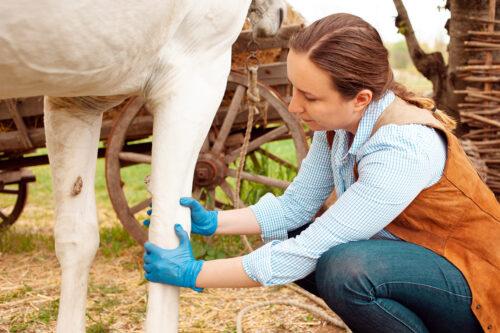
There are some possible side effects to consider before pursuing biologic regenerative therapies for your horse. Skin punctures during collection and administration can lead to:
- Irritation
- Hematomas
- Pain
- Swelling
If your horse seems to have pain or inflammation at the treatment site(s), your veterinarian may recommend a short course of anti-inflammatory medications such as NSAIDs.
Additionally, there is a chance of infection at the implantation site. Needle tracts can persist at the site of stem cell implantation for several months after the procedure. These tracts do not usually cause any adverse effects. [17]
Frequently Asked Questions
Here are some frequently asked questions about stem cell therapy in horses:
Stem cell therapy is a biologic therapy that uses the horse’s own biological material to help promote healing. The process involves extracting bone marrow or fat cells from the horse and sending it to a laboratory. At the lab, the cells are turned into a solution and the stem cells encouraged to multiply. Once the concentration of stem cells is sufficient, they are injected into the horse where it is injured or diseased. The stem cells then differentiate into the types of cells the injury or disease needs in order to heal. [10][21]
Although the early data is promising, there is not yet sufficient evidence to determine how effective equine stem cell therapy is. It appears that this type of therapy can help promote healing, especially in injured tendons and ligaments, without the normal development of scar tissue.
Currently, the most common use of stem cell therapy in horses is for tendon and ligament repair. Other areas being explored include wound healing, soft palate surgery, deep wounds in foals, infected pressure sores, chronic dermal wounds, corneal damage, retinal detachment, cartilage defects, osteoarthritis, bone healing, laminitis, nerve and spinal cord injuries. [11][14][18]
The limitations of stem cell therapy relate to how early we are in the exploration of this regenerative medicine. There are very few studies that have control groups and randomized trials. There has not been sufficient time to develop reliable procedures or best practices. There is not currently any long-term research that shows the results of the therapy over time. [17]
Summary
Stem cell therapy is a biologic therapy that uses stem cells to treat injuries and diseases. This type of therapy is in its nascence and therefore has yet to be proven, though it is a promising area of research especially for treating tendon and ligament injuries in horses.
- Stem cells are unique cells that are capable of differentiating into various specialized cell types within the body
- Stem cell therapy involves harvesting stem cells and then reinjecting them into an injured area
- Stem cells can be harvested from certain parts of the body, and can only differentiate into cells found in that part
- Injecting stem cells into injured tissues improves the quality of tissue repair and reduces the formation of scar tissue
- Other areas where stem cell therapy may be useful include wound healing, soft palate surgery, corneal damage, cartilage defects, laminitis, osteoarthritis among many others
References
- Knott. L. E. et al., Current Use of Biologic Therapies for Musculoskeletal Disease: A Survey of Board-Certified Equine Specialists. Veterinary Surgery. 2022.
- Lopez. M. J. and Jarazo. J., State of the Art: Stem Cells in Equine Regenerative Medicine. Equine Veterinary Journal. 2015.
- Platelet-Rich Plasma (PRP) Injections. 2023.
- McCarrel. T. M., Equine Platelet-Rich Plasma. The Veterinary Clinics of North America. Equine Practice. 2023.
- IRAP. Atlantic Equine Services.
- Pro Stride APS. Zoetis. 2025.
- Koch. T. G. et al., Current and Future Regenerative Medicine — Principles, Concepts, and Therapeutic Use of Stem Cell Therapy and Tissue Engineering in Equine Medicine. The Canadian Veterinary Journal. 2009.
- Richardson. L. E. et al., Stem Cells in Veterinary Medicine – Attempts at Regenerating Equine Tendon after Injury. Trends in Biotechnology. 2007. View Summary
- Koch. T. G. et al., Concepts for the Clinical Use of Stem Cells in Equine Medicine. The Canadian Veterinary Journal. 2008. View Summary
- Stem Cell Therapy. Atlantic Equine Services.
- Gugjoo. M. B. et al., Equine Mesenchymal Stem Cells: Properties, Sources, Characterization, and Potential Therapeutic Applications. Journal of Equine Veterinary Science. 2019. View Summary
- Adult and Embryonic Stem Cells - Living Organisms - KS3 Biology. BBC Bitesize. 2025.
- Borjesson. D. L. and Peroni. J. F., The Regenerative Medicine Laboratory: Facilitating Stem Cell Therapy for Equine Disease. Clinics in Laboratory Medicine. 2011. View Summary
- Schnabel. L. V. et al., Therapeutic Use of Stem Cells in Horses: Which Type, How, and When?. The Veterinary Journal. 2013. View Summary
- Carvalho. A. M. et al., Equine Tendonitis Therapy Using Mesenchymal Stem Cells and Platelet Concentrates: A Randomized Controlled Trial. Stem Cell Research & Therapy. 2013.
- Reed. S. A. and Leahy. E. R., GROWTH AND DEVELOPMENT SYMPOSIUM: Stem Cell Therapy in Equine Tendon Injury1. Journal of Animal Science. 2013. View Summary
- Smith. R. K. W., Mesenchymal Stem Cell Therapy for Equine Tendinopathy. Disability and Rehabilitation. 2008. View Summary
- Colbath. A. C. et al., Equine Models for the Investigation of Mesenchymal Stem Cell Therapies in Orthopaedic Disease. Operative Techniques in Sports Medicine. 2017.
- Kornicka. K. et al., Stem Cells in Equine Veterinary Practice—Current Trends, Risks, and Perspectives. Journal of Clinical Medicine. 2019. View Summary
- Delling. U. et al., Comparison of Bone Marrow Aspiration at the Sternum and the Tuber Coxae in Middle-Aged Horses. Canadian Journal of Veterinary Research. 2012.
- Procedures Aspirating from the Sternum. Equine Partners America. 2024.
- Peters. A. E. and Watts. A. E., Biopsy Needle Advancement during Bone Marrow Aspiration Increases Mesenchymal Stem Cell Concentration. Frontiers in Veterinary Science. 2016. View Summary
- Clinic. B. R. E., Collecting Equine Bone Marrow For Stem Cell Therapy . Blue Ridge Equine Clinic. 2023.