English






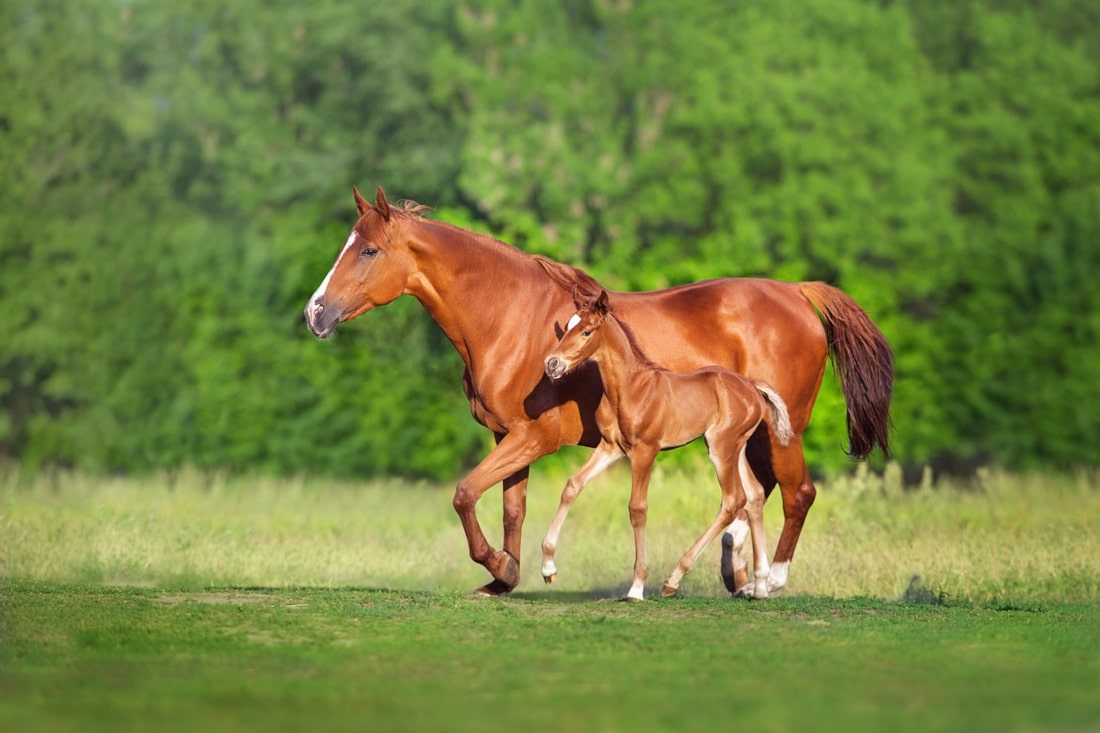
Threadworms (Strongyloides westeri) are an intestinal parasite that primarily affects newborn foals, making them one of the earliest parasitic threats in a young horse’s life.
Foals are most commonly infected through the mare’s milk shortly after birth, allowing larvae to establish in the intestines within the first days of life. [1] Although adult horses typically develop immunity, mares can act as a persistent reservoir, passing infection to successive foals.
Most infections are mild and resolve as the foal’s immune system matures. However, heavy parasite burdens can cause diarrhea, poor growth, and weakness, requiring veterinary intervention.
Understanding how threadworms spread, their life cycle, and appropriate prevention strategies is essential for protecting foal health during the critical early weeks of life.
Threadworms (Strongyloides westeri) in Horses
Strongyloides westeri, commonly called threadworms because of their thin, thread-like appearance, are small intestinal parasites that mainly affect foals and very young horses during their first few months of life. These parasites occur worldwide, including in Canada and the United States. [2][3]
Many foals carry the parasite without showing symptoms, but heavy infections can cause diarrhea, dehydration, poor growth, and low energy.
In rare cases, larvae entering through the skin may cause mild irritation or small sores. [2][3][4][5]
Environmental conditions, such as warm, humid weather and dirty or damp foaling areas, make infections more likely. Because foals are most vulnerable in their first weeks of life, keeping foaling areas clean, practicing good hygiene, and monitoring young foals are key steps for prevention. [2]
Studies suggest that between 5 and 50 percent of foals under two months old on managed farms may have Strongyloides eggs in their feces, indicating the parasite is fairly common. [5][6][7]
Life Cycle
Strongyloides westeri has a direct life cycle and can progress through all stages within the horse or the environment.
Mares usually become infected when they are foals, through ingestion of larvae from contaminated bedding or pasture, or occasionally via skin penetration.
In the environment, eggs hatch into larvae that either develop into free-living adults or infective larvae ready to infect a new host. Warm, moist conditions support larval survival and development.
Foals are primarily infected through: [1][4][5]
- Transmammary transmission: The primary source of foal infection is through the dam’s milk. Larvae live in the mare’s body and become active around foaling, moving into the milk so they can infect the nursing foal.
- Ingestion: Foals may swallow larvae while nursing or from contaminated bedding or pasture.
- Skin penetration: Less commonly, larvae enter the foal’s system through the skin.
Once inside the foal, larvae migrate through the lungs and sometimes other tissues, such as the liver or abdominal tissues, before reaching the intestine. There, they mature into adult female worms.
Larvae that enter through the skin or are ingested may take slightly different tissue routes, but all eventually develop in the intestine. [8]
Adult females attach to the intestinal lining, causing irritation, inflammation, diarrhea, and reduced nutrient absorption. Rarely, skin-penetrating larvae can cause mild sores or irritation. [5]
Larvae can appear in mare’s milk as early as five days after foaling, peaking around 10 to 14 days, and may remain for up to 6–8 weeks. Foals can begin shedding eggs in their feces as early as 5 days old, indicating that the parasite can reproduce very quickly. [5]
Foals gradually develop immunity as they grow, making the first few weeks to months of life the most critical for preventing or controlling infection. Maintaining clean foaling areas, good hygiene, and early preventive care are essential to protect young foals. [2][8][9]
What's your top priority with your horse's health?

Enter your email to receive your store credit
Symptoms
In many cases, foals infected with Strongyloides westeri show no obvious symptoms. However, heavy infections can cause noticeable health problems.
When present, signs of threadworms in foals may include: [1][2][4][5]
- Diarrhea: Yellowish diarrhea, often seen in foals between 2 weeks and 4 months of age
- Poor growth or weight gain: Foals may fail to thrive due to reduced nutrient absorption
- Lethargy: Infected foals may appear weak or less active than their peers
- Dehydration: A consequence of persistent diarrhea, sometimes severe
- Skin lesions: Rarely, small sores or irritation where larvae penetrated the skin
- Edema: Swelling, especially around the legs or belly, which may occur in more severe infections due to fluid imbalance and protein loss
The severity of clinical signs depends on parasite load, environmental hygiene, and the foal’s overall health. Early recognition and monitoring are essential to prevent complications and support healthy growth.
Diagnosis
Diagnosing Strongyloides westeri in foals requires a combination of clinical observation, fecal testing, and consideration of environmental risk factors. Because many infections are mild or subclinical, careful evaluation is essential to identify affected foals and determine whether treatment is needed. [1]
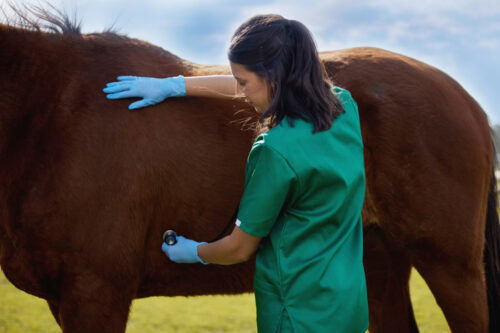
Veterinarians first assess foals for common signs of infection, including diarrhea, poor growth, dehydration, low energy, and, occasionally, skin irritation or mild sores.
If threadworms or other parasites are suspected, fecal testing is required to confirm diagnosis and guide treatment.
Fecal Testing
Fecal testing is the most reliable method to confirm infection. S. westeri eggs are shed in the foal’s feces and can be detected and identified under a microscope. [11]
The accuracy of fecal testing can be impacted by the quality of sample collection. Factors for owners to consider when collecting fecal samples for their veterinarian include: [11]
- Timing: Fecal exams are most accurate when foals are 1–4 weeks old, as egg shedding peaks during this period. Testing too early or too late can produce false negative results.
- Sample collection: Fresh feces collected directly from the foal or immediately after defecation provide the most reliable results. Taking multiple samples over several days improves test accuracy.
- Storage and transportation: Ensure fecal samples are stored in a clean, sealed bag or container at fridge temperature ( 2 – 8°C / 35 – 46°F). Never freeze fecal samples prior to transportation.
Sample Collection
Gathering manure for parasite testing is a simple process that most horse owners can do themselves. In some situations, a veterinarian may obtain the sample during a brief rectal exam.
To collect an equine fecal sample for analysis: [11]
- Write your horse’s name and the collection date on a zip-top bag
- If using a bag, turn the bag inside out and place it over your hand
- Pick up 1–2 fresh manure balls with your covered hand. If the sample is loose, scoop up at least 1/4 cup of soft feces
- Use your free hand to flip the bag right-side out so the sample drops inside
- Press out excess air before sealing the bag, as oxygen can encourage egg hatching
- Keep the sample cool, such as in a refrigerator
- Submit the sample to your veterinarian within 48 hours
Types of Tests
The veterinary clinic usually performs both types of fecal testing: [2][11]
- Floatation: Confirms whether eggs are present in the feces. Useful for detecting infection but does not provide details about parasite load.
- Fecal egg count (FEC): Measures the number of eggs per gram of feces to estimate parasite load. Helps guide treatment and monitor response.
- Microscopy: Eggs from the sample are viewed under a microscope. The type of parasite can be identified according to egg shape, size, and wall thickness.
Differential Diagnosis
Because diarrhea and poor growth in foals can have many causes, veterinarians must rule out other conditions, including: [5][10][12][13][14][15]
- Foal heat diarrhea: Mild diarrhea that resolves on its own in foals 5–14 days old, with the foals otherwise appearing healthy.
- Viral enteritis: Rotavirus or coronavirus can produce watery diarrhea, mild lethargy, and occasional dehydration. Viral outbreaks may affect multiple foals.
- Bacterial infections: Clostridium perfringens or Salmonella can cause more severe diarrhea, fever or systemic illness.
- Other parasites: Roundworms (Parascaris equorum) or other gastrointestinal parasites may contribute to diarrhea or poor growth in older foals, though they are uncommon in the first weeks of life.
Accurate diagnosis allows targeted treatment and monitoring of parasite load, helping ensure foals grow healthy and avoid complications related to heavy infections.
Treatment
Treating Strongyloides westeri focuses on eliminating the parasite from the foal while addressing any clinical signs such as diarrhea or dehydration.
Treatment generally involves anthelmintic therapy and supportive care.
Several effective parasiticides are available to treat S. westeri infections: [1][2][5]
- Ivermectin: Widely used and effective against both adult worms and migrating larvae.
- Oxibendazole: A common choice for young foals.
- Fenbendazole: An alternative when other options are unavailable or unsuitable.
It is essential to work closely with your veterinarian to determine the most appropriate medication, dosage, and timing based on the foal’s age, health, and risk of reinfection.
Veterinarians can also advise on whether proactive treatment of broodmares is advised towards the end of gestation. This practice can reduce transmission through milk, which is a major source of early infection.
Foals affected by diarrhea or dehydration may require additional care to maintain hydration and support healthy growth. Oral or intravenous fluids can help restore hydration and prevent complications, while encouraging nursing and monitoring feed intake ensures adequate nutrition during recovery. [1]
Close observation during this period allows for prompt intervention if the foal’s condition worsens. Follow-up fecal examinations are also recommended to confirm the parasite has been cleared and to monitor for reinfection.
Working with your veterinarian throughout this process ensures affected foals receive appropriate supportive care tailored to their specific needs.
Prognosis
Foals with mild Strongyloides westeri infections often recover without veterinary intervention as their immune systems develop.
Diarrhea and other mild symptoms usually resolve without lasting effects, and foals continue to grow normally. [1]
When infections are more severe, timely treatment with effective parasiticides and supportive care such as fluids and nutritional monitoring increases the chance of a positive outcome.
Early intervention helps prevent dehydration, poor weight gain, and other complications.

Prevention & Management
Preventing Strongyloides westeri infection is easier than treating heavy infections. Effective management includes mare treatment, foal monitoring, strategic deworming, and maintaining environmental hygiene.
Mare Treatment
Treating mares with ivermectin or moxidectin near foaling time helps prevent the migration of larvae into the milk, which is a major source of early-life infection for foals. [2]
Reducing the mare’s parasite load also decreases environmental contamination in the foaling area, lowering the overall risk for newborns. [2]
Foal Deworming
Deworming should start from one month of age. Working with your veterinarian is essential to choose the right products, timing, dosage and monitoring plan, ensuring effective parasite control while minimizing the risk of resistance. [1]
Foal Monitoring
Close observation of foals is essential, particularly in the first weeks after birth. Monitoring should include growth rates, nursing behavior, activity levels, and stool consistency. [1]
Early detection of diarrhea or other clinical signs allows for timely intervention, whether through supportive care, targeted deworming, or veterinary assessment. Follow-up fecal exams provide valuable information on parasite load, helping guide future treatment and management decisions. [1]
Barn Hygiene
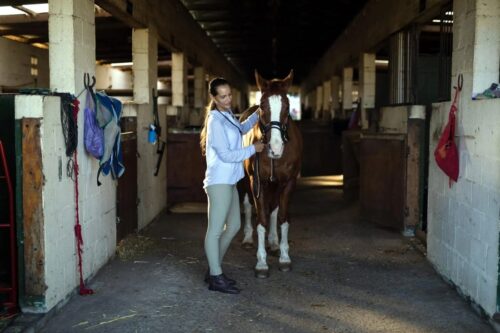
Environmental management is critical in controlling Strongyloides westeri, as larvae thrive in warm, moist, and soiled conditions.
Best practices include: [2][16]
- Daily removal of manure and soiled bedding from stalls
- Keeping foaling stalls dry and well-ventilated to reduce larval survival
- Regular cleaning and disinfecting of equipment such as buckets, feeders, and grooming tools
Pasture & Turnout
Outdoor areas also pose a risk for S. westeri transmission.
Effective strategies to minimize exposure risks include: [2][16]
- Rotating pastures to avoid areas heavily contaminated with feces
- Minimizing overcrowding to reduce environmental contamination
- Frequent removal of manure from turnout areas
These measures help prevent larvae from being ingested or penetrating the skin.
The most effective prevention program combines mare treatment, foal monitoring, targeted deworming, and careful management of the environment.
Farm-specific parasite control plans, developed in consultation with a veterinarian, ensure that each farm’s unique conditions—such as climate, pasture use, and parasite history—are taken into account.
Maintaining detailed records of treatments and foal health allows for ongoing adjustments to improve outcomes and minimize infection risk over multiple foaling seasons.
Frequently Asked Questions
Here are common questions horse owners ask about threadworms (Strongyloides westeri) in foals:
Threadworms are small intestinal parasites (Strongyloides westeri) that primarily affect newborn foals. They are one of the earliest parasites foals may encounter, often appearing within the first few weeks of life.
Foals most commonly become infected by ingesting threadworm larvae through the mare’s milk shortly after birth. In rare cases, larvae can also penetrate the skin from contaminated environments, such as damp or dirty bedding.
Many foals show no obvious signs, but heavier infections can cause diarrhea, dehydration, poor weight gain, weakness, and reduced energy. Skin irritation may occur if larvae enter through the skin.
Threadworms are typically treated with veterinary-approved dewormers such as ivermectin, oxibendazole, or fenbendazole. In cases where foals develop diarrhea or dehydration, supportive care may also be required. Treating the mare around foaling can help reduce transmission to the foal.
Most infections are mild and resolve as the foal’s immune system matures. However, heavy parasite burdens can negatively affect growth and hydration, making early detection and appropriate management important.
Studies suggest that between 5 and 50 percent of foals under two months of age on managed farms may shed threadworm eggs in their manure, indicating that the parasite is relatively common in young foals.
Threadworms get their name from their thin, thread-like shape, which distinguishes them from many other intestinal parasites found in horses.
Summary
Threadworms (Strongyloides westeri) primarily affect newborn foals and are often transmitted through the mare's milk, contaminated bedding, or pasture.
- Many infections are mild or show no symptoms, but heavy infections can cause diarrhea, dehydration, poor growth, low energy, and occasionally skin lesions
- Larvae can infect foals through ingestion, skin penetration, or transmammary transmission
- Treatment focuses on eliminating parasites with anthelmintics and supporting foals with fluids and nutrition.
- Deworming mares close to the end of gestation helps prevent milk-borne infections
- Prevention and management include mare treatment, foal monitoring, clean stalls and pastures, pasture rotation, and a farm-specific parasite control plan with veterinary guidance
References
- Baxter. R. and Lloyd. S. Strongyloides Westeri Infection in Horses (Equis). Vetlexicon.
- Strongyloides Westeri - Learn About Parasites - Western College of Veterinary Medicine. Western College of Veterinary Medicine. 2021.
- Abbas. G. et al. A National Survey of Anthelmintic Resistance in Ascarid and Strongylid Nematodes in Australian Thoroughbred Horses. International Journal for Parasitology: Drugs and Drug Resistance. 2024.
- Abbas. G. et al. Molecular Detection of Strongyloides Sp. in Australian Thoroughbred Foals. Parasites & Vectors. 2021.
- Nielsen. M. K. and Boyle. A. G. Gastrointestinal Parasites of Minor Clinical Importance in Horses - Digestive System. Merck Veterinary Manual. 2024.
- Lyons. E. T. and Tolliver. S. C. Prevalence of Patent Strongyloides Westeri Infections in Thoroughbred Foals in 2014. Parasitology Research. 2014.
- Kirtland. A. et al. Strongyloides Westeri Infection on a Thoroughbred Breeding Farm in Ireland (2014–2019): Prevalence, Risk Factors and Peripartum Ivermectin. Equine Veterinary Education. 2023.
- Lyons. E. T. et al. On the Life Cycle of Strongyloides Westeri in the Equine. The Journal of Parasitology. 1973.
- Lyons. E. and Tolliver. S. C. Review of Some Features of the Biology of Strongyloides Westeri with Emphasis on the Life Cycle. Helminthologia. 2025.
- Sgorbini. M. et al. Foal-Heat Diarrhea Is Not Caused by the Presence of Yeasts in Gastrointestinal Tract of Foals. Journal of Equine Veterinary Science. 2008.
- Nicola Pusterla and Jill Higgins, Interpretation of Equine Laboratory Diagnostics. Wiley-Blackwell, Hoboken, NJ. 2017.
- Oliver-Espinosa. O. Foal Diarrhea: Established and Postulated Causes, Prevention, Diagnostics, and Treatments. Veterinary Clinics: Equine Practice. Elsevier. 2018.
- Stewart. A. J. Viral Diarrhea in Foals - Digestive System. Merck Veterinary Manual. 2024.
- Young. A. Clostridium Perfringens. UC Davis School of Veterinary Medicine. 2020.
- Klei. T. R. Gastrointestinal Parasites of Horses - Horse Owners. Merck Veterinary Manual. 2024.
- Kirkland. B. Whole-Farm Management Strategies for Equine Internal Parasites. PennState Extension. 2024.