English





Toys for horses can help reduce boredom, encourage movement, and support mental stimulation, especially for horses kept in stalls or with limited turnout.
While horses naturally spend hours grazing, exploring, and interacting with other horses, domestic management often restricts these behaviors. Without adequate enrichment, confined horses may develop stress-related behaviors such as cribbing, weaving, or stall walking.
Horse toys and enrichment tools are designed to promote curiosity, play, and problem-solving. However, not all stall toys for horses are equally effective. The best toys for horses are durable, safe, and matched to the horse’s environment and personality.
This guide explains how toys for horses support equine enrichment, which types of horse stall toys tend to work best, and how to use them safely as part of a balanced management program that includes forage, turnout, and social interaction.
Types of Toys for Horses
Toys for horses are designed to simulate natural behaviors such as foraging, exploration, manipulation, and play.
Because horses differ in temperament, motivation, and environment, enrichment tools are often grouped into categories based on how they engage the horse, whether through food rewards, movement, oral interaction, or problem-solving.
Understanding these categories helps ensure toys are selected based on how they engage the horse, not just how they look or how they are marketed.
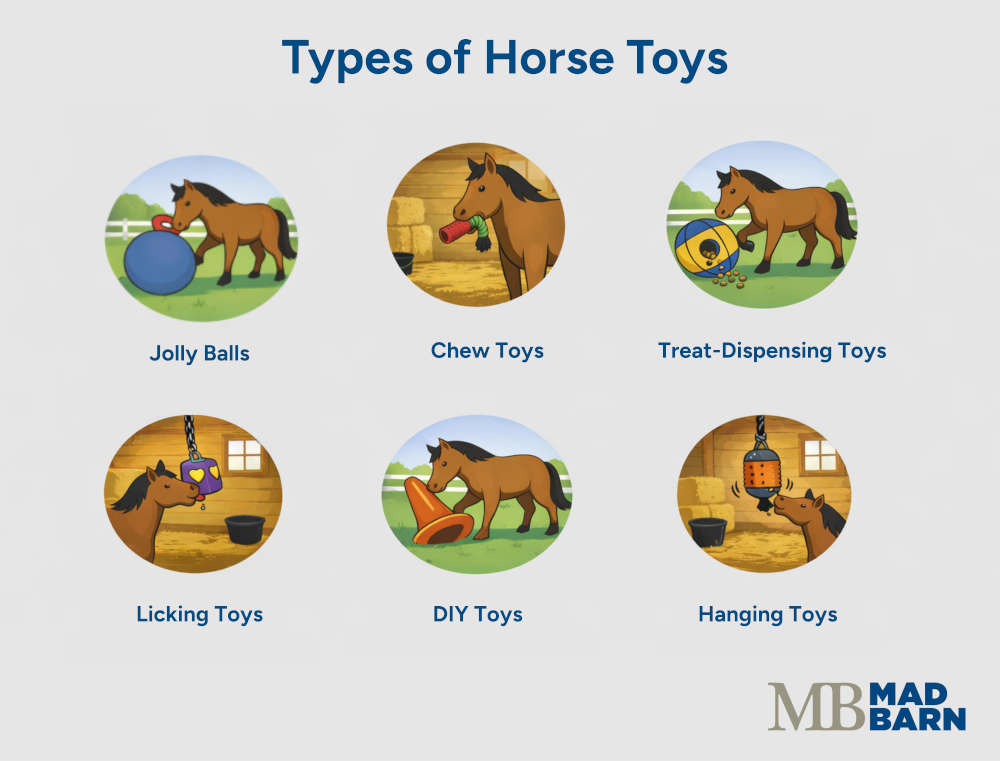
Most horse toys fall into six broad categories:
- Food-based or treat-dispensing toys
- Hanging or suspended toys
- Balls and movement-based toys
- Licking or mineral-based toys
- Chew toys
- DIY or repurposed enrichment items
Each type stimulates different behavioral drives. Some encourage movement and locomotion, others promote oral engagement, and food-based designs tap into natural foraging motivation.
While toys can help reduce boredom and redirect idle behaviors, they work best when integrated into a broader management plan that prioritizes forage access, turnout, and social interaction. The sections below explain how each toy type works, when it’s most useful, and what limitations to consider.
Treat-Dispensing Toys
Treat-dispensing toys release small amounts of feed, pellets, or treats when pushed, rolled, or nudged around. By engaging a horse’s curiosity and rewarding persistence, this toy design provides both entertainment and a trickle-feeding opportunity, preventing gorging and reducing boredom. [1][2]
Food-based toys tend to hold horses’ attention longer than non-edible toys, as horses are usually more motivated to interact when a reward is present.
For horses confined to stalls or recovering from injury, treat-dispensing toys can be especially valuable, providing both a distraction and a positive outlet for energy that might otherwise manifest as unwanted behavior. [3][4]
If a toy is too difficult to operate or the reward is inconsistent, some horses may become frustrated, anxious, or aggressive. Matching a toy’s challenge level to a horse’s abilities and observing their behavior when playing helps ensure enrichment items are beneficial instead of counterproductive. [3][4]
Hanging Toys
Hanging toys attach to ceilings, walls, or stall doors and move when nudged or pulled, which can attract a horse’s curiosity. Use of vertical space allows hanging toys to fit well in smaller stalls or high-traffic barns, as they don’t take up floor space. [4]
Equine interaction with hanging toys often involves nibbling, pushing, or swinging objects with the lips or nose, making them suitable for redirecting oral behaviors towards a safe outlet. [4]
Hanging toys often retain horses’ interest longer than static items, since they maintain their novelty for longer. Adjusting placement, adding new scents or contents, or rotating different hanging toys can help sustain engagement over time. [4]
What's your top priority with your horse's health?

Enter your email to receive your store credit
Balls for Pushing & Kicking
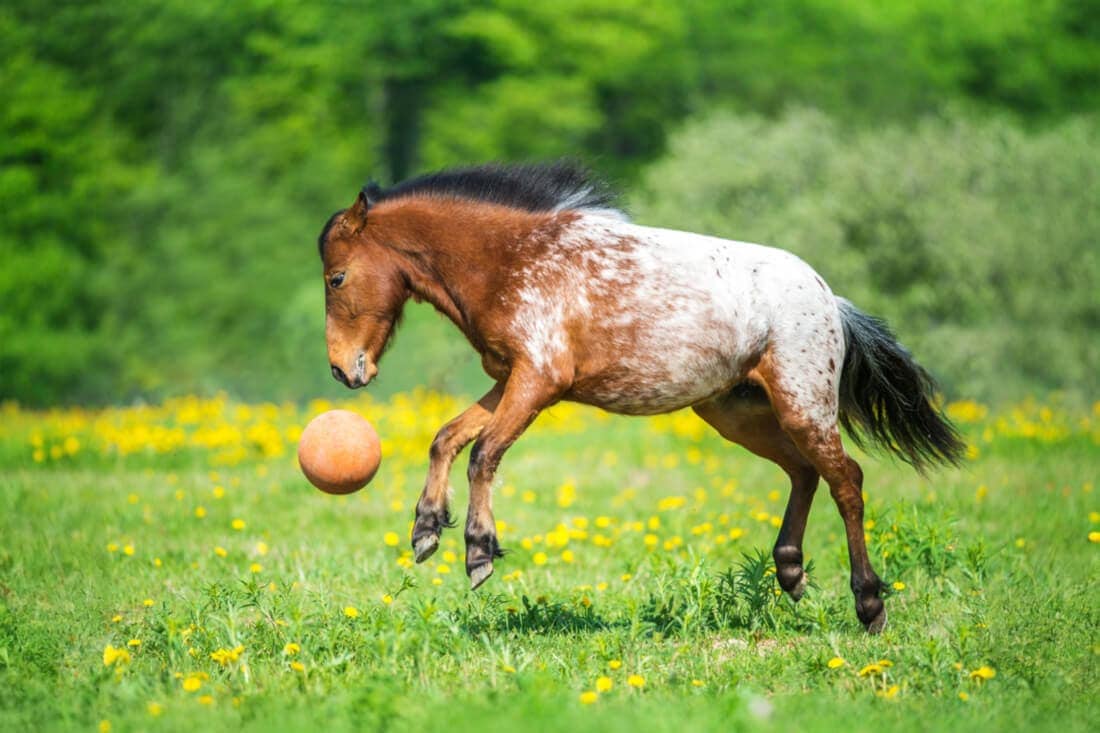
Large, durable balls are popular toys for horses who enjoy interactive play and physical activity. These toys can be pushed, chased, or kicked, mimicking playful behavior seen in turnout groups or young horses at play. Balls encourage horses to move around, promoting light exercise, agility, and coordination.
When used in groups, balls can also foster social play and interaction, though supervision is recommended to prevent escalating competition over the toy.
To prolong engagement, rotating balls with other toys or adding variety (such as different colors or scents) can be effective. Benefits are most noticeable for energetic horses, younger individuals, or those requiring additional stimulation during turnout [5]
Licking Toys
Licking toys provide flavored blocks, mineral supplements, or salt licks that encourage licking and mouthing behavior. Slow, repetitive interaction supports calm, sustained engagement, particularly for horses kept in stalls for extended periods. [6]
Alongside mental stimulation, licking toys can supply minerals such as sodium, chloride, potassium, magnesium, and trace elements including zinc, iron, and calcium. These nutrients contribute to hydration, nerve signaling, and normal physiological function. [7]
With that being said, salt blocks are not a substitute for ensuring adequate sodium intake, since the amount of salt ingested from a block is highly variable.
Salt licks and trace mineral blocks were originally developed for cattle, who have much rougher tongues and are better able to extract nutrients from a block. Horses have softer, more sensitive tongues that are not as well suited to consuming salt or minerals this way.
Because of this, our nutritionists recommend providing free-choice access to loose salt and adding 2 tbsp of loose salt to the daily ration.
The suitability of licking toys varies between horses. Flavored products may contain added sugars or molasses, which can increase caloric intake or worsen existing conditions such as insulin resistance or obesity. Monitoring intake helps align use with individual dietary needs.
Chew Toys
Chew toys suit horses with a strong urge to bite or gnaw, offering a safer option than chewing fences, stall gates, or other stable surfaces.
Chew toys are particularly useful for younger horses, who often explore their environment through mouthing, or for horses on stall rest that need additional mental stimulation.
Materials include tough, non-toxic rubber built to withstand strong jaws, as well as rope chews that provide a softer texture for horses who enjoy tugging or mouthing. Use of these toys can limit damage to stable fittings and reduce the risk of ingesting splinters or paint chips. [8]
Regular inspection for wear, fraying, or tearing helps reduce risks from loose or damaged pieces that could lead to injury or choking. Rotating different chewable options may also help maintain interest and support ongoing enrichment over time. [8]
DIY Horse Toys
With a bit of creativity, DIY toys can provide just as much stimulation and fun as commercial options while remaining budget-friendly and customizable. Homemade horse toys offer a cost-effective way to add enrichment while repurposing common items.
Options for making your own horse toys include:
- Plastic jug feeders filled with pellets or treats release small amounts of feed when rolled or nudged, encouraging foraging and simple problem-solving.
- Vegetable strings made by threading horse-safe produce onto rope and hanging it in a stall or paddock can turn feeding into an interactive activity.
- Large, sturdy items such as traffic cones or barrels prompt pushing, flipping, or rolling, offering physical and mental stimulation.
When making homemade toys, safety is a priority. Safe materials avoid sharp edges, splintering, breakage, and choking risks. Inspect toys regularly for signs of wear, and remove damaged toys immediately to prevent injury.
As with other items, rotating DIY toys or making small changes, such as altering scents or treats, can help maintain interest over time.
What Toys Do Horses Like the Most?
Not all toys for horses hold the same level of interest over time.
Toys can engage horses, though interest and attention often vary between individuals. Curiosity is common when a new item appears, with use often dropping when toys lack food rewards or interactive features.
Research shows horses tend to spend very little time with non-edible toys – often less than 0.4% of their day. Interest in rope toys typically fades within a week, while balls may retain appeal slightly longer, likely due to their texture and unpredictable movement. [9]
Similarly, in short-term trials, horses engaged with items such as plastic bottles for about a quarter of the time spent on the first day, and interaction declined even further by the third day. [10]
Patterns of use can differ between individual horses, with variation linked to factors such as sex and temperament. Overall trends suggest novelty plays a central role in maintaining interest. Regularly rotating toys, offering a variety of types, and incorporating feed-based incentives may help maintain engagement and support enrichment goals over time. [9][10]
The Role of Toys in Equine Enrichment
Toys are one form of enrichment that can help fill gaps created by modern management, particularly during periods of stall confinement or limited turnout. Confinement restricts a horse’s ability to move freely, interact socially, and engage in natural foraging behavior, all of which are strongly linked to the development of stereotypic behaviors. [11]
While boredom is a contributor to stereotypic behavior, factors such as diet composition, feeding frequency, and limited social contact play a more significant role. Horses evolved to spend much of their day moving, foraging, and interacting with herd members, and environments that limit these behaviors can create chronic frustration and stress.
When chosen appropriately, toys provide horses with safe, low-effort opportunities to interact with their environment, encouraging engagement when natural behaviors like grazing, movement, and social interaction are restricted.
For example, a study of “spinning sweet” toys showed a reduction in cribbing behavior as a result, but horses in the study only spent an average of 5% of the day playing with the toy. [12] This level of engagement is unlikely to fully address boredom or resolve stereotypies.
Like other stereotypies, cribbing is commonly linked to dietary factors and stress, and toys primarily redirect a horse’s attention for short periods. When contributing conditions remain unchanged, stereotypic behaviors often return.
Addressing boredom does not replace the need for adequate forage access or social housing, but it can help reduce idle time and support mental engagement within the constraints of domestic management.
The Importance of Equine Enrichment
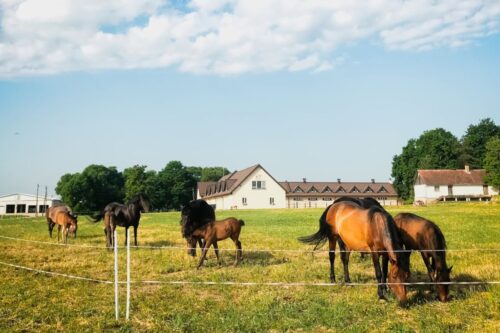
Wild horses spend their days grazing, moving across varied terrain, and interacting with other herd members. Domestic settings often limit turnout and social contact, reducing chances for movement and interaction.
Enrichment is a husbandry practice designed to improve the living conditions of domesticated horses by enhancing their environment. It involves providing meaningful environmental stimulation to support your horse’s mental well being and encourage natural behaviors. [13]
When implemented thoughtfully, enrichment allows horses to express species-appropriate behaviors, helping to reduce boredom and lower the risk of developing stereotypic behaviors.
Stereotypic behaviors are observed in approximately 10–20% of domesticated horses. [11] Equine behavior experts suggest these repetitive behaviors develop as coping mechanisms in response to environments that do not meet a horse’s natural behavioral needs.
Challenges of the Domesticated Environment
In their natural environment, horses spend up to 75% of their day engaged in foraging behavior, which encompasses all activities related to acquiring and consuming food. Foraging also includes behaviors such as browsing, selective grazing, sniffing, manipulating forage, biting, and ingestion. [14]
In contrast, domesticated horses may spend as little as 10% of their day foraging. Even during this limited time, they are typically restricted to biting and ingestion, rather than engaging in the full range of natural foraging behaviors. [15]
This reduction in foraging time leaves many domesticated horses with long periods of inactivity, during which few alternative behaviors are available.
Locomotion (walking) is another critical component of natural equine behavior, particularly during grazing and foraging. In the wild, horses rarely take more than one or two mouthfuls before moving on to a new location. Domesticated horses, however, are often fed in a single area or remain stationary for extended periods, resulting in minimal movement throughout the day. [15]
In addition, domestic horses rarely cover as much ground as their wild counterparts. Feral horses occupy home ranges that vary widely depending on resource availability. Studies of Przewalski horses report home range sizes ranging from as little as 0.75 km² (185 acres) to as large as 1,356 km² (335,075 acres). [16]
In contrast, domestic horses often have limited opportunities for free movement due to confinement in stalls, paddocks, or small pens. [17] Research has shown that horses housed in small pens or paddocks may travel as little as 1.1 km (0.7 mi) per day, compared to approximately 7.2 km (4.5 mi) per day for horses kept on pasture. [18]
Together, these differences between natural and domestic living conditions highlight why enrichment is such an important part of modern horse care. By addressing gaps in movement, foraging, and behavioral expression, enrichment helps create environments that better support a horse’s physical and mental well being.

How to Choose the Right Toys for Your Horse
Selecting an appropriate toy for a horse depends on their personality, preferences, and environment. Some horses show more interest in food-based or puzzle toys, while others respond more to movement, sound, or tactile interaction such as pushing large balls or pulling hanging ropes.
Temperament plays a role in how horses engage with enrichment. Geldings might spend more time interacting with toys, while stallions may lose interest sooner. [12]
Watching how a horse responds to different types of stimulation helps identify which toys are more likely to hold attention over time.
Prioritize Safety
Safety is essential when introducing any toy to horses. Materials should be non-toxic and durable enough to tolerate chewing, kicking, or pushing without breaking apart.
Small or detachable components increase choking risks, while hanging toys work best when secured at heights that limit entanglement risk. Routine inspection enables worn or damaged items to be removed before they become unsafe.
Rotate toys
Rotation supports continued interest as horses become familiar with objects over time. Changing toys every one to two weeks, altering placement, or combining different formats such as movement-based and food-based items can refresh engagement over time.
Adding new challenges, such as hiding treats or combining different toy types, can further stimulate curiosity and prevent boredom.
Enrichment Beyond Toys
Toys for horses contribute to mental and physical stimulation, though they represent only one part of a broader enrichment strategy.
Forage-based feeding is one of the simplest and most natural forms of enrichment. Slow feeders, hay nets, or distributing multiple hay piles around a paddock extend grazing time and reflect natural foraging patterns. This also supports horses’ digestive health by promoting steady intake.
Turnout with other horses also plays an important role in horse welfare. Social interaction allows opportunities for play, mutual grooming, and shared movement that toys cannot replace. Regular access to compatible companions supports calmer behavior and improved daily engagement.
Environmental variety adds another layer of enrichment. Introducing safe obstacles, logs, or even scent-based enrichment can spark curiosity and exploration. Rotating these elements or rearranging paddock features can keep the environment fresh and engaging.
Structured training activities such as liberty work, clicker training, or simple groundwork exercises provide mental challenges, strengthen communication between horse and handler, and give horses a task to focus on.
When combined with proper nutrition and consistent management practices, these enrichment methods create a more stimulating and balanced lifestyle for horses, enhancing both their physical health and emotional well being.
Frequently Asked Questions
Here are some frequently asked questions about the best toys for horses:
The best toys for horses kept in stalls are those that encourage slow, sustained interaction without creating safety risks. Treat-dispensing toys, hanging toys secured at an appropriate height, and durable licking toys tend to work well. Stall toys are most effective when combined with adequate forage and rotated regularly to maintain interest.
Toys that include a food reward typically hold horses’ attention the longest. Treat-dispensing toys engage natural foraging behavior and often result in more consistent interaction than non-edible toys. Balls and hanging toys may interest some horses, but engagement varies widely depending on temperament and environment.
Toys can help reduce idle time and redirect attention, but they do not address the root causes of cribbing or stall walking. Stereotypic behaviors are more strongly linked to limited forage access, confinement, and stress. Toys may provide temporary distraction, but management changes are usually necessary for meaningful improvement.
Rotating horse toys every one to two weeks helps maintain novelty and prevent loss of interest. Horses often interact less with toys once they become familiar. Changing placement, alternating toy types, or introducing food-based incentives can help sustain engagement over time.
Horse toys are safe when made from durable, non-toxic materials and matched to the horse’s size and behavior. Avoid toys with small detachable parts, sharp edges, or materials that can splinter. Regular inspection is important, as worn or damaged toys should be removed promptly to reduce injury risk.
Interest in toys varies widely between individual horses. Some show little engagement, especially when they already have ample forage, turnout, or social contact. Others, particularly curious or food-motivated horses, interact readily. Trying different toy types and rotating them helps identify what each horse finds engaging.
DIY toys can be safe when made from durable, non-toxic materials designed to withstand chewing and movement. Smooth surfaces, lack of sharp edges, and avoidance of small detachable parts are essential. Regular inspection matters, since damaged or frayed toys should be removed promptly.
Ball toys can provide useful mental stimulation, especially for curious or playful horses. Large, durable balls designed for livestock reduce the risk of breakage or ingestion. Some horses enjoy pushing or nudging balls, while others ignore them entirely. As with any toy, supervision and regular inspection help ensure safe use.
Miniature horses benefit from toys scaled to their size and strength. Smaller balls, lightweight hanging toys, and enrichment items designed for ponies or small livestock are generally more appropriate than full-size horse toys. Avoid heavy or oversized items that could cause strain or accidental injury.
Horses with metabolic conditions benefit most from toys that encourage slow movement and sustained interaction without offering large food rewards. Durable rubber balls promote curiosity and light exercise without increasing caloric intake. Hanging toys, textured lickable surfaces, and slow-rolling treat dispensers filled with low-calorie forage (e.g., hay cubes rather than grain-based treats) can also support engagement. Always avoid high-sugar or high-starch treats and choose enrichment options that align with your horse’s dietary needs and activity level.
Summary
Toys and enrichment items can support mental engagement and physical comfort in domestic horses, particularly when turnout or social interaction is limited. Effective enrichment works best when paired with thoughtful overall management rather than used as a standalone solution.
- Toys can encourage curiosity and interaction by giving horses safe objects to investigate and manipulate.
- Limited turnout or confinement can increase boredom and stress, which enrichment strategies may help mitigate.
- Enrichment items are most beneficial when combined with adequate forage access and consistent feeding routines.
- Social turnout and environmental variety remain critical components of long-term mental well-being.
- Training and structured interaction can complement toys by providing purposeful mental stimulation.
References
- Goble. A. No Bored Horses. Trafalgar Square Books. 2024.
- Stonebridge. A. and Cumberlidge. J. Barefoot Horse Keeping: The Integrated Horse. The Crowood Press. 2016.
- Equines. E. Are Your Horse Toys and Puzzles Too Hard? Choosing the Right Challenge. Enriching Equines. 2022.
- Stable Enrichment. The British Horse Society. 2026.
- What Are Horse Ball Toys For?. Race and Herd. 2022.
- Salt Licks For Horses - Benefits & Myths. The Equestrian. 2023.
- Nutrient Requirements of Horses: Sixth Revised Edition. National Academies Press, Washington, D.C. 2007.
- Best Chew Toy for Horses. WCIA.com. 2022.
- Stachurska. A. et al. Behavioural Response to the Toy in Adult Horses of Various Breeds, Sexes and Ages. Annales Universitatis Mariae Curie-Skłodowska. Sectio EE: Zootechnica. -. 2013.
- Bulens. A. et al. A Preliminary Study on the Long-Term Interest of Horses in Ropes and Jolly Balls. Journal of Veterinary Behavior. 2015.
- Nicol. C. Understanding equine stereotypies. Equine Vet J Suppl. 1999. View Summary
- Whisher. L. et al. Effects of Environmental Factors on Cribbing Activity by Horses. Applied Animal Behaviour Science. 2011.
- Shepherdson. D.J. Tracing the path of environmental enrichment in zoos. Second Nature – Environmental Enrichment for Captive Animals 1st Edition. 1998.
- Thorne. J. B. et al. Foraging enrichment for individually housed horses: Practicality and effects on behaviour. Applied Anim Behav Sci. 2005.
- McGreevy. P. Equine Behavior - A Guide for Veterinarians and Equine Scientists, page 16. Saunders Elsevier. 2004.
- Ransom. J. Wild Equids. Johns Hopkins University Press. 2016.
- Waran. N. Ed. The Welfare of Horses. Nachdr. Springer, Dordrecht. 2007.
- Hampson. B. A. et al. Distances Travelled by Feral Horses in 'Outback' Australia. Equine Veterinary Journal. 2010. View Summary