English








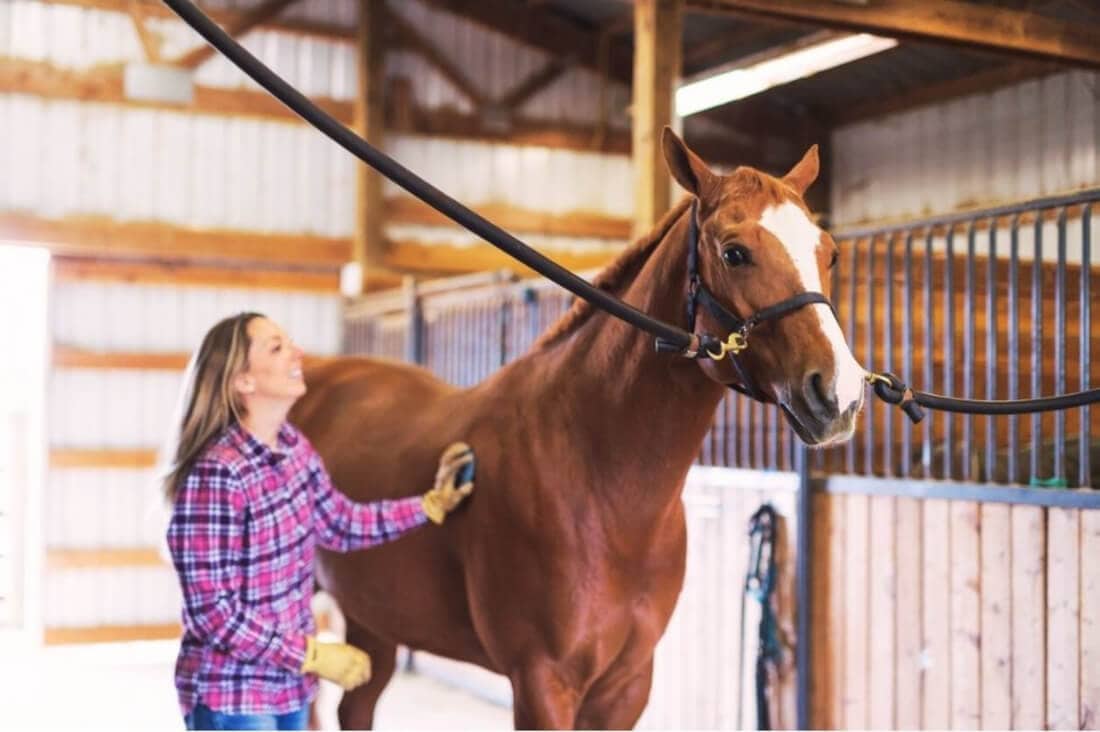
Routine care like veterinary exams, farrier work, dentistry, and grooming are essential parts of keeping a horse healthy, but they can quickly become stressful or even dangerous if a horse won’t stand calmly.
Fidgeting, pulling away, pawing, or bolting not only make these procedures harder to perform, they also increase the risk of injury for the horse, the handler, and the professional providing the service.
The good news is standing quietly can be taught and reinforced through consistent, low-pressure training. By breaking the skill down into manageable steps, rewarding calm behavior, and gradually introducing the types of handling horses experience during veterinary and farrier visits, owners can set their horses up for success.
Keep reading to learn more about practical, evidence-based strategies to help your horse learn to stand patiently for common services. With time and consistency, standing quietly can become a calm, reliable habit rather than an ongoing struggle.
Training a Horse to Stand Quietly
Standing quietly is an important life skill for all horses to have. Not only does this skill help keep you safe while handling your horse, it also supports the safety of equine professionals like farriers, veterinarians, and body workers.
Many horse owners are familiar with training their horse to perform maneuvers under saddle using pressure and release methods. These methods rely on using an aversive stimulus, like squeezing with your leg or pulling on the rein, then removing the stimulus when the horse responds.
Horses show higher stress responses when trained using these methods, which is counterproductive if you need your horse to relax while they are standing. [1] Therefore, positive reinforcement methods are preferred to reduce stress responses and encourage relaxation.
Positive reinforcement works by giving the horse an appetitive (a positive stimulus) when they perform the correct action. For example, when your horse picks up their foot, you may give them a treat to indicate they performed the task correctly.
Many people pair the appetitive with a verbal statement or noise (like a click or saying “good!”) to help mark the correct action via classical conditioning. This is considered a bridge, and it lets the horse know exactly when the correct action was performed.
Using a bridge cue means the treat doesn’t need to be delivered at the precise moment the action is performed; it can be delayed slightly to give the handler time to deliver the appetitive.
Examples of appetitives used in positive reinforcement training of horses include: [2]
- Food rewards, like treats, hay cubes, or pellets
- Human interaction, including petting, scratching, or rubbing
The most common appetitives used in horse training are food rewards. Ensure that the food rewards you select for your horse are suitable for your horse’s dietary needs. For example, horses requiring a low sugar diet may need special horse treats or hay pellets as their primary food reward.
It’s best to use a low-arousal appetitive – start with the lowest value reward (hay/hay pellets) and increase the reward (grains or treats with sugar additives) depending on the horses arousal level and motivation.
What's your top priority with your horse's health?

Enter your email to receive your store credit
Training Your Horse to Stand for Farrier & Vet Care
Standing quietly for farrier, veterinary, or other services requires the horse to perform three tasks:
- Standing when asked, for progressively longer periods
- Remaining relaxed and calm in the environment where the service is performed
- Becoming desensitized to the procedure being performed
All of these tasks can be trained incrementally using positive reinforcement, building up to a horse who stands quietly for the desired service. This requires training sessions well in advance of the service, to ensure the horse understands the concepts so they can succeed.
Having an effective “stand” cue is an important first step. Once a horse can stand on command, you can increase the length of time they are asked to stand until they can stand as long as you need them to for services.
How to Teach Your Horse to Stand
A general approach to teaching your horse to stand may follow this progression:
- Ask your horse to stand by giving a cue (e. g., saying “stand”)
- When the horse stands for 1 – 2 seconds, give a reward
- Repeat this process several times until the horse understands the cue means to stand for 1 – 2 seconds
- Gradually increase the length of time between the cue and the reward
- Work up to standing for 30 seconds, then 1 minute, then several minutes, etc.
If your horse does not stand for the desired length of time, go back to the previous length of the time where the horse was successful. Repeat that length of time several times until the horse is consistent, then try increasing the length of time again.
When teaching to stand, it is important that you do not accidentally reward the horse if they are fidgeting or leaning towards you. They should stand relatively square and without much movement in their head and neck before they get the reward.
You can use a bridge, like a click, to mark the horse’s correct actions. This helps avoid accidentally rewarding fidgety, excited behavior that the horse may display when you reach for your pocket prior to delivering a food reward, for example.
Helping Horses Stay Calm in Service Environments
Once the horse can successfully stand for several minutes without fidgeting, it’s important to ensure they are relaxed and comfortable in their environment.
You can reward calm behavior in a similar fashion to how you taught the horse to stand. Start with rewarding 1 – 2 seconds of calm behavior, and progress slowly.
If the horse is afraid to enter the service environment, such as a veterinary stock, wash bay, or farrier area, you can use positive reinforcement to encourage them to approach the area.
A training plan to teach a horse to enter a strange location may follow this progression:
- Have the horse approach the area until they naturally want to stop or shy away. Reward when they start to show signs of relaxation, such as lowering their head, blowing, or standing still.
- Only ask for 1 – 2 seconds of relaxation before moving on.
- Lead the horse away from the area to give them a short 5 – 10 second break, then reapproach. Stop at the same distance the horse stopped at previously. Reward signs of relaxation and increase the length of time you expect the horse to relax.
- Repeat until the horse is comfortable at that approach distance and stands relaxed for up to 30 seconds.
- Gradually get closer to the area, repeating the above steps as necessary.
Once your horse is able to stand within the service area, reward relaxation and standing quietly. Gradually increase the time required, as you did when teaching them to stand initially.
Applying Desensitization Techniques to Routine Care
Desensitization refers to the process of habituating a horse to a stimulus. [3] Horses find many stimuli upsetting, including new objects, unusual noises, and sudden movements. [3]
Most horses respond to these stimuli with a flight response, where they rapidly increase distance between themselves and the stimulus. [3]
Many of the services we ask horses to stand quietly for involve these types of stimuli. For example, a needle poke from a veterinarian, or the sound and smell of hot shoeing are likely to overstimulate horses before they are habituated to these services. Desensitization to these stimuli can help set your horse up for success on appointment day.
There are four main desensitization techniques described in learning theory: [3]
- Systematic desensitization: Exposing the animal to low levels of the stimulus and gradually increasing the level or intensity of the stimulus. The animal is rewarded for showing relaxed behaviors in response to the stimulus.
- Counter-conditioning: Training an animal to show the “opposite” behavior of their natural response. For example, rewarding a horse for standing when a frightening object approaches rather than fleeing. Over time, the horse sees the frightening object as a positive stimulus rather than a negative one.
- Overshadowing: Presenting multiple stimuli at the same time to distract from the most aversive stimulus. For example, asking the horse to perform another known task (such as backing up) while an aversive stimulus is happening, or offering food at the same time as a painful stimulus like an injection.
- Response prevention: This technique is also known as flooding. The animal is restrained and prevented from fleeing from the stimulus, eventually resulting in their forced acceptance of the object. This type of training results in learned helplessness and is not recommended when training animals.
For desensitization to services, most trainers use a combination of systematic desensitization and counter-conditioning. [3] The previous training progression outlined an example of combining systematic desensitization and counter-conditioning to encourage a horse to stay calm in a service area.
Applying these principles to services can be highly successful if time is taken to prepare the horse carefully. Some examples of possible training plans are outlined below.
Farriery & Shoeing
During a farriery appointment, horses must perform several tasks, including:
- Pick up each foot calmly
- Hold each foot up for the farrier for several minutes
- Stand quietly when faced with stimuli such as tool noises, smoke from hot shoeing, and pounding nails into their hooves
- Stand in a farriery area with the noise of the forge, etc. when shoeing
Each of these steps can be trained using positive reinforcement principles.
For picking up feet, the horse must first understand a cue (such as running your hand down the leg or squeezing the leg) that indicates they should pick up their foot. To start, reward them for responding to the cue without you holding onto their limb.
As they become comfortable with the cue, you can start holding onto the foot for 1 – 2 seconds before rewarding. Gradually increase the length of time you hold the limb for, going back to a shorter duration if the horse is unsuccessful.
Safety is very important when teaching a horse to pick up their feet, particularly if they are reactive and threaten to kick. Equine behaviorists recommend using negative reinforcement in this context, relieving pressure when the horse stops kicking, before cueing them to lift the foot.
This allows the handler to stand at a distance from the horse, out of kicking range, while simulating the feeling of a hand on the leg giving the cue. Once the horse is no longer reactive to this stimulus and picks up their foot reliably, you can transition to asking for them to pick up their foot with your hand.
Desensitizing your horse to the other aspects of a farriery appointment can be challenging without having a farrier present. It may be helpful to bring your horse to a farrier appointment to observe, allowing them exposure to the sights, sounds, and smells before they are asked to stand for the procedure themselves.
Reward relaxed, calm behavior and standing quietly. You can also simulate tool use at home by using a hoof pick or hammer to tap on your horse’s feet, similar to how a farrier taps their feet when placing nails.
Veterinary Procedures
Veterinary procedures can be stressful for horses, particularly when they involve restraint or discomfort. Training horses to stand quietly helps minimize reactive behaviors during care.
One of the most aversive veterinary procedures that horses object to is needle pokes. In fact, some horses become so reactive to needle pokes, they show signs of stress and get defensive just from seeing the veterinarian walk into the barn.
Inserting a needle causes a sharp, sudden pain that may trigger the flight response in horses. If they are unable to flee, horses may become aggressive and strike out, kick, or bite the veterinarian or their handler.
Desensitization of a needle-shy horse requires careful, step-by-step training. Here is a sample training plan:
- Using a paperclip, pen, or hoof pick to simulate the poke of a needle, place the tip of the object gently on the horse’s skin without pressure.
- Reward them for standing quietly and accepting the object.
- Progress to applying slow, gentle pressure with the object tip. Reward for standing quietly.
- Once the horse stands for slowly applied pressure, increase the “speed” that you apply pressure. This helps simulate the sudden jab of injections.
Depending on the horse’s response, you may need to start with a blunt object like a hoof pick and slowly work towards a thin, pointy stimulus like a paperclip. Some horses also benefit from a warning signal such as stating “poking!” before simulating the injection.
To set your horse up for success, make sure you spend time desensitizing them well before your veterinary appointment. When the time comes, work with your veterinarian to use the cues or signals you have taught your horse so everyone has a smooth, safe experience.
Clipping & Bathing
The sounds and feelings associated with clipping and bathing can be highly stimulating for horses. Taking the time to desensitize them to these stimuli can help ensure these routine care tasks are safe and effective.
A plan for desensitizing a horse to clippers may follow these steps:
- Gently rub the horse with the clippers that are switched off. Reward relaxed behavior.
- Turn the clippers on while standing at a distance from the horse.
- Adjust how far you are standing from the horse until they show signs of relaxation. Once they relax for 1 – 2 seconds, turn the clippers off and reward the horse.
- Repeat this process, gradually getting closer and increasing the time that the clippers are left on before providing the reward.
- Once you are able to stand next to your horse with the clippers running, gently touch the body of the clippers (not the blades) to your horse’s neck or shoulder.
- When they stand calmly, turn off the clippers and reward your horse. This helps get them used to the vibrations of the clippers against the skin.
- Gradually increase the length of time the running clippers are held against your horse without using the blades. You can also change locations to ensure that the horse is comfortable with the noise and vibrations on all parts of their body.
Once the horse stands quietly over several training sessions, you can start clipping. Always wear a helmet when clipping a horse, and reach out to a professional groomer if the procedure is too difficult or unsafe for you to do on your own.

Handler Safety & Professional Support
Safety is of utmost importance whenever you are handling a horse. Some horses, despite numerous training sessions, never become desensitized to certain stimuli.
This is particularly true of horses that have had traumatizing past experiences with a particular stimulus. These horses may react strongly by striking, bolting, or kicking, putting their handlers at risk.
In these cases, seeking the help of a professional trainer or equine behaviorist is advised. Some horses may require sedation for common procedures, such as clipping.
Warn professionals and other people handling your horse about how they respond to these types of stimuli. Understanding your horse’s behaviors and communicating them is a key component of responsible horse ownership and keeping both people and your horse safe.
Frequently Asked Questions
Here are some frequently asked questions about horse behavior during veterinary and farrier visits:
Training a horse to stand quietly for farrier work involves teaching the horse to remain still, relaxed, and responsive for gradually increasing periods. This can be practiced outside of farrier visits by asking the horse to stand briefly, calmly repositioning if it moves, and reinforcing moments of stillness. Consistent cues and predictable handling help the horse understand what is expected during farrier care.
Reducing a horse’s anxiety before veterinary procedures begins with preparation and consistency. Familiar handling routines, calm cues, and gradual exposure to common veterinary interactions—such as restraint, touch, or unfamiliar equipment—can lower stress. Allowing time for the horse to settle and avoiding rushed or forceful handling also supports calm behavior during examinations.
Training a horse to stand calmly for clipping requires gradual desensitization to both the clippers and the process itself. Introducing the sound and vibration at a distance, progressing slowly to contact, and keeping sessions short helps the horse remain relaxed. Consistent handling and clear expectations reinforce calm standing as the desired response.
Horses often react differently in unfamiliar or high-pressure situations. New environments, unusual equipment, prolonged restraint, or previous negative experiences can increase anxiety, even in otherwise calm horses.
Training can begin as soon as a foal is accustomed to basic handling. Short, positive sessions that focus on patience and relaxation help young horses develop habits that carry into adulthood.
Punishment often increases anxiety and resistance. Calmly repositioning the horse and rewarding moments of stillness helps reinforce clear boundaries without escalating stress.
Sedation can be appropriate in some cases for safety and welfare, particularly during painful or invasive procedures. It should not replace training and should always be administered under veterinary guidance.
The handler is responsible for positioning the horse correctly, maintaining consistent cues, and managing movement throughout the procedure. This includes asking the horse to stand when required, adjusting position as directed by the veterinarian or farrier, and responding promptly if the horse becomes unsettled. Clear, predictable handling helps the horse understand expectations and reduces unnecessary movement, which improves safety for both the horse and the professionals involved.
Summary
Teaching a horse to stand quietly for routine care is a learned skill that improves safety, reduces stress, and supports smoother veterinary and farrier visits. With consistent, low-pressure training, calm standing can become a reliable habit rather than a source of conflict.
- Standing quietly is a foundational behavior that allows routine care procedures to be performed safely and efficiently
- Positive reinforcement supports relaxation by rewarding calm behavior rather than suppressing unwanted movement
- Training should begin well before scheduled appointments, using short, structured sessions that build duration gradually
- Horses must learn to remain calm while standing still and within unfamiliar service environments
- Desensitization prepares horses to tolerate common stimuli such as handling, equipment noise, and physical sensations associated with care
References
- Hendriksen. P. et al., Trailer-Loading of Horses: Is There a Difference between Positive and Negative Reinforcement Concerning Effectiveness and Stress-Related Signs?. Journal of Veterinary Behavior. 2011.
- Kieson. E. et al., The Effects of a Choice Test between Food Rewards and Human Interaction in a Herd of Domestic Horses of Varying Breeds and Experiences. Applied Animal Behaviour Science. 2020.
- McLean. A. N. and Christensen. J. W., The Application of Learning Theory in Horse Training. Applied Animal Behaviour Science. 2017.