English








Abdominal disease is a common and sometimes life-threatening set of conditions in horses. Among these, colic is one of the most frequent emergencies encountered in equine veterinary practice. One valuable diagnostic tool used to evaluate colic cases is abdominocentesis, also known as a “belly tap.”
Abdominocentesis is a minimally invasive procedure that allows collection of fluid from the abdominal cavity, known as peritoneal fluid. By analyzing this fluid, veterinarians can gain crucial insight into the health of the intestines and other abdominal organs.
Changes in the color, clarity, or microscopic composition of this fluid provide important clues about whether the gastrointestinal tract is compromised, the presence of infection, or if bleeding or inflammation is occurring inside the abdomen.
Because the procedure is relatively safe, quick, and inexpensive, abdominocentesis is frequently included in the work-up of equine colic and other abdominal disorders. Understanding when and why this test is performed, what the results can reveal, and what risks are associated helps horse owners see its role in protecting their horse’s health.
Abdominocentesis for Horses
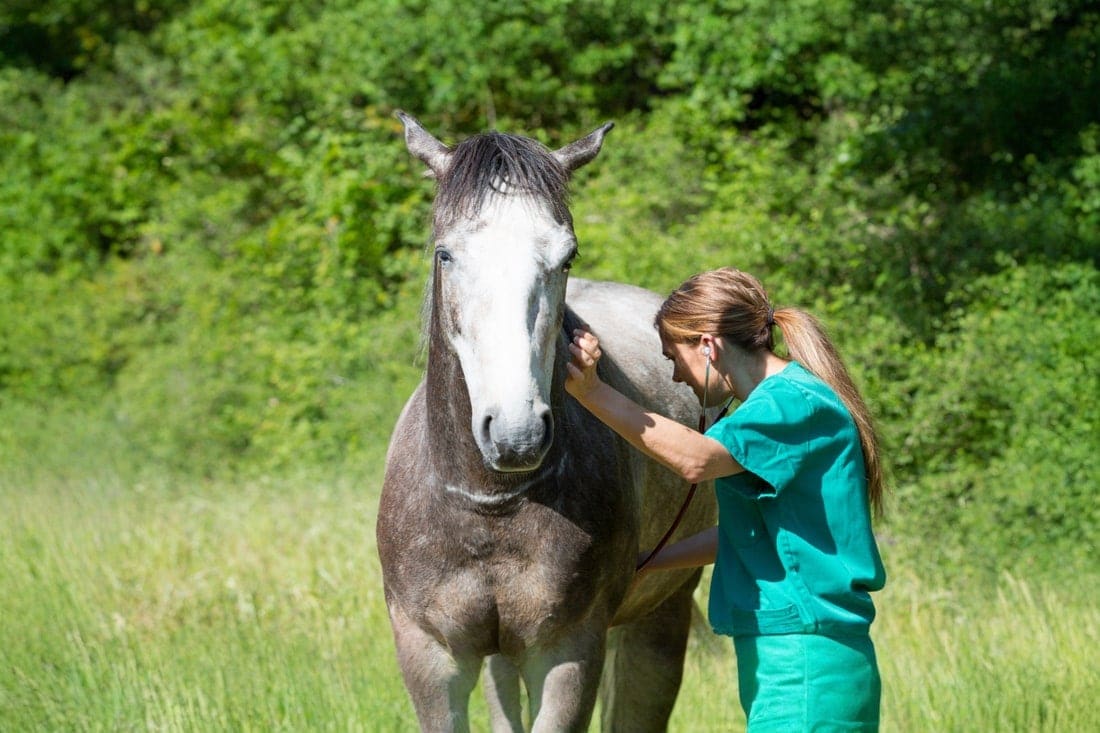
Abdominocentesis is a procedure where the veterinarian introduces a needle or cannula through the horse’s body wall and extracts a sample of peritoneal fluid, the free fluid lubricating the abdominal organs. Analysis of this fluid helps veterinarians identify abdominal disorders. [1]
Clinical signs that can indicate a need for an abdominocentesis include: [1][2]
- Colic
- Diarrhea
- Weight loss
- Fever of unknown origin
- Clinical signs arising after abdominal surgery
Abdominocentesis is most commonly used for triage of colic cases, allowing the veterinarian to narrow down the list of potential causes. Based on their findings, the veterinarian can decide whether the horse requires surgical intervention for treatment, or whether medical management alone is acceptable. [3]
Veterinarians can also use abdominocentesis to monitor the efficacy of their treatment plans. [4]
Equipment
Abdominocentesis involves placing a needle or cannula in the horse’s ventral abdomen where peritoneal fluid pools due to gravity. Veterinarians must perform the procedure using aseptic technique to reduce the risk of infection and other complications.
To ensure proper sterility, they clip the needle insertion location and scrub it with antiseptics such as chlorhexidine or povidone iodine. [2] They also use sterile gloves, syringes, needles, and scalpel blades for the procedure.
To help ensure comfort for the horse, the veterinarian also injects a local anesthetic, such as lidocaine, into the site prior to the procedure. This requires smaller needles to inject the anesthetic under the skin. [2]
Finally, proper restraint is critical to this procedure, as the veterinarian is positioned underneath the horse when drawing the sample. Placing the horse in stocks helps provide a safe environment, and sedation helps prevent the horse from kicking. [2] Some horses may also require a nose twitch as a distraction. [2]
What's your top priority with your horse's health?

Enter your email to receive your store credit
Procedure
First, the veterinary team places the horse in stocks and sedates them. Once the sedation has taken effect, the veterinarian can begin preparing the procedure site.
The most common location for abdominocentesis is near the xiphoid, the last bone of the horse’s sternum. [2] Some practitioners may use ultrasound to guide the needle and ensure they are not at risk of damaging an internal organ sitting near the desired insertion point. [2]
Preparing the procedure site involves clipping the hair and cleaning the skin with antiseptics. Once the area is clean, the veterinarian injects a local anesthetic under the skin and into the musculature to numb the area. [2]
The veterinarian puts on sterile gloves. [2] If a cannula is used, they may use a small scalpel blade to make a stab incision (small cut) in the skin to help pass the cannula through the abdominal wall. [2]
The needle is inserted until the veterinarian feels a “pop” as the needle passes into the abdominal cavity. They then make positional adjustments until fluid flows through the needle. [2]
The veterinarian collects the fluid in a blood tube for analysis. Once fluid collection is complete, they remove the needle. [2] Bandaging is not typically required for the procedure site.
Preparing Your Horse for Abdominocentesis
There are no specific preparations necessary for abdominocentesis.
Interpreting Results
It’s normal for a small amount of peritoneal fluid to be present in the abdomen. It acts as a lubricant to keep the organs from sticking together.
When there’s disease in the abdomen, the quantity and cellular make-up of the peritoneal fluid changes.
The amount of peritoneal fluid and the components found within it depend on several factors, such as: [4]
- Pressure within blood vessels of the abdomen
- Permeability of those vessels
- Integrity of the surfaces lining abdominal organs
- Lymphatic drainage capacity
- Presence of infection or inflammation
By evaluating the peritoneal fluid, the veterinarian can determine whether any of the above mechanisms have been compromised. This helps them identify a list of most likely conditions affecting the horse and causing their clinical signs.
Laboratory analysis of the fluid involves assessing its appearance, protein concentration, cell counts, types of cells present, and biochemical testing. [4] In some cases, the veterinarian may also submit the sample for bacterial testing if they suspect an infectious disease.
Appearance
Healthy peritoneal fluid is clear and light yellow. Deviations from this appearance can indicate disease, with one study showing that abnormal coloring is a reliable indicator that a horse requires gastrointestinal surgery. [5]
The most common color change is to reddish-pink or orange, which indicates there is bleeding into the abdominal cavity. [1][4] This typically indicates death of the intestine, a condition requiring immediate surgical intervention. [3]
Dark red, bloody fluid indicates hemorrhage into the abdomen, which can be life-threatening. [3]
Brown, opaque fluid indicates severe inflammation, infection, and/or bowel rupture, which are serious and life-threatening processes. [3]
Changes in the clarity of the fluid indicate there are increased cell numbers or particulate matter within the fluid. [4] This can occur due to inflammatory disease, intestinal rupture, or infections. [3]
Protein Concentration
Peritoneal fluid normally has low protein levels. Changes in the permeability of blood vessels within the abdomen can result in protein leaking out into the abdominal cavity, raising the protein concentration of the fluid. [4]
Potential causes of elevated peritoneal protein include: [3]
- Strangulating lipomas
- Enteritis
- Colitis
- Rupture of the intestinal tract
- Peritonitis
- Traumatic injuries causing bleeding within the abdomen
Red Blood Cell Count
Red blood cells are not a normal component of peritoneal fluid. They typically only appear in the peritoneal fluid if there is damage to blood vessels or abdominal organs. [4]
Conditions that may cause red blood cells to be present in the peritoneal fluid include: [3]
- Strangulating lipomas
- Rupture of the intestinal tract
- Traumatic injuries causing bleeding within the abdomen
Total Nucleated Cell Count
Total nucleated cell count evaluates the number of white blood cells present within a fluid. Normal peritoneal fluid has some white blood cells present, but these numbers increase dramatically in the presence of infection or inflammatory disease. [3]
Causes of elevated total nucleated cell count include: [3]
- Strangulating lipomas
- Peritonitis
- Rupture of the intestinal tract
- Some forms of cancer, like intestinal lymphoma
Microscopic Examination
Evaluating the peritoneal fluid under the microscope allows the veterinarian to determine what types of cells are present. In particular, they are evaluating the white blood cells.
There are several types of white blood cells, which have different functions as part of the immune system. By counting the cells, they can calculate a rough proportion of each cell type present. These proportions can indicate certain disease processes. [4]
The most common white blood cells present in normal peritoneal fluid are mature neutrophils and macrophages. Neutrophils are the body’s main defense against bacteria, while macrophages are the main “clean-up” cell. These cells monitor the abdominal cavity for signs of intestinal leakage or other organ damage, triggering a prompt immune response when needed.
Identification of immature and degenerate neutrophils indicates there is an inflammatory process occurring. [4] Degenerate neutrophils are expired, used up neutrophils that have died a premature death during the inflammatory process. Immature neutrophils only appear in the bloodstream when there is rapid turnover of neutrophils due to their degeneration. [4]
Conditions that may produce immature and degenerate neutrophils in peritoneal fluid include: [3]
- Strangulating lipomas
- Peritonitis
- Rupture of the intestinal tract
- Recent abdominal surgery (within the last 14 days)
The veterinarian may also see bacteria during microscopic evaluation. [3] This indicates there is an infection present, likely due to rupture or leakage from the intestinal tract. Occasionally, they may see plant material in the peritoneal fluid, indicating complete intestinal tract rupture. [3]
In some cases, the cells present may have unusual features that suggest the presence of cancer. The most common type of abdominal cancer in horses is lymphoma, which produces many abnormal lymphocytes. Elevated lymphocyte levels may indicate that the horse has abdominal lymphoma. Veterinarians may also be able to identify squamous cell carcinoma or melanoma cells in peritoneal fluid. [4]

Biochemical Testing
Performing a chemical analysis on peritoneal fluid can also give the veterinarian clues about what disease processes are occurring. The most common tests are lactate, glucose, and creatinine. [4]
Lactate
Lactate is a compound that indicates energy production in a low oxygen environment. This can occur if there is restricted blood flow to an organ within the abdominal cavity. [4]
If peritoneal lactate levels are more than two times higher than peripheral levels, it is a strong indicator that surgical intervention is necessary to treat the horse’s colic signs. This scenario most often indicates a strangulating lesion, but other potential causes are possible. [4]
Glucose
Glucose is the main energy source for cells. Although glucose in the bloodstream is meant to provide energy to the body’s cells, bacteria can also use it for their energy needs.
Therefore, low blood glucose in the peritoneal fluid compared to blood levels can indicate a bacterial infection within the abdominal cavity. [4]
Creatinine
Creatinine is a waste product excreted in the horse’s urine. Elevated creatinine in the peritoneal fluid can indicate that there is urine leakage into the abdominal cavity. This can occur from traumatic injuries, such as a ruptured bladder. [4]
Complications
There are few complications associated with abdominocentesis. One study showed that only 2% of cases develop complications after the procedure, and the horses in the study all recovered successfully with appropriate treatment. [6]
The most common complication is enterocentesis, where the needle inadvertently enters the intestinal tract. [1][2]
In some cases, the intestinal fluid may leak out into the abdominal cavity, causing an infection of the abdominal lining (peritonitis) or infections in the skin surrounding the needle insertion site. [6] These infections typically respond to antibiotics and do not cause long-term issues if treated promptly. [6]
It is also possible to insert the needle into the spleen during placement. This typically results in bleeding into the abdomen, which can prevent proper analysis of peritoneal fluid. [2]
Frequently Asked Questions
Here are some frequently asked questions about abdominocentesis for horses:
Abdominocentesis, also known as a belly tap, is a diagnostic procedure in which a veterinarian collects fluid from the horse's abdominal cavity. The sample is analyzed to provide important information about the health of the gastrointestinal tract and other abdominal organs.
Abdominocentesis is commonly performed in horses showing signs of colic, weight loss, fever, or unexplained illness. It helps veterinarians determine whether there is intestinal compromise, infection, inflammation, or bleeding inside the abdomen.
Most horses tolerate abdominocentesis very well, especially with sedation. The needle insertion may cause mild, brief discomfort, but it is generally considered low risk and minimally invasive.
Complications of abdominocentesis in horses are rare but may include minor bleeding or swelling at the puncture site, infection at the entry site, and accidental puncture of the intestine (uncommon with proper technique).
Yes abdominocentesis can be repeated in horses. In some cases, repeated sampling is useful to monitor changes in the peritoneal fluid over time, especially in horses being treated for colic, peritonitis, or other abdominal diseases.
Summary
Abdominocentesis is a diagnostic procedure used to collect and analyze fluid from a horse's abdominal cavity to help diagnose colic and other abdominal diseases.
- This procedure helps detect intestinal compromise, infection, inflammation, or bleeding
- Analysis of the fluid involves looking at its color, protein levels, cell counts, and types of cells present
- The procedure is safe with rare complications
- The results of this procedure can help guide diagnosis and treatment or monitor a treatment plan
References
- Radcliffe. R. M. et al. Abdominocentesis Techniques in Horses. Journal of Veterinary Emergency and Critical Care. 2022.
- Costa. L. R. R. and Paradis. M. R. Manual of Clinical Procedures in the Horse. Wiley Blackwell, Hoboken. 2018.
- Radcliffe. R. M. et al. Interpreting Abdominal Fluid in Colic Horses: Understanding and Applying Peritoneal Fluid Evidence. Journal of Veterinary Emergency and Critical Care. 2022. View Summary
- Conrado. F. O. and Beatty. S. S. K. Fluid Analysis in the Equine Patient. Veterinary Clinics of North America: Equine Practice. 2021. View Summary
- Matthews. S. et al. Predictive Values, Sensitivity and Specificity of Abdominal Fluid Variables in Determining the Need for Surgery in Horses with an Acute Abdominal Crisis. Australian Veterinary Journal. 2002. View Summary
- Siex. M. T. and Wilson. J. H. Morbidity Associated with Abdominocentesis — a Prospective Study. Equine Veterinary Journal. 1992.