English



Allergies are a common but often frustrating health issue in horses. Signs of allergies can range from mild, ongoing irritation to sudden, severe reactions. Some horses deal with seasonal itching every year, while others develop digestive, respiratory, or skin problems that are harder to diagnose.
An allergic reaction happens when a horse’s immune system overreacts to something that is normally harmless. Triggers, referred to as allergens, may include insects, dust, mold, pollen, feed ingredients, medications, or products used around the barn.
Allergens stimulate an immune response in affected horses, leading to symptoms like coughing, nasal discharge, itching and skin irritation.
Understanding how allergic responses occur, what symptoms look like, and which types are most common helps horse owners recognize patterns, ask better questions, and work more effectively to support long-term comfort and health.
Keep reading to learn more about the most common types of equine allergies and signs that require veterinary attention so you can keep your horse comfortable and performing their best.
Common Allergies in Horses
An allergy refers to an exaggerated or inappropriate immune response to a substance that is normally harmless, referred to as an allergen. [1]
In horses, possible allergens include: [1]
- Mold spores
- Insect saliva
- Feed or ingredients
- Certain medications
When a sensitive horse is exposed to an allergen, the immune system becomes activated and triggers an inflammatory response.
This response includes increased histamine release, which can lead to clinical signs such as itching, swelling, hives, coughing, or nasal discharge. [1]
What's your top priority with your horse's health?

Enter your email to receive your store credit
Types of Allergic Reactions in Horses
Allergic reactions in horses can be categorized according to the specific immune response generated by the allergen. [1] This information can help guide diagnosis and treatment.
Type I (IgE Mediated)
Type I reactions are mediated by immunoglobulin E (IgE) antibodies and develop within minutes to a few hours after exposure to an allergen. Allergen binding to IgE on mast cells triggers the release of histamine and other inflammatory mediators, which leads to localized or widespread swelling and inflammation. [1][2]
Type 1 reactions are the most common form of allergy in horses and are commonly associated with insect bite hypersensitivity, environmental allergens, and some feed-related responses. [1][2][3]
Clinical signs of Type I responses may include: [1][2]
- Hives
- Skin irritation
- Intense itching
- Watery eyes
- Nasal discharge
- Flared nostrils
- Coughing
- Labored breathing
Effects usually remain limited to the skin or respiratory tract, though more widespread reactions affecting the whole body can occur in rare cases. [1][2]
Type II (Cytotoxic)
Type II reactions involve immunoglobulin G (IgG) and immunoglobulin M (IgM) antibodies that bind directly to antigens on a horse’s own cells. Unlike histamine-driven responses, this process leads to immune-related cell damage. [1][2]
These reactions appear infrequently in horses, though effects can be severe. Most cases involve drug reactions, such as penicillin-linked immune-mediated hemolytic anemia.
Although rare, cytotoxic hypersensitivity reactions can be life-threatening and require immediate veterinary intervention. [4]
Type III (Immune Complex)
This form of allergic response involves immune complexes, which are clusters of antigens bound to antibodies, most often IgG. These complexes circulate through the bloodstream and settle in different tissues. [1][5]
This triggers an inflammatory response that typically appears within 6 to 12 hours after exposure. Immune complex reactions remain uncommon in horses. [5]
Type IV (Delayed Cell-Mediated)
Type IV hypersensitivity is driven by T lymphocytes rather than antibodies and develops 24 to 72 hours after allergen exposure. In this type of reaction, activated T cells release cytokines that attract macrophages to the reaction site, producing localized inflammation. [1][6]
This reaction is commonly associated with contact dermatitis or chronic skin inflammation following repeated exposure to irritants such as topical medications, grooming products, or bedding materials.
Skin changes may include redness, scaling, thickening, or areas of hair loss. [1][6]
Table 1. Summary of allergy types and common equine triggers
| Allergy Type | Common Triggers | Typical Symptoms | Immune Mechanism |
|---|---|---|---|
| Insect Bite Hypersensitivity | Midges, flies | Itching, thickened skin | Type I |
| Food Allergy | Soy, additives | Hives, loose manure, systemic signs | Type I or Type III |
| Atopy | Dust, mold, pollen | Itching, dermatitis | Type I or Type IV |
| Drug Reaction | Antibiotics | Hemolytic anemia | Type II |
Symptoms of Allergies in Horses
Allergic reactions in horses can appear in many forms, ranging from subtle, ongoing discomfort to sudden, severe flare-ups. Clinical signs vary in nature and severity based on allergen type, immune response pathway, and an individual horse’s sensitivity.
Symptoms may occur intermittently or intensify over time when underlying triggers remain present.
Skin Signs
Skin-related allergic reactions can affect a horse’s comfort and skin integrity. These signs may develop gradually and often worsen with repeated or ongoing exposure to allergens such as insects, pollen, dust, or certain feeds. [3]
Signs of skin-related allergic reactions include: [3]
- Persistent scratching or rubbing (pruritus)
- Hives (urticaria)
- Firm nodules beneath the skin
- Wounds, scabs, or crusting
- Hair loss (alopecia)
- Thickened or leathery skin (lichenification)
With prolonged irritation, skin changes may become more severe and increase susceptibility to secondary infections, particularly in horses with long-standing allergic disease. [3]
Respiratory Signs
Airborne, or environmental, allergies are among the most common allergic conditions in horses. Inhaled allergens such as dust mites, mold spores, pollen, and barn ammonia often play a role in these reactions.
Sensitivity can also develop in response to bedding materials, hay particles, or stable sprays. [3]
Respiratory signs of an allergy may include: [3]
- Coughing
- Nasal discharge
- Labored or noisy breathing
- Reduced performance
- Exercise intolerance
- Flared nostrils
- Elevated resting respiratory rate
Symptoms tend to worsen in dusty barns where pollen and particulates are more concentrated, or during dry, windy weather when they are circulating rapidly in the horse’s environment. [3]
Gastrointestinal Signs
Some horses may have a gastrointestinal response to certain feeds, medications, or ingredients. Owners who notice a reaction in their horses may presume their horse has food allergies, but current research indicates that immune-driven food sensitivities are extremely rare in horses. [7]
With that being said, horses who consistently show signs of digestive disturbance after eating certain foods may have other underlying issues, like dysbiosis, triggered by specific feeds.
Veterinary investigation into recurring digestive issues is recommended for horses showing any of the following signs:
- Diarrhea
- Loose or inconsistent manure
- Recurrent or unexplained colic
- Reduced appetite
- Lethargy
- Unexplained weight loss
- Behavioral changes associated with discomfort
Identifying dietary triggers typically relies on elimination diets and careful long-term feed management.
Acute Anaphylactic Reactions
In rare but severe cases, horses can experience extreme allergic reactions immediately after receiving medications, vaccines, insect stings, or certain feeds.
Signs of acute anaphylactic reactions may include: [3]
- Facial or limb swelling (angioedema)
- Rapid development of hives
- Labored breathing or wheezing
- Diarrhea
- Weak pulse
- Collapse
- Shock
It’s important to note having a history of reaction to vaccines does not mean future vaccinations carry the same risk. Horses with previous vaccine-associated reactions often benefit from veterinary evaluation before receiving additional vaccines.
Equine Allergens
Some allergic conditions appear more commonly in horses, each with distinct triggers, patterns, and management considerations.
Insect-related reactions and environmental allergies account for most allergy cases seen in practice.
Insect Bite Hypersensitivity
Insect bite hypersensitivity (IBH), often called sweet itch or summer eczema, is one of the most common allergic conditions affecting horses.
These include a type I hypersensitivity response to saliva from biting insects (most commonly Culicoides midges) along with mosquitoes, black flies, and stable flies. Horses affected by IBH also face a higher risk of secondary skin infections, which may require separate medical attention. [8][9][10]
IBH follows a seasonal pattern in many regions, with flare-ups during spring and summer as insect activity rises, but warmer climates may see symptoms persist year-round.
Sweet itch is a lifelong condition without a cure, though symptoms often stay controlled through a combination of environmental management, medication support, and regular skin care. [8][9][10]
Food Allergies
Food allergies are rare in horses and involve sensitivity to certain proteins found in feed. Diagnosis can be challenging, since symptoms are vague and can be mistaken for colic or digestive upset, while blood and skin tests are not conclusive indicators of food-related reactions or triggers.
Elimination diets help narrow down triggering ingredients over time, and long-term management focuses on avoiding foods that cause a reaction.
Horses with sensitivities often do better on simple diets that avoid mixed-ingredient feeds with unknown additives. Custom feeding plans may help when sensitivities are ongoing or harder to manage. [8]
Avoiding dietary changes once symptoms are stabilized is key to ensuring long term equine comfort.
Atopy
Atopy describes skin reactions to airborne allergens, also known as inhalant dermatitis. Affected horses react to airborne particles including pollen, mold, or dust, with skin irritation occurring with or without concurrent respiratory signs. [11]
Unlike insect hypersensitivity, atopy usually shows less predictable flare-up patterns since affected horses are often sensitive to multiple allergens.
Horses may become increasingly sensitive over time, reacting to a larger number of allergens with less exposure required to trigger a reaction. [11]

Diagnosing Allergies in Horses
Diagnosing allergies in horses can be challenging, since allergic signs often overlap with other conditions such as parasite infestations, bacterial or fungal infections, and irritation related to tack or rubbing.
When investigating signs of allergies, your veterinarian will ask when signs first appeared, how they changed over time, and whether symptoms follow a seasonal pattern or remain consistent year-round.
Questions cover any recent changes in environment, feed, bedding, or grooming products. Attention to where signs appear, along with timing and intensity of flare-ups, helps narrow possible triggers.
A physical exam looks at skin lesions, though these findings alone do not always confirm an allergic reaction. Skin scrapings and biopsies help identify mites, infections, or other underlying causes. If allergies are suspected, intradermal skin testing and blood tests may be recommended, but these tests are not always conclusive.
Diagnosing food allergies can be difficult, as reliable blood or skin tests for food allergens in horses do not exist. Identification usually relies on an elimination diet that feeds a simplified feed with minimal ingredients for several weeks, and then reintroduces potential allergens one at a time to safely observe for reactions.
Treatment of Allergies in Horses
Treatment depends on the type of allergy, how severe the signs are, and how the individual horse responds to care.
Veterinarians commonly uses a multimodal approach to managing allergies in horses, combining strategies to reduce the immune response, control symptoms, and limit exposure to the allergen. [12][13]
Medications to Control Allergic Reactions
Medications are commonly used to reduce inflammation and relieve discomfort during allergic flare-ups.
Antihistamines are often prescribed for mild to moderate allergies, particularly when itching is the primary concern. These medications work by blocking histamine, a chemical released during allergic reactions.
Response to antihistamines varies among horses, and they tend to be less effective in chronic or severe cases. Because individual response differs, veterinarians may recommend trialing different options under supervision. [13][14]
Corticosteroids, such as dexamethasone or prednisolone, provide powerful anti-inflammatory effects and can rapidly reduce itching, swelling, and respiratory signs.
They are commonly used for acute flare-ups or seasonal allergies but must be used carefully, particularly in horses at risk of laminitis. [13][14]
Topical Therapies for Skin Allergies
Topical treatments can provide targeted relief for horses with skin-related allergic signs.
Soothing shampoos, medicated sprays, and moisturizing ointments help reduce irritation, support skin healing, and protect damaged areas.
These products are especially useful when used alongside systemic medications to manage ongoing skin inflammation. [13][14]
Supportive and Adjunctive Care
In some cases, additional therapies are needed to address complications associated with allergies.
Supportive care may include antibiotics for secondary skin infections or bronchodilators when respiratory tissues are affected. [14][15]
Regular reassessment is important, as a horse’s response to treatment may change over time and management strategies may need to be adjusted.
Managing Horses with Allergies
Long-term allergy management in horses focuses on reducing exposure to allergens, supporting skin and immune health, and addressing flare-ups early.
Approaches may include changes to:
- Bedding materials
- Turnout schedules
- Insect control practices
- Feeds or supplements
- Medications
While complete avoidance is not always possible, reducing overall allergen exposure can improve clinical outcomes.
Environmental control
For horses housed indoors, stable conditions play a key role in limiting exposure to airborne allergic triggers.
Strategies include:
- Use low-dust bedding options
- Feed soaked hay or haylage
- Ensure adequate ventilation
- Only feed clean, mold-free hay
Fly & insect control
Horses affected by insect bite hypersensitivity often benefit from consistent insect management. Fly sheets with belly and neck coverage, fine mesh stall screens, and veterinarian-approved repellents can all reduce bites, especially when used together.
Providing turnout outside of peak insect activity (dawn and dusk) further limits contact. Insect exposure also drops when manure, standing water, and decaying vegetation around barns are removed promptly and consistently.
Dietary Management for Allergies
Diet plays an important role in supporting normal immune function in horses with allergies or digestive sensitivities.
Providing a balanced, forage-based diet, supplemented with vitamins and minerals can help maintain normal immune responses and reduce allergic flare-ups.
Adequate intake of key nutrients is essential for maintaining normal immune responses, skin barrier function, and respiratory health. Submit your horse’s diet online to work with our equine nutritionists for free and ensure your horse’s diet is properly balanced.
Omega-3 fatty acids, including DHA, play a key role in cell membrane structure and immune signaling, helping support the normal regulation of inflammation.
Adequate omega-3 intake can be especially important for horses with allergic tendencies, where inflammatory pathways are often overactive.
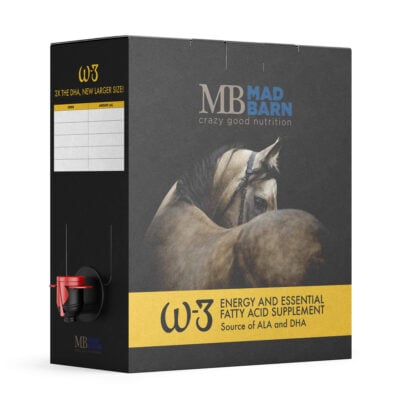
Mad Barn’s w-3 Oil provides a concentrated source of DHA along with natural vitamin E, supporting skin and respiratory tissue health while helping maintain a balanced inflammatory response as part of a complete diet.
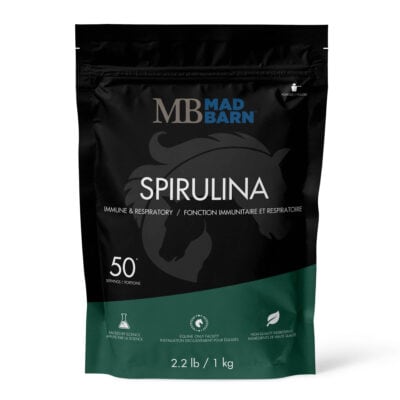
Some natural ingredients may also support immune balance. Spirulina is a nutrient-dense microalgae that contains bioactive compounds known to influence immune signaling.
Spirulina is rich in phycocyanin, a pigment-protein complex that has been shown to support the normal regulation of inflammatory pathways and histamine release. These effects are relevant in allergic responses, where excessive immune activation and histamine production contribute to itching, hives, and respiratory signs.
In addition to phycocyanin, spirulina provides antioxidants, trace minerals, and amino acids that support normal immune cell function and help protect tissues from oxidative stress associated with chronic inflammation.
When included as part of a balanced diet, spirulina may help support normal immune regulation in horses with allergic sensitivities.
As with any dietary change, careful observation during feed adjustments can help identify potential triggers and ensure the horse tolerates the diet well.
Skin Support for Allergies
Routine bathing with non-irritating shampoos helps clear allergens from the coat and calm irritated skin. Clean, dry conditions support healing in sore or damaged areas.
Topical products such as equine-specific anti-itch sprays or moisturizing creams may ease discomfort and support skin recovery.
Because skin allergies can vary widely in cause and severity, consult your veterinarian for guidance on selecting appropriate products and developing a treatment plan tailored to your horse’s symptoms.
Long-term Management
Equine allergies are a lifelong condition that can’t be cured completely. With careful management and avoidance of known triggers, horses with allergies can stay comfortable and perform as expected.
Effective allergy management relies on consistent observation and ongoing veterinary monitoring. Attention to environment, nutrition, skin care, and seasonal patterns supports comfort and overall health.
Frequently Asked Questions
Here are some frequently asked questions about equine allergies:
The most common allergies in horses are insect bite hypersensitivity (sweet itch), environmental allergies (dust, mold, pollen), and contact reactions to topical products or bedding. True immune-driven food allergies appear to be uncommon, but some horses do react to specific feeds or additives with skin or digestive signs.
Common allergy signs in horses include itching, rubbing, hives, hair loss, skin thickening, and recurrent skin irritation. Respiratory allergies may cause coughing, nasal discharge, noisy breathing, or reduced performance. In rare cases, severe reactions can involve facial swelling or difficulty breathing and require urgent veterinary care.
Treatment for skin allergies in horses typically combines trigger reduction (insect control, lowering dust/mold exposure), skin care (gentle shampoos, topical anti-itch products), and veterinary-directed medications when needed. Because itchiness can also be caused by parasites or infection, a diagnosis helps guide the most effective plan.
Seasonal respiratory allergies in horses are usually managed by reducing exposure to airborne triggers such as dust, mold, and pollen. Strategies may include improving barn ventilation, using low-dust bedding, feeding clean hay (or soaking/steaming when appropriate), and adjusting turnout based on seasonal patterns. Your veterinarian may recommend medications or inhaled therapies depending on severity.
Antihistamines are sometimes used for mild to moderate allergic signs, especially itching, but response varies between horses. Options that may be prescribed by veterinarians include hydroxyzine, cetirizine, chlorpheniramine, diphenhydramine, and pyrilamine. Always speak with your veterinarian before using antihistamines, as dosing, suitability, and drug interactions must be assessed for the individual horse.
Horses are rarely allergic to hay itself, but hay can carry common triggers such as dust, mold spores, and plant pollens that irritate the skin or respiratory tract. If a horse coughs, has nasal discharge, or worsens in the barn, switching to cleaner hay and reducing dust exposure may help. Your veterinarian can help determine whether signs are due to allergy, infection, or conditions such as equine asthma.
Allergies can develop later in life even in horses without earlier symptoms. Repeated or cumulative exposure to environmental allergens may trigger immune responses over time, particularly when combined with changes in management, environment, or overall health.
Equine allergies do not have a definitive cure. Long-term comfort is typically achieved through allergen avoidance and symptom management, with individualized strategies allowing most affected horses to maintain a good quality of life.
Diagnosing allergies in horses typically involves a combination of history, physical examination, and ruling out other conditions. Intradermal skin testing or blood tests may help identify environmental allergens, while food-related reactions are usually investigated through elimination diets over several weeks.
A veterinarian should be consulted if allergy signs are severe, progressive, or interfere with breathing, appetite, or performance. Immediate veterinary attention is required for facial swelling, labored breathing, collapse, or other signs of anaphylaxis.
Summary
Allergies in horses can affect the skin, respiratory system, or overall comfort and often require long-term management rather than a single intervention. Early recognition and consistent care help reduce flare-ups and support quality of life.
- Common equine allergies include insect bite hypersensitivity, atopy and environmental sensitivities
- Immune-driven food allergies in horses are rare, but some horses may experience gastrointestinal reactions to specific feeds that require similar management strategies
- Clinical signs may involve itching, hair loss, skin thickening, coughing, or chronic respiratory irritation
- Diagnosis often relies on exclusion methods such as dietary trials, allergy testing, or ruling out other conditions
- Medical management can include antihistamines, corticosteroids, or immunotherapy under veterinary guidance
- Long-term control focuses on reducing allergen exposure and supporting skin and immune health
References
- Moriello. K. A. Allergies in Horses: Latest Findings and Coughing as a Warning Sign. bitopEQUI. 2019.
- Shaziya. A. et al. What Are the 4 Types of Allergic Reactions?. Medicine.net
- Tizard. I. R. Disorders Involving Anaphylactic Reactions (Type I Reactions) in Horses - Horse Owners. Merck Veterinary Manual. 2019.
- Blue. J. T. et al. Immune-Mediated Hemolytic Anemia Induced by Penicillin in Horses. The Cornell Veterinarian. 1987.
- Themes. U. F. O. Immune Complexes and Type III Hypersensitivity. Veterian Key. 2016.
- Marwa. K. et al. Type IV Hypersensitivity Reaction. StatPearls. StatPearls Publishing, Treasure Island (FL). 2025.
- Fadok. V. A. Update on Equine Allergies. Veterinary Clinics of North America: Equine Practice. 2013.
- Cox. A. and Stewart. A. J. Insect Bite Hypersensitivity in Horses: Causes, Diagnosis, Scoring and New Therapies. Animals. 2023. View Summary
- Machtinger. E. T. et al. Pests and Parasites of Horses. Wageningen Academic Publishers. 2022.
- Young. A. Insect Bite Hypersensitivity. UC Davis School of Veterinary Medicine. 2022.
- Equine Atopy. Animal Allergy & Dermatology. 2022.
- Equine Allergies. The British Horse Society. 2026.
- Jonsdottir. S. et al. New Strategies for Prevention and Treatment of Insect Bite Hypersensitivity in Horses. Current Dermatology Reports. 2019.
- Marsella. R. et al. Equine Allergic Skin Diseases: Clinical Consensus Guidelines of the World Association for Veterinary Dermatology. Veterinary Dermatology. 2023.
- Calzetta. L. et al. Clinical Efficacy of Bronchodilators in Equine Asthma: Looking for Minimal Important Difference. Equine Veterinary Journal. 2020. View Summary