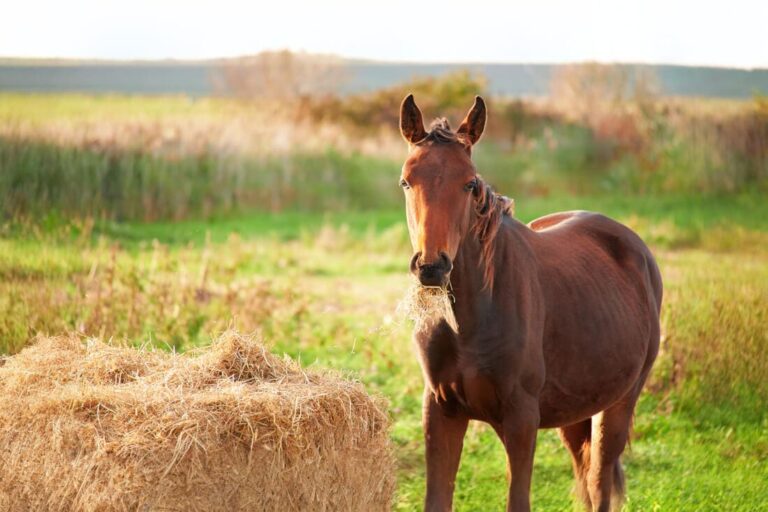
All horses enjoy occasional tasty treats and offering them can strengthen your bond with your equine companion. Giving treats to horses is an important component of training, enrichment, showing affection, and even administering medications for many owners. However, not all...
Swollen jaws are a common concern in equine medicine; they can be a symptom of several underlying health issues and conditions that range from mild to potentially life-threatening. Jaw swelling in horses can be caused by a number of underlying...
Sepsis is a severe and rapidly life-threatening condition that develops in response to an infection of the horse’s bloodstream, triggering a widespread inflammatory response that affects multiple organs. Any infection has the potential to cause sepsis if left untreated. Signs...
Internal entrapments in horses involve the trapping of a segment of the small intestine within other structures in the abdomen. This can lead to serious complications, including blockage of food, gas, and fluids, and in severe cases, disruption of blood...
Migrating grass awns, commonly referred to as foxtails, pose a significant health risk to horses. These sharp, barbed seeds can become embedded in a horse's ear, mouth, nose, or skin. Once they have entered the animal's tissue, they can migrate...
The liver is the largest organ in the horse's body, making up one percent of its total body weight. Hepatitis refers to inflammation of the liver and is a non-specific term used to describe liver disease. The liver is a...
Purpura hemorrhagica (PH) is a severe immune-mediated condition in horses characterized by widespread inflammation of blood vessels, known as vasculitis. This condition often develops as a secondary complication of infections, particularly those caused by Streptococcus equi, the bacterium responsible for...
Corn is an economical energy source found in many complete feeds for horses. Corn is also sometimes fed as a standalone concentrate for horses that need additional calories in their […]
Unlike the explosive speed of racehorses or the poised collection of hunter-jumpers, the endurance horse has a more specialized skillset. Endurances horses – and riders – work hard to go the distance. Riding in the range of 80 or more...
Sunflower oil is a vegetable oil extracted from seeds of the sunflower plant (Helianthus annuus). It is high in unsaturated fats, primarily omega-6 and omega-9 fatty acids. In horse diets, sunflower oil is often used to provide additional calories to...
Small intestine volvulus is a serious condition in horses, characterized by a twisting of the intestine around itself and the root of the mesentery. This twist can cause a blockage, restricting blood flow and leading to severe damage to the...
Warts in horses, also known as equine papillomatosis, are small, benign growths caused by equine papillomaviruses (EPVs). These growths primarily affect young horses under the age of three, as their developing immune systems are more susceptible to the virus. EPVs...
Forage-based diets can be implemented for many horses to support optimal weight maintenance, and digestive and metabolic function. These diets work with your horse’s gastrointestinal physiology to support their health. Pasture, hay, and processed forage can be used alone or...
Ticks are small, blood-feeding arachnids with specialized mouthparts that allow them to attach to a variety of hosts, including humans, birds, reptiles, and mammals like horses. After attaching to a host, ticks use their mouthparts to feed on the host’s...
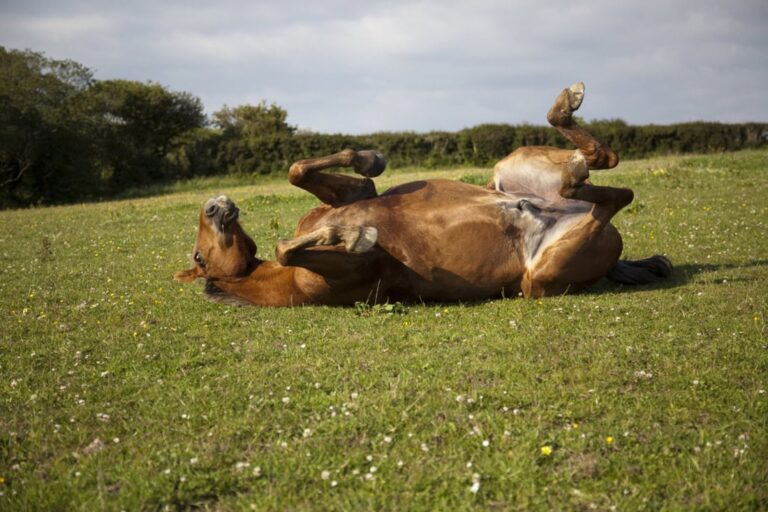
Horses, as prey animals with considerable size and weight, have evolved to minimize the need for lying down, a position that increases their vulnerability to predators and hinders quick escapes. Despite these adaptations, horses do spend a portion of the...
In May 2024, a diet evaluation was requested for an eleven-month-old appaloosa gelding named Phix, located in Nova Scotia, Canada. At the time of the submission, he weighed approximately 550 lb (250 kg). Phix was reported to be healthy but...
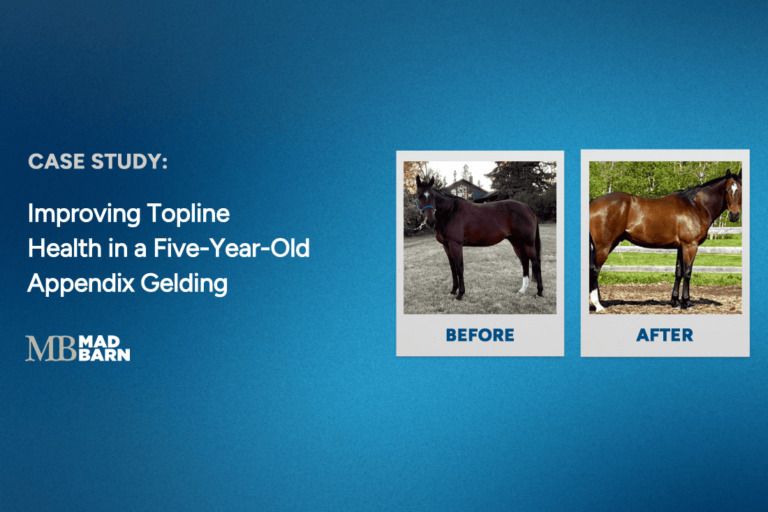
In April 2024, a diet evaluation was requested for a 22-year-old retired show jumper gelding weighing approximately 1,200 lb (544 kg) in Quebec, Canada. Reported health concerns included Pituitary Pars Intermedia Dysfunction (PPID), arthritis, and poor topline condition. The horse...
Fox hunting is a traditional countryside activity that has become a popular equestrian pastime. While initially developed to hunt foxes, most modern hunts are held purely for sport and rarely involve kills. The sport has a history of controversy. Some...
Cutting is a Western equestrian sport that demonstrates a horse and rider's ability to work cattle. Skilled cutting horses face off with cattle in this competitive event that celebrates the cowboy heritage of the American West. What was once a...
Barrel racing is a female-dominated rodeo event. This deceptively simple sport challenges the horse's athleticism and the rider's horsemanship through their ability to carefully run a set pattern around barrels as fast as possible. The speed of barrel racing makes...
Choosing equipment for you and your horse is an important part of improving comfort, safety, and performance. Understanding the types of Western tack available can help you decide what tack is best for your riding. Western tack and equipment has...
Working Equitation is a dynamic equitation discipline that aims to test the versatility and skills of the horse and the owner, as well as the level of collaboration between the two. While the sport officially came into being only in...
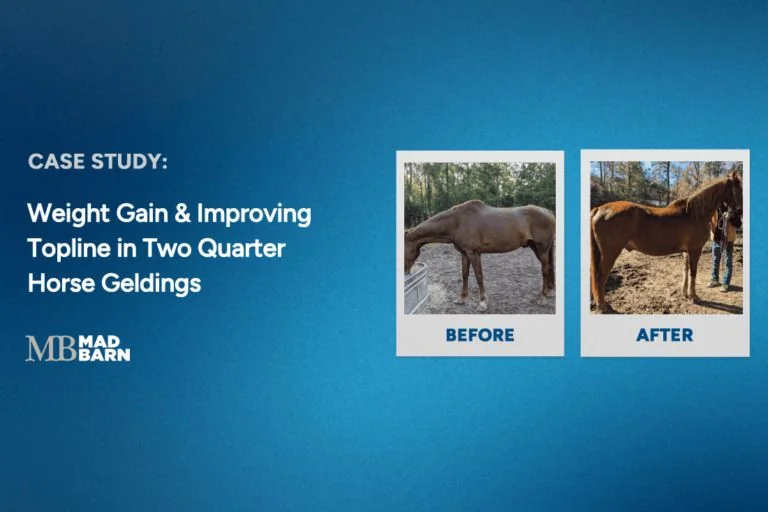
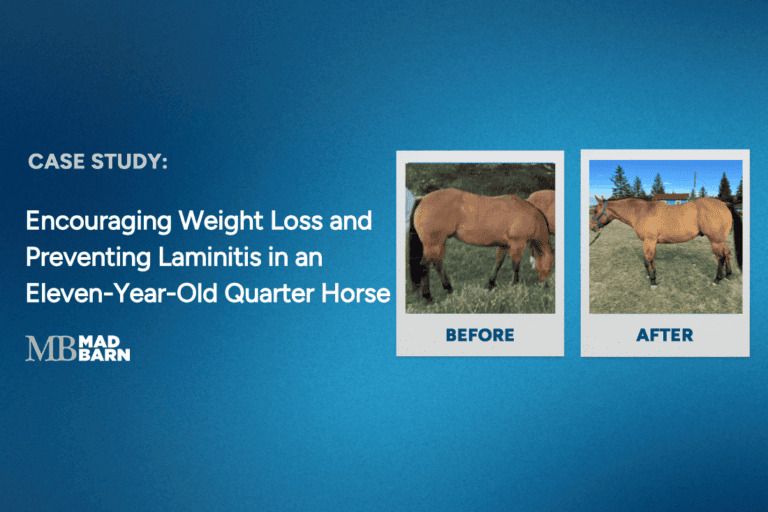
In March 2024, a diet evaluation was requested for two 16-year-old mares weighing approximately 1000 lb (455 kg) in Missouri, USA. Reported health concerns included weight gain, poor hoof quality, and a history of laminitis. The horse owner’s primary goal...
Six-time Olympic dressage medalist Charlotte Dujardin voluntarily withdrew from the Paris 2024 Olympic Games after a video emerged of Dujardin "making an error of judgment" during a coaching session years ago. The International Federation for Equestrian Sports (FEI) initiated an...
Nitrogen compounds, crucial for fertilizers, have revolutionized agriculture, ensuring food security but they pose environmental risks such as water pollution and algae blooms. Horses, while less susceptible than ruminants to nitrate poisoning due to their digestive system, can suffer severe...
The conformation of a horse directly impacts their overall performance capacity, long-term soundness, and their potential in different disciplines of equestrian sport. The conformation of the hindlimbs is particularly important, as the hind legs provide the horse’s power, speed, and...
Reining is a Western discipline that showcases the skills and abilities traditionally needed by working ranch horses. Sometimes compared to the English discipline of dressage, reining competition involves riders piloting horses through precise patterns in a competition arena. The explosive...

Capped hock refers to inflammation and swelling over the bony point of a horse's hock. The "cap" may be squishy or firm and is usually the result of trauma or repeated rubbing. Alongside the characteristic swelling, the horse may have...
Horses produce between five and ten gallons (20 to 40 litres) of saliva each day. Unlike many other animals, horses only produce saliva during mastication (chewing). Saliva is vital for moistening and lubricating food, facilitating easier swallowing, and neutralizing stomach...
Fibrotic myopathy is a rare condition in horses characterized by the development of fibrous (scar) tissue within the muscles, typically affecting the inner thigh muscles of one or both hindlimbs. Affected horses develop hindlimb stiffness, a distinctive hoof-slapping gait, mechanical,...