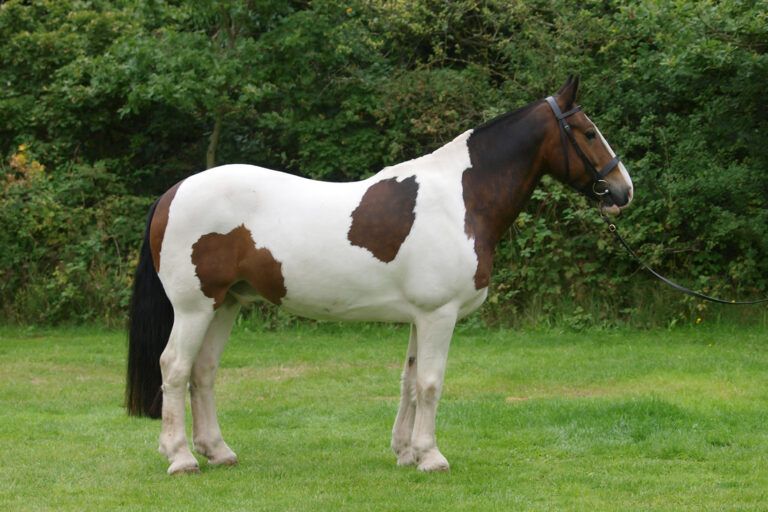
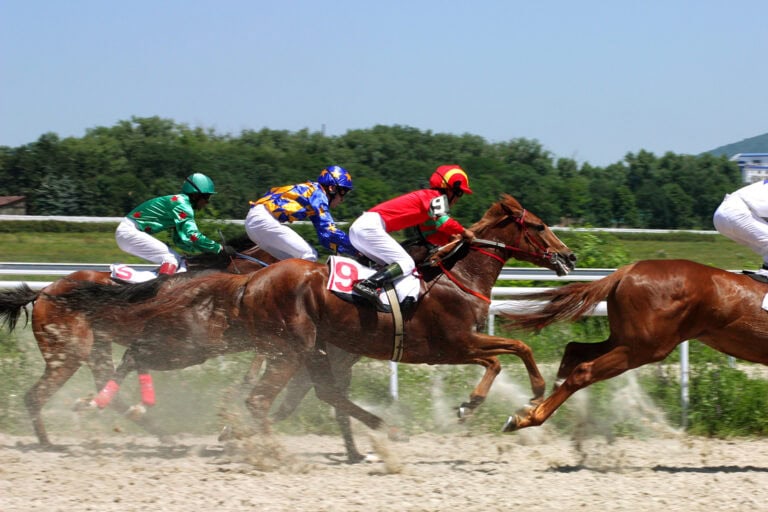
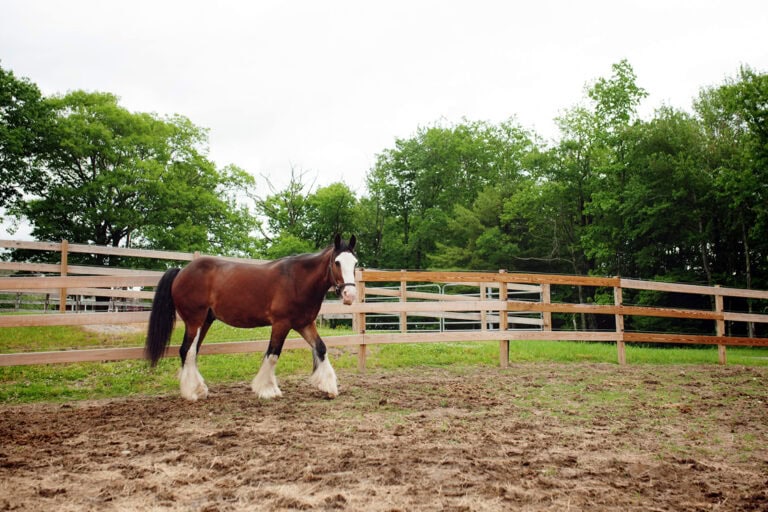
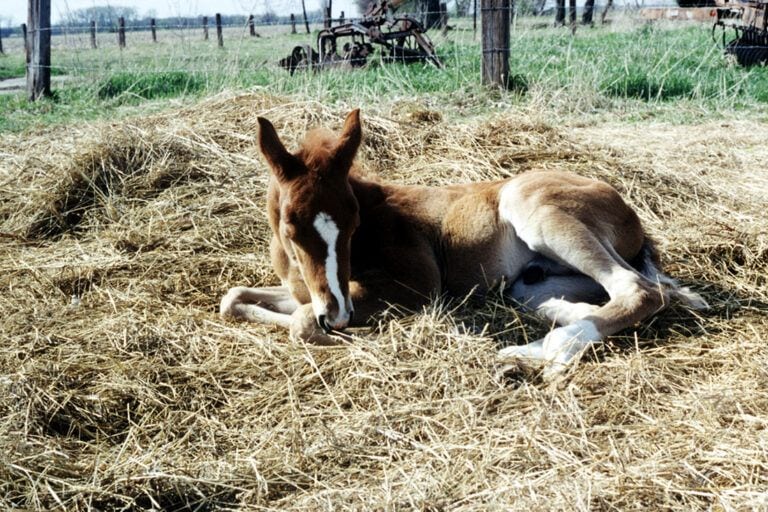
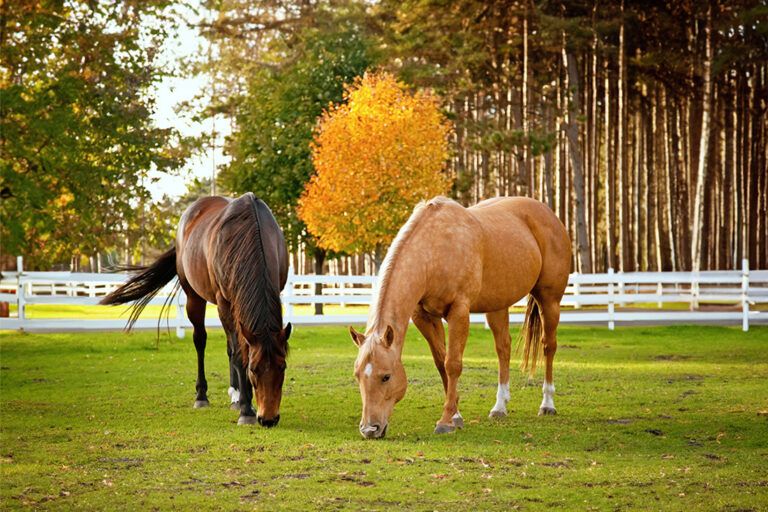
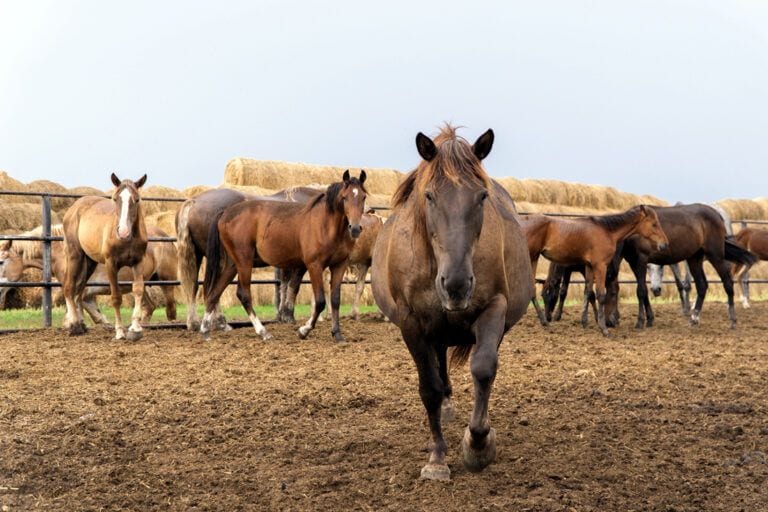
The Breton horse is a French draft breed from Bretagne, or Brittany, a province in northwest France. There are three types of Breton horses: the Postier Breton, the Central Mountain Breton, and the Heavy Draft Breton. This breed profile will...
The Appendix horse is a mixed breed produced by crossing an American Quarter Horse with a Thoroughbred. The cross is also known as an Appendix Quarter Horse. Appendix horses can become eligible for permanent registration with the American Quarter Horse...
Looking for ways to reduce swelling in your horse's legs? Several factors can lead to leg swelling in horses, ranging from mild conditions such as "stocking up" to more severe issues such as cellulitis. If your horse is experiencing limb...
Sacroiliac pain is a common cause of poor performance and low-grade lameness in performance horses. The sacroiliac joint is the point on the horse’s body where the pelvis and the spine connect, playing an important role in their stride.
Pedal osteitis in horses is a condition characterized by inflammation and damage to the pedal (coffin) bone within the hoof. Affected horses can experience pain and lameness, which may be worse after exercise or hoof trimming. Pedal osteitis typically develops...
Sidebone in horses is a common condition that affects the collateral cartilages of the hoof. It occurs when the normally flexible cartilage plates in the horse's hoof gradually become hardened and calcified into bone. According to research, an estimated 80%...
Cobs are small draft-type horses known for their hardiness and versatility as recreational riding mounts. The cob isn’t a distinct breed. The term refers to a common body type in several popular horse breeds. This guide will discuss the history,...
The Swedish Warmblood is a sport horse breed that originated at the state studs of Sweden. While less popular than some warmbloods from mainland Europe, many Swedish Warmbloods excel at the top level of equestrian sport. This Scandinavian breed was...

Keratomas in horses are abnormal growths or benign tumors that develop within the hoof capsule, potentially resulting in lameness and discomfort. These non-cancerous masses comprise overgrowths of keratin, typically forming near the coronary band.
Synovial infections in horses refer to infections in the synovial structures, which include joints, bursae, and tendon sheaths. These infections can be severe and potentially career-ending for equine athletes. Most horses develop synovial infections from wounds over top of a...
Ionophore toxicosis, a severe and often fatal condition in horses, arises from the ingestion of ionophores, antibiotic compounds that are common in livestock feeds. Common ionophores in livestock feeds include monensin, lasalocid and salinomycin. These antibiotics increase growth rates in...
Atrial Fibrillation (AF) in horses is a cardiac rhythm disorder, characterized by rapid and irregular beating of the atria, the upper chambers of the heart. This condition can affect horses of any breed, age, or discipline, but it is more...
Scratches in horses, also known as pastern dermatitis, is an inflammatory skin conditions that affects the lower limbs of horses. It is characterized by irritation and sometimes infection of the skin, usually around the hind pastern or fetlock. The condition...
Umbilical disorders in newborn foals can arise due to bacterial infection or improper closure of the umbilicus after birth. The three most common umbilical disorders in horses are omphalitis, patent urachus, and umbilical hernia. If not addressed promptly, these conditions...
There are hundreds of horse breeds found around the world, each uniquely adapted to their local environment and their role in human society. These breeds vary widely in appearance, size, and conformation, reflecting the particular conditions of their selective breeding....
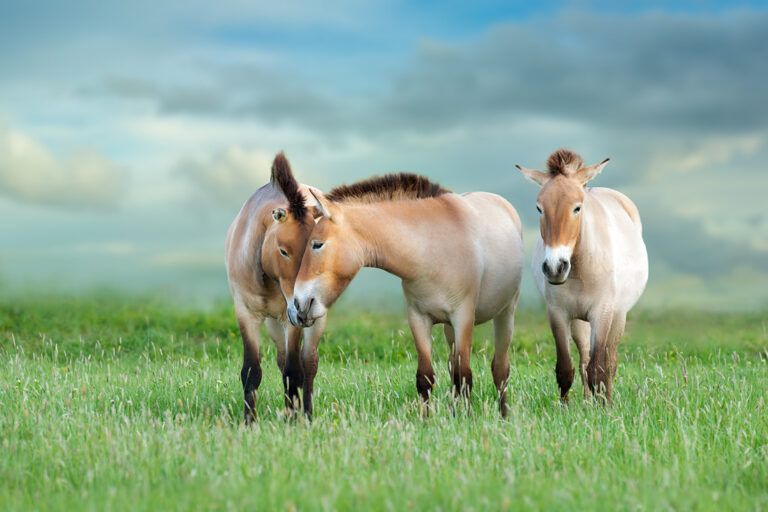
The Przewalski’s horse is an endangered equid native to the steppes of Central Asia. Named after the Russian explorer Nikolai Przewalski, who first described them in the late 19th century, these horses have a robust build, a thick, upright mane,...
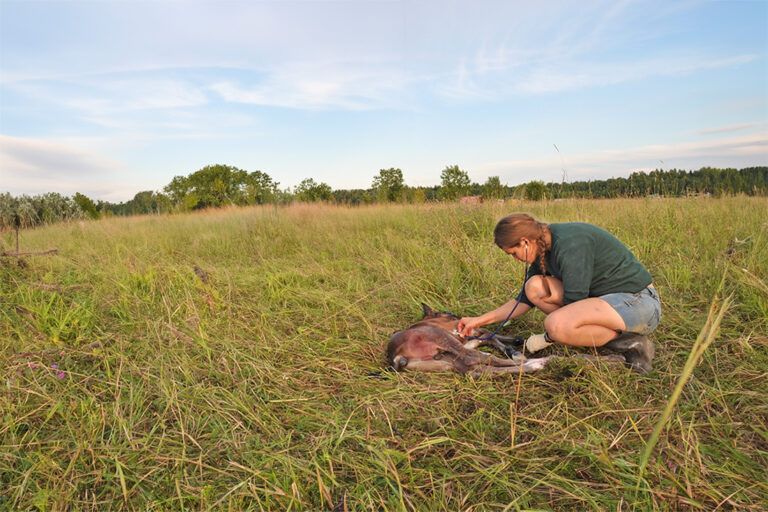
The typical gestation period for horses ranges from 340 to 342 days. During this time, foals undergo extensive development of their organ and skeletal systems, ensuring their survival outside of the mare after birth. In some cases, foals are born...
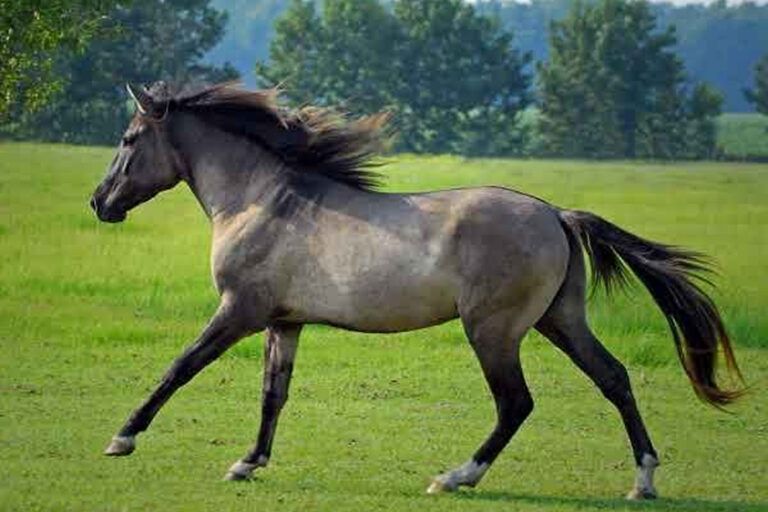
The Carolina Marsh Tacky is a critically endangered horse breed native to the low country of South Carolina. These horses belong to a group of Colonial Spanish breeds descended from Iberian horses brought to America by early Spanish explorers.
Warmblood Fragile Foal Syndrome (WFFS) is an inherited disease primarily affecting Warmblood horses and their related breeds. This condition is also referred to as Fragile Foal Syndrome Type 1 (FFS). WFFS is characterized by the production of defective collagen, which...
Despite ongoing advances in equine husbandry and veterinary care, achieving a full-term pregnancy in mares can be challenging. The foaling success rate is often measured below 60%, underscoring the complexities involved in equine reproduction. Breeding Soundness Exams (BSEs) are critical...
Dystocia, or difficulty giving birth, is a relatively rare complication in horses occurring in less than 10% of foalings. Dystocia carries significant risks for both the mare and foal, including damage to internal organs, nerves, and blood supply for the...
Antioxidants are important nutrients for horses that help to combat oxidative stress, maintain overall health, and support performance. They work by neutralizing harmful molecules known as free radicals within the body. Free radicals are highly reactive molecules with an electrical...
Mare reproductive loss syndrome (MRLS) is an enigmatic condition first described in Kentucky in 2001, when an estimated 3,500 foals were either aborted, stillborn, or died shortly after birth. Research revealed that abortions and foal death was closely associated with...
Placentitis is a common cause of foal loss and neonatal sepsis in horses. Mares with multiple previous foals, older mares, and mares with poor perineal conformation are most at risk of developing placentitis. Most cases of placentitis arise from bacteria...
Epistaxis is a common condition in horses that refers to bleeding from the nostrils. Nosebleeds can range in severity and may result from trauma, underlying health conditions or exercise. The majority of nosebleeds in horses are caused by minor trauma...
Ivermectin is an over-the-counter medication used to control internal parasites in horses and other animals. It is macrocyclic lactone medication and is one of the most widely used dewormers or anthelmintics in the equine industry. Ivermectin is effective against a...
Equine piroplasmosis (EP), or babesiosis, is an infectious tick-borne disease that affects all equid species, including horses*, mules, donkeys and zebras. It is caused by protozoan parasites that are transferred to the horse via tick bite. The protozoan parasites, Theileria...
Moving a horse to a new barn or facility requires careful planning and consideration. Horses are sensitive animals and are prone to experiencing stress when relocating to a new environment or joining a new herd. This puts them at risk...
Ringbone is a degenerative condition that affects the bones and joints in the horse’s lower limbs. It is characterized by the inflammation of surrounding connective tissue, triggering the formation of bony growths around the affected joints. [ref n="2"][ref n="5"] These...
Twin pregnancies in horses are common but carry significant risks for both the mare and the unborn foals. The horse's reproductive system has developed to carry one fetus to term, and the addition of a second fetus results in competition...