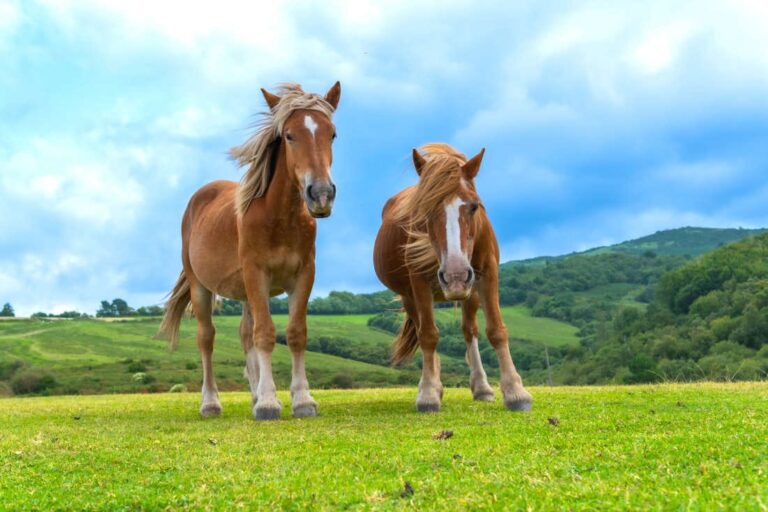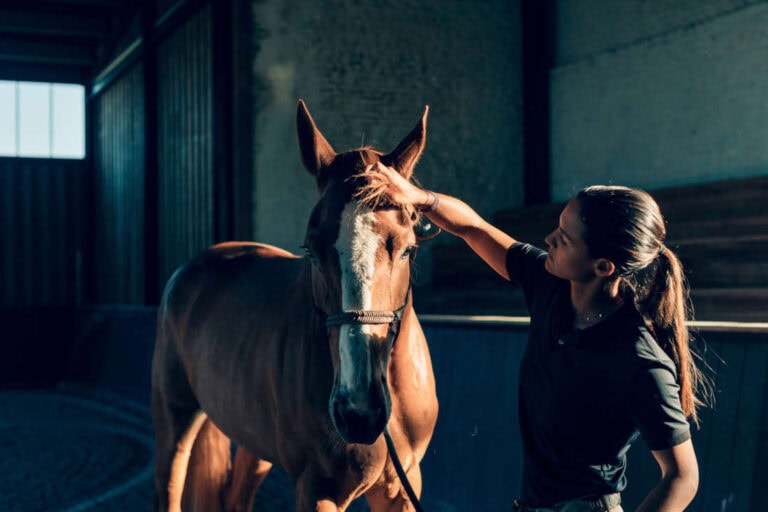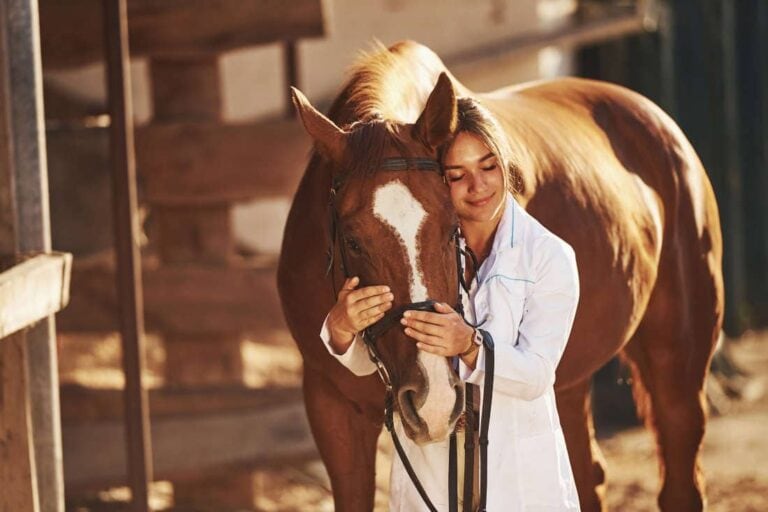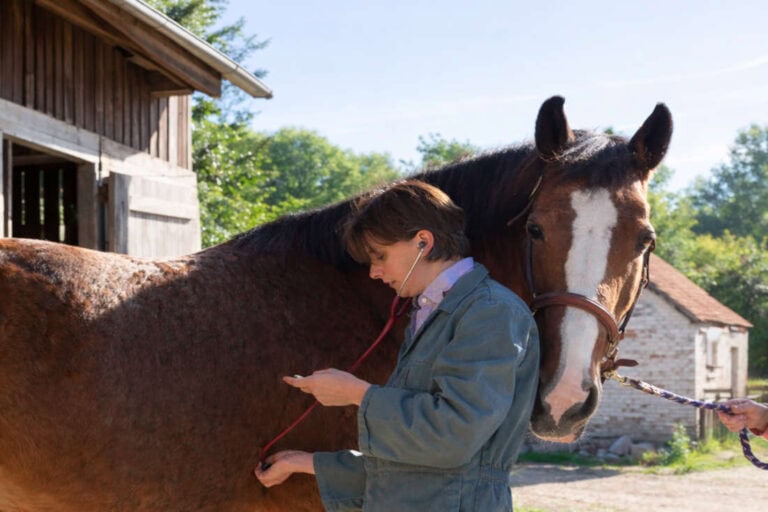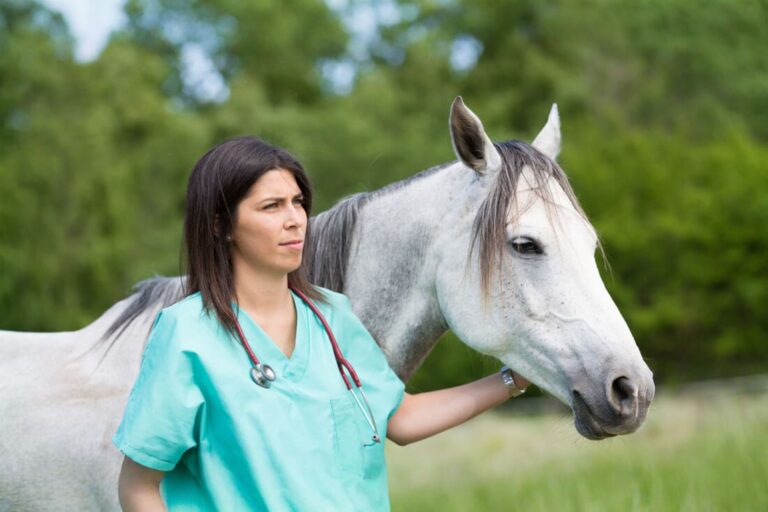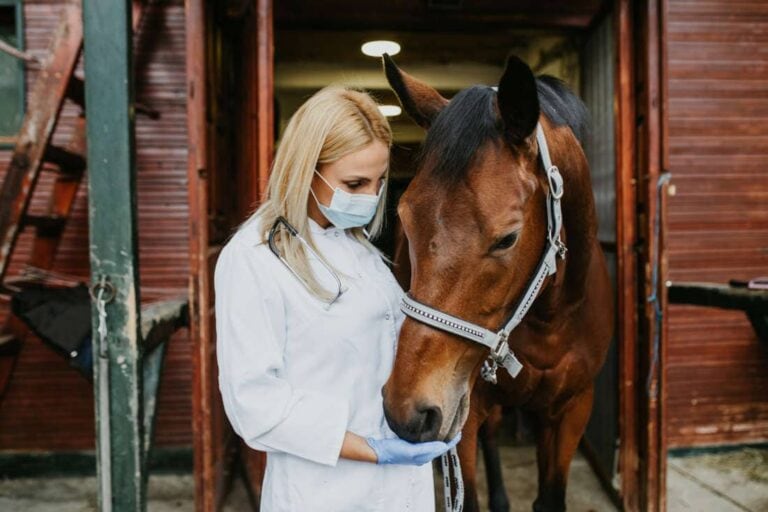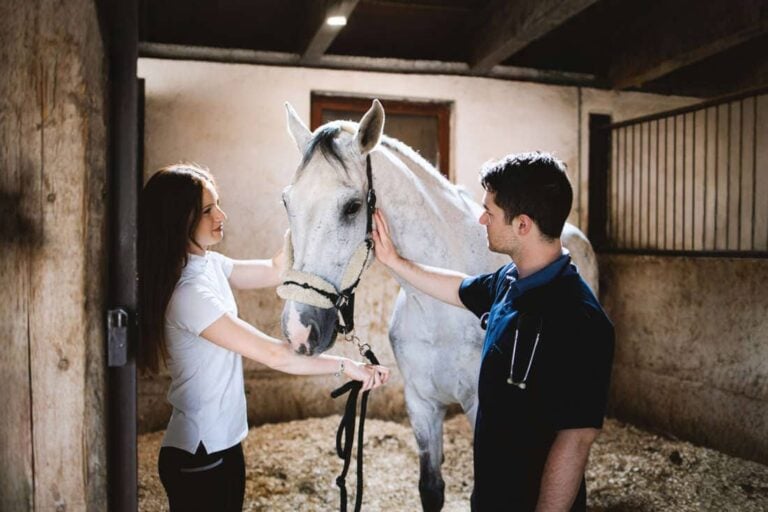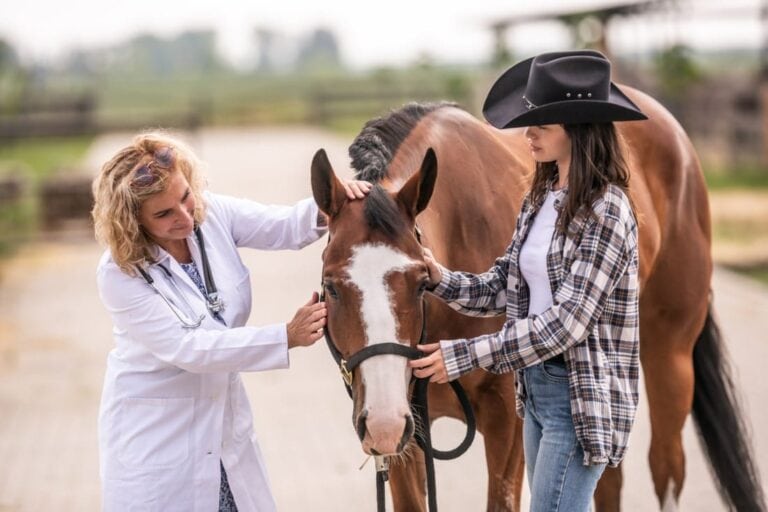
Standing sedation and general anesthesia are two primary methods veterinarians use to immobilize horses for medical and surgical procedures. From routine dental care to complex colic surgery, selecting the appropriate anesthetic approach is a critical part of equine medicine due...
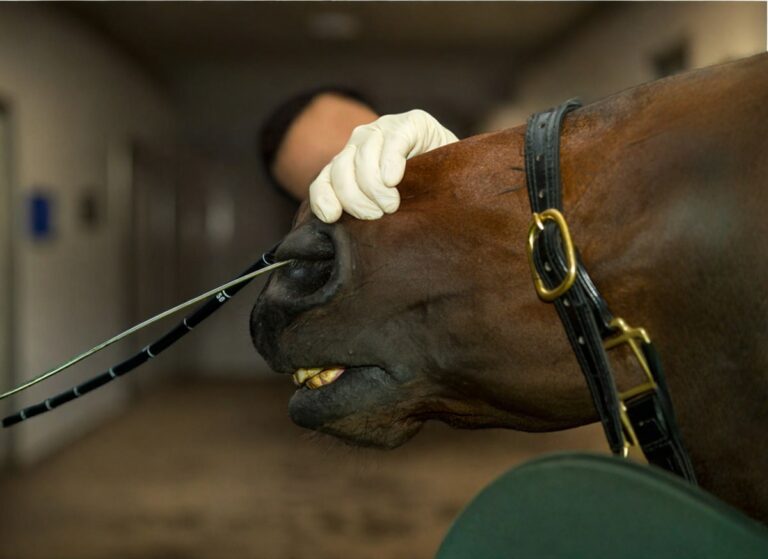
Nasopharyngeal sampling is a commonly performed diagnostic procedure in equine practice, used to identify infectious agents affecting the upper respiratory tract. It involves inserting a deep nasal swab into the nasopharynx to collect samples for testing for viral or bacterial...
Quinidine is an antiarrhythmic medication used in horses for the treatment of atrial fibrillation (AF), the most common type of cardiac arrhythmia that warrants medical intervention. Atrial fibrillation occurs when the upper chambers of the heart (the atria) beat in...
Bacterial infections are a common cause of illness in horses and can affect nearly every body system, from the skin and respiratory tract to the gastrointestinal tract, urinary system, and joints. These infections may develop after wounds or surgical procedures,...
The equine respiratory system plays a critical role in athletic performance and overall health, and even subtle abnormalities can significantly impact a horse’s comfort, stamina, and ability to perform. Because many respiratory problems are located deep within the nasal passages,...
Effective parasite control is a cornerstone of equine health management. While routine deworming once served as the mainstay of parasite prevention, increasing evidence of anthelmintic resistance has shifted the focus toward diagnostic testing and targeted treatment. Diagnostic tests provide valuable...
Nasogastric intubation is one of the most fundamental and frequently performed procedures in equine practice. It serves both diagnostic and therapeutic purposes and is a critical component of evaluating horses with gastrointestinal disease, particularly those presenting with signs of colic....
The American Cream Draft Horse is a distinct draft breed known for their striking champagne coat, gentle temperament, and deep roots in American agricultural history. As one of only a few draft horse breeds developed in the United States, the...
Abdominal ultrasound is a valuable, non-invasive diagnostic tool that allows veterinarians to visualize the organs and soft tissues within a horse’s abdomen. Using high-frequency sound waves, the technique produces real-time images that can reveal both normal anatomy and subtle abnormalities....
Rectal examination remains one of the most valuable and informative diagnostic tools available to equine practitioners when evaluating gastrointestinal conditions. In cases of colic, it is often the single most informative procedure for identifying the underlying cause, determining the severity...
Joint disease and injury are common causes of lameness and poor performance in horses, particularly in athletic or young growing animals. Conditions such as osteochondritis dissecans (OCD), synovitis, and traumatic fractures of joint surfaces can significantly affect a horse’s comfort,...
Turnout is one of the most important parts of your horse's daily routine. Despite this, many facilities struggle to provide horses with adequate turnout during the winter, when conditions may be icy, muddy, or frozen. This can lead to increased...
Boarded horses rely on barn staff, shared facilities, and set management routines to stay safe and healthy. Cold temperatures, icy footing, limited turnout, and changes in forage and water availability can all influence a horse's comfort, health, and behavior during...
Neurologic disease in horses often presents a diagnostic challenge, as clinical signs can be vague or difficult to narrow down to one disease. A valuable tool available to veterinarians handling neurologic cases is cerebrospinal fluid (CSF) analysis. By providing a...
Fungal diseases in horses represent a diverse group of conditions that can affect the skin, respiratory tract, eyes, and internal organs. While less common than bacterial or viral infections, fungal infections are often more insidious and challenging to diagnose. Because...
Abdominal disease is a common and sometimes life-threatening problem in horses, with colic being one of the most frequent emergencies encountered in equine practice. One valuable tool in the diagnostic process for colic cases is abdominocentesis, also known as a...
The equine heart is a remarkable organ, designed to support athletic performance, endurance, and overall health. However, like any system, it can be affected by disease or structural abnormalities that compromise its function. Detecting heart problems in horses can be...
An ophthalmic examination involves more than simply looking at the surface of the eye. A complete assessment evaluates the cornea, lens, anterior and posterior chambers, tear production, ocular pressure, and reflexes. Special diagnostic tools, such as fluorescein dye, Schirmer tear...
In December of 2024, a diet evaluation was requested for a 12-year-old Morgan mare named Kelta. She weighed approximately 800 lbs (363 kg) and was located in Alaska, USA. Initial reported concerns included topline loss, metabolic health, and weight issues....
Viral infections are among the most common health challenges faced by horses, ranging from mild, self-limiting illnesses to severe, life-threatening diseases that spread rapidly through equine populations. Because many different viruses can affect horses, recognizing and correctly diagnosing these infections...
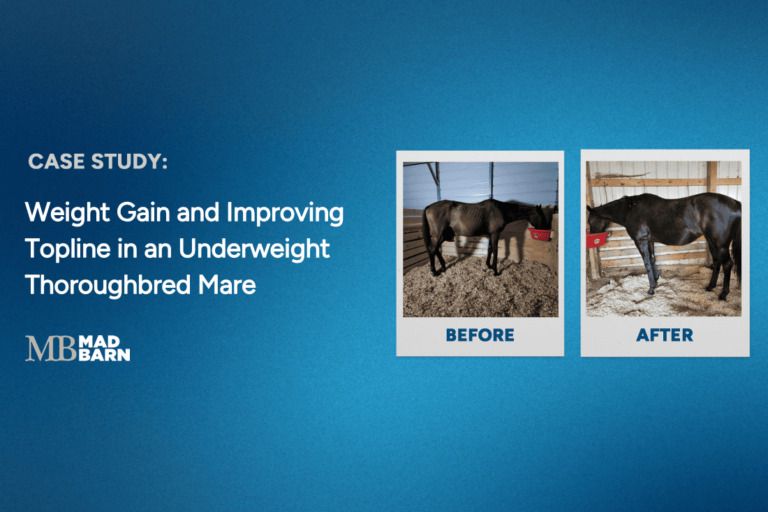
In July of 2022, a diet evaluation was requested for a 16-year old, slightly underweight Thoroughbred mare named Epona. She weighed approximately 1000 lbs (454 kg) and was located in Arkansas, USA. Initial reported concerns included weight issues and topline...
Electrocardiography (ECG) is one of the most important tools veterinarians use to evaluate equine heart health. While stethoscopes remain invaluable for identifying murmurs and abnormal rhythms during a physical exam, an ECG provides a more precise and objective way to...
The nervous system plays a vital role in every aspect of a horse's health and performance, from balance and coordination to sensory perception and behavior. When this system is interrupted, the signs can be subtle or dramatic, and distinguishing neurologic...
Urinalysis is a simple yet powerful diagnostic tool that can provide valuable insights into a horse’s overall health. By examining the appearance and composition of urine, veterinarians can assess kidney function, hydration status, and the presence of certain toxins. Although...
Necropsy, also known as an autopsy or post-mortem examination, is a vital diagnostic tool in equine veterinary medicine. When a horse dies unexpectedly or under unclear circumstances, performing a necropsy can provide critical insights into the cause of death. Necropsy...
Radiographs, commonly known as X-rays, are one of the most valuable diagnostic tools in equine veterinary medicine. They allow veterinarians to examine the internal structures of the horse—primarily bones and joints—without the need for surgery or invasive procedures. Whether evaluating...
Gastroscopy is a valuable diagnostic tool that allows veterinarians to directly visualize the inside of a horse's upper digestive tract. This minimally invasive procedure uses a specialized flexible camera, called a gastroscope, to identify abnormalities that cannot be detected through...
Autologous Protein Solution (APS) is a biologic therapy that has emerged as an innovative treatment for managing joint and soft tissue injuries in horses. This biologic therapy uses the horse's own blood to create a concentrated solution of anti-inflammatory proteins...
Bromegrasses, including Smooth and Meadow Bromegrass, are cool-season perennials widely used for equine forage in North America. Valued for their drought tolerance, adaptability to soil types, and consistent nutritional profile, these grasses are a reliable option for many equine diets....
Timothy hay offers moderate energy and protein content, making it suitable for a wide range of horses. Depending on Timothy’s growing and harvesting conditions, it can be produced at varying nutritional levels to suit different horse’s needs- from growing and...