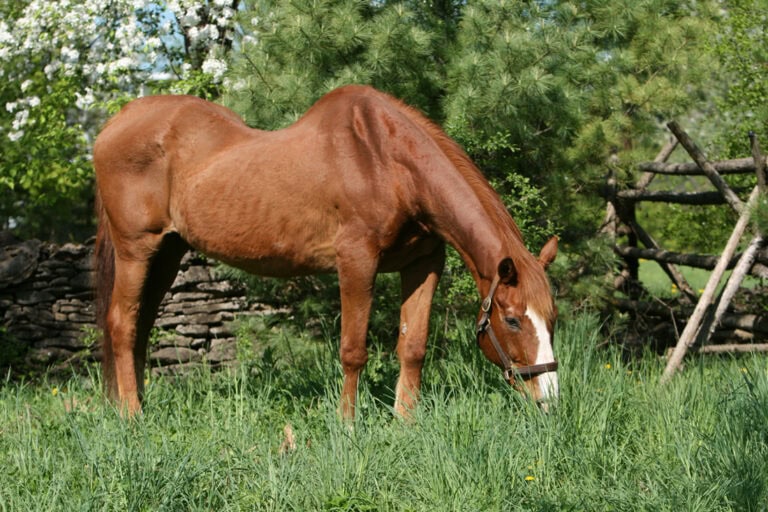
A strong topline is one of the most important indicators of a well-conditioned horse. In addition to being aesthetically pleasing and supporting performance, a good topline can protect your working horse from strain and injury.
Lameness in the horse's hock joint is one of the most common causes of altered hind end gait. Hock lameness is characterized by shortened gait, weight shifting, stiffness when your horse picks their hind legs up, and reduced springiness off...
Your horse’s coat quality and color reflect his or her inner health. Coat color is primarily determined by genetics, although diet and care can also significantly impact coloration.
Producing high-quality milk for the foal requires a lot from your mare. Lactation puts higher energy demands on a mare’s body than any other stage of her life. To keep up with the milk requirements of a growing foal while...
Equine anemia is a condition that significantly impacts the health and performance of horses. It is a reduced number of red blood cells in circulation. Horses with anemia typically experience low energy levels, elevated heart rate, poor coat quality, depression...
Colostrum is the first milk that a mare produces after foaling. It is particularly rich in antibodies, which provide immunity for newborn foals. Foals are born without a fully developed immune system and rely on a passive transfer of antibodies...
Aloe vera (Aloe barbadensis) is a medicinal plant that is frequently used to soothe skin irritations. The gel of the inner leaf is also commonly fed to reduce or prevent gastric irritations and ulcers in horses. Aloe vera gel contains...
Do you struggle with your horse’s stress levels? Horses are creatures of habit and are uneasy when in new environments, changing social groups, or when their routine is disrupted. Stress and anxiety can also be caused by boredom or a...
Nutritional Secondary Hyperparathyroidism (NSH) - also known as Big Head Disease - is an uncommon problem in horses that stems from a mineral imbalance. This skeletal condition develops due to a calcium deficiency or an imbalanced ratio of dietary calcium...
Gastric ulcers are lesions in the horse's stomach that can cause pain, recurrent colic, poor exercise tolerance, weight loss and behavioural changes in your horse. Ulcers in the squamous (upper) region of the stomach form when gastric acids come into...
Joint wear and tear is a part of every equine athlete's life. As your horse ages, joints naturally become stiff and sore - a process that is accelerated with heavy exercise. Joint injections deliver medication directly to the affected joints.
Kissing spine is a skeletal abnormality in horses in which bony growths on the vertebrae of the spine touch or "kiss". These bony outgrowths are called dorsal spinous processes.
Kelp is a species of seaweed that is a nutritionally-dense source of protein and trace minerals. It contains the essential mineral iodine, which is important for thyroid function, growth and metabolism.
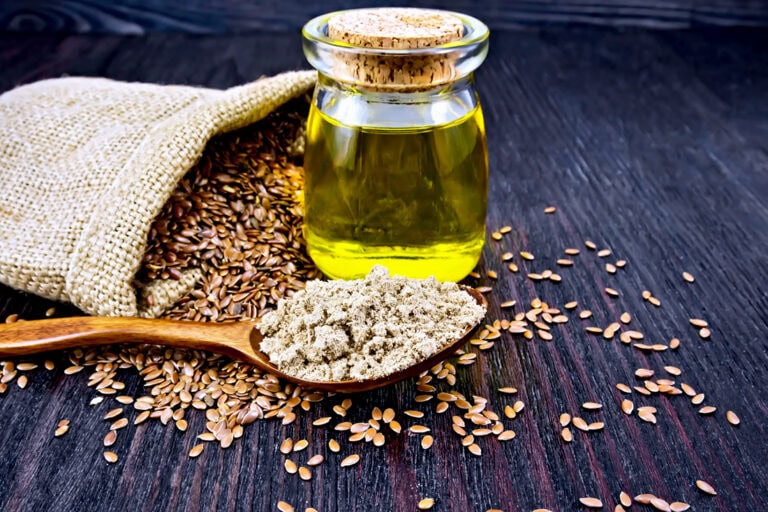
Camelina oil is commonly fed to horses as an omega-3 fatty acid supplement. It is used to support weight gain, joint health, coat quality and general well-being. Camelina oil is extracted from the seeds of the camelina sativa plant, also...
Arthritis is defined as inflammation in one or more joints, which leads to pain and stiffness. The condition is degenerative, meaning it cannot be reversed in most cases and tends to worsen over time. However, there are steps that horse...
Riding and working with horses poses some inherent risk of danger, but the risk is greater when working with an aggressive or moody horse. For this reason, horse owners often look to calming supplements to help make their horse more...
When it comes to feeding senior horses, there are many factors to consider to support longevity and healthy ageing. Making sure your horse’s core nutritional needs are met and keeping up with routine healthcare are critical to promoting optimal well-being...
Putting weight on a skinny horse can be a difficult and frustrating task. There are many different causes of weight loss in horses and feeding strategies will depend on why your horse is underweight in the first place. Weight loss...
How much water does your horse need to drink every day to stay healthy and how much do water requirements increase in hot conditions or when working? Ensuring adequate water intake is important for the optimal health and well-being of...
De-worming your horse is an important practice to prevent health complications associated with internal parasites. Worms, also known as helminths, are large endoparasites which live within horses and other mammals. In high numbers, they can result in colic, weight loss,...
A hyperactive horse is commonly referred to as a "hot" horse. You may know the feeling of dealing with a hot horse all too well: it can feel like your horse is going to explode at any moment. Luckily, there...
Tying-up in horses is a colloquial term for Exertional Rhabdomyolysis, a condition involving exercise-related muscle cramping and damage. Some horses experience a single episode of tying up whereas others experience recurrent tying-up. During an episode, the affected horse becomes stiff...
Equine stereotypic behaviours are repetitive behaviours involving a constant sequence of movements that have no obvious or apparent function. Examples of common stereotypies include cribbing, wind-sucking, weaving, stall walking and head shaking.
Building topline muscle and dealing with topline loss is a common struggle for horse owners. Your horse may have a weak topline due to a variety of factors including nutrition and exercise. Physiological factors such as age or underlying health...
Internal parasites, also known colloquially as worms, are a common concern for many horse owners. Parasites are organisms that live on the horse’s skin or infiltrate the intestinal tract to gain nutrients. They can cause inflammation, immune problems, ulcers, and,...
What’s the difference between squamous ulcers and glandular ulcers in horses? Different types of stomach ulcers in horses are commonly described as the general diagnosis of Equine Gastric Ulcer Syndrome (EGUS). However, new research suggests it is better to refer...
Nutrition and feeding play an integral role in the prevention of equine ulcers. Ulcer-prone horses can benefit greatly from a feeding program that supports gut health and supports the horse's natural defences against ulcers. Equine ulcers are painful sores or...
As many horse owners know, colic is an unpredictable, painful, and sometimes fatal condition. Colic refers to abdominal pain in your horse. It is an amorphous condition that can lead to potentially serious health complications. Colic may present as a...
Vitamins are organic compounds that are essential for all living things. Vitamins have diverse roles within the horse's body, affecting energy metabolism, growth and repair, muscle function, neurological health, immune function and much more. Vitamins function as cofactors for metabolic...
Inflammatory bowel disease (IBD) is a broad term that describes a group of diseases marked by inflammation in the gastrointestinal tract of the horse. Horses with IBD may show outward signs including recurrent colic, diarrhea, weight loss, and low energy...