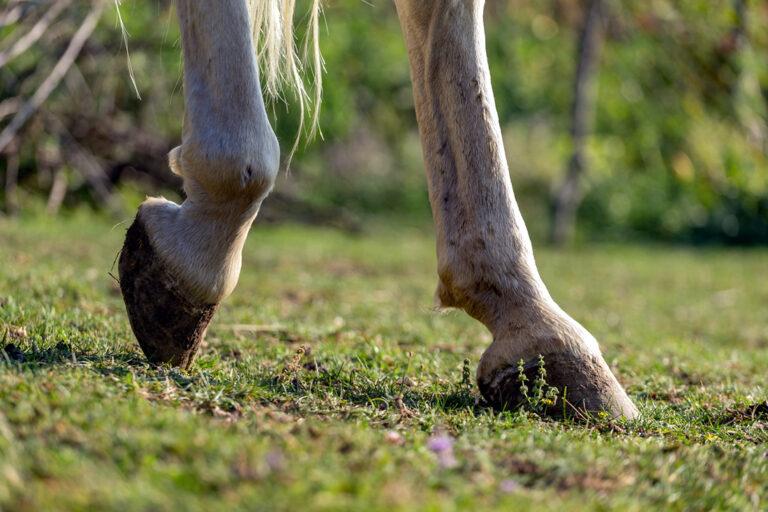
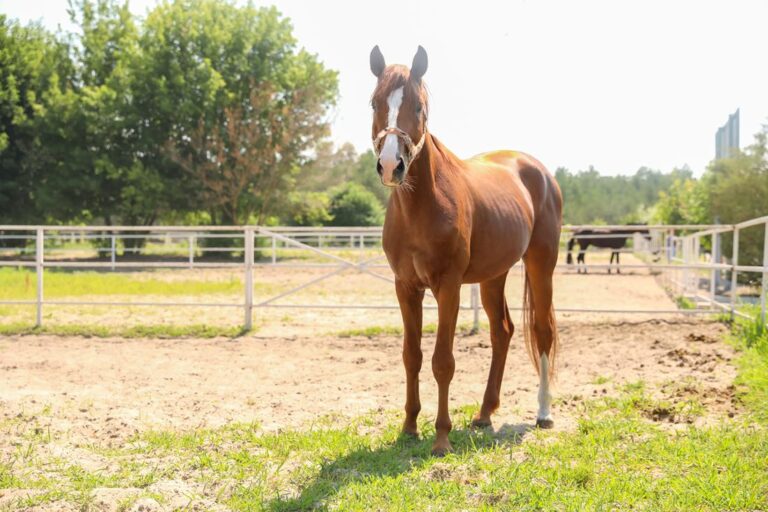
Equine laminitis is a painful condition affecting the horse's hooves. Cases of laminitis range in severity from mild foot tenderness to chronic founder, potentially impeding the horse's ability to walk. Laminitis is the bane of any horse owner's existence. Horses...
Looking for ways to prevent boredom in your horse? Enrichment activities for your horse don't need to cost a lot and can be easy to set up. Many horse owners are aware of the basic components of animal welfare. You...
You've probably heard about the health benefits of omega-3 fatty acids from fish oil, but does this supplement work for horses? Fish oil is often added to diets, both human and animal, as a source of the essential omega-3 fatty...
Is your horse getting a balanced range of essential and non-essential amino acids from their feeding program? Your horse needs adequate amino acids in their diet to make proteins. Proteins are complex molecules that are required for almost every physiological...
Equine gastric ulcers are extremely common, especially in performance horses. But ulcers can also occur in the horse's hindgut and have negative consequences for digestive health. Hindgut ulcers are also known as colonic ulcers. Veterinarians often refer to the condition...
Whether a foal, a broodmare, or a mature or aging horse, supporting joint health is a common concern for many horse owners. Being proactive can help to prevent joint problems from affecting your horse, robbing them of performance, comfort and...
Supplements targeting joint health are some of the most sought-after dietary supplements for horses, especially due to the high prevalence of joint injuries and deterioration later in life. But which equine joint supplements actually work and which are all hype?...
Lysine, methionine and threonine are known as rate-limiting amino acids that are required in the horse's diet because they cannot be made in the body. Of the 21 amino acids that exist, these three are most commonly deficient in the...
Have you noticed changes in your horse such as weight loss, a dull coat, disinterest in feeding or crib chewing that have resulted in poor performance? Your horse might be experiencing stomach pain, most likely due to gastric ulcers. Equine...
MSM (methylsulfonylmethane) is a naturally occurring form of sulfur that is found in plants and animals. MSM is used to support joint comfort in aging horses and performance horses. Horses and other mammals cannot utilize pure sulfur in its elemental...
Selenium (Se) is an antioxidant mineral that is necessary in the horse’s diet. Horses derive selenium by consuming hay or grasses that grow in soils that contain this trace mineral. However, if you live in a region with low selenium...
If you have taken the first steps towards feeding your horse a balanced diet that includes a concentrated mineral and vitamin supplement, there's a chance that your horse may turn its head up when first introduced to it. But don't...
Feeding a quality forage should be the basis of every feeding program. Given the forage portion will account for the large majority of nutrient intake for your horse, isn't it important to understand what is in that forage? By knowing...