
As your broodmare approaches the end of her gestation period, it’s important to be vigilant for changes that indicate foaling is near. Recognizing these signs of foaling in your mare ensures you can make necessary arrangements and provide appropriate care...
Placentitis is a common cause of foal loss and neonatal sepsis in horses. Mares with multiple previous foals, older mares, and mares with poor perineal conformation are most at risk of developing placentitis. Most cases of placentitis arise from bacteria...
Epistaxis is a common condition in horses that refers to bleeding from the nostrils. Nosebleeds can range in severity and may result from trauma, underlying health conditions or exercise. The majority of nosebleeds in horses are caused by minor trauma...
Although donkeys and horses are kept similarly, they are two distinct species that have evolved separately from one another. As such, donkeys and horses have different nutrient requirements. In developed countries, donkeys are more commonly kept as leisure mounts and...
Strongyles are considered the most significant internal parasite that affects horses. It is estimated that these parasites affect between 80 – 99% of equids worldwide. There are two main types of strongyles: large strongyles and small strongyles. Both types can...
Twin pregnancies in horses are common but carry significant risks for both the mare and the unborn foals. The horse's reproductive system has developed to carry one fetus to term, and the addition of a second fetus results in competition...
Bone bruising is a common condition often seen in young racehorses, such as Thoroughbreds or Standardbreds. It typically arises from repetitive stress, trauma, or microfractures affecting the subchondral bone, which is the layer of bone located beneath the joint’s cartilage....
A hoof or sole bruise is a common injury in horses, occurring when there is trauma to the sensitive tissues within the hoof. This trauma leads to localized bleeding and subsequent bruising. Hoof bruises can cause mild to severe discomfort...
Also referred to as ascorbic acid, vitamin C is an important water-soluble vitamin for horses. It works together with vitamin E and selenium to provide antioxidant protection against cell damage. Vitamin C has additional roles in the equine body including...
Heat stress occurs when the horse’s internal cooling mechanisms stop working efficiently and the ability to maintain a normal body temperature is affected. This is common and in hot and humid conditions, or following vigorous exercise. Without intervention, heat stress...
Impaction colic in horses is a painful condition caused by an obstruction in the gastrointestinal (GI) tract. It is a serious and sometimes fatal condition. The term colic describes abdominal pain or discomfort in horses. Cases of colic are generally...
Rice bran oil (RBO) is an increasingly popular fat supplement fed to horses for weight management, cool energy, and coat quality. The oil is derived from the germ and bran of brown rice grains and contains essential fatty acids and...
Water is the most vital component of the equine diet, but it is often overlooked when considering your horse's nutritional needs. Hydration influences several aspects of horse health, including exercise tolerance, digestion, and temperature regulation. Not only do you need...
Stringhalt, or equine reflex hypertonia, is a neuromuscular condition that causes abnormal hindlimb movement in the horse. Horses with stringhalt have excessive and prolonged flexion of the pelvic limbs while in forward movement, showing signs of the condition at most...
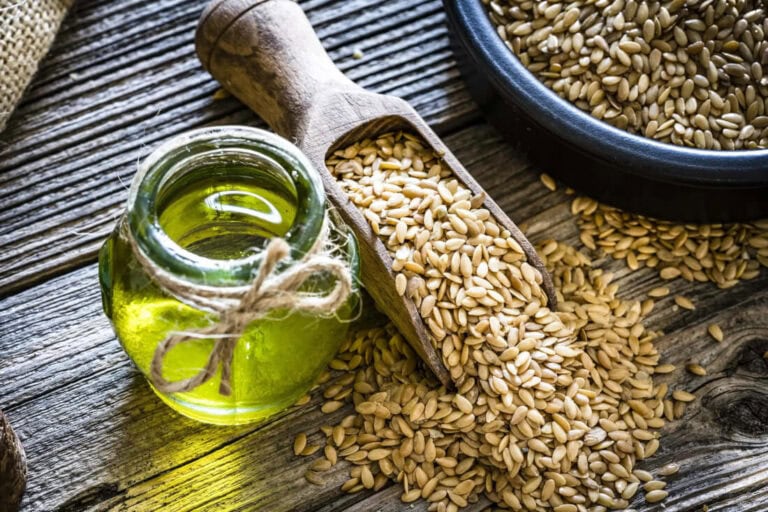
Also known as linseed, flaxseed is produced from the flax plant and can be used to provide fat, protein, and fibre in the equine diet. Flax products are cost-effective, calorie-dense and commonly fed to horses for weight gain or to...
Glucosamine and chondroitin sulfate are two of the most common ingredients found in equine joint products. These natural supplements are purported to promote mobility and joint comfort in hard-working performance horses and aging seniors. But despite their commercial success, there...
Nutritional myodegeneration (NMD), more commonly known as white muscle disease, is a disorder that affects various animals, including horses. In equids, the condition primarily occurs in newborn foals, although adult horses can also develop it. The condition results in degeneration...
Your vet has just confirmed that your mare is pregnant, and you can’t wait for that healthy foal to arrive! When should you be changing her feed? How much weight does she need to gain? What additional nutrients does she...
Soy is a common ingredient in many equine feeds. Different parts of the soybean can be used to provide protein, energy, and fiber in your horse's diet. Soybeans are popular because of their versatility and affordability. Soy oil is a...
Developmental orthopedic diseases (DODs) refer to a range of non-infectious conditions that affect the musculoskeletal system of growing horses. These conditions arise from an interruption in the normal development of cartilage, bone, or soft tissue (joint capsule, tendon, or ligament)....
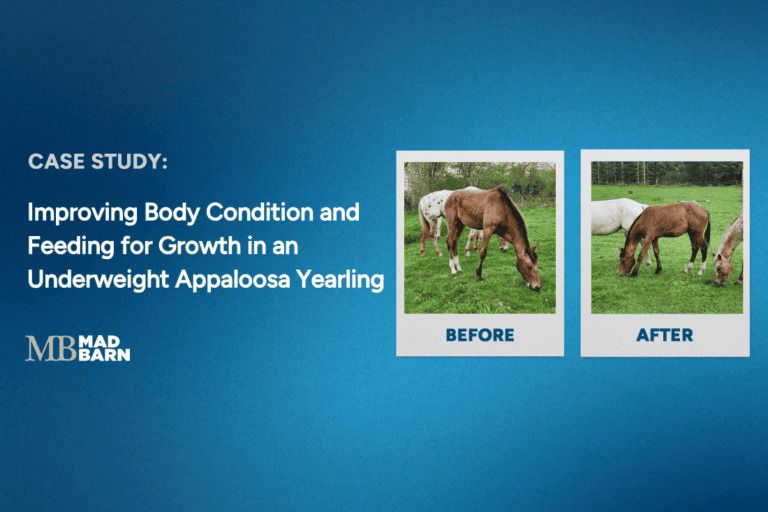
Unexplained weight loss in your horse is a cause for concern for any horse owner but is often straightforward to diagnose and address. If your horse is losing body condition, it could indicate an undiagnosed health problem or it may...
Adding fats and oils to your horse’s diet is a great way to increase calorie supply without relying on grains and high-NSC feeds. Fats can be added to the diets of underweight horses as weight gain supplements. Oils also provide...
Swayback, or equine lordosis, is characterized by a large dip in the spine of a horse, often resulting in a high wither and severe downwards curve to their topline. Swayback is more common in older horses and broodmares who have...
Dehydration is a serious problem in competing and working horses, especially during hot weather. Horses competing in endurance racing or engaging in sustained or strenuous activities are at the highest risk of dehydration. Dehydration occurs when a horse loses excessive...
Electrolytes are minerals that play a key role in cellular function and regulate fluid balance in the body. Electrolytes carry an electric charge when dissolved in fluids such as blood or fluid in and around cells. These are critical for...
The hind fetlock is a high-motion joint that undergoes significant compression and force absorption when the horse is moving. This joint is highly susceptible to soft-tissue injuries and bone disorders. Horses with hind fetlock lameness often show signs of heat...
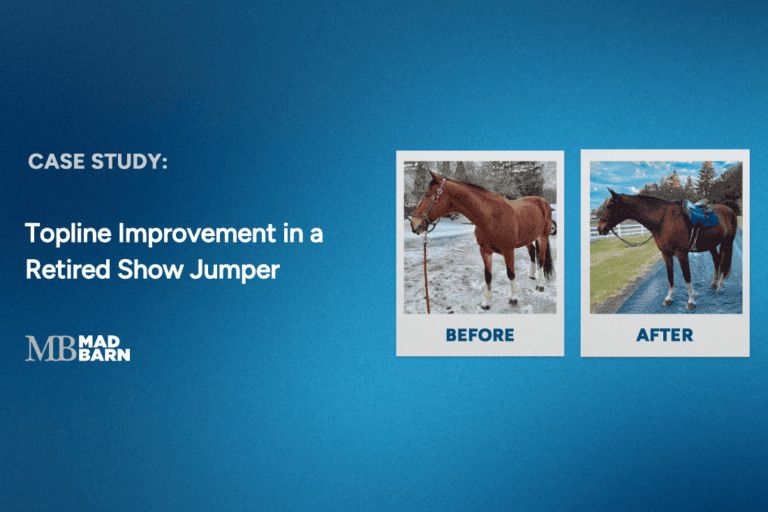
A strong topline is one of the most important indicators of a well-conditioned horse. In addition to being aesthetically pleasing and supporting performance, a good topline can protect your working horse from strain and injury.
Lameness in the horse's hock joint is one of the most common causes of altered hind end gait. Hock lameness is characterized by shortened gait, weight shifting, stiffness when your horse picks their hind legs up, and reduced springiness off...
Your horse’s coat quality and color reflect his or her inner health. Coat color is primarily determined by genetics, although diet and care can also significantly impact coloration.
Producing high-quality milk for the foal requires a lot from your mare. Lactation puts higher energy demands on a mare’s body than any other stage of her life. To keep up with the milk requirements of a growing foal while...