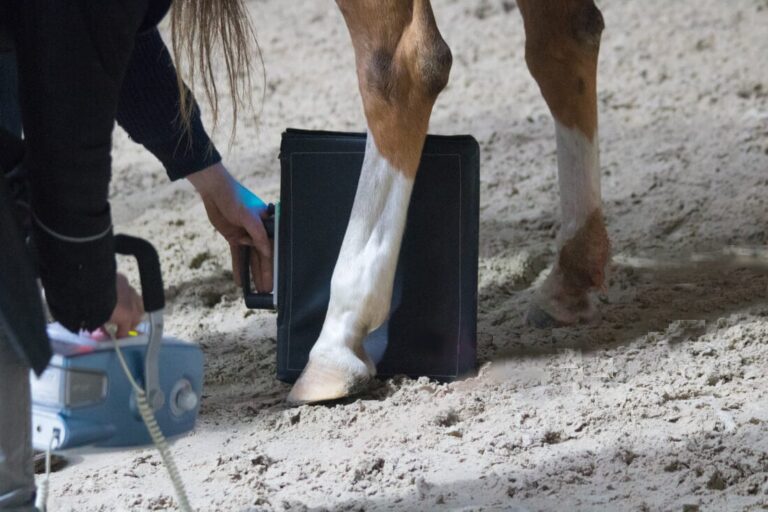
Autologous Protein Solution (APS) is a biologic therapy that has emerged as an innovative treatment for managing joint and soft tissue injuries in horses. This biologic therapy uses the horse's own blood to create a concentrated solution of anti-inflammatory proteins...
Bromegrasses, including Smooth and Meadow Bromegrass, are cool-season perennials widely used for equine forage in North America. Valued for their drought tolerance, adaptability to soil types, and consistent nutritional profile, these grasses are a reliable option for many equine diets....
Timothy hay offers moderate energy and protein content, making it suitable for a wide range of horses. Depending on Timothy’s growing and harvesting conditions, it can be produced at varying nutritional levels to suit different horse’s needs- from growing and...
Blood work is one of the most valuable diagnostic tools available in equine veterinary medicine. Whether used to assess general health, diagnose illness, monitor chronic conditions, or evaluate performance issues, a simple blood test can reveal a wealth of information...
One of the most informative and widely used diagnostic procedures for evaluating the lower respiratory tract in horses is bronchoalveolar lavage (BAL). This is a minimally invasive technique that allows veterinarians to sample cellular components from deep lung tissue. By...
Treats play a meaningful role in strengthening the bond between caregivers and their horses, offering a way to reinforce trust and encourage positive behavior. They can also serve as an effective tool in equine training, as using treats in training...
The Gelderlander, or Gelder Horse, is a distinctive and elegant warmblood breed developed in the Gelderland province of the Netherlands. Known for their flashy movement, uphill conformation, and willing temperament, this versatile horse was initially bred for both light agricultural...
The German Riding Pony, also known as the Deutsche Reitpony, is a pony breed with conformation and movement that resembles a small warmblood horse. These ponies originated in Germany but do not descend directly from German warmbloods, despite their similarities...
Equine inhalers are specialized devices used to deliver medication directly into a horse's lungs to help manage respiratory conditions. These devices are similar in design and function to inhalers used by humans, but they have been adapted to suit the...
Breathing is an automatic function that often goes unnoticed, until something goes wrong. Dyspnea, the term for difficult or labored breathing, is a serious clinical sign in horses. It is not a diagnosis itself but a symptom of underlying problems...
It's not unusual to see a small amount of clear, watery discharge coming from your horse's nose—especially after exercise, during cold weather, or when they've been around dust or pollen. Mild discharge is part of the body's natural defense system,...
Managing horses at shows requires a deep understanding of how unfamiliar environments can impact their health and performance. Horses undergo both physiological and behavioral changes in these settings, and without proper care, they may experience stress, illness, or injury. By...
Orchardgrass is a cool-season perennial grass widely grown in temperate regions and commonly used as forage for horses. It thrives in well-drained soils and moderate climates, producing dense, leafy growth that is typically quite palatable to horses. On average, orchardgrass...
In May of 2024, a diet evaluation was requested for two Quarter Horse geldings named Clark and Andy. They weighed approximately 1000 lbs (500 kg) and were located in Texas, USA. Reported concerns included weight and topline issues following a...
In March of 2024, a diet evaluation was requested for a 5-year-old Appendix gelding named Mikey, from Alberta, Canada. He weighed approximately 1000 lb (454 kg), and reported concerns included topline health. His owner’s primary goal was to support Mikey’s topline...
American Warmbloods are sport horses produced by American breeding programs. The term refers to any horse registered with one of the recognized American Warmblood breed organizations. American Warmbloods can descend from any breed if they meet standards for performance and...
The Kabarda, or Kabardin, horse is a rare breed from the Caucasus mountains. These horses are known for their unique adaptability to mountainous landscapes. The hardiness and bravery that once allowed these horses to carry riders safely through the Caucasus...
In January 2024, a progress report was submitted for an eleven-year-old off the track Thoroughbred gelding named Hades. He was located in Manitoba, Canada at the time of his progress report. He weighed approximately 1,150 lbs (522 kg) and was...
In August of 2024, a diet evaluation was requested for a 4-year old Tennessee Walking Horse gelding named Kevin. He was estimated as slightly overweight at 1,115 lb (506 kg). Reported concerns included hoof and topline quality and respiratory health....
Protein is an essential nutrient for horses and a key component of the equine diet. Adequate protein is required for supplying the amino acids needed to build and maintain muscle, vital organs, bones, hooves and other tissues. A horse's protein...
In July 2024, a diet evaluation was requested for a three-year-old Haflinger gelding named Sawyer. He was located in British Columbia, Canada at the time of the submission. He weighed 1,097 lb (500 kg). Sawyer was reported to be overweight...
Lactation is a vital process for broodmares, ensuring the survival and growth of foals by providing essential nutrients and immune protection. However, some mares experience abnormal or inappropriate lactation, producing milk outside the expected timeline—either too early, too late, or...
In March of 2024, a diet evaluation was requested for a 31-year-old non-breeding stallion Quarter Horse named Mouse. He weighed approximately 950 lb (430 kg) and was located in Missouri, USA. Reported concerns included topline health and ulcers. His owner’s...
At Mad Barn, we’re passionate about supporting horse owners through research and equine expertise, providing education and solutions for equine health and nutrition. We were thrilled to join Elisa Walfish from the Data Driven Equestrian this past December to answer...
When it’s time to bring a horse back to work after a period of inactivity, whether due to injury, broodmare duties, or seasonal downtime, the process requires thoughtful planning and patience. A gradual return to work (RTW) program tailored to...
In January 2024, a diet evaluation was requested for an eleven-year-old Quarter Horse gelding named Junior. He was located in Alberta, Canada at the time of his diet evaluation submission. He weighed 1300 lbs (590 kg) and was reported to...
Horses are muscular animals, with a high proportion of muscle mass relative to their body weight. This impressive musculature has been shaped through centuries of selective breeding for athletic traits, including speed and strength, that enable horses to excel in...
Regular health checks are an essential component of maintaining your horse's well being, performance, and longevity. Comprehensive health checks allow for early detection of illness, injury, or discomfort, allowing for prompt veterinary treatment and better health outcomes in the long-term....
Manganese is an essential trace mineral involved in multiple physiological processes within a horse’s body. It is an important component of antioxidant enzymes and plays key roles in skeletal, muscular, and nervous system health. Because of its importance, certain groups...
Helping a horse recover from injury requires patience, careful planning, and a basic understanding of equine rehabilitation principles. From controlled exercise and proper nutrition to therapeutic techniques and mental well-being, every step in the recovery process plays a crucial role...