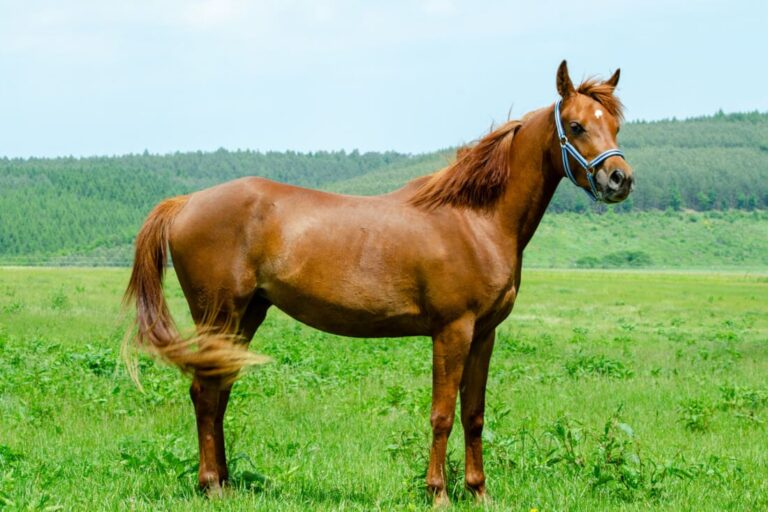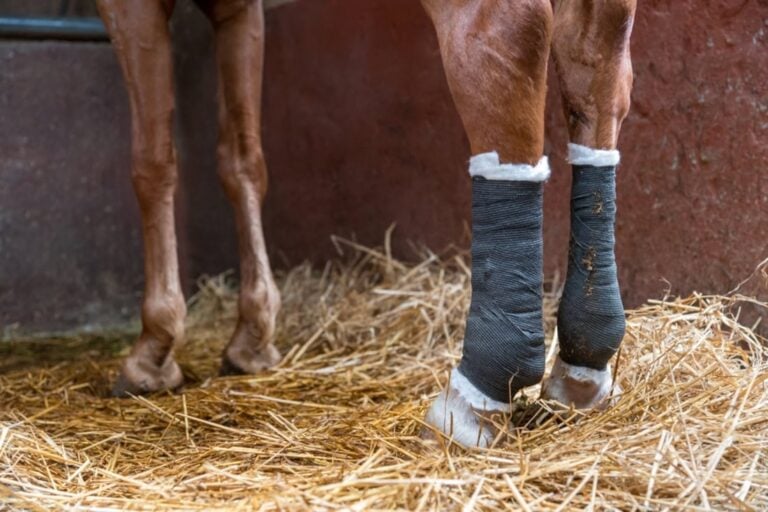

The equine digestive system is a remarkably complex and sensitive network of organs, adapted to process a steady supply of forage around the clock. When its delicate balance is disrupted, the horse's ability to process and absorb nutrients is affected....
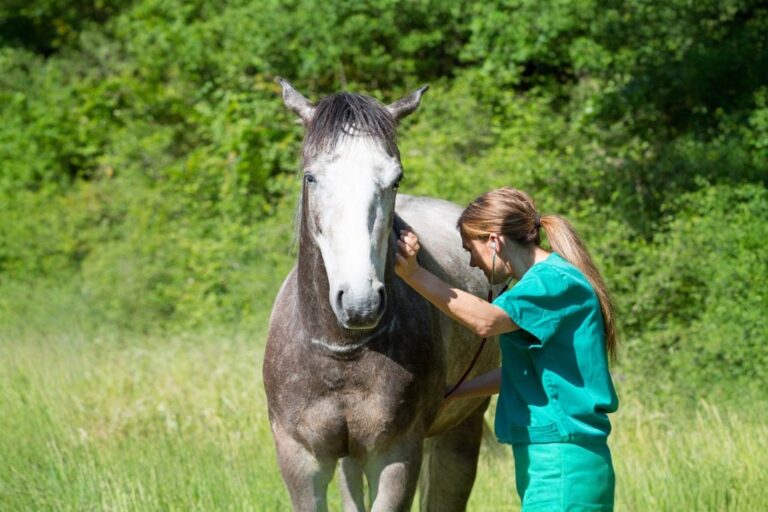
Abdominal disease is a common and sometimes life-threatening problem in horses, with colic being one of the most frequent emergencies encountered in equine practice. One valuable tool in the diagnostic process for colic cases is abdominocentesis, also known as a...
The equine heart is a remarkable organ, designed to support athletic performance, endurance, and overall health. However, like any system, it can be affected by disease or structural abnormalities that compromise its function. Detecting heart problems in horses can be...
An ophthalmic examination involves more than simply looking at the surface of the eye. A complete assessment evaluates the cornea, lens, anterior and posterior chambers, tear production, ocular pressure, and reflexes. Special diagnostic tools, such as fluorescein dye, Schirmer tear...
Lens luxation is an uncommon but serious eye condition in horses. It occurs when the lens — the clear, flexible structure inside the eye that helps focus light — slips out of its normal position. This displacement can cause pain,...
The horse's eye is large, delicate, and vital for navigating its environment. Its prominent position and limited natural protection make it especially vulnerable to injury. Eye prolapse, also called proptosis, is uncommon but serious, occurring when the eyeball is displaced....

Electrocardiography (ECG) is one of the most important tools veterinarians use to evaluate equine heart health. While stethoscopes remain invaluable for identifying murmurs and abnormal rhythms during a physical exam, an ECG provides a more precise and objective way to...
The nervous system plays a vital role in every aspect of a horse's health and performance, from balance and coordination to sensory perception and behavior. When this system is interrupted, the signs can be subtle or dramatic, and distinguishing neurologic...
Urinalysis is a simple yet powerful diagnostic tool that can provide valuable insights into a horse’s overall health. By examining the appearance and composition of urine, veterinarians can assess kidney function, hydration status, and the presence of certain toxins. Although...
Necropsy, also known as an autopsy or post-mortem examination, is a vital diagnostic tool in equine veterinary medicine. When a horse dies unexpectedly or under unclear circumstances, performing a necropsy can provide critical insights into the cause of death. Necropsy...
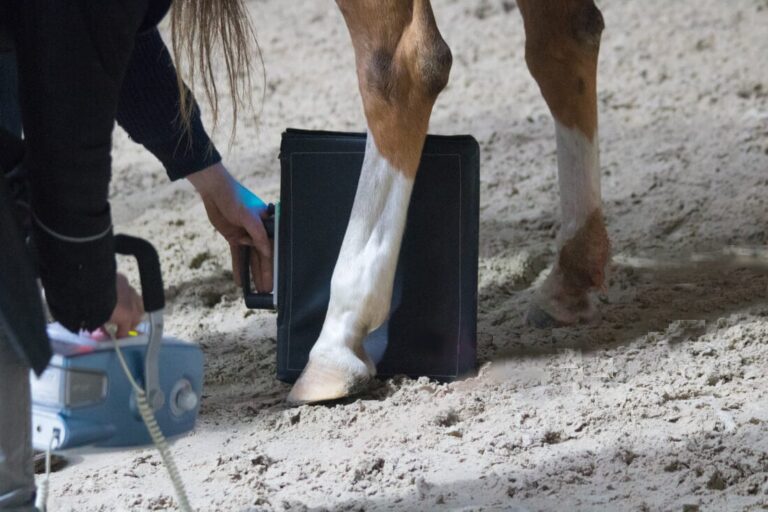
Radiographs, commonly known as X-rays, are one of the most valuable diagnostic tools in equine veterinary medicine. They allow veterinarians to examine the internal structures of the horse—primarily bones and joints—without the need for surgery or invasive procedures. Whether evaluating...
Gastroscopy is a valuable diagnostic tool that allows veterinarians to directly visualize the inside of a horse's upper digestive tract. This minimally invasive procedure uses a specialized flexible camera, called a gastroscope, to identify abnormalities that cannot be detected through...
Mucous membranes play a critical role in assessing equine health. The most familiar mucous membranes are the gums, but these thin, moist tissues line various body cavities, including the eyes and genitals. In clinical settings and daily management, evaluating mucous...
While horses are naturally well-adapted to colder climates, not all individuals cope equally well, and domestic management often interferes with their ability to maintain their internal body temperature. Clipping, restricted forage, inadequate shelter, chronic conditions, and other health factors all...
Blood work is one of the most valuable diagnostic tools available in equine veterinary medicine. Whether used to assess general health, diagnose illness, monitor chronic conditions, or evaluate performance issues, a simple blood test can reveal a wealth of information...
One of the most informative and widely used diagnostic procedures for evaluating the lower respiratory tract in horses is bronchoalveolar lavage (BAL). This is a minimally invasive technique that allows veterinarians to sample cellular components from deep lung tissue. By...
The Drum Horse is an eye-catching, heavy horse breed known for its impressive size, strength, and gentle disposition. Originally bred to carry massive ceremonial kettledrums during British royal parades, today’s Drum Horse combines the best traits of its foundation breeds,...
The quality of the air horses breathe plays a critical role in their overall health and performance. Unlike humans, horses have a highly sensitive and efficient respiratory system designed to meet the oxygen demands of intense physical exertion. However, this...
Aural plaques in horses are a skin condition characterized by thick, pale, crusty patches that develop on the inner surface of the ears. These plaques may begin as small, raised bumps and can gradually merge into larger areas of raised,...
Wondering if your horse really needs sunscreen? While most horses have adequate ultraviolet (UV) protection thanks to their coat and skin pigmentation, those with pink skin or extensive white markings may need an extra line of defense. Sunscreen works by...
Squamous cell carcinoma (SCC) is one of the most common tumors affecting horses, originating in the squamous epithelial cells that form the outermost layer of the skin and line various internal surfaces. This condition can develop in a wide range...
Hoof capsule avulsion, or hoof degloving, is a traumatic injury that can severely impact a horse’s ability to move and function normally. The hoof plays a vital role in supporting the horse's weight, absorbing shock, and maintaining balance, which is...
Zoonotic diseases (zoonoses) are illnesses that are contagious between animals and humans. Horses can contract and transmit several different zoonotic diseases to humans, including rabies, anthrax, methicillin-resistant Staphylococcus aureus (MRSA), and ringworm. These pathogens represent three different types of microorganism...
Metronidazole (Flagyl®) is a commonly prescribed antibiotic in equine medicine, primarily used to treat bacterial infections in horses. It is particularly effective against clostridial infections, which can disrupt the delicate balance of gut bacteria and lead to severe gastrointestinal illness...
The Irish Sport Horse, or Irish Hunter, is a performance horse breed from Ireland. The breed descends from crosses between Irish Draughts and Thoroughbreds. This cross produced athletic horses with the courage and power to compete at the top levels of...
Supporting Limb Laminitis (SLL) is a serious condition that develops when a horse places excessive weight on one limb due to an injury or other issue in the opposite leg. Prolonged compensatory weight bearing disrupts blood flow within the hoof,...
Neck threadworms (Onchocerca cervicalis) are a type of parasitic worm that primarily infect horses. The adult worms live deep within the ligamentum nuchae (the connective tissue along the horse's neck), while their microscopic larvae (microfilariae) migrate into the skin, where...
Equine liniments are a popular DIY remedy that have been used in horse care for centuries. Many owners and caretakers find liniments a versatile option to address muscle soreness, stiffness, and minor injuries. While their overall efficacy lacks robust scientific...
Meningitis in horses is a rare but serious neurological condition characterized by inflammation of the meninges—the protective membranes surrounding the brain and spinal cord. This inflammation is often the result of a bacterial or viral infection that spreads to the...
The National Show Horse is a relatively new breed that combines the best traits of Arabians and American Saddlebreds to create the ultimate modern-day show horse. National Show Horses excel as competitive riding and driving horses due to their striking...