Bracken fern (Pteridium aquilinum) is a widespread toxic plant that can pose a serious risk to horses when consumed repeatedly in pasture or contaminated hay. This adaptable perennial fern grows throughout North America and many other regions, often establishing dense...
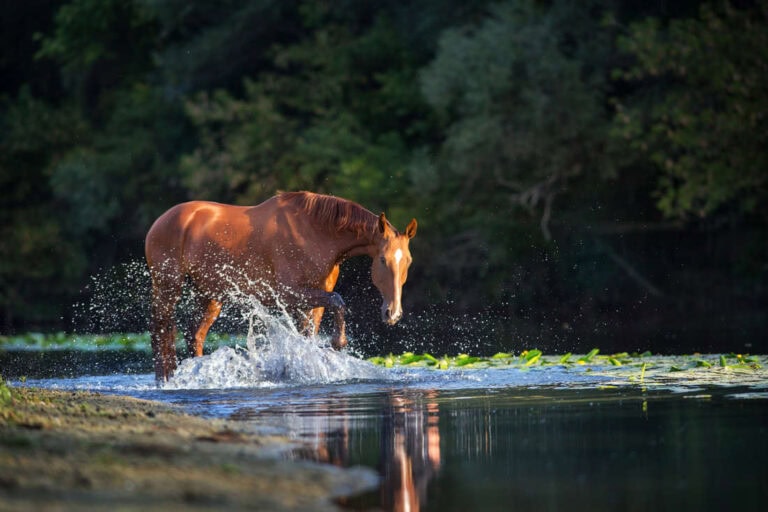
Blue-green algae poisoning in horses is a serious and potentially fatal toxicosis caused by cyanobacteria, microscopic aquatic organisms that can produce potent toxins in contaminated water sources. Harmful cyanobacterial blooms occur worldwide in freshwater and brackish water systems. Under favorable...
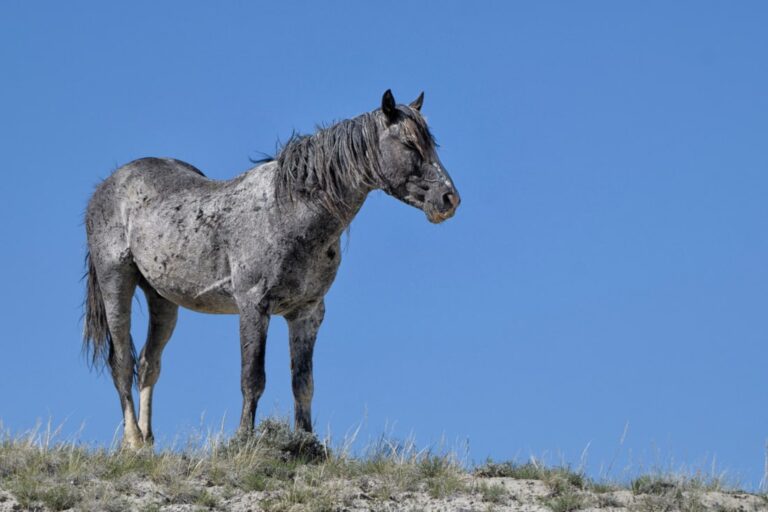
The Nokota horse is known for its intelligence, endurance, and unmistakable blue roan coloring, these horses are living symbols of the American frontier. They have long captured the imagination of conservationists, historians, and horse lovers alike for their unique blend...
Barn fires are one of the most serious risks facing horse facilities, as they can cause rapid, large-scale loss of life and property. Unlike many other barn hazards, fires can develop quickly, spread unpredictably, and leave very little time for...
Caffeine toxicity in horses is an uncommon but important condition that can occur when horses are exposed to coffee by-products, cocoa materials, or contaminated feed. While caffeine is widely recognized as a stimulant in humans, its effects in horses have...
A wide range of grooming brushes are available for horses, but choosing the right one is not always straightforward. While most grooming kits include several standard tools, selecting the best brush for your horse depends on factors such as coat...
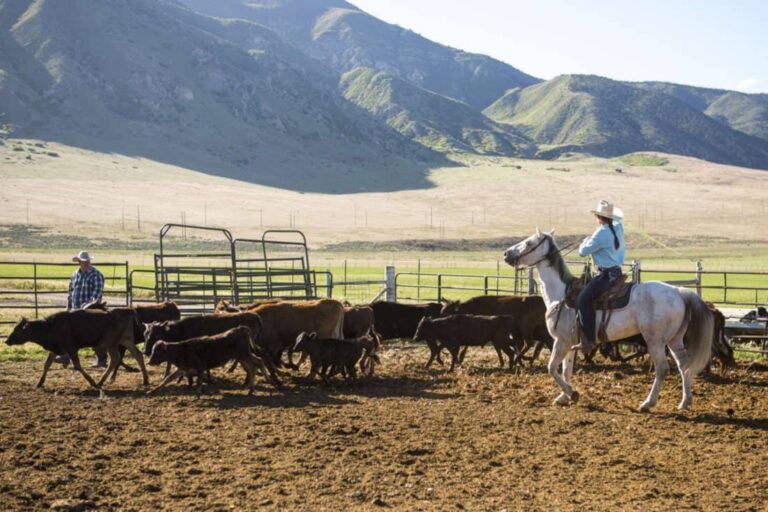
Stock horses are compact, muscular breeds known for their work efficiency. Wherever cattle and sheep were raised on a commercial scale, stockmen needed horses that could cover long distances, maintain focus under pressure, and execute precise maneuvers around unpredictable animals....
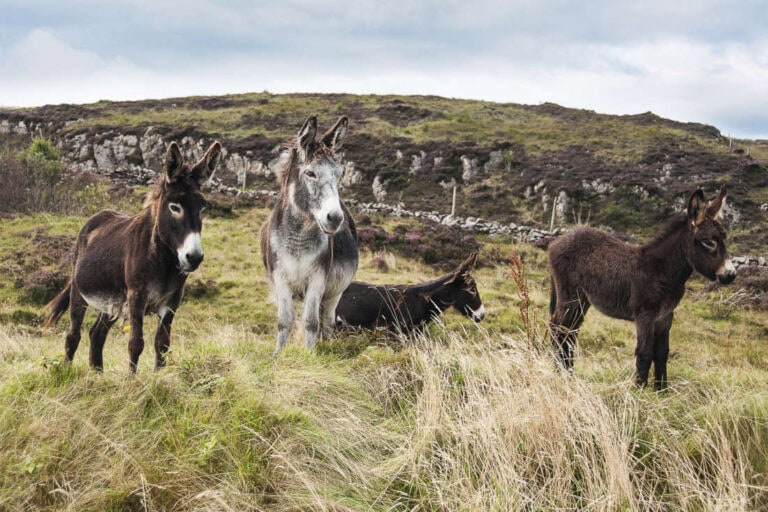
Historically donkeys are one of the world’s most favored working animals, revered for their strength, intelligence, and gentle nature. With roots stretching back over 6,000 years, these resilient equids have helped shape human civilization, from transporting goods across arid landscapes...
Rat poisoning in horses occurs when horses accidentally ingest rodenticides, which are pesticides used to kill rats and other rodents. Exposure can happen through contaminated feed, water, pasture, or bedding, especially in barns, tack rooms, and feed storage areas where...
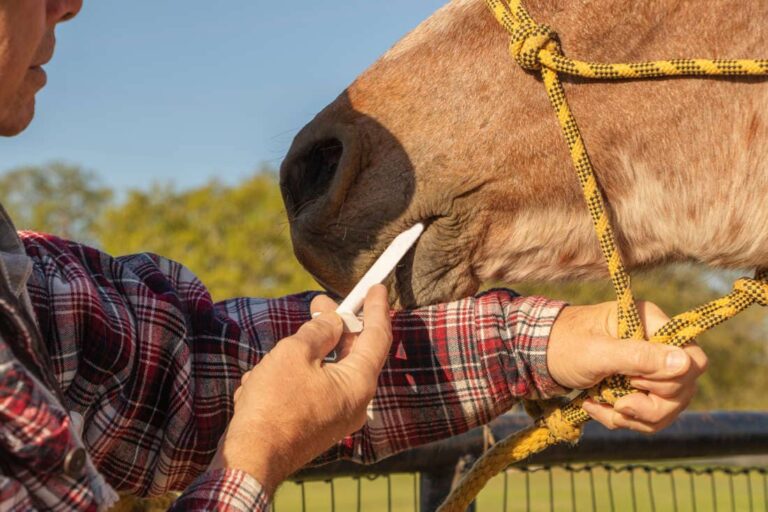
Administering oral medication is a routine part of horse care, but it isn't always straightforward. Many treatments for conditions such as gastric ulcers, infections, respiratory disease, or parasite control are delivered as liquids, tablets, or powders. While the instructions for...
Nightshade poisoning occurs when horses ingest plants from the genus Solanum, a group that includes several species that produce toxic compounds. Plants such as black nightshade (Solanum nigrum), bittersweet nightshade (Solanum dulcamara), and horse nettle (Solanum carolinense) contain naturally occurring...
Horses are intelligent, curious animals that benefit from both mental stimulation and physical activity. In natural settings, daily routines revolve around grazing, movement, and social interaction, which help satisfy these needs. Domestic horses often experience limited turnout or confinement, which...
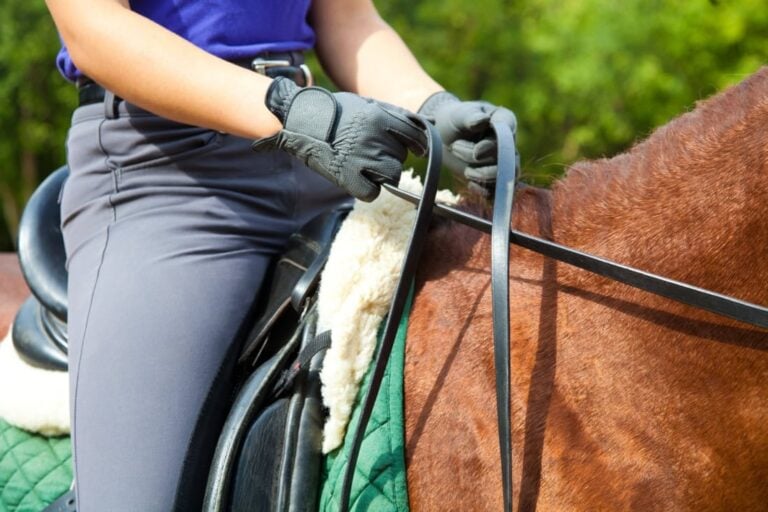
Whether you are enjoying a quiet trail ride or training for competition, your posture in the saddle plays a critical role in how you and your horse move together. Good posture enables riding cues to be delivered with clarity, subtlety,...
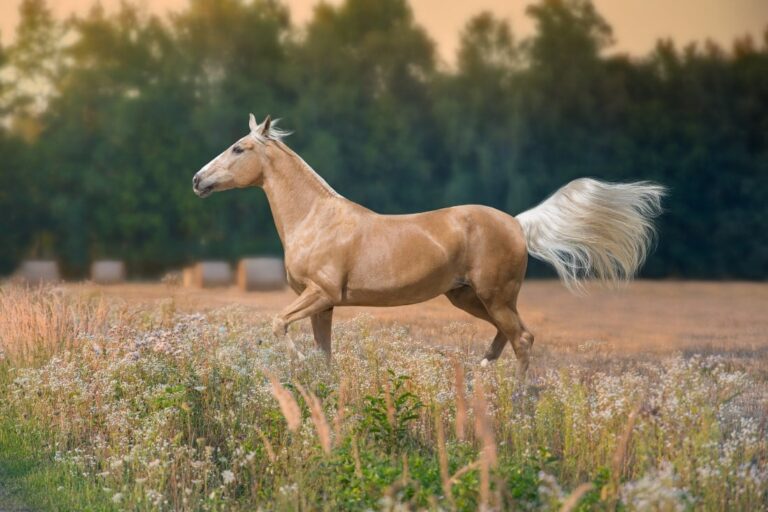
The Palomino horse is one of the most recognizable and widely admired coat colors in the equine world. With a striking golden body and light mane and tail, this equine color has long symbolized beauty, nobility, and prestige. However, unlike...
Working student programs immerse aspiring equestrians in the day-to-day reality of barn life, offering hands-on experience in exchange for labor. Most positions provide room, board, or lessons rather than a formal salary, and many are designed to support the rider’s...
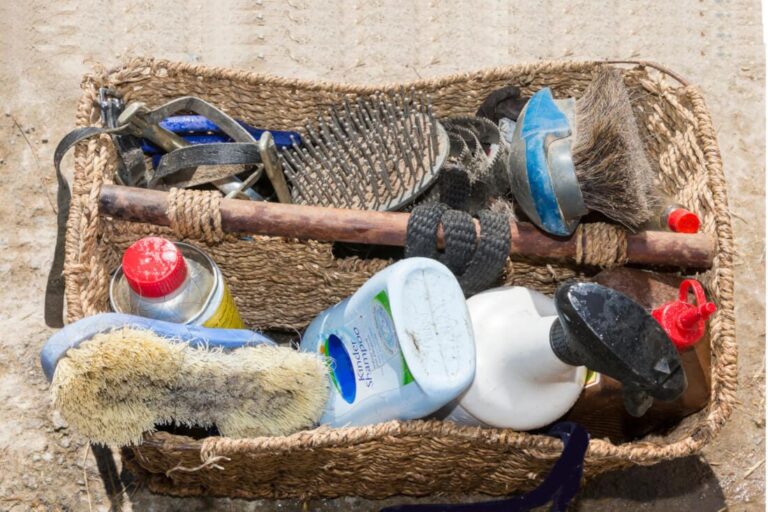
Grooming is a cornerstone to horse care. It helps maintain skin and coat health, prevents infections, assists in early detection of injuries, and supports overall wellbeing. Good grooming begins with the right tools. Whether you are building your first grooming...
The Year of the Horse holds a distinct place in the Lunar Zodiac. Associated with vitality, movement, and independence, Horse years are traditionally seen as times of action and forward momentum. During Lunar New Year celebrations, the Horse symbolizes progress,...
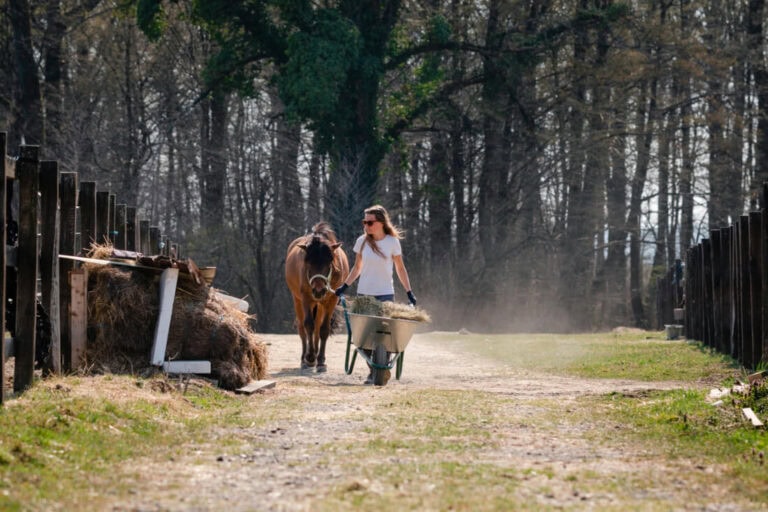
Professional grooms support horse health, performance, and daily well-being across equestrian disciplines. Grooms prepare horses for training, manage routine care, and coordinate farrier visits. In competition settings, grooms handle presentation, transport, and stable management so horses remain settled and prepared...
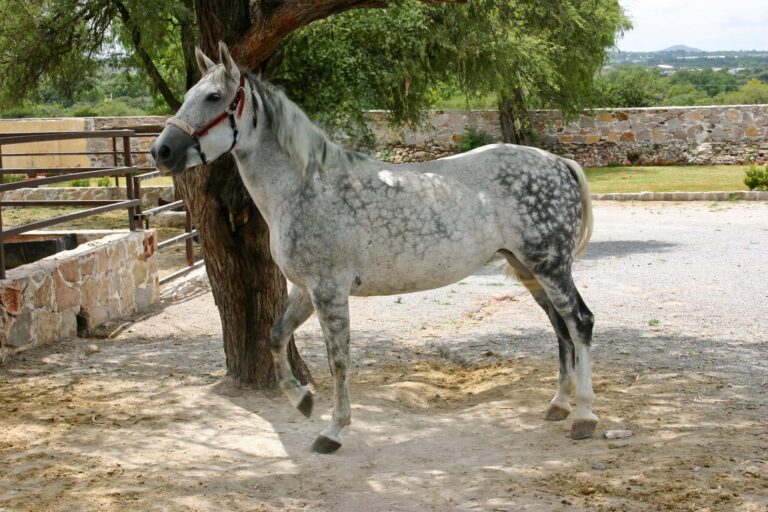
The Azteca horse is a striking blend of grace, power, and versatility. Known as the National Horse of Mexico or national horse of Mexico, it combines the proud Iberian heritage of the Andalusian with the rugged utility of the Quarter...
Allergies are a common yet often misunderstood source of skin and respiratory problems in horses. Many owners recognize issues such as colic or lameness, while allergic reactions receive less attention despite causing significant disruption when symptoms become chronic, recurring, or...
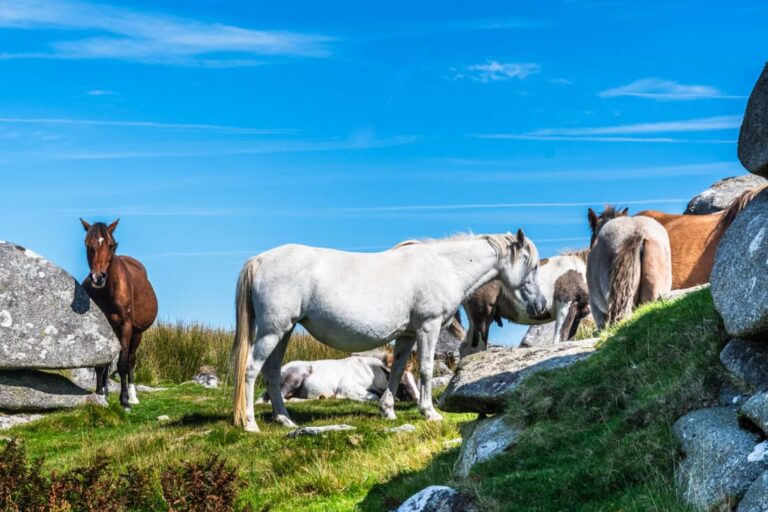
Adopting a wild horse requires forethought, long-term commitment, and respect for horses' nautral instincts. For experienced equestrians looking for a unique partnership, adopting a wild horse offers the chance to participate in the preservation of an iconic species and engage...
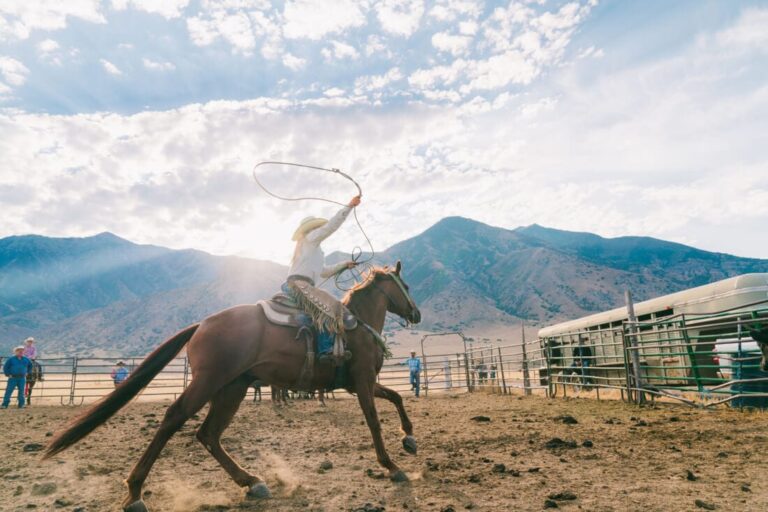
Calf roping is a fast-paced rodeo discipline that tests teamwork, athleticism, and precision between horse and rider. Modern calf roping originated from everyday ranch tasks, where cowboys needed to immobilize young cattle for branding or medical care. Over time, this...
The canter is one of the primary gaits used in horseback riding, combining power, balance, and rhythm into a smooth, three-beat motion. Learning how to canter is a significant milestone [...]
Cooling down a horse after exercise is a vital part of responsible equine care, ensuring their body transitions safely back to its normal state. This process allows the horse’s temperature, heart rate, and respiration to stabilize after exertion, supporting overall...
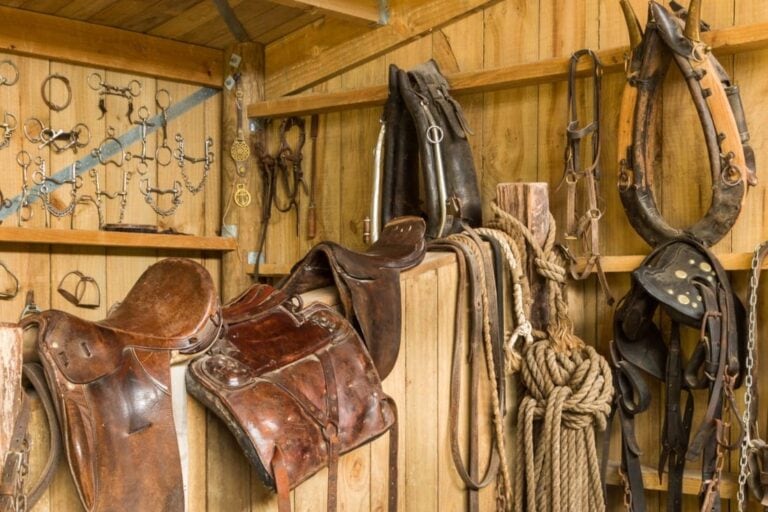
Do you ever get tack room envy scrolling through Instagram and seeing those perfectly staged barn setups? In reality, a well-organized tack room isn’t about maintaining a photoshoot-ready space; it’s [...]
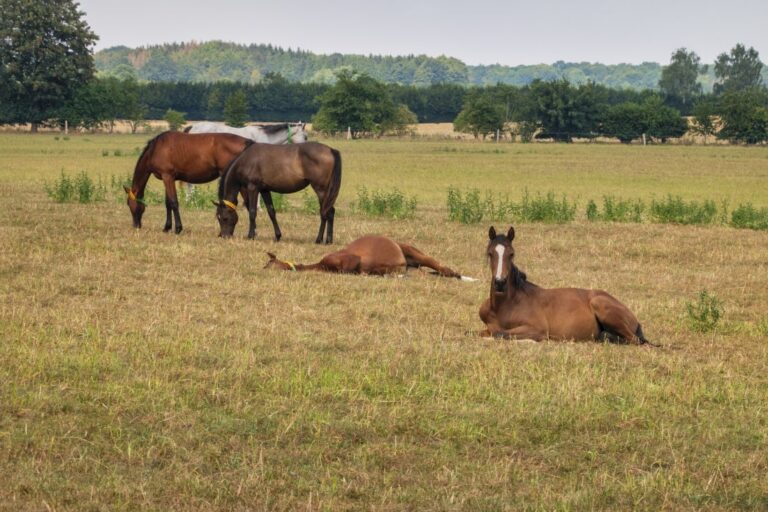
Sleep is a fundamental part of equine life, yet it remains one of the least understood aspects of horse behavior. Every horse depends on rest to restore the body and mind, and equine sleep is quite different from what we...
Steering may sound straightforward- simply turning left or right- but in horseback riding it relies on the precise coordination of seat, rein, and leg aids working together with a horse’s movement. Learning to steer properly is not only about making...
Horses are expressive animals, and one of their most distinctive facial behaviors is the dramatic lifting of the upper lip, often accompanied by a pause and a faraway look. This behavior, known as the flehmen response—sometimes called lip curling or...
English saddles are used across many equestrian disciplines, including dressage, show jumping, eventing, and hunting, with a lightweight design that allows close contact between rider and horse. Unlike the Western saddle, which is built for comfort over long hours of...
Understanding how horses perceive their surroundings allows owners and riders to apply effective training methods, calm and consistent handling, and sound management strategies. This guide covers the main causes of spooking, techniques to build confidence, and practical steps for managing...