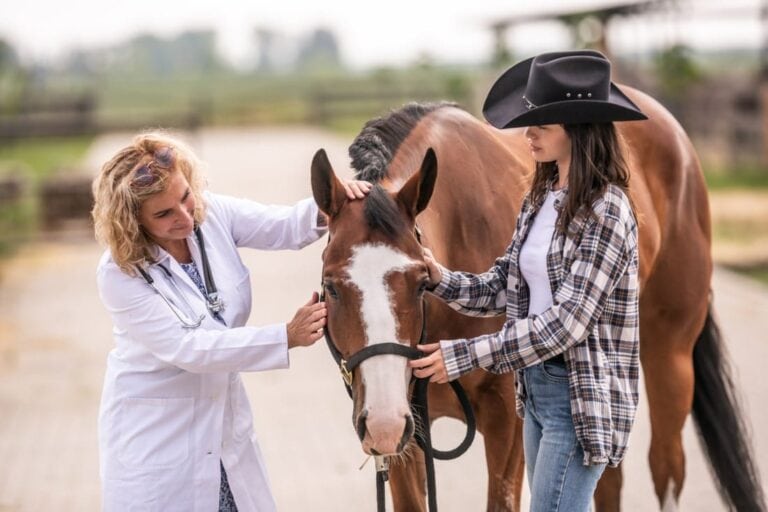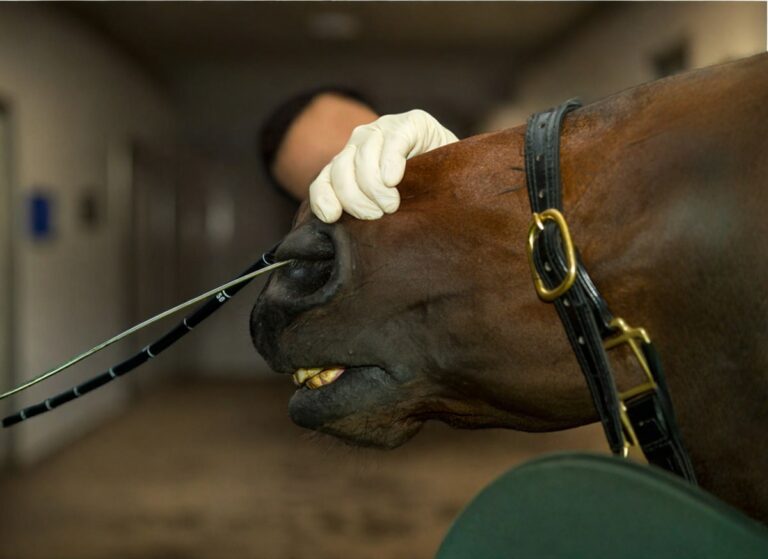
Metronidazole (Flagyl®) is a commonly prescribed antibiotic in equine medicine, primarily used to treat bacterial infections in horses. It is particularly effective against clostridial infections, which can disrupt the delicate balance of gut bacteria and lead to severe gastrointestinal illness...
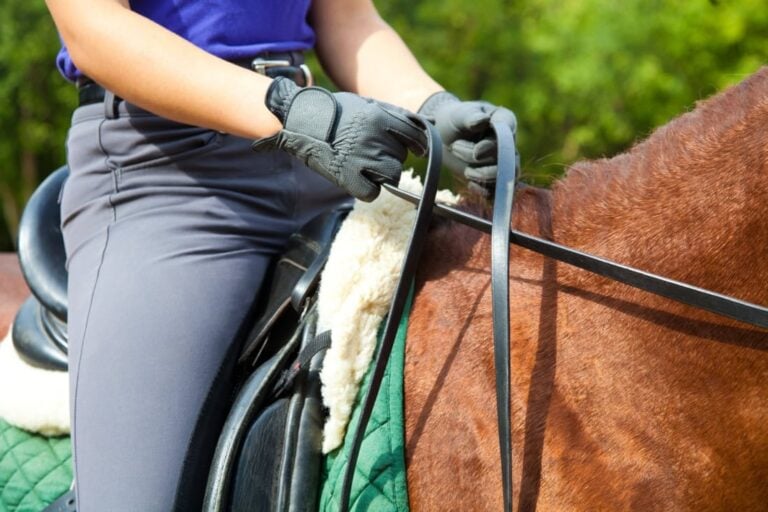
Reins are a standard and useful part of equestrian equipment, serving as the primary connection between a rider and their horse. Attached to the horse's bridle or bit, reins allow for clear communication through subtle movements of the rider’s hands,...
The Irish Sport Horse, or Irish Hunter, is a performance horse breed from Ireland. The breed descends from crosses between Irish Draughts and Thoroughbreds. This cross produced athletic horses with the courage and power to compete at the top levels of...
Equine liniments are a popular DIY remedy that have been used in horse care for centuries. Many owners and caretakers find liniments a versatile option to address muscle soreness, stiffness, and minor injuries. While their overall efficacy lacks robust scientific...
Meningitis in horses is a rare but serious neurological condition characterized by inflammation of the meninges—the protective membranes surrounding the brain and spinal cord. This inflammation is often the result of a bacterial or viral infection that spreads to the...
Ice boots are a useful tool for managing recovery in horses after exercise or injury. These specially-designed equine devices help cool the horse’s legs, providing therapeutic benefits that reduce pain, inflammation, and swelling. Ice boots work on principles of cryotherapy:...
The cranial nerves play a vital role in a horse's neurological function, governing essential sensory and motor activities such as vision, hearing, chewing, swallowing, and facial expressions. These twelve pairs of nerves emerge directly from the brain rather than the...
The equine brain is a complex organ responsible for processing sensory information, controlling movement, and managing emotions. Unlike humans, whose brains are heavily developed for logical reasoning and problem-solving, horses rely more on instinct and sensory perception. Their brains are...
Cavalletti, also spelled cavaletti, exercises are a highly effective tool in horse training. Originally developed by renowned horseman Federico Caprilli and later popularized by German dressage master Reiner Klimke, cavalletti work involves training over small, evenly spaced poles on the...
Back pain is a common yet often overlooked issue in horses, affecting their performance, behavior, and overall well-being. Studies show that up to 54% of sport horses and 90% of racehorses show signs of back disease. Whether they are elite...
Roach back, or equine kyphosis, is an uncommon but noteworthy spinal condition. It is characterized by an upward arching of the back, disrupting the natural concave curve between the withers and haunches. This structural anomaly stems from malformations in the...
Sepsis-associated laminitis is a serious and potentially life-threatening condition in horses, characterized by the disruption of the connection between the hoof wall and the underlying bone due to systemic inflammation. This form of laminitis arises as a result of a...
Headshaking in horses describes repeated, uncontrollable, usually vertical movements of the head and neck. This behavior can be concerning for owners and caretakers, as some forms are a source of significant distress for horses. Headshaking may appear gradually or suddenly,...
Over recent years, red light therapy has become an increasingly popular treatment option for managing pain, inflammation, and muscle recovery in horses. Horse owners, veterinarians, and equine therapists have turned to this non-invasive technology to help optimize recovery times, promote...
Splints are a common condition in horses characterized by bony growths or swellings along the splint bones, which run parallel to the cannon bone in the horse’s lower legs. "Splints" is a broad term used in common language to describe...
Hyaluronan injections, commonly known as hyaluronic acid (HA) injections, have become a trusted solution for managing joint health in horses. Whether your horse is dealing with osteoarthritis, recovering from an injury, or needs extra joint support as a performance horse,...
When it’s time to bring a horse back to work after a period of inactivity, whether due to injury, broodmare duties, or seasonal downtime, the process requires thoughtful planning and patience. A gradual return to work (RTW) program tailored to...
Stem cell therapy is gaining attention in equine veterinary care as a potential option for treating injuries and managing degenerative conditions. This treatment approach is being explored for its ability to support tissue repair and aid recovery in horses with...
Rollkur, or hyperflexion, is a technique used in equestrian disciplines to create a compact, low, and rounded horse posture. It involves excessive flexion of the horse’s neck, where the horse’s head is drawn back towards its chest, potentially exceeding its...
Tongue ties are devices commonly used in horse racing to restrict a horse's tongue, which helps improve control and optimize upper airway function. Typically made from materials such as cloth, leather, or elastic, these devices are tied around the tongue...
Regular health checks are an essential component of maintaining your horse's well being, performance, and longevity. Comprehensive health checks allow for early detection of illness, injury, or discomfort, allowing for prompt veterinary treatment and better health outcomes in the long-term....
Gymnastic jumping exercises are an essential part of training for the jumping equestrian disciplines. These exercises involve a series of poles and jumps arranged in patterns that challenge both horse and rider to improve their skills. Gymnastic exercises focus on...
Hydration is essential for equine health year-round, but winter brings unique challenges that can make water supply management more difficult. Frozen troughs, reduced water intake, and the increased risk of colic or dehydration are all concerns that horse owners must...
Ground pole exercises are a versatile and highly effective tool for equestrians seeking to improve their horse's fitness, coordination, and mental engagement. Moreover, they’re cost-effective and easy to set up, requiring minimal equipment and space. Whether you’re training a dressage...
Proper hoof care is essential to maintaining a horse's overall health and performance. Whether your horse has a minor hoof injury, an abscess, or a crack that requires protection, knowing how to apply a hoof bandage is a valuable skill...
Skin allergies are a common yet often misunderstood condition in horses, affecting equine comfort, performance, and overall well being. From itchy rashes to persistent dermatitis, these reactions can arise due to environmental factors, insect bites, or other triggers. For horse...
Colitis in horses is a serious inflammatory condition affecting the colon, leading to symptoms such as diarrhea, dehydration, and abdominal discomfort. Colitis is a general term that describes inflammation in the colon. In horses, there are a number of conditions...
Whisker trimming involves the removal of a horse’s long, sensitive vibrissae—specialized hairs around the muzzle, eyes, and sometimes ears. These hairs are deeply rooted and connected to nerve endings, playing a crucial role in sensory perception. Traditionally performed for cosmetic...
Caudal heel pain is one of the most common causes of lameness in horses. This complex condition affects the structures within the horse's heel region, including the navicular bone, its associated ligaments, and the surrounding soft tissue. Its impact on...
Contagious colitis in horses, also referred to as infectious colitis, is a serious gastrointestinal condition caused by infectious agents (pathogens) such as bacteria, viruses, or parasites. This highly transmissible disease can spread rapidly, especially in environments where horses are in...