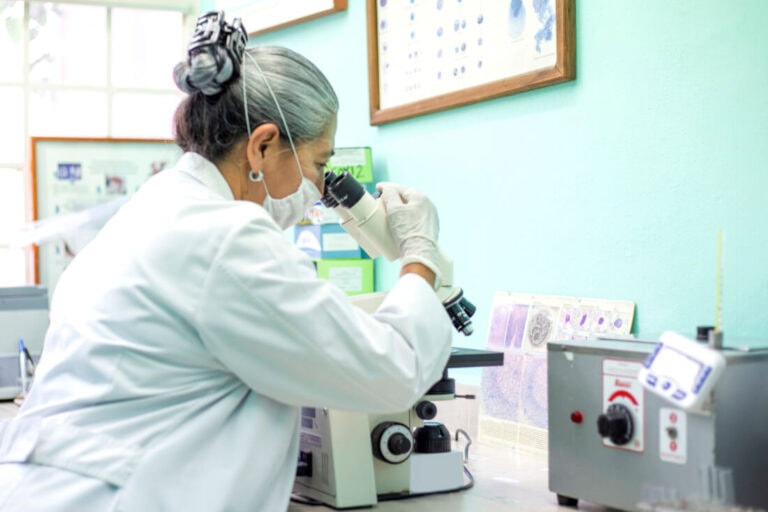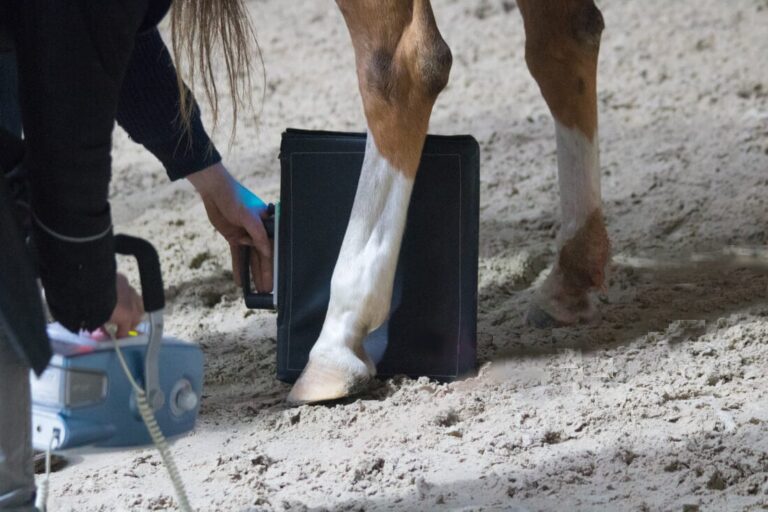
The liver is the largest organ in the horse's body, making up one percent of its total body weight. Hepatitis refers to inflammation of the liver and is a non-specific term used to describe liver disease. The liver is a...
Horse coat colors are highly diverse and carry historical, cultural, and even functional significance within many horse breeds. The colors and patterns that mark these breeds result from a complex interaction of several genes that geneticists have studied for centuries....
Itching, or pruritus, is a common issue that affects all horses, with various potential causes ranging from insect bites and parasite infestations to bacterial and fungal infections, as well as allergic reactions. Horses typically exhibit signs of itchiness by biting,...
Small intestine volvulus is a serious condition in horses, characterized by a twisting of the intestine around itself and the root of the mesentery. This twist can cause a blockage, restricting blood flow and leading to severe damage to the...
Equine sedation is a critical aspect of veterinary care, playing a vital role in ensuring the safety and well-being of both horses and handlers during various medical procedures. Horses are a large, powerful animal with a strong flight response, which...
Anesthesia refers to the loss of sensation and consciousness from administration of anesthetic medications. Anesthesia is a critical aspect of veterinary medicine, as it allows for life-saving or career-saving surgeries and diagnostic procedures that would otherwise be impossible to perform...
Horses are valued human companions, fulfilling roles from work, to sport, to companionship. Ensuring the wellbeing and quality of life of our horses is a priority for many horse owners, even during challenging times such as end-of-life. Quality of life...
The protein lumps and bumps that are found on the neck and back of the horse are often eosinophilic granulomas. These are small, benign nodules that can develop under a horse's skin. They may occur as single bumps or develop...
Inguinal hernias, also known as scrotal hernias, are a condition where a horse's intestine slips through the inguinal canal and settles in the vaginal tunic. Inguinal rupture is where a horse’s intestine slips through a tear in the vaginal ring...
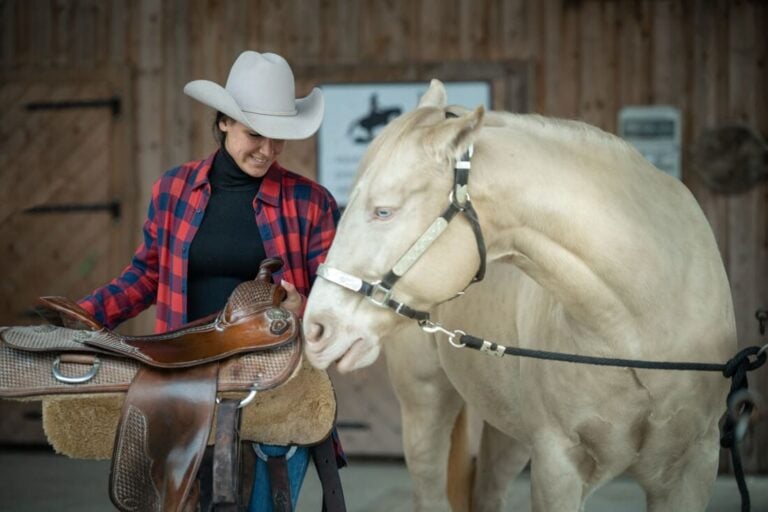
Choosing equipment for you and your horse is an important part of improving comfort, safety, and performance. Understanding the types of Western tack available can help you decide what tack is best for your riding. Western tack and equipment has...
Anthelmintic (parasitic dewormer) resistance is one of the most pressing concerns in the world of equine health. In this phenomenon, internal parasites affecting horses are becoming resistant to the medications veterinarians use to treat parasitic infection. Without effective deworming medications,...
The conformation of a horse directly impacts their overall performance capacity, long-term soundness, and their potential in different disciplines of equestrian sport. The conformation of the hindlimbs is particularly important, as the hind legs provide the horse’s power, speed, and...
Bits are a common component of riding equipment, used by the vast majority of riders. Bits play a pivotal role in communication between the horse and rider, and the choice of bit can influence the horse's responsiveness to cues. Horse...
Horse owners have a vested interest in their horse's health, as health conditions can directly impact their horse's wellbeing, performance, and longevity. Understanding common horse diseases is crucial for anyone involved in equine care, as early recognition of the symptoms...
Having the right equipment for yourself and your horse is critical for comfort, safety, and performance. Although the basics of horse tack are similar between Western and English riding, English riders have specific equipment that they use to meet the...
Red blood cells express different surface molecules (factors) depending on the animal's specific genetic code. Horses have over 30 major blood factors, compared to the 8 major blood factors in humans. Blood types are important because immune system recognizes these...
Breeders should observe all foalings as closely as possible to monitor the health and wellness of the mare and foal during this period of rapid transition. The 1-2-3-4 Rule is a helpful guideline for breeders to follow when evaluating their...
Tyzzer's disease, while rare, is a highly fatal hepatic condition that can affect all foals, including those which are healthy and well-nourished. The disease is not believed to be contagious, but the presence of bacteria in a contaminated environment can...
Wry nose is a congenital condition in foals where the nose appears twisted or crooked due to malformations that develop during gestation. This condition involves significant changes in the shape and direction of the upper jaw, nasal bones, incisive bones,...
Equestrian vaulting is a sport that incorporates gymnastics performance with equestrianism. Athletes perform complex gymnastic routines on the back of a moving horse, demonstrating balance, strength, and harmony with their equine partner. Depictions of vaulting date back to ancient times...
Hunter horses are known for their elegance, grace, and good manners. Originating from fox hunting traditions in the United Kingdom, hunters now compete in show arenas around the world on the flat and over jumps. Judges score hunters based on...
Horse racing is a thrilling sport, demonstrating the power and speed of equine athletes performing at their absolute best. From the raw speed and acceleration of Quarter Horses, to the impressive staying power of Thoroughbreds, to the jumping ability of...
Parrot mouth is a common equine dental condition typically identified at birth or shortly after. It is characterized by a pronounced overbite where the upper front teeth protrude beyond the lower row of teeth, causing the upper lip to overlap...
Combined driving is an equestrian sport that transforms driving, the use of horses as a form of transportation, into a competitive and intense event that challenges the limits of equine stamina, fitness, and obedience. Athletes and their horses compete in...
A properly functioning urinary system plays a vital role in maintaining the overall health and well-being of a horse. It acts as a filter, removing waste and toxins from the bloodstream and preventing harmful substances from accumulating in the body....
Endurance riding is a marathon for horses, with horses and riders covering distances of up to 100 miles per day. Athletes cover rugged terrain including slopes, hills, water, and different types of footing, during the competition. Endurance riding has its...
Horses evolved as a social prey species who were able to survive in a variety of environments due to their adaptability and ability to roam long distances in search of food and water. [ref n="1"] The adaptable nature of horses...
Non-steroidal anti-inflammatories, or NSAIDs, for short, are a type of medication commonly administered to horses for a variety of conditions. Veterinarians most often prescribe NSAIDs for soft tissue and musculoskeletal injuries, as well as for abdominal inflammation and pain. [ref...
Para equestrian is equestrian sport performed by para-athletes, athletes who have physical impairments that make equestrian sport challenging. Para equestrian is also the only horse event offered at the Paralympics. Para equestrian sports offered at an international level include para...
Theiler's disease, also known as equine serum hepatitis, is a viral infection likely caused by equine parvovirus-hepatitis. Horses most commonly develop Theiler's disease after administration of an equine-origin biologic product, such as serum or blood. Theiler's disease causes rapid onset...