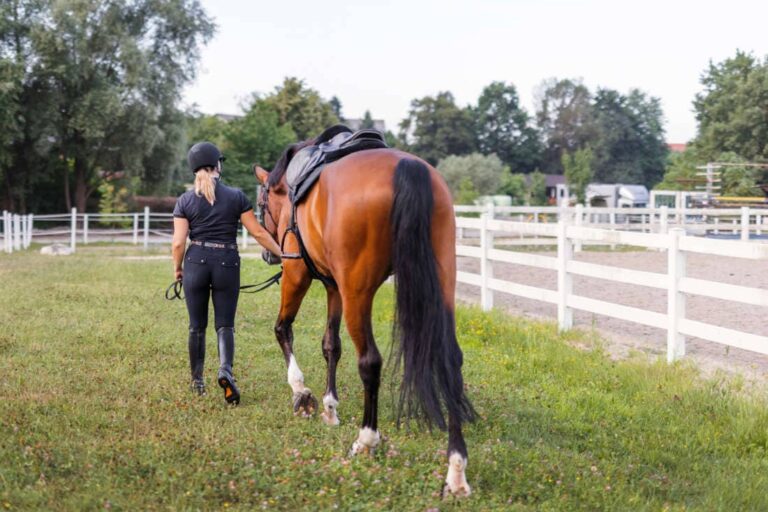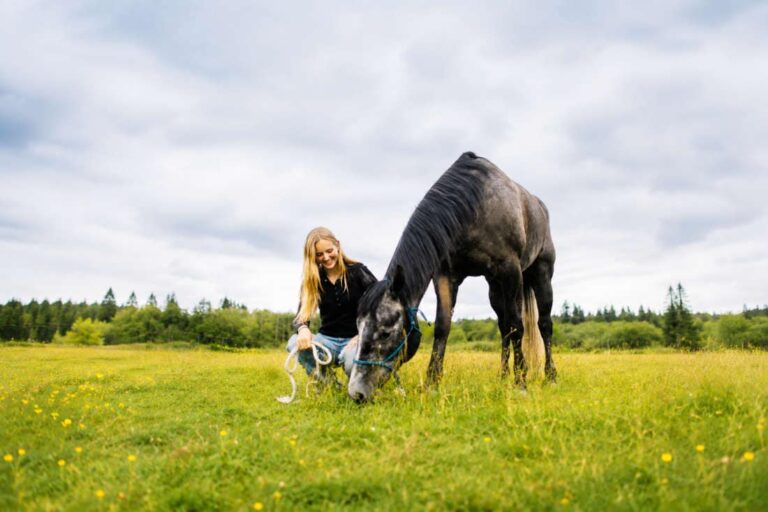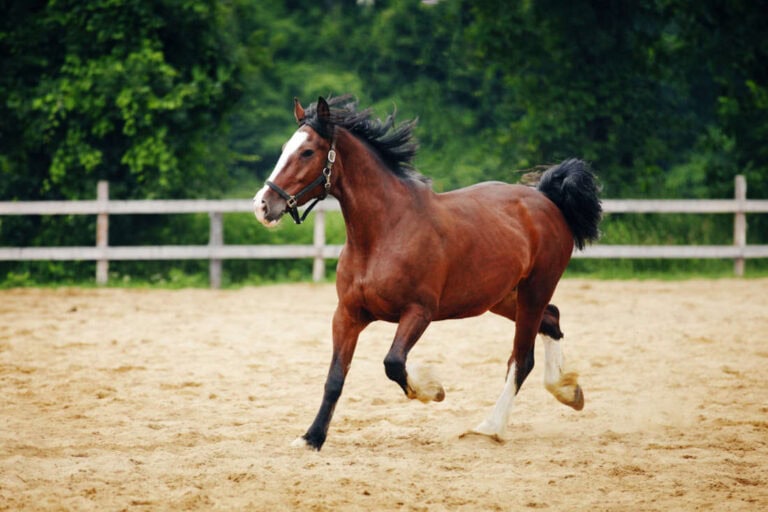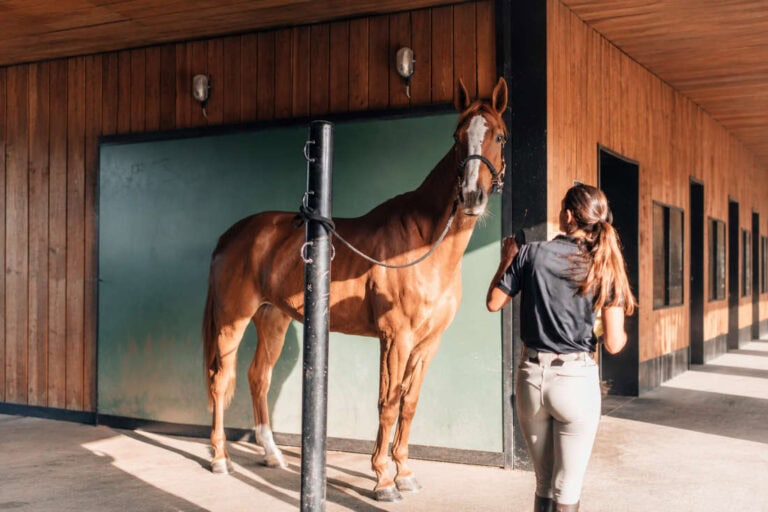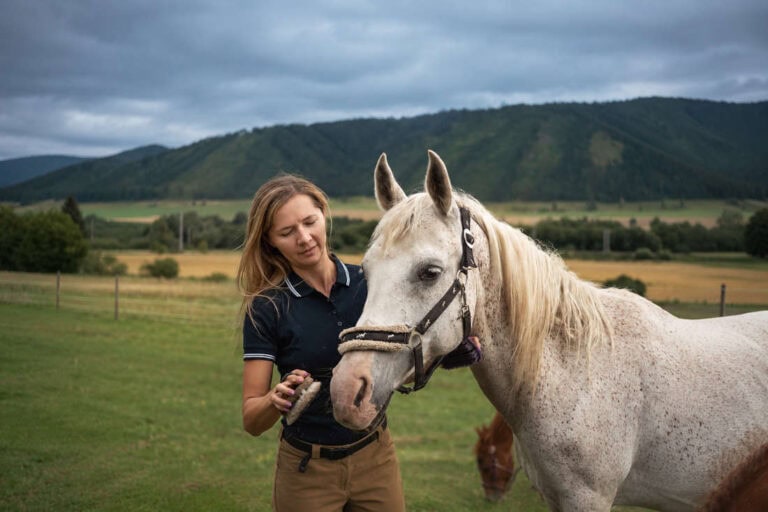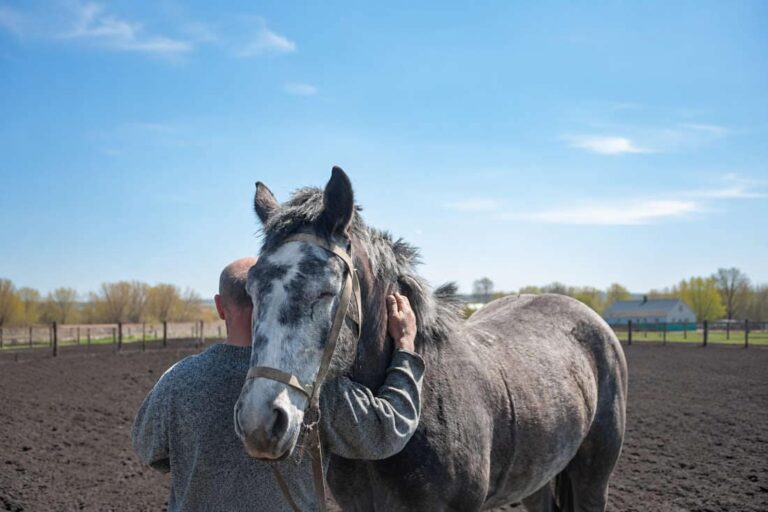
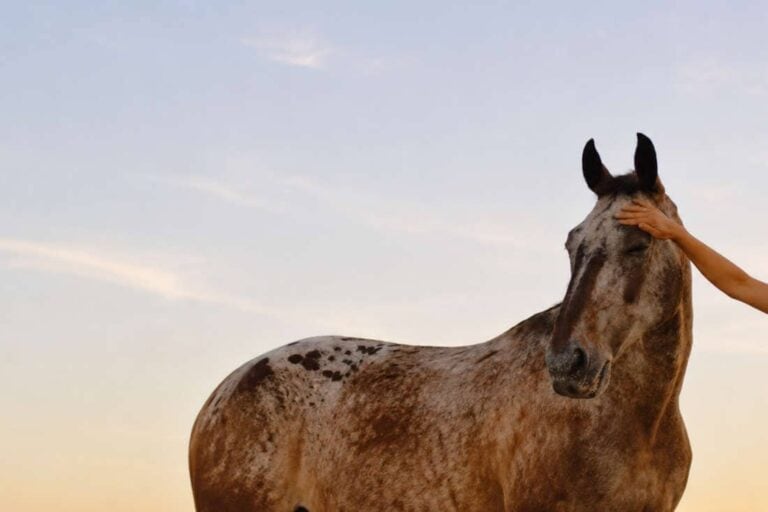
Most riders struggle with nerves before stepping into the ring at some point in their careers. For some, show-day anxiety can become a significant obstacle. Whether you're heading to your first show or competing at a high level, horse show...
The canter is one of the primary gaits used in horseback riding, combining power, balance, and rhythm into a smooth, three-beat motion. Learning how to canter is a significant milestone […]
The equine digestive system is a remarkably complex and sensitive network of organs, adapted to process a steady supply of forage around the clock. When its delicate balance is disrupted, the horse's ability to process and absorb nutrients is affected....
The equine gastrointestinal system is one of the most complex parts of a horse’s body. Designed for nearly constant grazing, a horse’s digestive tract depends on a steady flow of forage, water, and beneficial microbes to function properly. When this...
Cooling down a horse after exercise is a vital part of responsible equine care, ensuring their body transitions safely back to its normal state. This process allows the horse’s temperature, heart rate, and respiration to stabilize after exertion, supporting overall...
While cold temperatures and shortened daylight hours can make a regular riding schedule difficult in the winter, thoughtful planning can help you maintain and even improve your horse’s fitness during colder seasons. The key is understanding how the season affects...
Leaving the arena and navigating varied terrain with your horse engages their bodies and minds in ways that flatwork alone cannot. Time on the trail can strengthen their muscles, improve cardiovascular fitness, and deepen the partnership between horse and rider....
Neurologic disease in horses often presents a diagnostic challenge, as clinical signs can be vague or difficult to narrow down to one disease. A valuable tool available to veterinarians handling neurologic cases is cerebrospinal fluid (CSF) analysis. By providing a...
Fungal diseases in horses represent a diverse group of conditions that can affect the skin, respiratory tract, eyes, and internal organs. While less common than bacterial or viral infections, fungal infections are often more insidious and challenging to diagnose. Because...
Abdominal disease is a common and sometimes life-threatening problem in horses, with colic being one of the most frequent emergencies encountered in equine practice. One valuable tool in the diagnostic process for colic cases is abdominocentesis, also known as a...
The equine heart is a remarkable organ, designed to support athletic performance, endurance, and overall health. However, like any system, it can be affected by disease or structural abnormalities that compromise its function. Detecting heart problems in horses can be...
Sleep is a fundamental part of equine life, yet it remains one of the least understood aspects of horse behavior. Every horse depends on rest to restore the body and mind, and equine sleep is quite different from what we...
An ophthalmic examination involves more than simply looking at the surface of the eye. A complete assessment evaluates the cornea, lens, anterior and posterior chambers, tear production, ocular pressure, and reflexes. Special diagnostic tools, such as fluorescein dye, Schirmer tear...
Horses are expressive animals, and one of their most distinctive facial behaviors is the dramatic lifting of the upper lip, often accompanied by a pause and a faraway look. This behavior, known as the flehmen response—sometimes called lip curling or...
Hay is the cornerstone of most equine diets, providing the fiber necessary for gut motility and a healthy microbiome, along with essential nutrients to support body condition, energy levels, and overall well-being. However, when hay becomes moldy, its value as...
Lens luxation is an uncommon but serious eye condition in horses. It occurs when the lens — the clear, flexible structure inside the eye that helps focus light — slips out of its normal position. This displacement can cause pain,...
The horse's eye is large, delicate, and vital for navigating its environment. Its prominent position and limited natural protection make it especially vulnerable to injury. Eye prolapse, also called proptosis, is uncommon but serious, occurring when the eyeball is displaced....
Selecting the best trailer for your needs involves evaluating how different designs impact safety, ventilation, ride comfort, loading ease, and long-term durability. Horses are sensitive travelers, and factors such as airflow, suspension, flooring, and interior space can make the difference...
Swollen sheath in horses is a common condition that owners may notice when the area around the penis appears enlarged or puffy. In many cases, sheath swelling is mild and temporary, often linked to inactivity, seasonal changes, or fluid retention...
The appearance of a horse's coat and mane is one of the most visible indicators of overall health. A sleek, glossy coat reflects proper nutrition, attentive care, and balanced grooming routines. Conversely, dull or brittle hair can signal nutritional deficiencies,...
Viral infections are among the most common health challenges faced by horses, ranging from mild, self-limiting illnesses to severe, life-threatening diseases that spread rapidly through equine populations. Because many different viruses can affect horses, recognizing and correctly diagnosing these infections...
A horse’s eyes are highly specialized organs that play an essential role in survival, communication, and performance. The equine eye is large and laterally placed, offering a wide field of vision that allows horses to detect threats in their environment....
Electrocardiography (ECG) is one of the most important tools veterinarians use to evaluate equine heart health. While stethoscopes remain invaluable for identifying murmurs and abnormal rhythms during a physical exam, an ECG provides a more precise and objective way to...
The nervous system plays a vital role in every aspect of a horse's health and performance, from balance and coordination to sensory perception and behavior. When this system is interrupted, the signs can be subtle or dramatic, and distinguishing neurologic...
Urinalysis is a simple yet powerful diagnostic tool that can provide valuable insights into a horse’s overall health. By examining the appearance and composition of urine, veterinarians can assess kidney function, hydration status, and the presence of certain toxins. Although...
The Peruvian Paso is an elegant breed celebrated for its exceptionally smooth gait, refined appearance, and rich cultural heritage. With their distinctive paso llano gait, the Peruvian Paso offers a riding experience that is both effortless and visually striking. Known...
Necropsy, also known as an autopsy or post-mortem examination, is a vital diagnostic tool in equine veterinary medicine. When a horse dies unexpectedly or under unclear circumstances, performing a necropsy can provide critical insights into the cause of death. Necropsy...
Radiographs, commonly known as X-rays, are one of the most valuable diagnostic tools in equine veterinary medicine. They allow veterinarians to examine the internal structures of the horse—primarily bones and joints—without the need for surgery or invasive procedures. Whether evaluating...
Gastroscopy is a valuable diagnostic tool that allows veterinarians to directly visualize the inside of a horse's upper digestive tract. This minimally invasive procedure uses a specialized flexible camera, called a gastroscope, to identify abnormalities that cannot be detected through...
Stretching before a ride is a critical yet often overlooked component of equestrian fitness. Horseback riding requires a unique combination of strength, flexibility, and balance to maintain control, communicate effectively with the horse, and respond to motion during various gaits....