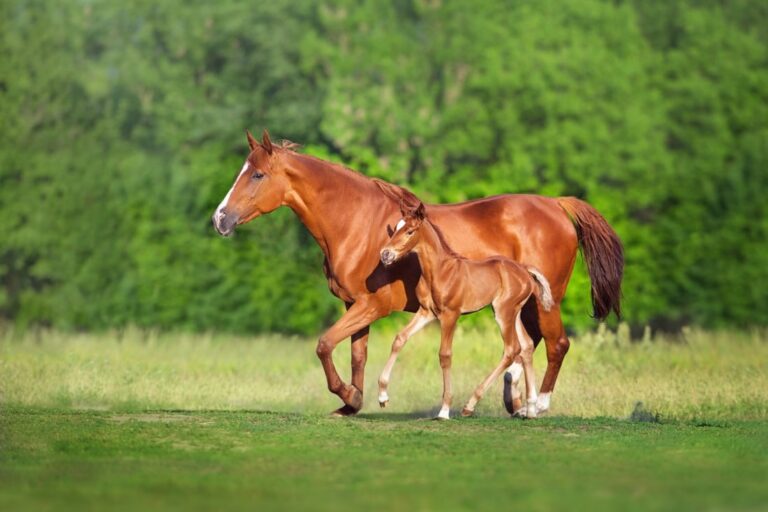
The Danish Warmblood is one of the newest sport horse breeds in Europe, and consistently rank among the most successful sport horse registries in the world. Rigorous performance tests and top bloodlines from other studbooks have helped contribute to the...
Headshaking is a concerning behavior in horses. This condition can be triggered by disorders or injury of the head or neck, harsh riding techniques, and a number of other causes. Headshaking is considered a normal behavior if it only occurs...
Food allergies in horses are a complex, poorly understood, and often overlooked issue, posing significant challenges for horse owners and veterinarians alike. Unlike food intolerances, which involve non-immune mediated reactions, food allergies trigger an immune response that can result in...

Clicker training has revolutionized how we connect with animals, offering a communication tool that fosters trust, understanding, and cooperation. While widely recognized for its success with dogs, this positive reinforcement method is gaining traction in the equestrian world, proving to...
The Trakehner is a light warmblood breed originally from East Prussia. They excel in the Olympic disciplines of show jumping, eventing, and dressage thanks to their elegance and athleticism. Several Trakehners have represented their countries and won gold medals at recent...
Oral health is crucial to a horse's overall well-being. This article covers the various types of oral lesions that horses can develop, potential causes, and how to prevent them. By understanding the signs and causes of oral lesions, owners can...
Transporting horses internationally is a complex but essential process for competitive riders, breeders, and equestrian enthusiasts around the world. Whether you're relocating a beloved companion, participating in international competitions, or exporting horses for breeding purposes, ensuring their safety and comfort...
Blood doping is a type of performance enhancement that artificially increases the blood’s oxygen carrying capacity. In equine sports, the purpose of blood doping is to improve a horse’s performance by raising the number of red blood cells (RBCs) in...
Colic in horses is one of the most common and serious health conditions affecting equines, and it can strike suddenly, regardless of age, breed, or discipline. Colic refers to abdominal pain, which can arise from a variety of causes, ranging...
Kinesiology taping has become a popular technique in equine rehabilitation therapy, offering potential benefits for horses dealing with muscle strain, joint issues, and recovery from injuries. Originally developed for human athletes, kinesiology tape is now used by veterinarians and equine...
Every 2 years, equine professionals gather at the Equine Science Society (ESS), an international meeting, to share new research and exchange ideas. The first ESS meeting was held in 1960 and included a group of 27 equine nutritionists and physiologists...
The equine digestive system is a series of long, flexible structures that can become twisted, leading to serious belly problems and colic. Since these structures are loosely suspended within the horse's large abdomen the digestive tract can twist or knot,...
Gas colic, also known as tympany or flatulent colic, is a prevalent gastrointestinal disorder in horses characterized by the excessive accumulation of gas in the intestines. This condition can lead to significant abdominal discomfort and distress, posing a serious health...
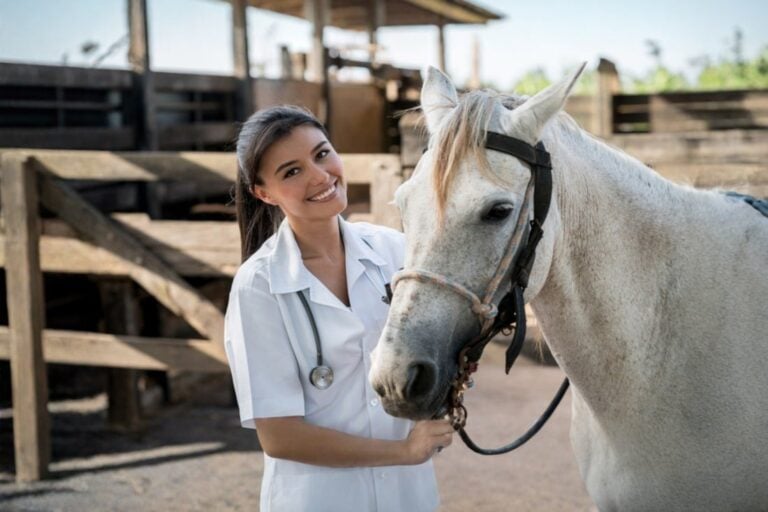
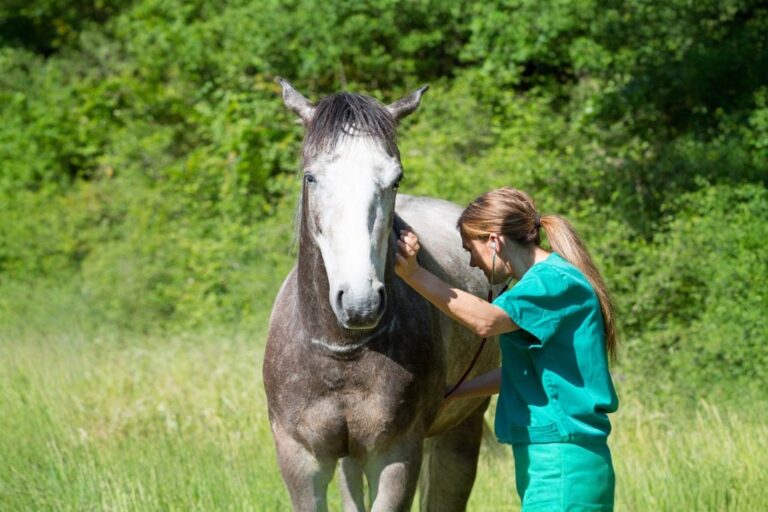
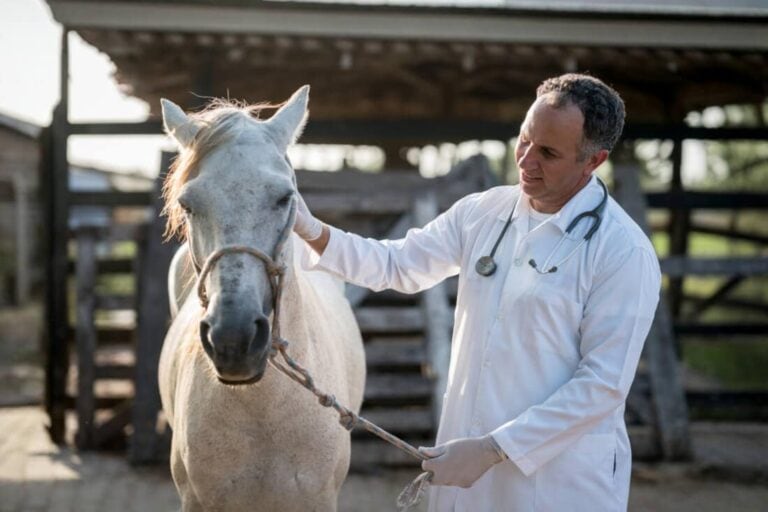
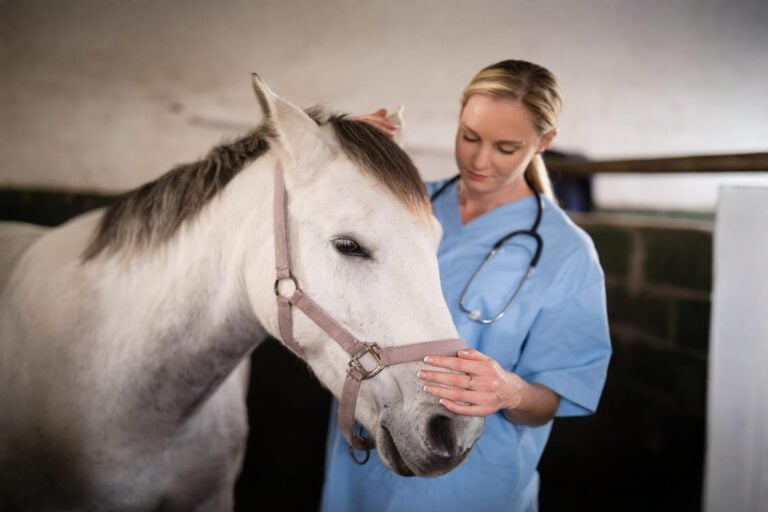
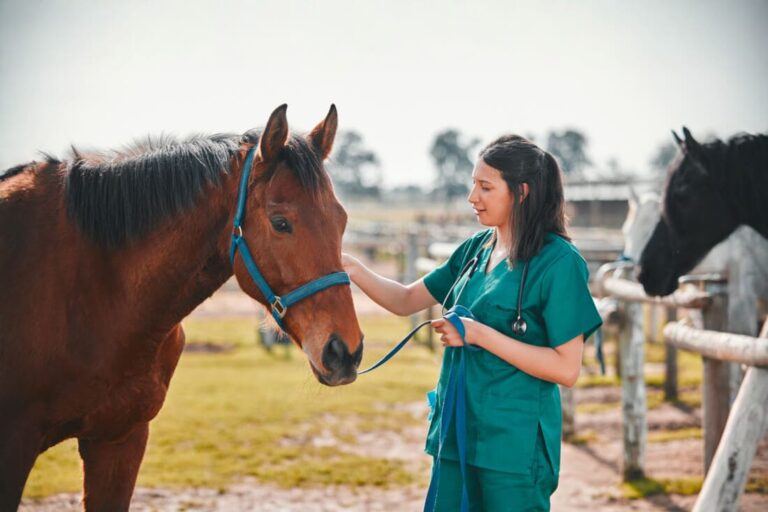
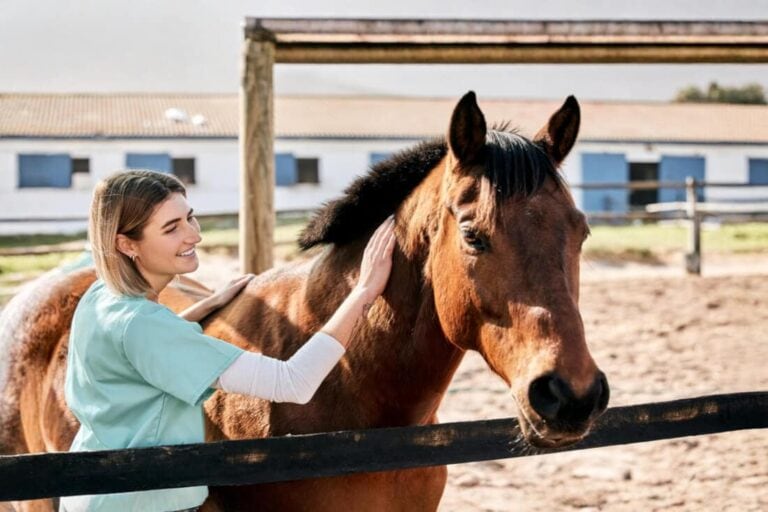
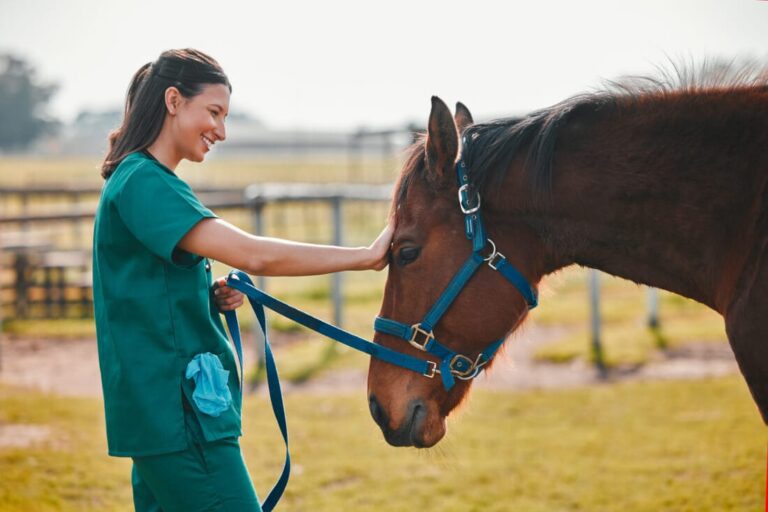
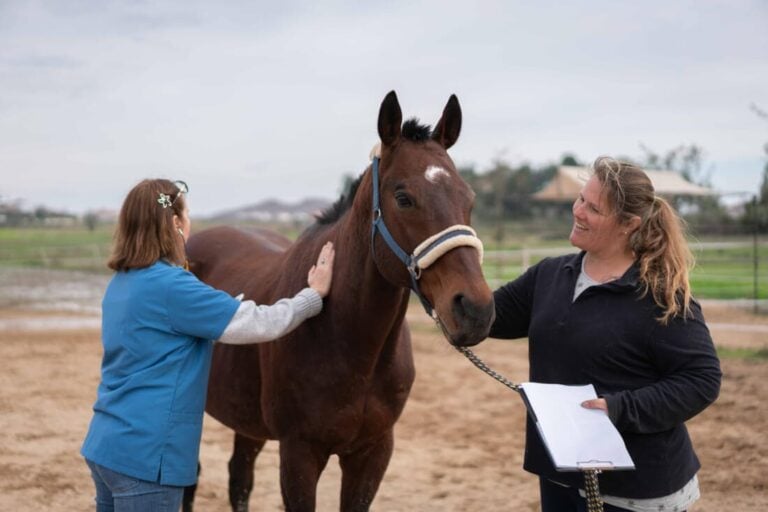
Becoming an equine veterinarian is a rewarding and fulfilling journey for those passionate about equine health, management, and science. As a vital part of the equine industry, veterinarians not only diagnose and treat illnesses, but also play a key role...
Osselets are a form of arthritis that affects the fetlock joint, commonly seen in young, active horses engaged in high-performance activities such as racing and jumping. This condition develops as a result of repetitive, high-impact stress on the joint, leading...
Vaccinations play a vital role in the health of our horses. They are particularly important for those that are routinely exposed to other horses at large barns, or through training and competition. In both people and animals, vaccines have been...
Tooth extraction is a relatively common dental procedure in horses that becomes necessary when a tooth is damaged, diseased, or otherwise problematic. Although a standard treatment, tooth extraction in horses can involve significant complications and challenges, sometimes even leading to...
Starting your own horse boarding business can be a rewarding venture, merging your passion for equines with entrepreneurship. As horse ownership continues to grow, so does the demand for quality boarding facilities that cater to the diverse needs of both...
Antimicrobial resistance (AMR), also known as antibiotic resistance, is a growing global concern that extends beyond equine medicine into all aspects of human and animal health. The overuse and misuse of these critically important drugs can lead to the development...
When designing or upgrading horse pastures, choosing the right type of fencing is critical for the safety, well-being, and containment of horses. With a wide variety of fencing options available, each with distinct advantages and disadvantages, it’s important to select...
Electric fencing for horses has become an essential tool in modern horse management, offering a balance between safety, practicality, and cost-effectiveness. This type of fencing system, which uses a mild electric shock to deter horses from pushing against or crossing...
Laser therapy, also known as photobiomodulation, low-level laser therapy (LLLT), and cold laser therapy, is a rehabilitative therapy commonly used in physiotherapy for treating injuries. Given its purported effects and non-invasive nature, there is growing interest in this treatment modality...
Mesenteric and omental rents are rare but potentially serious conditions that can affect horses. These rents are tears or openings in the mesentery or omentum, two structures within the abdomen. While these tears often go unnoticed, they can lead to...
Ionophores are compounds commonly used as additives in feeds for cattle, poultry, and other commercially raised animals. While these compounds are beneficial for certain animals, horses metabolize ionophores differently, making them susceptible to negative effects if exposed to toxic doses....
All horses enjoy occasional tasty treats and offering them can strengthen your bond with your equine companion. Giving treats to horses is an important component of training, enrichment, showing affection, and even administering medications for many owners. However, not all...
Sepsis is a severe and rapidly life-threatening condition that develops in response to an infection of the horse’s bloodstream, triggering a widespread inflammatory response that affects multiple organs. Any infection has the potential to cause sepsis if left untreated. Signs...
Internal entrapments in horses involve the trapping of a segment of the small intestine within other structures in the abdomen. This can lead to serious complications, including blockage of food, gas, and fluids, and in severe cases, disruption of blood...
The horse’s skeletal system is made up of more than 200 bones that all connect with the help of connective tissue—tendons, ligaments, and cartilage. In each location where two or more bones meet, this is known as a joint. Joints...
English performance riding has roots in European equestrian traditions linked to military horsemanship and hunting on horseback. These traditions relied on the horse’s agility, disposition and responsiveness – the traits at the heart of modern English equestrian sport disciplines. From...
Displacement colics are a serious concern for horses, involving the abnormal positioning of the intestines within the hindgut. These conditions, including right dorsal displacement, left dorsal displacement, and large colon volvulus, can lead to blockages that disrupt the normal flow...