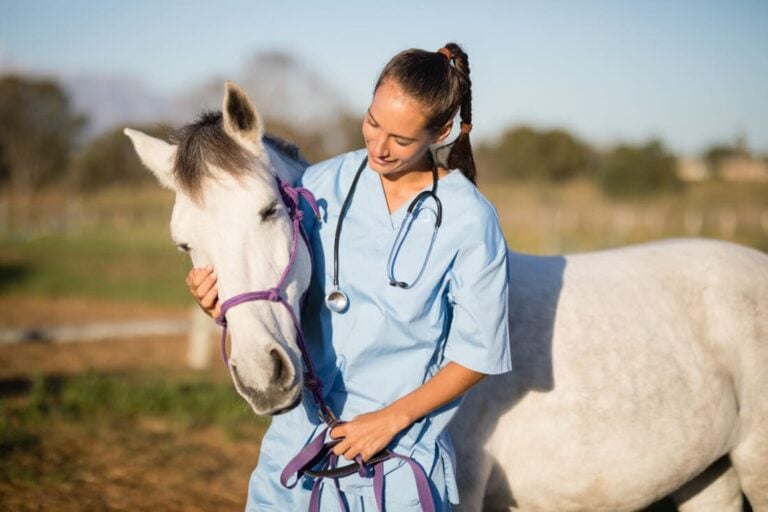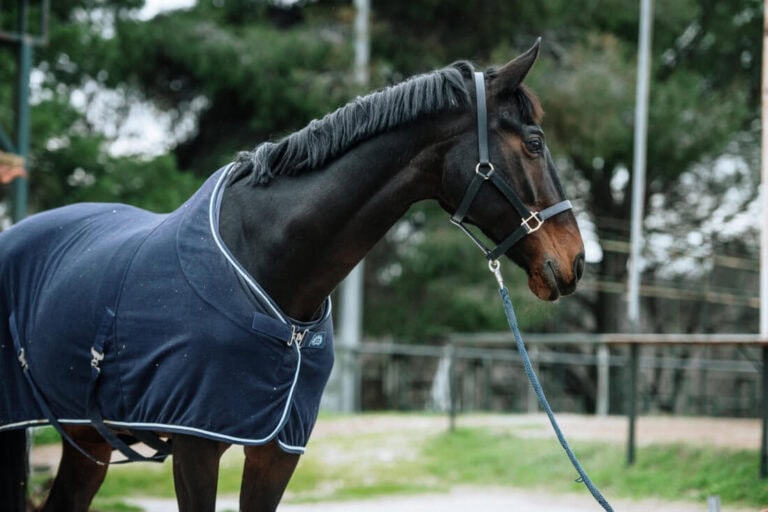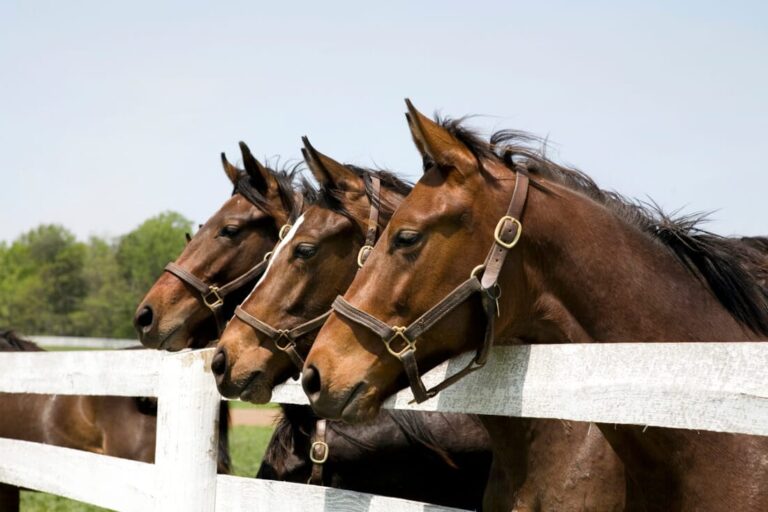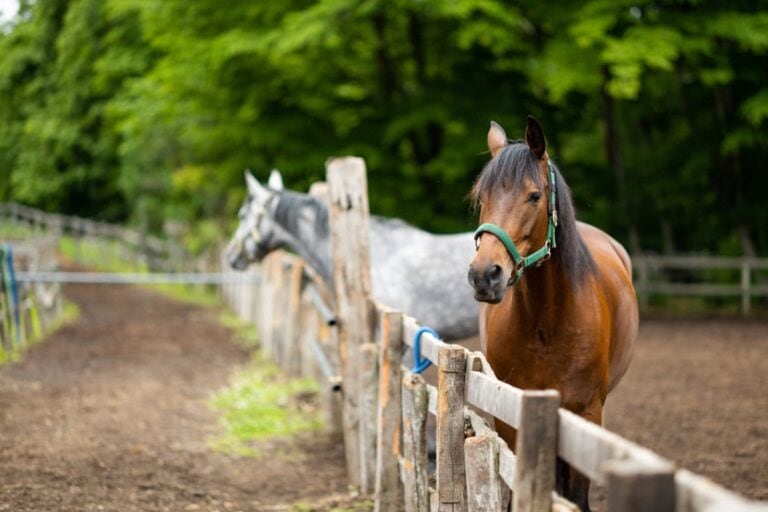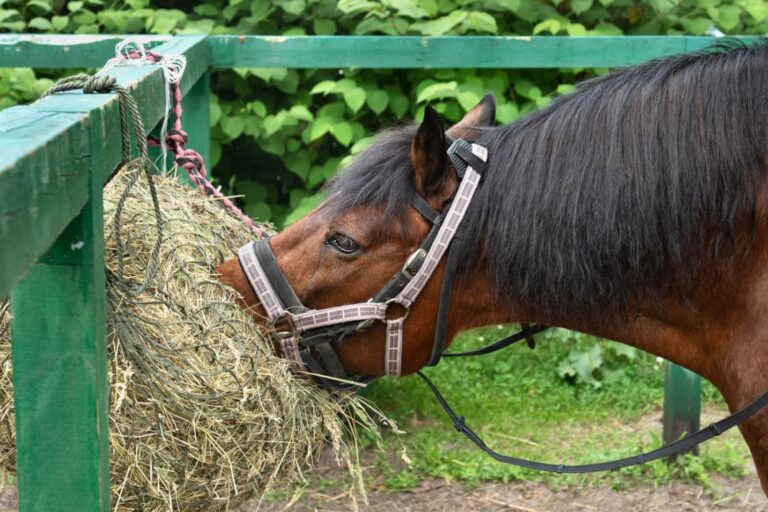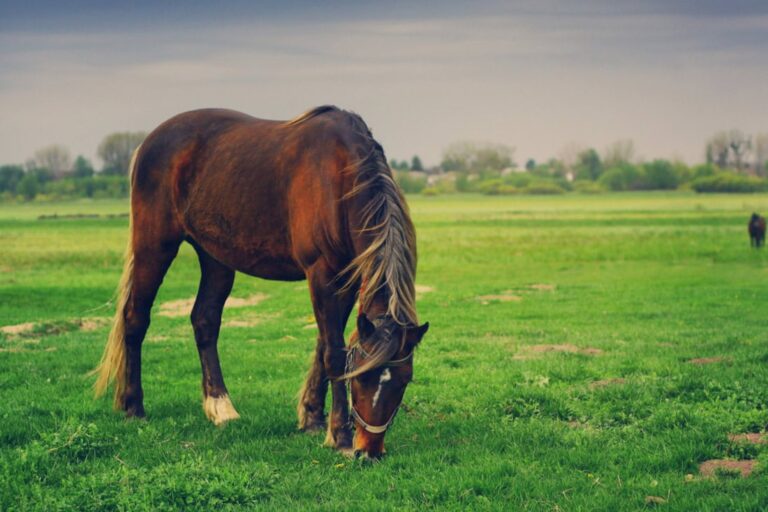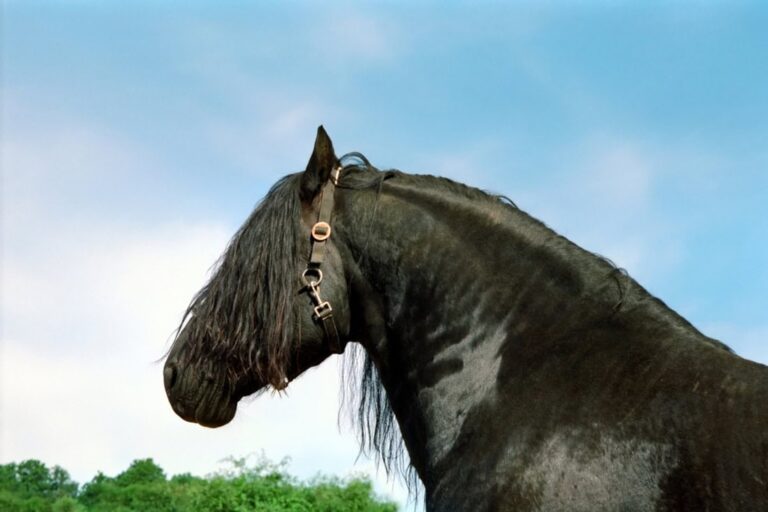
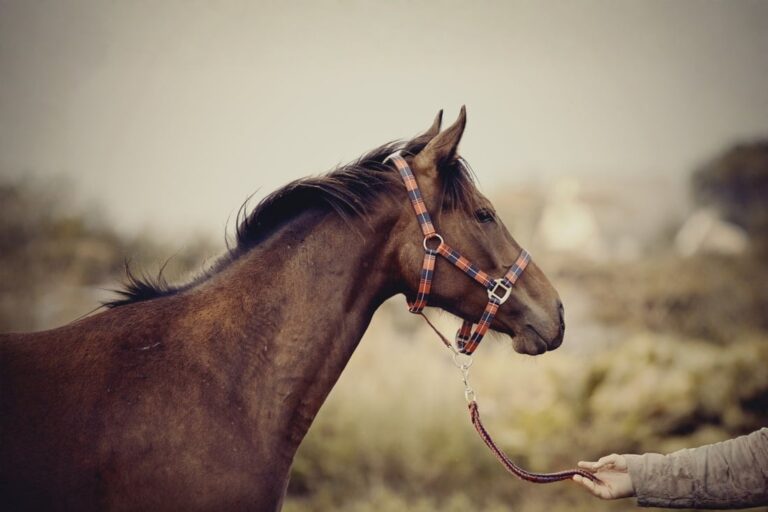
Halters are an essential piece of horse tack used to safely lead, train, and manage horses from the ground. Made of interconnected straps that sit around the horse’s poll, cheeks, and nose, this equipment allows handlers to guide a horse’s...
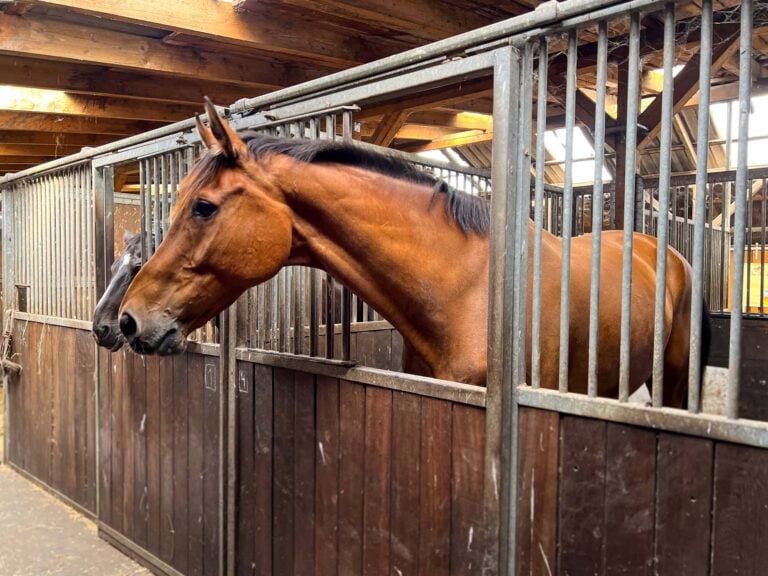
Stall gates are a core feature of modern horse barns that support healthier stall conditions and give horses a more engaging environment. Well-designed gates help maintain cleaner air conditions by keeping stalls open to natural ventilation, and allowing horses to...
Autologous Protein Solution (APS) is a biologic therapy that has emerged as an innovative treatment for managing joint and soft tissue injuries in horses. This biologic therapy uses the horse's own blood to create a concentrated solution of anti-inflammatory proteins...
Sports recovery is an important aspect of equine management, focusing on the horse’s well-being following periods of exercise. During physical exertion, a horse’s muscles, tissues, and cellular structures undergo stress. When well-managed, this leads to adaptations that strengthen and condition...
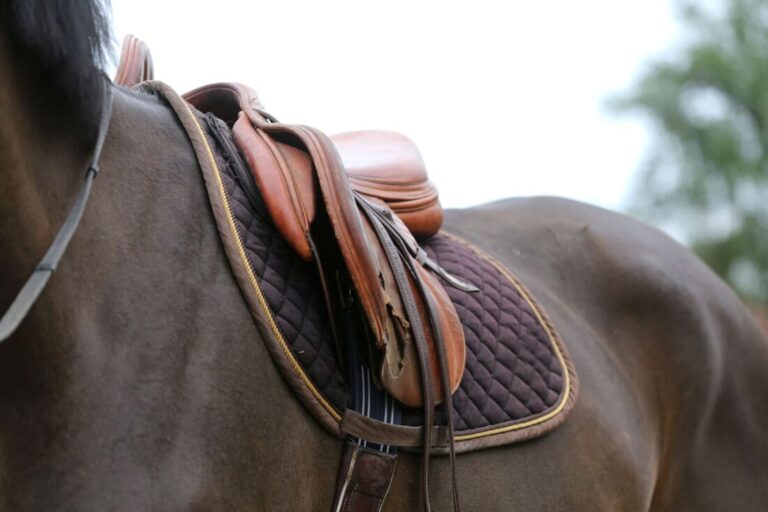
Saddle pads are a fundamental part of English riding equipment, providing a necessary layer of protection and comfort between the horse and the saddle. Designed to cushion the horse's back, absorb sweat, and protect the saddle from dirt and wear,...
The girth, or cinch, is a fundamental component of equine tack, responsible for securing the saddle to the horse and ensuring rider stability and safety. Choosing the right design, material, and placement depends on your discipline and the horse's conformation....
Horse chestnuts, sometimes called castors or night eyes, are small, rough patches of skin commonly found on a horse's legs. While easily overlooked, these structures have sparked curiosity for centuries due to their mysterious origin and unusual appearance. Leg chestnuts...
Ergots are small, hardened skin growths found on the lower legs of horses. They are easily overlooked due to their position beneath the fetlock where they are usually concealed by surrounding hair. Though commonly mistaken as minor or insignificant, ergots...
Horses, mules, and donkeys are three distinct equine species that share similarities but have unique characteristics, temperaments, and roles in human history. Whether you’re a horse owner, equestrian enthusiast, or just curious about these incredible animals, understanding their differences can...
Respiratory dysfunction is a common and often overlooked issue in horses, with a variety of causes including infections, allergies, environmental irritants, and anatomical abnormalities. Horses depend on efficient lung function to meet the high oxygen demands of their large, athletic...
Equine inhalers are specialized devices used to deliver medication directly into a horse's lungs to help manage respiratory conditions. These devices are similar in design and function to inhalers used by humans, but they have been adapted to suit the...
Horse coolers are useful tools for maintaining a horse's comfort and health, particularly after exercise or exposure to moisture in cold weather. These specialized blankets, typically made of wool or fleece, serve to regulate body temperature and wick away excess...
The average horse eats about 2% of its body weight in hay per day, and those in heavy work may need as much as 2.5% of their body weight daily. While it seems straightforward to simply toss bales on the...
Equine nasal strips are non-invasive devices used to support respiratory function in horses during intense physical activity. Made from stiff, spring-loaded plastic with an adhesive backing, these strips are applied externally across the upper part of the horse's nose. Their...
Aural plaques in horses are a skin condition characterized by thick, pale, crusty patches that develop on the inner surface of the ears. These plaques may begin as small, raised bumps and can gradually merge into larger areas of raised,...
Squamous cell carcinoma (SCC) is one of the most common tumors affecting horses, originating in the squamous epithelial cells that form the outermost layer of the skin and line various internal surfaces. This condition can develop in a wide range...
Bareback riding pads for horses offer a comfortable and secure way to ride without a traditional saddle, combining the close contact of bareback riding with added support and grip. Designed to cushion both horse and rider, these pads help distribute...
Metronidazole (Flagyl®) is a commonly prescribed antibiotic in equine medicine, primarily used to treat bacterial infections in horses. It is particularly effective against clostridial infections, which can disrupt the delicate balance of gut bacteria and lead to severe gastrointestinal illness...
Reins are a standard and useful part of equestrian equipment, serving as the primary connection between a rider and their horse. Attached to the horse's bridle or bit, reins allow for clear communication through subtle movements of the rider’s hands,...
Supporting Limb Laminitis (SLL) is a serious condition that develops when a horse places excessive weight on one limb due to an injury or other issue in the opposite leg. Prolonged compensatory weight bearing disrupts blood flow within the hoof,...
Meningitis in horses is a rare but serious neurological condition characterized by inflammation of the meninges—the protective membranes surrounding the brain and spinal cord. This inflammation is often the result of a bacterial or viral infection that spreads to the...
Ice boots are a useful tool for managing recovery in horses after exercise or injury. These specially-designed equine devices help cool the horse’s legs, providing therapeutic benefits that reduce pain, inflammation, and swelling. Ice boots work on principles of cryotherapy:...
Roach back, or equine kyphosis, is an uncommon but noteworthy spinal condition. It is characterized by an upward arching of the back, disrupting the natural concave curve between the withers and haunches. This structural anomaly stems from malformations in the...
Sepsis-associated laminitis is a serious and potentially life-threatening condition in horses, characterized by the disruption of the connection between the hoof wall and the underlying bone due to systemic inflammation. This form of laminitis arises as a result of a...
Splints are a common condition in horses characterized by bony growths or swellings along the splint bones, which run parallel to the cannon bone in the horse’s lower legs. "Splints" is a broad term used in common language to describe...
Stem cell therapy is gaining attention in equine veterinary care as a potential option for treating injuries and managing degenerative conditions. This treatment approach is being explored for its ability to support tissue repair and aid recovery in horses with...
Building your own hay feeders for horses is a practical and cost-effective solution to minimize hay waste, maintain cleanliness, and ensure your herd has consistent access to forage. Whether you’re looking for simple designs or more advanced builds, DIY hay...
Colitis in horses is a serious inflammatory condition affecting the colon, leading to symptoms such as diarrhea, dehydration, and abdominal discomfort. Colitis is a general term that describes inflammation in the colon. In horses, there are a number of conditions...
Contagious colitis in horses, also referred to as infectious colitis, is a serious gastrointestinal condition caused by infectious agents (pathogens) such as bacteria, viruses, or parasites. This highly transmissible disease can spread rapidly, especially in environments where horses are in...
Originating from Friesland in the Netherlands, Friesian horses have a rich lineage that has been tracked for about 150 years through the Royal Friesian Horse Studbook. Known for their striking black coats, feathered fetlocks, and balanced physique, Friesians are valued...