English











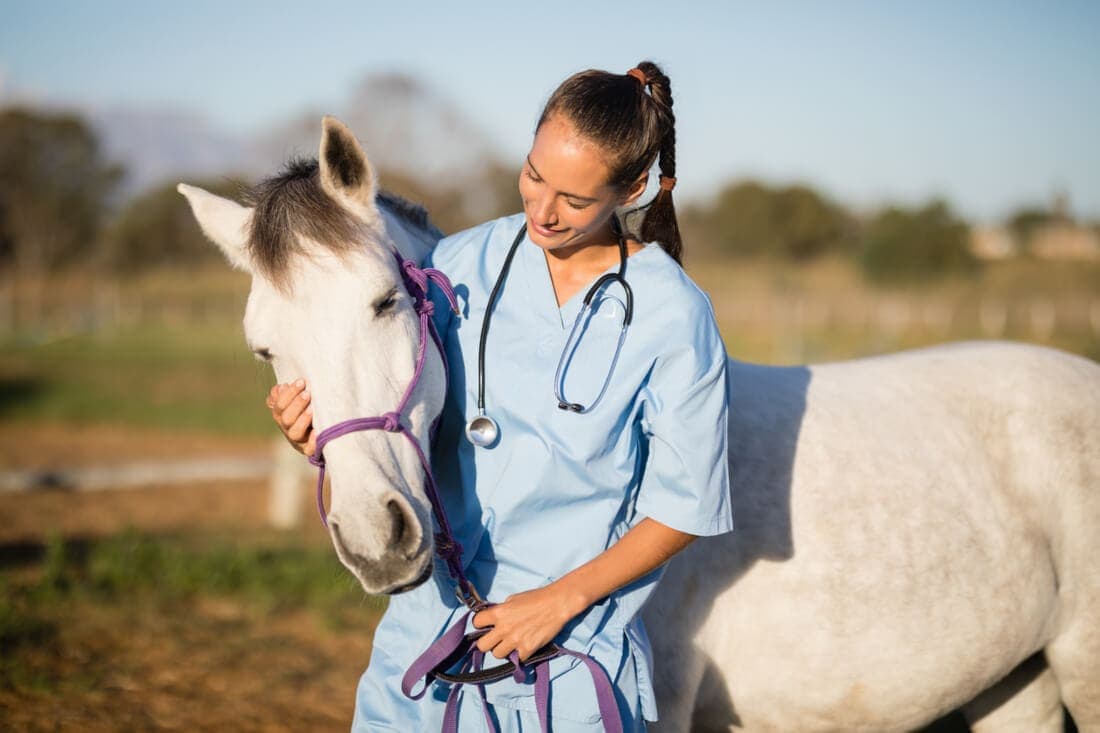
Autologous Protein Solution (Pro-Stride®) is a biologic therapy that has emerged as a treatment for managing joint and soft tissue injuries in horses. This regenerative therapy uses the horse’s own blood to create a concentrated solution of anti-inflammatory proteins and growth factors. After sample preparation, the solution is injected back into the target location to promote healing and reduce inflammation.
Autologous Protein Solution (APS) is growing in popularity as it carries a lower risk of side effects than conventional joint injections with corticosteroids. The treatment procedure is also minimally invasive and typically takes about 20 minutes to complete, making it a convenient option for many.
Widely used in equine medicine, APS is often part of management and rehabilitation protocols for conditions like osteoarthritis, tendon injuries, and cartilage damage.
Read on to learn more about Autologous Protein Solution therapy, including sample preparation procedures, the science behind its effects, and clinical applications of this important lameness management tool.
Autologous Protein Solution Therapy for Horses
Autologous protein solution therapy (APS; marketed under the brand name Pro-Stride®) is a regenerative therapy used to reduce inflammation and promote healing in equine joints. APS is most commonly used to treat joint disease and injury, but it may be used in other applications. [1]
APS is a blood product made using the horse’s own blood, which reduces the risk of side effects compared to biological products harvested or developed from another individual of the same species. [1]
To prepare the product for therapeutic use, blood is drawn from the horse, processed in a centrifuge, then injected back into the treatment site of the same horse. [1] Since the equipment for the procedure is portable and processing is quick, APS injections can be performed during a routine veterinary appointment. [2]
Biologic Therapies
Regenerative biologic therapies are a growing area of interest in equine medicine and performance. Autologous therapies are a type of regenerative therapy that involve using the animal’s own cells to support healing and tissue regeneration.
There are different types of autologous injections available for horses, all of which are prepared similarly, following these basic steps:
- Cell harvest, usually from a blood sample
- Sample processing to achieve a specific final cell and protein composition
- Injection back into the same horse at the site of injury or inflammation
Types of biologic therapies used in equine medicine include: [2][3][4][5]
- Mesenchymal Stem Cells (MSCs): Stem cells are harvested from the horse’s bone marrow or fat, then processed to transform them from unspecialized into specialized cells.
- Platelet Rich Plasma (PRP): Processes a blood sample from the horse to concentrate the number of platelets. When activated at a site of inflammation or injury, platelets release beneficial growth factors – proteins that regulate cell growth, repair, and regeneration.
- Autologous Conditioned Serum (ACS): Further processes a PRP sample to isolate a specific protein that mediates inflammation. IRAP (Interleukin-1 Receptor Antagonist Protein) and Orthokine® are types of ACS therapies.
Autologous Protein Solution therapy combines the effects of ACS and PRP. [4]
Development & Classification
Autologous Protein Solution (APS) was developed approximately ten years after Autologous Conditioned Serum (ACS), based on similar principles. Both approaches concentrate blood components associated with anti-inflammatory pathways and tissue metabolism, with the aim of supporting joint health. [6]
APS is classified as a hemoderivative, a biological product obtained from blood that is processed to isolate targeted components. These components can influence cellular activity at the treatment site and may help modulate inflammation and support joint tissue function. [1]
Because APS is autologous (sourced from the same horse receiving the treatment) it is expected to reduce the likelihood of adverse immune responses compared with non-autologous products. [1]
What's your top priority with your horse's health?

Enter your email to receive your store credit
APS Product Preparation
To prepare APS, blood is drawn from the horse and mixed with an anticoagulant solution (ACD-A) to prevent clotting. The blood is then spun at high speed in a centrifuge for 15 minutes. This process separates the different blood components into layers that then can be siphoned off. [3][4][7]
The middle layer of separated blood is referred to as platelet-rich plasma (PRP). PRP can be used as a standalone treatment, in which it is injected into targeted tissues with the aim of delivering concentrated platelets and associated growth factors that may help modulate inflammation and support tissue repair. [3][4][7]
Further processing of the PRP sample is required to get the full effects of APS. This processing stimulates the white blood cells to increase production of anti-inflammatory proteins known as cytokines, increasing their overall concentration in the sample. [1][7]
To achieve this, the PRP is put into the patented Pro-Stride® medical device, which mixes the sample with tiny polyacrylamide beads. Together, the beads and intermediate solution are centrifuged again for two minutes to make the final APS solution. [1]
The entire process takes roughly 20 minutes before the APS product is ready for injection into the horse. [1] This is more efficient than preparation of other regenerative products like ACS, which requires a 24 hour incubation period. [2][4][5][8]
Effects
Autologous protein solution (APS) is a blood product designed to reduce inflammation, regulate immune responses, and promote tissue repair. APS is primarily used to treat joint disease and soft tissue injuries in horses by supporting the restoration of normal structure and function. [4]
Both laboratory and clinical studies suggest APS can be effective in managing joint disease by reducing inflammation and supporting cartilage health. While some research has explored its potential benefits for soft tissue healing, further studies are needed to determine optimal treatment protocols and long-term outcomes. [4]
The key characteristics of APS relevant to equine joint injections include: [4]
- Anti-Inflammatory Components: APS contains a concentrated profile of proteins, including interleukin receptor antagonists and tumor necrosis factor (TNF) receptors, which can interact with inflammatory pathways and influence immune cell activity at the injection site.
- Growth Factor Content: APS provides cytokines and other signaling proteins that may influence cellular activity at the treatment site, supporting processes involved in tissue maintenance and repair. Elevated levels of Transforming Growth Factor Beta 1 (TGF-β1) are present, which are associated with regulation of inflammation and anabolic processes in articular cartilage.
Differences between individual horses, such as variations in blood composition and immune response, may influence the efficacy of APS. A deeper understanding of this variability could help improve treatment effectiveness and consistency. [4]
It is not known how long cytokines remain in the joint, so the longevity of the treatment is not completely understood at this time. [1][6]
Clinical Use in Horses
Autologous Protein Solution (APS) is a relatively recent development in regenerative medicine, and does not have the same degree of supporting evidence as other hemoderatives such as PRP and Autologous Conditioned Serum. [1]
While protocols are still under development and research is ongoing, Pro-Stride® is used in equine medicine for treating joint disease and soft tissue injuries.
APS was developed by combining and refining techniques used in platelet-rich plasma (PRP) and autologous conditioned serum (ACS). Its application is informed by the clinical experiences and research associated with these earlier therapies.
The main conditions that Pro-Stride® has been used to treat include: [4]
- Osteoarthritis
- Tendon injuries
- Ligament injuries
- Cartilage injuries
Protocols
Like other regenerative therapies, APS injections do not take immediate effect in the horse. Multiple treatments may be recommended, as the overall effects are cumulative, meaning they build progressively with each administration, enhancing the therapeutic outcome over time. [1]
With that being said, there is evidence that a single treatment with APS can improve pain and mobility in horses with osteoarthritis. In one study, horses with osteoarthritis showed significant improvement 14 days after one treatment with APS. [9]
In clinical evaluations, reported improvements following APS treatment have included changes in: [9]
- Lameness scores: numerical assessments used to quantify the severity of gait abnormalities during a lameness exam.
- Pain response during flexion: a flexion test involves holding a joint in a flexed position for a set period before trotting the horse off to assess changes in gait, which can indicate joint or soft tissue discomfort.
- Gait quality: observed smoothness, symmetry, and regularity of movement and gait, assessed visually or through motion analysis.
- Range of motion: degree of joint flexibility measured through controlled movement assessment, noting any restrictions or asymmetry.

Side Effects
While autologous protein solution (APS) is generally considered safe because it is derived from the horse’s own blood, some potential side effects can still occur. These are mostly related to the injection process and the physiological response of the joint or tissue being treated. [1]
Some horses may respond better than others, depending on factors like age, severity of disease, and overall health. Differences in each horse’s blood composition may also affect how well APS works. [4]
Veterinarians consider APS a low-risk, well-tolerated treatment. The main risks associated with APS therapy are pain and/or infection at the injection site. [1][10]
To minimize the risk of side effects after your horse’s APS treatment, follow your veterinarian’s instructions and monitor the injection site for signs of infection, including:
- Swelling
- Pain
- Discharge
- Lameness
Joint, Tendon & Ligament Support for Horses
If your horse is dealing with persistent joint issues or recovering from an injury, it’s important to consult your veterinarian to explore appropriate treatment.
You can also benefit from working with a qualified equine nutritionist to ensure your horse is getting everything they need to keep their joints and supporting structures healthy. Book a free consultation with our nutritionists to discuss your horse’s feeding program.
It’s important to start with a balanced, forage-first diet that meets requirements for all essential vitamins and minerals. Adequate levels of nutrients such as copper and zinc are important for collagen synthesis, which supports cartilage, tendons, and ligaments.
Manganese also plays a role in cartilage formation, while vitamin C contributes to antioxidant defense within joint tissues. This foundational nutrition helps maintain the structural integrity and normal function of joints.
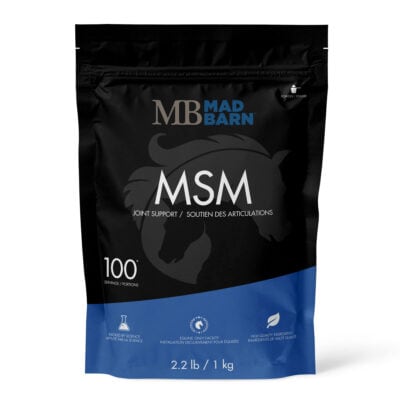
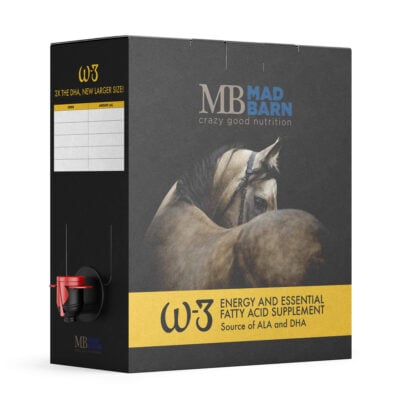
To further support the body’s natural regulation of inflammatory processes, targeted supplements can be incorporated. MSM provides a bioavailable source of sulfur, a component of collagen and other connective tissue proteins. Mad Barn’s w-3 Oil supplies the omega-3 fatty acid DHA, which has been shown to help modulate inflammatory signaling pathways and support overall joint health.
Frequently Asked Questions
Here are some frequently asked questions about Autologous Protein Solution (APS) for horses:
Autologous Protein Solution (APS; Pro-Stride®) is a regenerative therapy derived from a horse's own blood, specifically designed to reduce inflammation and promote the healing of tissues, especially in the joints. The product is created by processing the horse's blood to concentrate cytokines and other proteins that play a key role in managing inflammation, promoting tissue regeneration, and improving overall healing, making it an effective treatment for musculoskeletal issues like osteoarthritis.
Autologous Protein Solution (Pro-Stride®) is prepared for equine administration by drawing blood from the horse, which is mixed with an anticoagulant to prevent clotting. The blood is then spun in a centrifuge to separate its components. The platelet-rich plasma (PRP) is extracted, and then it undergoes a second processing step using the patented Pro-Stride® medical device. The device concentrates specific anti-inflammatory cytokines. This entire process takes approximately 20 minutes, and once ready, the product is directly injected into the injured area on the horse.
Autologous Protein Solution Pro-Stride®) does not currently have as much supporting evidence as other types of regenerative therapy. Early results suggest it helps reduce inflammation, regulate the immune system, and support tissue healing. Like other biologic treatments, APS is most commonly used for treating conditions such as osteoarthritis, tendon injuries, and ligament damage, helping horses regain mobility and reducing pain over time. Since APS was derived from other regenerative therapies, many veterinarians support its use as research and protocol development is ongoing.
While Autologous Protein Solution (Pro-Stride®) is similar to Platelet-Rich Plasma (PRP) and Autologous Conditioned Serum (ACS), there are distinct differences in the way they are processed and used. APS is prepared much more quickly compared to ACS, which requires a 24-hour incubation period. APS also combines the benefits of both PRP and ACS, meaning it offers the anti-inflammatory and healing benefits of PRP along with the enhanced therapeutic effects of ACS, making it a more convenient and potentially more effective option for treating joint and tissue injuries in horses.
Autologous Protein Solution (Pro-Stride®) is primarily used in equine medicine to treat conditions involving joint disease, such as osteoarthritis, as well as soft tissue injuries, including tendon and ligament damage. The therapy has shown promise in reducing inflammation and improving mobility in affected horses.
Summary
Autologous Protein Solution (APS; Pro-Stride®) is a regenerative therapy derived from a horse's own blood. It is prepared by processing the blood so anti-inflammatory proteins and growth factors are highly concentrated to promote healing and reduce inflammation in injured tissues.
- APS was developed to combine the successful effects of Platelet-Rich Plasma and Autologous Conditioned Serum therapies
- Primarily used to treat osteoarthritis and tendon and ligament injuries in horses
- APS is rich in anti-inflammatory proteins like IL-1Ra and growth factors that promote tissue repair, especially for cartilage and joint health
- APS is considered low-risk, with potential side effects including mild injection pain, site infection, and variability in response due to factors like age and blood composition
References
- Camargo Garbin. L. and Morris. M. J. A Comparative Review of Autologous Conditioned Serum and Autologous Protein Solution for Treatment of Osteoarthritis in Horses. Frontiers in Veterinary Science. 2021.
- Gaesser. A. M. et al. Evaluation of Autologous Protein Solution Injection for Treatment of Superficial Digital Flexor Tendonitis in an Equine Model. Frontiers in Veterinary Science. 2021. View Summary
- McCarrel. T. M. Equine Platelet-Rich Plasma. The Veterinary Clinics of North America. Equine Practice. 2023.
- Ortved. K. F. Equine Autologous Conditioned Serum and Autologous Protein Solution. Veterinary Clinics of North America: Equine Practice. 2023.
- Evans. C. H. et al. Autologous Conditioned Serum. Physical Medicine and Rehabilitation Clinics of North America. 2016. View Summary
- Camargo Garbin. L. and Morris. M. J. A Comparative Review of Autologous Conditioned Serum and Autologous Protein Solution for Treatment of Osteoarthritis in Horses. Frontiers in Veterinary Science. 2021. View Summary
- Bertone. A. L. et al. Evaluation of a Single Intra-Articular Injection of Autologous Protein Solution for Treatment of Osteoarthritis in Horses. American Journal of Veterinary Research. 2014. View Summary
- Tokawa. P. K. A. et al. Autologous Conditioned Serum in Equine and Human Orthopedic Therapy: A Systematic Review. Research in Veterinary Science. 2022. View Summary
- Bertone. A. L. et al. Evaluation of a Single Intra-Articular Injection of Autologous Protein Solution for Treatment of Osteoarthritis in Horses. American Journal of Veterinary Research. 2014. View Summary
- Knott. L. E. et al. Current Use of Biologic Therapies for Musculoskeletal Disease: A Survey of Board‐certified Equine Specialists. Veterinary Surgery. 2022.