English











Adequate vitamin and mineral intake is essential to maintaining your horse’s health and well being. But with so many different supplement options on the market, how do you know which one to choose?
The best vitamin and mineral supplement for your horse is one that optimally balances their diet by supplying the nutrients most commonly missing from forage and grain rations, including vitamin E, selenium, zinc, and copper.
High-quality supplements also support hoof growth, coat quality, topline development, and overall well being. This means providing effective levels of biotin and improving dietary protein quality with the limiting amino acids lysine, methionine, and threonine.
This is where Mad Barn’s Omneity® and AminoTrace+ stand out. Both are comprehensive vitamin and mineral supplements formulated to help horses meet daily nutrient requirements and support optimal health.
For most horses, Omneity® is the best overall choice, providing comprehensive daily vitamin and mineral support in a palatable formula. Omneity® provides 100% organic trace minerals, complete B-vitamin fortification, digestive enzymes, and live yeast cultures to support everything from energy metabolism to digestive health.
For horses with higher nutritional demands, AminoTrace+ is the enhanced option. It provides elevated levels of key nutrients to support hoof growth, antioxidant status, and overall condition, particularly for horses with metabolic concerns or a history of laminitis.
Does My Horse Need a Vitamin & Mineral Supplement?
All horses need a source of vitamins and minerals in the diet to meet daily nutrient requirements and support normal health, growth, tissue maintenance, and metabolic function. [1]
Forage should always form the foundation of the equine diet. Hay and pasture provide the fiber horses need for digestive health and usually supply most of the calories and protein in the ration.
However, forage alone does not consistently provide all of the vitamins, minerals, and amino acids needed to fully balance the diet. The nutrient content of hay and pasture varies widely depending on soil type, forage species, maturity at harvest, weather, and storage conditions. [1]
Vitamin E is a good example. Horses grazing fresh pasture typically have much higher vitamin E intake than horses consuming harvested or stored forage, which is one reason hay-based diets often require additional antioxidant support. [2]
Even horses fed commercial feed can still have nutrient gaps if that feed is not provided at the recommended rate. Many fortified feeds are designed to be fed in relatively large amounts, but most horses are fed less than a full serving. When intake falls below the recommended level, vitamin and mineral intake also falls short.
For these reasons, feeding a concentrated vitamin and mineral supplement is often the best way to ensure a horse’s diet is fully balanced.
Unlike fortified grain or complete feeds, a concentrated supplement allows vitamin and mineral intake adjustments independent of calorie intake. This is important because many horses do not need large amounts of grain to maintain body condition, yet still require a full supply of essential nutrients.
A concentrated all-in-one supplement, such as Mad Barn’s Omneity® or AminoTrace+, helps close these gaps by delivering targeted nutrition without adding unnecessary calories, sugar, starch, iron, or filler ingredients.
What's your top priority with your horse's health?

What's your top priority with your horse's health?
Common Gaps in Equine Diets
A 2021 Mad Barn analysis of over 6,500 equine diets found the most common deficiencies in forage-based diets and grain feeding programs included: [3][4]
- Sodium: An electrolyte mineral required for fluid balance, nerve signaling, and normal muscle function. Horses lose sodium daily in sweat, urine, and manure, so plain salt should always be provided.
- Vitamin E: A fat-soluble antioxidant that helps protect muscle and nerve cells from oxidative damage. Fresh pasture is a rich source, but levels drop significantly in stored forage.
- Selenium: A trace mineral that works with vitamin E to support antioxidant defense, immune function, and muscle health. Selenium content in forage depends heavily on soil levels, so deficiency risk varies by geographic region.
- Zinc: A trace mineral that is important for hoof quality, skin integrity, immune function, and enzyme activity. Zinc absorption can be reduced in diets high in iron.
- Copper: A trace mineral that is required for connective tissue formation, antioxidant enzymes, iron metabolism, and normal hoof and coat health. Like zinc, copper absorption is inhibited when dietary iron levels are high.
When intake is consistently low, these deficiencies can affect multiple systems in the horse’s body. These shortfalls may show up as dull coat quality, brittle feet, slow hoof growth, poor topline, lower resistance to stress, or exercise intolerance. [2][4]
However, nutrient deficiencies are not always easy to identify based on outward signs. Horses can have subclinical deficiencies, meaning nutrient intake is low enough to impair normal physiological processes without causing obvious clinical signs.
In these cases, a horse may appear generally healthy but still have poor hoof quality, impaired muscle development, lower antioxidant capacity, reduced immune function, or less-than-ideal exercise recovery.
Understanding Equine Nutrient Requirements
When formulating your horse’s diet to meet vitamin and mineral requirements, it’s important to understand how those requirements are determined and what they represent.
Nutrient requirements for horses are based on guidelines published by the National Research Council (NRC) in the United States. You can check your horse’s requirements using Mad Barn’s Equine Nutrition Calculator.
These values estimate how much energy, protein, vitamins, and minerals horses need each day based on factors such as body weight, age, growth, workload, and reproductive status like pregnancy and lactation.
To support your horse’s overall health, meeting NRC requirements matters. However, the written NRC requirements should be viewed as the minimum standard, not necessarily the optimal intake for your horse’s long-term health and performance.
NRC values are generally designed to prevent overt deficiency and support normal physiological function in broad classes of horses, but they do not always reflect the full range of factors and performance goals that influence nutrient needs in feeding programs.
In practice, a horse’s nutrient needs can be influenced by forage quality, gut health, mineral interactions such as high iron intake, exposure to stress or illness, training, and individual variation between horses. As a result, a horse may technically meet established requirements and still fall short of what they need to thrive.
Biotin is a good example of this distinction. Although no official NRC requirement has been established for biotin in horses, research shows that supplementing 20 mg per day for a 500 kg (1,100 lb) horse can improve hoof horn quality and support hoof growth. [5]
Trace mineral status is also affected by mineral interactions within the diet. For example, high iron intake can interfere with zinc and copper absorption, meaning a horse may consume these minerals in adequate amounts but still not utilize them efficiently. For this reason, horses on high-iron forage often benefit from more targeted trace mineral fortification. [1][4]
This is why diet formulation should go beyond asking whether a horse is simply “deficient.” It should also consider whether nutrient intake is balanced and sufficient to support optimal hoof quality, muscle health, athletic performance, and overall well being within the context of that horse’s forage, health status, and performance goals.

What to Look for When Buying a Vitamin & Mineral Supplement
A good equine vitamin and mineral supplement should do more than add a few isolated nutrients to the diet. Its job is to help balance the entire ration by supplying the vitamins, minerals, and amino acids that are commonly lacking in forage-based feeding programs.
The first thing to look for when buying a vitamin and mineral supplement is whether the product will actually balance your horse’s diet at the recommended feeding rate.
You can check this by analyzing the diet with Mad Barn’s Horse Nutrition Calculator. Enter your horse’s age, body weight, workload, physiological status, and current feeding program to identify any vitamin or mineral gaps.
When fed at the correct rate, a concentrated vitamin and mineral supplement should ensure the horse’s nutrient requirements are met for most vitamins and minerals.
Sodium is the major exception, because horses require relatively large amounts of salt to maintain hydration and replace daily electrolyte losses. [1]
Since this amount is impractical to deliver in a concentrated supplement, plain loose salt should be added to the diet. For a 500 kg (1,100 lb) horse, that generally means at least 2 tablespoons per day on top of providing constant access to free-choice loose salt. [1]
In addition to meeting baseline requirements, well-formulated all-in-one nutritional supplements for horses should also provide: [1]
- Organic trace minerals with high bioavailability such as copper, zinc, selenium, and manganese proteinates to support antioxidant defense, hoof quality, skin and coat health, connective tissue integrity, and normal metabolic function
- Adequate vitamin E and vitamin A, since hay-based diets are low in these vitamins because they degrade in stored hay, and these vitamins are important for antioxidant protection, muscle health, immune function, tissue health, and normal vision
- Complete B-vitamin fortification to support energy metabolism, red blood cell production, nervous system function, and overall health, particularly in horses with higher demands or limited hindgut synthesis
- A full serving of biotin to support keratin production for stronger hoof, mane, and tail growth
- Limiting amino acids such as lysine, methionine, and threonine, which are often low in equine diets and help improve protein synthesis to support topline development, hoof growth, and exercise recovery
- No added iron, since most horses already exceed iron requirements from forage alone and excess iron can interfere with copper and zinc absorption
- Added digestive support to promote gut health and nutrient utilization, including yeast, enzymes, or prebiotics
These products should also be formulated with a high nutrient density so they can be fed at a concentrated rate that fully balances a forage-based diet without adding unnecessary sugar, starch, or calories.
Mad Barn’s complete vitamin and mineral supplements were formulated to meet these rigorous standards and provide comprehensive nutritional support for horses.
Omneity® and AminoTrace+ are all-in-one solutions made with 100% organic trace minerals, no added iron, and the core nutrients professional equine nutritionists prioritize when formulating a balanced diet.
For most horses, Omneity® and AminoTrace+ are the best way to fully balance the diet and provide the nutritional foundation needed to support hoof quality, topline, metabolic health, and overall well being.
Omneity® — All-In-One Vitamin & Mineral
Omneity® is the best vitamin and mineral supplement for most horses on forage-based diets or underfortified feeding programs. Omneity® is designed to provide the essential vitamins, trace minerals, and amino acids needed to cover common gaps in equine rations.
One of Omneity®‘s main advantages for horse owners is it can replace the need for multiple separate products. In many cases, horse owners do not need to add a separate hoof supplement or individual nutrients on top of Omneity®, because it already provides comprehensive nutrition.
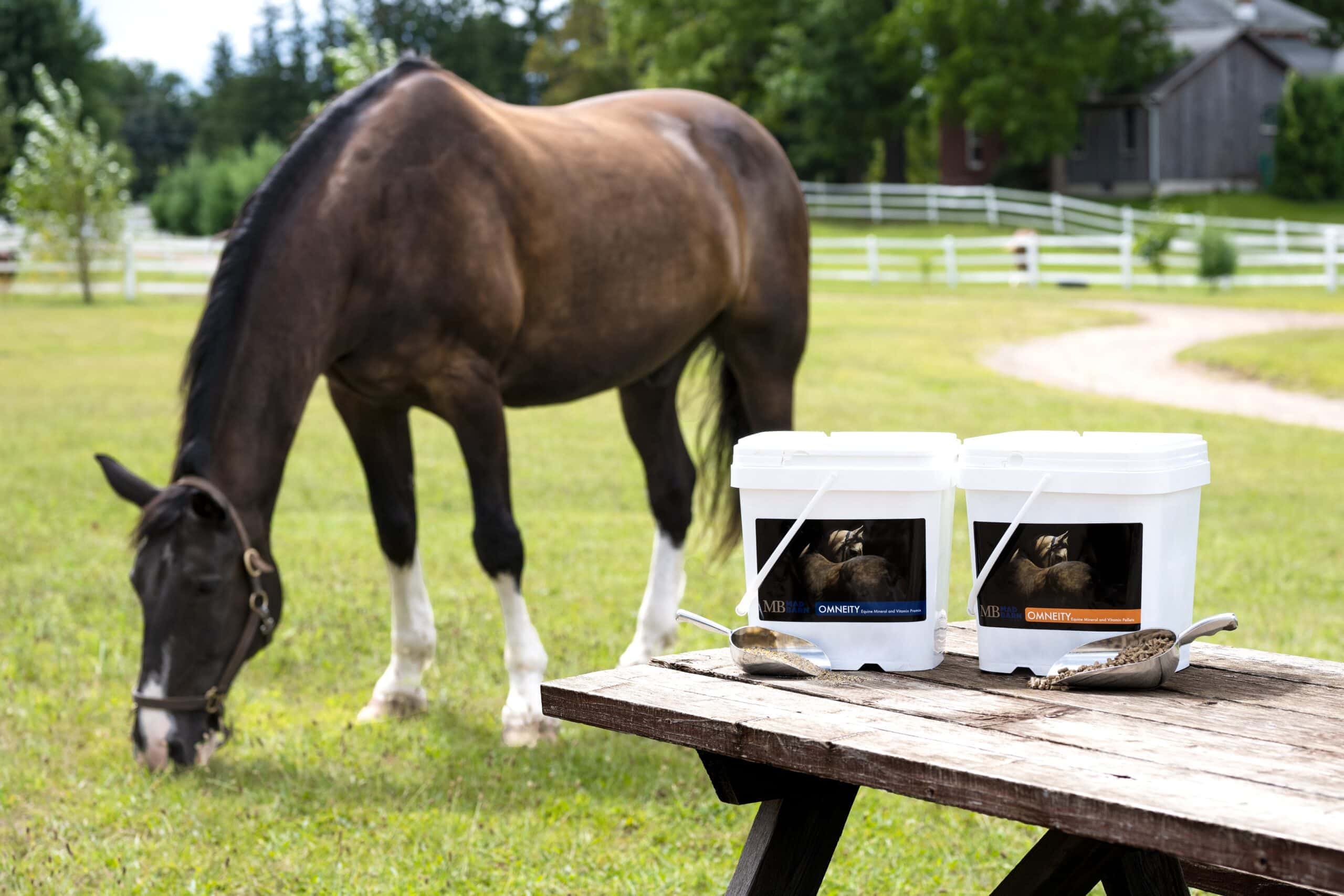
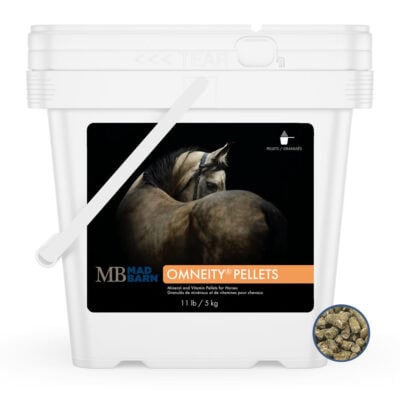
Omneity® is available in two formats:
- Omneity® Premix – loose powdered format, fed at 120 g/day for a 500 kg (1,100 lb) horse
- Omneity® Pellets – easy-to-feed pelleted format, fed at 200 g/day for a 500 kg (1,100 lb) horse
Both formats provide the same core nutritional profile:
- 100% organic trace minerals
- Complete B-vitamin fortification
- 200% of daily Vitamin E requirements
- Research-backed levels of biotin
- Essential amino acids
- Yeast and digestive enzymes
- No added iron
- Low-NSC formulation without added fillers, sugars, or molasses
Omneity® is also a cost-effective option, and many horse owners can save money by replacing their current feed or ration balancer with Omneity®. For example, Omneity® Premix costs just $0.84 per day when purchased with a subscription.
For most horses, Omneity® is the best option because it provides broad nutritional coverage in one concentrated product, supports the areas horse owners care about most, and gives horse owners confidence that the diet is fully balanced.
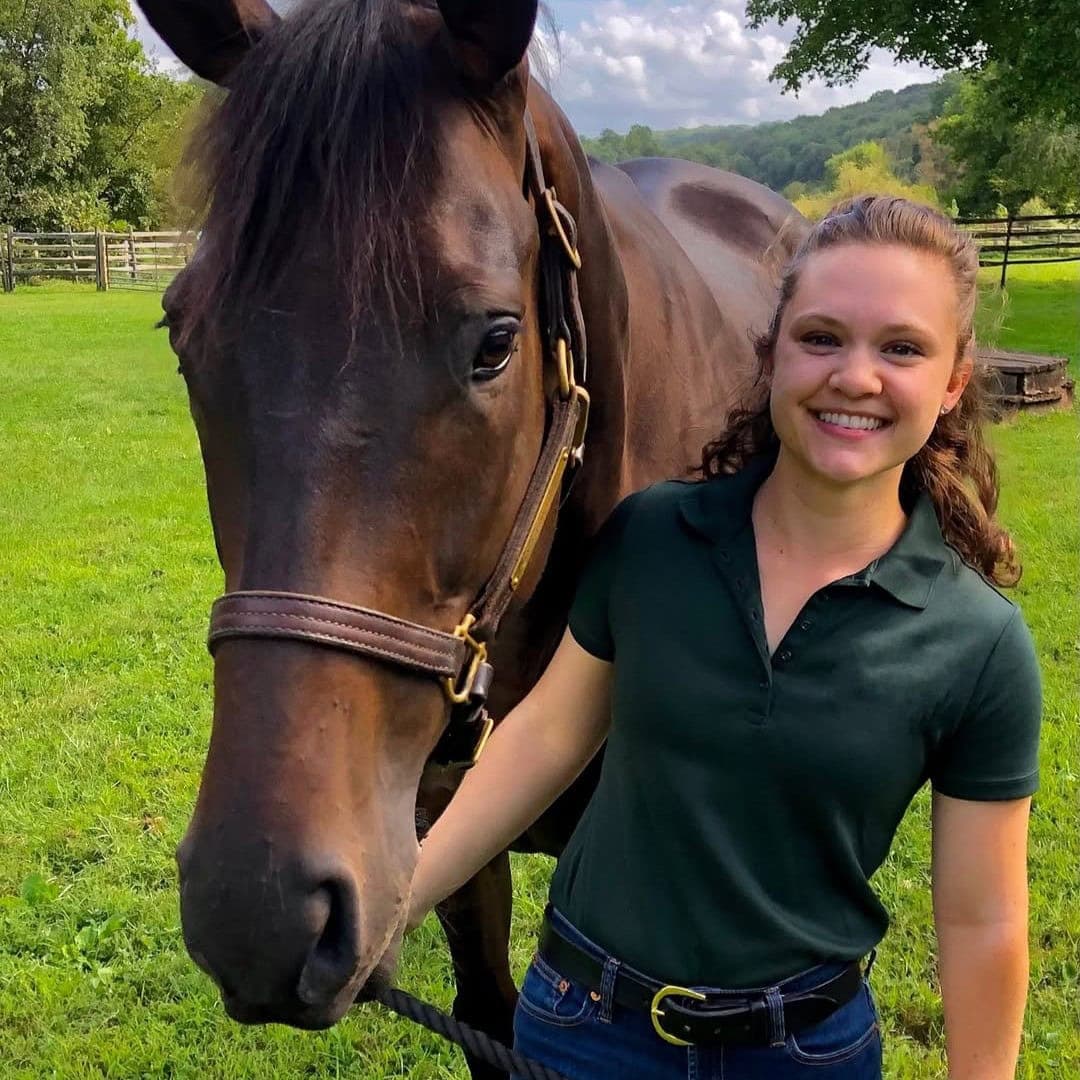
“Because it's formulated with high-quality essential nutrients, Omneity® helps support all aspects of your horse's health — hooves, immune system, and everything in between.”
— Dr. Fran Rowe, DVMVeterinary Nutritionist
AminoTrace+ — Enhanced Vitamin & Mineral Support
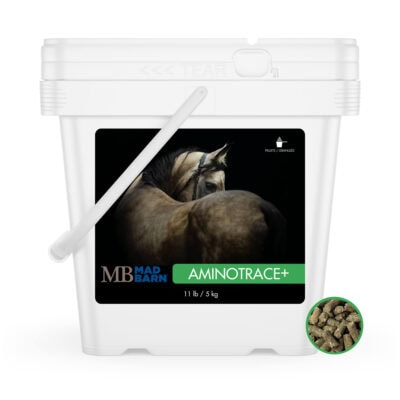
Mad Barn’s AminoTrace+ is an enhanced vitamin and mineral supplement designed for horses that need more nutritional support than a standard balancer provides.
It is well suited to horses with higher nutrient demands, including those with metabolic concerns, a history of laminitis, poor hoof quality, or diets high in iron.
AminoTrace+ is also a strong option for performance horses with greater demands related to training, recovery, travel, antioxidant support, and muscle maintenance.
Like Omneity® pellets, AminoTrace+ is fed at 200 g/day for a 500 kg (1,100 lb) horse, but it provides a more concentrated nutrient profile.
Key features of AminoTrace+ include:
- Higher copper and zinc to support hoof quality, skin health, and antioxidant enzyme function
- Higher magnesium for horses that need additional metabolic and nervous system support
- Limiting amino acid fortification, including lysine, methionine, and threonine, to support topline development and muscle maintenance
- Natural vitamin E to support antioxidant status, immune function, and muscle health
- A full 20 mg of biotin to support hoof growth and hoof horn quality
- No added iron, with ingredients specifically chosen to keep trace iron levels low, which is especially important for horses consuming high-iron forage
- Low-NSC formula appropriate for easy keepers and horses requiring a lower sugar and starch intake
- Targeted digestive support from yeast and prebiotics to support hindgut health, feed efficiency, and nutrient absorption
Compared to Omneity®, AminoTrace+ provides a more advanced nutrient profile for horses that need extra support for metabolic health, hoof quality, antioxidant status, and muscle maintenance.
While Omneity® works well for most horses, AminoTrace+ is the higher-quality choice when elevated levels of key nutrients are needed, particularly for horses with EMS, PPID, insulin dysregulation, a history of laminitis, poor hoof quality, or high-iron forage.
“AminoTrace+ is a great addition for horses receiving a forage-focused diet. Its science-backed formulation means it will optimally balance vitamins and minerals in the diet.”
— Dr. Fran Rowe, DVMVeterinary Nutritionist
Omneity® Premix vs. Omneity® Pellets vs. AminoTrace+
Not sure which of Mad Barn’s three complete vitamin and mineral supplements is the right fit for your horse?
The best way to choose is to start with your horse’s individual nutritional needs, then consider the rest of the feeding program and the format your horse will reliably eat.
First, determine whether your horse needs a general all-in-one balancer or a more targeted formula with higher levels of key nutrients for metabolic support, hoof quality, or high-iron diets.
If your horse is generally healthy, on a forage-based diet or grain feeding program, and you simply want to cover common nutrient deficiencies with a complete formula, choose Omneity®.
If your horse has insulin dysregulation, is prone to laminitis, has poor hoof quality, is consuming high-iron forage, or needs a more concentrated nutrient profile, choose AminoTrace+.
For most horses, Omneity® is the best all-around fit. AminoTrace+ is better suited to horses with higher nutrient demands or more specific nutritional priorities.
Next, consider what else is in your horse’s diet and which format your horse will reliably eat.
Omneity® Premix is a loose powder that can be top-dressed on other feeds or carriers such as beet pulp, while Omneity® Pellets and AminoTrace+ are pelleted for easier feeding. Horses that are picky about powders often do better with a pelleted supplement.
Choose Omneity® Premix when:
- Your horse already eats a mash, soaked feed, beet pulp, or another carrier
- You want the most concentrated and cost-effective format
- You prefer a loose supplement that can be mixed into the ration
- Your horse accepts powdered supplements well
- You want to provide free-choice vitamin and minerals for horses on pasture
Choose Omneity® Pellets when:
- Your horse is a picky eater
- You prefer a pelleted supplement over a loose powder
- Your horse is not receiving another carrier feed
- Your horse does not need the enhanced nutrient profile of AminoTrace+
Omneity® Pellets use palatable low-NSC oat hulls as the pelleting agent and can be fed without a separate carrier.
Choose AminoTrace+ when:
- Your horse has EMS, PPID, insulin dysregulation, or a history of laminitis
- Your horse is an easy keeper on a calorie-restricted, low-NSC diet
- Your forage is high in iron and you need more copper and zinc to improve mineral balance
- Your horse needs more limiting amino acids to support topline development or muscle maintenance
- Your horse has persistent hoof quality issues or slow hoof growth
- Your horse needs a more concentrated nutrient profile for antioxidant status or exercise recovery
Vitamin & Mineral Supplement Comparison
Table 1. Comparison of Omneity® and AminoTrace+ vitamin and mineral supplements with nutrient supply per serving
| Feature | Omneity® Premix | Omneity® Pellets | AminoTrace+ |
|---|---|---|---|
| Format | Powder | Pellet | Pellet |
| Cost Per Day* | $0.84 | $1.19 | $2.09 |
| Feeding rate | 120 g/day | 200 g/day | 200 g/day |
| NSC | Negligible | < 5% | < 5% |
| Copper | 120 mg | 120 mg | 300 mg |
| Zinc | 498 mg | 480 mg | 750 mg |
| Selenium | 2.4 mg | 2.4 mg | 2 mg |
| Magnesium | 5.4 g | 5.2 g | 11 g |
| Vitamin E | 1,020 IU | 980 IU | 1,250 IU |
| Biotin | 20 mg | 18 mg | 20 mg |
| Lysine | 3.4 g | 3.6 g | 10 g |
| Methionine | 1.1 g | 1.2 g | 6 g |
| Threonine | 1.4 g | 1.6 g | 5 g |
| Iron | No added iron | No added iron | No added iron |
| Gut Support | Yeast & enzymes | Yeast & enzymes | Yeast & MOS |
*Cost per day is calculated based on a 5% subscription discount based on the typical feeding rate for a 500 kg (1,100 lb) horse.
When to Use Omneity® vs. AminoTrace+
Need help choosing between Omneity® Premix, Omneity® Pellets, and AminoTrace+ for your horse? Submit your horse’s diet for a free ration balancing review by our professional equine nutritionists to identify nutrient gaps, imbalances, and the best all-in-one balancer for your horse.
You can also follow the simple guidelines below to help choose the right supplement vitamin and mineral for your horse. All Mad Barn supplements are backed by a 100% customer happiness guarantee. In the rare event that you are not satisfied, Mad Barn will provide a refund or store credit toward a different product.
| Horse Profile | Best Fit | Why |
|---|---|---|
| Healthy adult horse on hay or pasture that needs broad daily nutritional support | Omneity® Premix or Omneity® Pellets | Designed to balance the majority of forage-based diets and grain feeding programs with vitamins, organic trace minerals, limiting amino acids, yeast, and digestive enzymes |
| Horse is receiving fortified grain, but less than the full recommended feeding rate | Omneity® Premix or Omneity® Pellets | Helps fill the vitamin and mineral gaps that remain when fortified feeds are underfed |
| Growing horse that needs complete nutritional support for normal growth and bone development | Omneity® Premix or Omneity® Pellets | Provides broad-spectrum vitamin, mineral, and amino acid support to help balance the diet during growth |
| Broodmare or breeding stallion that needs complete nutritional coverage for reproductive function and overall condition | Omneity® Premix or Omneity® Pellets | Provides comprehensive daily nutrition to support breeding horses with higher overall nutrient demands |
| Horse already eats a mash, soaked feed, or beet pulp and needs affordable mineral topdress | Omneity® Premix | Loose powdered vitamin and mineral fed at a very low feeding rate for only $0.84 per day |
| Horse is picky about powders or is not getting another carrier feed | Omneity® Pellets | Provides the same nutrition as Omneity® Premix in a palatable pellet made with low-NSC oat hulls |
| Easy keeper with EMS, PPID, insulin dysregulation, or a history of laminitis | AminoTrace+ | Low-calorie, low-NSC formula with higher levels of copper, zinc, magnesium, natural vitamin E, and amino acids |
| Horse is on high-iron forage or shows signs like coat bleaching or poor hoof growth | AminoTrace+ | Formulated with no added iron and higher levels of copper and zinc to better support mineral balance in these situations |
| Horse needs more support for intense exercise, topline, or muscle health | AminoTrace+ | Provides a more concentrated supply of trace minerals, magnesium, amino acids, and natural vitamin E |
Final Recommendations
The best vitamin and mineral supplement for your horse is the one that corrects the gaps in their diet and fits that horse’s individual needs.
A well-formulated supplement should supply the nutrients commonly lacking in forage, support hoof quality, topline, skin and coat health, and overall well being, and do so without adding unnecessary iron, fillers, sugar, or starch.
For most horses, Omneity® is the best overall choice. It is a complete all-in-one balancer designed for forage-based diets and underfortified grain feeding programs, giving horse owners a straightforward way to cover common nutritional gaps with one product.
Choose Omneity® Premix if your horse accepts powdered supplements well or already gets another carrier feed, and you want the most concentrated and economical format.
Choose Omneity® Pellets if your horse prefers a pellet or is not receiving another carrier feed. It provides the same nutritional value as Omneity® Premix in a convenient, palatable format that can be fed on its own.
Choose AminoTrace+ when your horse needs an enhanced formula, especially in cases involving metabolic concerns, high-iron forage, easy-keeper management, poor hoof quality, or a need for higher copper, zinc, magnesium, antioxidant, and amino acid support.
Frequently Asked Questions
Here are some frequently asked questions about vitamin and mineral supplements for horses:
Hay provides many important nutrients, but it often does not supply enough vitamins and minerals to fully balance a horse's diet. Nutrient levels in hay vary based on soil conditions, forage species, maturity at harvest, and storage, and stored forage is often lower in vitamins such as vitamin E and vitamin A while also falling short in minerals such as copper, zinc, selenium, sodium, and iodine. These nutrients support hoof quality, coat condition, immune function, muscle health, and overall metabolic function. For horses eating primarily hay, a concentrated vitamin and mineral supplement helps provide consistent daily intake of the nutrients that forage alone may not supply.
For most horses on a forage-first diet, the best vitamin and mineral supplement is Mad Barn's Omneity®. Omneity® is formulated to balance hay- and pasture-based diets by supplying essential vitamins, organic trace minerals, amino acids, and supportive nutrients commonly lacking in forage. This includes nutrients important for hoof growth, coat quality, topline, antioxidant protection, and overall health. Feeding a concentrated supplement like Omneity® helps horse owners provide complete daily nutrition without adding excess calories, sugar, or starch.
The best way to determine whether your horse needs a vitamin and mineral supplement is to evaluate the total diet, including forage, concentrates, and any other supplements being fed. Many horses look healthy while still having subclinical deficiencies or imbalances in key vitamins and minerals that affect hoof quality, coat condition, immune resilience, muscle function, or long-term performance. Horses on hay-based diets, limited pasture, calorie-restricted rations, or underfed fortified grain are especially likely to need added vitamin and mineral support. A diet review by an equine nutritionist is the most accurate way to identify gaps and determine whether a product such as Omneity® or AminoTrace+ is the better fit.
The best way to supplement vitamins and minerals in a horse's diet is to feed a measured, concentrated vitamin and mineral supplement each day. This provides a more reliable intake than mineral blocks or free-choice products, which horses often consume inconsistently. A well-formulated supplement should provide key vitamins, bioavailable trace minerals, and amino acids in amounts that help balance the total ration. For most horses, Omneity® is the best all-around option, while AminoTrace+ is better when a horse needs more targeted support.
A good vitamin and mineral supplement for horses should provide more than just a few isolated nutrients. It should include balanced vitamin fortification, especially nutrients commonly lacking in hay-based diets such as vitamin E and vitamin A, along with trace minerals such as copper, zinc, selenium, iodine, and manganese in bioavailable forms. High-quality products may also include complete B-vitamin fortification, biotin, and limiting amino acids such as lysine, methionine, and threonine to support hoof quality, topline, tissue maintenance, and overall health. A good formula should also avoid unnecessary added iron and excessive fillers, sugars, or molasses.
The best overall vitamin and mineral supplement for most horses is Mad Barn's Omneity®. Omneity® is designed to balance the majority of forage-based diets and underfortified grain feeding programs by providing vitamins, organic trace minerals, amino acids, digestive support, and other nutrients commonly lacking in equine rations. Because it provides broad-spectrum daily nutritional support in one concentrated product, Omneity® can often replace the need for multiple separate supplements. This makes it a practical option for horse owners who want complete coverage without overcomplicating the feeding program.
AminoTrace+ is the better choice when a horse needs a more targeted nutrient profile than a general all-in-one balancer provides. It is especially useful for horses with metabolic concerns, a history of laminitis, poor hoof quality, high-iron forage, or higher demands for nutrients such as copper, zinc, magnesium, natural vitamin E, and amino acids. AminoTrace+ still provides complete vitamin and mineral support, but with a more concentrated profile in the areas most relevant to these horses. For most horses, Omneity® remains the best overall choice, while AminoTrace+ is more appropriate for specialized cases.
In many cases, yes. A well-formulated vitamin and mineral supplement may already provide the nutrients most relevant to hoof health, including biotin, zinc, copper, methionine, and other amino acids needed for keratin production and hoof horn quality. If the horse's diet is otherwise balanced, this may reduce the need for a separate hoof supplement. Products such as Omneity® and AminoTrace+ are designed to provide both vitamin and mineral support along with additional nutrients that promote hoof growth and overall condition.
Sometimes horses can meet their nutrient requirements with grain feeds, but only if the fortified grain is fed at the full recommended rate. Many horses are fed less than the intended amount of commercial feed, especially easy keepers or horses on forage-first diets, which means they also receive less of the intended vitamin and mineral fortification. In these cases, the ration may still be short in important vitamins and minerals even though a fortified feed is being used. A concentrated supplement helps fill those gaps without requiring the horse to eat more grain than needed for calories.
Organic trace minerals are often better absorbed and utilized than inorganic mineral sources because they are bound to amino acids or other organic compounds that can improve bioavailability. This matters because minerals such as copper, zinc, manganese, and selenium support hoof integrity, connective tissue formation, antioxidant defense, immune function, and many other physiological processes. Better mineral absorption can help the horse use these nutrients more efficiently. A high-quality supplement should also pair these minerals with appropriate vitamin fortification, since vitamins and minerals work together to support overall health and performance.
Yes, feeding too many fortified products at once can create nutrient excesses or imbalances. Over-supplementation may interfere with mineral absorption, disrupt nutrient ratios, and increase intake of vitamins or trace minerals beyond what the horse needs. Excess iron is a common concern because many horses already get plenty from forage and water, and high iron intake can reduce copper and zinc availability. This is one reason why it's important to evaluate the full diet and use one complete vitamin and mineral supplement rather than layering multiple overlapping products without a plan.
Ingredients to avoid in vitamin and mineral supplements include unnecessary added iron, excessive sugar or molasses, and low-quality fillers that add bulk without improving nutritional value. Many horses already exceed iron requirements in the diet, so adding more iron can make existing mineral imbalances worse. It is also important to look closely at mineral source, since inorganic forms are often less bioavailable than organic trace minerals. High-quality vitamin and mineral supplements such as Omneity® and AminoTrace+ are formulated to provide concentrated nutritional support without unnecessary ingredients.
Summary
Vitamin and mineral intake is essential for supporting your horse's health, but many feeding programs often fail to supply enough essential nutrients. A concentrated vitamin and mineral supplement helps balance the diet without adding unnecessary calories, sugar, starch, or iron.
- Forage-based diets commonly fall short in key nutrients including sodium, vitamin E, selenium, zinc, and copper
- Commercial feeds may still leave nutrient gaps when fed below the manufacturer's recommended amounts
- NRC requirements provide a baseline for adequacy, but optimal intake may be higher depending on forage quality, workload, metabolic status, and individual horse needs
- Concentrated vitamin and mineral supplements allow nutrient intake to be adjusted independently of calorie intake, making it easier to fully balance the diet
- High-quality all-in-one supplements should provide organic trace minerals, vitamins A and E, complete B-vitamin fortification, biotin, limiting amino acids, and no added iron
- Omneity® is the best overall choice for most horses, while AminoTrace+ is better suited to horses with higher nutrient demands, metabolic concerns, poor hoof quality, or high-iron forage
References
- Nutrient Requirements of Horses: Sixth Revised Edition. National Academies Press. 2007.
- Geor. R. J. et al. Eds. Equine Applied and Clinical Nutrition: Health, Welfare and Performance. Saunders Elsevier. 2013.
- Latham. C. M. et al. 72 A Survey of North American Horse Diets: What Are We Missing?. Journal of Equine Veterinary Science. 2023.</li
- McDowell. L. R. Minerals in Animal and Human Nutrition. 2nd ed. Elsevier. 2003.
- Josseck. H. et al. Hoof Horn Abnormalities in Lipizzaner Horses and the Effect of Dietary Biotin on Macroscopic Aspects of Hoof Horn Quality. Equine Veterinary Journal. 1995. View Summary