English
Bloodwork is one of the most valuable diagnostic tools available in equine veterinary medicine. Whether used to assess general health, diagnose illness, monitor chronic conditions, or evaluate performance issues, a simple blood test can reveal a wealth of information about a horse’s internal systems.
There are two primary types of blood tests commonly used in horses: the complete blood count (CBC) and the serum biochemistry panel.
The CBC evaluates the cells in the bloodstream, helping to detect infection, inflammation, and anemia. The biochemistry panel, on the other hand, provides insights into how organs like the liver and kidneys are functioning, as well as the horse’s electrolyte and metabolic status.
In addition to these core tests, specialized bloodwork may be used to screen for specific diseases, evaluate hormone levels, or monitor treatment responses.
Read on to learn the basics of understanding your horse’s bloodwork results, including the key components of the procedures and tests, interpretation, and when testing is indicated.
Bloodwork for Horses
Bloodwork is an important component of equine diagnostic workups, as changes in the blood parameters can give veterinarians clues about what disease processes may be occurring in their patient.
Bloodwork data is also used to monitor overall health, the progression of chronic diseases, or evaluate how a horse’s condition is responding to treatment protocols. Many veterinarians also recommend bloodwork prior to major medical interventions to identify any potential complications early.
A typical bloodwork panel consists of a complete cell count (CBC) and a chemistry (chem). [1] The CBC evaluates what cells are present in the bloodstream, while the chem panel examines levels of different metabolites such as glucose, electrolytes, and more.
It’s important to run both components at the same time to get a clear picture of what disease processes may be occurring at the time the blood sample is taken.

Equine circulatory system
Uses for Blood Tests
Veterinarians may recommend bloodwork to assess a horse’s overall health, monitor specific medical conditions, or investigate signs of illness. Blood tests can detect subtle physiological imbalances that are not always visible during a physical examination, making them a critical diagnostic and monitoring tool in equine veterinary medicine.
Bloodwork for horses may be recommended in the following situations:
- Unexplained symptoms: If a horse is showing signs such as lethargy, weight loss, poor performance, or appetite changes, blood tests can help identify underlying causes such as infection, inflammation, or organ dysfunction.
- Routine wellness exams: Periodic bloodwork is often part of preventive care, especially for senior horses or those with known health concerns. It can establish baseline values and detect early changes before clinical signs appear.
- Before anesthesia: Pre-operative blood panels help ensure the horse’s organs, particularly the liver and kidneys, are functioning well enough to handle medications or anesthesia.
- Monitoring chronic conditions: Horses with conditions such as PPID (Cushing’s disease), equine metabolic syndrome, or anemia may require regular bloodwork to guide treatment decisions and track disease progression.
- Evaluating nutritional status: Blood tests can help evaluate certain vitamin and mineral levels, especially if a horse shows signs of deficiency or is on a restricted diet. However, it’s important for owners to know not all nutrient deficiencies are detectable on bloodwork.
- Post-illness recovery: After an illness or injury, bloodwork may be used to monitor recovery and assess whether further treatment is needed.
Since many conditions can alter blood values before obvious symptoms arise, bloodwork offers valuable insight into a horse’s internal health and is a key component of modern veterinary care.
What's your top priority with your horse's health?

What's your top priority with your horse's health?
Equipment
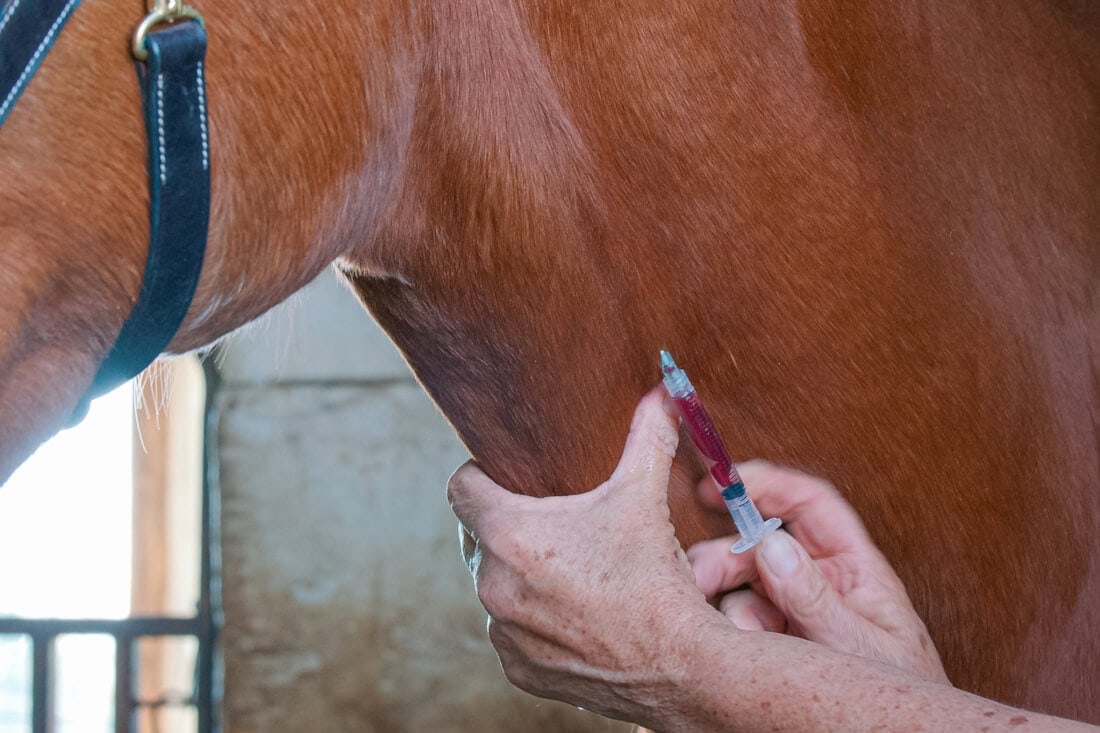
Veterinarians collect venous blood, usually from the jugular vein, to perform testing on. This procedure is called venipuncture. Equipment to collect blood from horses usually includes: [2]
- Needles
- Syringes
- Gloves
- Vacuum-pressurized blood tubes
There are several different types of blood tubes available for blood collection. The color of the top of the tube indicates what additives the tube has pre-loaded into it. Depending on the test performed, additives may be necessary to preserve the blood’s composition or prevent clotting during transport.
Common tube types include: [2]
- Red top tubes: Tubes without any additives. Blood coagulates within the tubes, which separates the cell mass from the serum, preventing assessment of cell populations. These tubes are commonly used for chemistry panels.
- Purple top tubes: Contain the anti-coagulant EDTA. By preventing coagulation, this blood sample can be used for complete cell counts.
- Green top tubes: Contain the anti-coagulant heparin. Typically used for chemistry panels.
Procedure
There are two main methods for collecting blood: using a Vacutainer® (vacuum-pressurized blood tube) or using a syringe. The process is similar for both methods.
First, the veterinarian examines the horse to determine the ideal location to draw blood from. Most veterinarians draw blood from the jugular veins. Some horses have pre-existing damage to one or both of their jugular veins, so the veterinarian must evaluate the vein carefully to ensure that it is suitable for a blood draw. [2]
To fill up the vein for assessment, they “hold off” or compress the vein, preventing it from draining completely. Blood accumulates within the vein, providing a pool of blood that the veterinarian can sample. [2] A vein suitable for blood collection should fill readily and drain quickly once the veterinarian releases pressure. After preparing their Vacutainer® or syringe, they hold off the vein to fill it with blood.

“Routine blood panels are a cornerstone of equine health monitoring. They provide critical insight into organ function, hydration status, and systemic inflammation—often before clinical signs become apparent. Whether we're screening before anesthesia, evaluating poor performance, or tracking recovery, these tests help us detect subtle imbalances and intervene early.”
— Dr. Jennifer Skaggs, DVMEquine Veterinarian
They then insert the needle through the horse’s skin and into the vein, observing the base of the needle to see if blood is present. The veterinarian then connects their syringe or Vacutainer® tube to the needle and slowly withdraws blood. [2]
Once the syringe or Vacutainer® tube is full, they withdraw the needle from the skin and apply pressure to the injection site. [2] Gentle pressure helps prevent bleeding and bruising at the injection site.
If a syringe was used for blood collection, the veterinarian transfers the collected blood to appropriate blood tubes. They gently rotate the tubes to mix the blood with any additives present within the tube, so the samples are properly prepped for transportation.
Interpreting Results
At many veterinary clinics, the veterinary team have machines that process the blood and run an automated CBC and chemistry protocol. However, some veterinarians may send out blood to diagnostic laboratories for analysis.
This may affect how long it takes for the results to be reported. Sending bloodwork out to a third party may also increase the final cost of testing.
Complete Blood Count
When the analysis is complete, a results report is generated. The report has a list of blood parameters that veterinarians interpret to make diagnoses.
For each blood parameter, a reference interval is provided based on expected values for a healthy horse. [3] If the blood sample is above or below this interval, the report flags the parameter so the veterinarian can identify it quickly.
Common parameters on a complete blood count include: [1]
- Packed cell volume (PCV): The amount of red blood cells in a blood sample. High PCV may indicate stress or dehydration, while low PCV indicates anemia.
- Total white blood cell count: The amount of white blood cells within the sample. Elevated white blood cell counts may indicate infectious disease.
- Neutrophil count: Neutrophils are a type of white blood cell that primarily responds to bacterial infections. Early on in an infection, neutrophil numbers decline as they are signaled to migrate from the bloodstream to the site of infection. Some white blood cells die trying to fight the bacteria. Elevated neutrophils may indicate long-term infection or inflammation.
- Platelet count: Platelets are the cell fragments in the blood responsible for blood clotting. Increased platelets may indicate inflammation or blood loss. Low platelets can result from infections or immune-mediated disease.
Blood Smear
The CBC sample may also be used for a blood smear examination. In this test, a drop of blood is smeared onto a glass slide and evaluated under a microscope. This allows the technician to assess the shape of the cells and identify any changes that may indicate disease.
Certain pathogens can also infect blood cells and are visible under the microscope. In horses, pathogenic infections that can be identified on a blood smear include: [4][5]
- Anaplasmosis
- Trypanosomiasis
- Babesiosis

Chemistry Panels
Chemistry panels can have many different parameters depending on the analyzer used.
Common parameters used in equine practice include: [1][6]
- Electrolytes: The electrolytes sodium, potassium, and chloride have important roles in muscle function, electrical conduction, and more. Changes in these parameters may indicate conditions such as diarrhea, kidney disease, or excessive sweating.
- Total protein: Protein is important in the horse’s bloodstream as it helps regulate fluid levels between the blood and the tissues. Blood proteins are produced by the liver. Low blood protein may indicate liver damage, loss of protein in body fluids, inflammation, and other conditions. Elevated blood protein can indicate dehydration.
- Lactate: Lactate is produced during anaerobic metabolism and often accumulates when tissues are oxygen-deprived. Elevated lactate levels may indicate shock, severe dehydration, or systemic illness. This panel is not commonly included on blood chemistry unless specially requested by the veterinarian.
- Liver enzymes: There are several liver enzymes on chemistry panels, such as AST, GGT, and SDH. These liver enzymes enter the bloodstream where there is damage to components of the liver or poor flow of bile. By interpreting changes in these enzymes, veterinarians can identify the location where liver damage or dysfunction is occurring.
- Kidney parameters: Parameters such as blood urea nitrogen and creatinine indicate how well the horse’s kidneys are functioning. Urea and creatinine are both waste products that the kidneys should excrete, so elevations in these values may indicate kidney disease.
- Glucose: Glucose is the major energy source of the body. Elevated glucose may indicate conditions such as Equine Metabolic Syndrome or Pituitary Pars Intermedia Dysfunction. Low blood glucose can occur with starvation, sepsis, and other conditions.
- Muscle enzymes: Creatine kinase is the major enzyme released when muscle damage is occurring. If creatine is elevated, the horse may be experiencing conditions such as exercise-induced rhabdomyolysis or genetic muscle disorders like HYPP.
- Fibrinogen and serum amyloid A: Fibrinogen and serum amyloid A are proteins produced during inflammation. If these protein levels are high, this indicates that there is an inflammatory process occurring somewhere in the body. This test is not standard and requires specific requisition from the veterinarian.
Other Tests
The veterinarian can also submit the collected blood for other diagnostic tests, including: [7]
- Specialized tests for bacterial or viral diseases
- Serology, an immune system test used to identify disease exposure, such as for Lyme disease or leptospirosis
- Serum allergy testing
- Hormone level testing, such as to diagnose Pituitary Pars Intermedia Dysfunction or Equine Metabolic Syndrome
- Assessment of nutrients as part of a dietary evaluation
- Testing for banned substances or blood doping
Infectious diseases that can be diagnosed on bloodwork include: [7]
- Equine infectious anemia
- Equine herpesvirus
- Equine protozoal myeloencephalitis
- West Nile virus
- Lyme disease
Preparing Your Horse for Bloodwork
Most horses tolerate venipuncture well without prior preparation. Your veterinarian can advise you if there are any special procedures they require prior to blood collection. For example, some blood tests require the horse to be fasted (with an empty stomach) prior to drawing blood.
Some horses become needle shy, having a strong fear or aversion to needles. The severity of this behavior ranges from simply being difficult to inject to dangerous behavior that puts handlers at risk. [8]
Owners of needle shy horses should train their horse to accept needles more readily. Experts recommend using positive reinforcement training to make the injection process more enjoyable for the horse. [8]
You can use a pen, paper clip, or the cap of a needle to replicate the needle poke during this training process. If you are having difficulty training your horse for routine tasks, consider working with a professional equine behaviorist who can help assess the root cause of your horse’s reactions.
Complications
Bloodwork is a very safe procedure for horses with few complications. The most common complications are minor bleeding or the formation of hematomas (bruises) at the puncture site. [2]
These conditions resolve quickly and do not have long-lasting effects. Veterinarians can help prevent these complications by putting pressure on the injection site after they remove the needle.
More serious complications include thrombophlebitis, inflammation of the vessel. This inflammation typically results from long-term irritation to the vessel, so it is unlikely to occur with a single puncture. [9]
Thrombophlebitis causes heat, pain, and swelling at the injection site and may progress to scarring of the vessel that prevents future blood collection. [10]
If the area is infected, the horse may develop fever and septic shock as bacteria spread through the horse’s bloodstream. [10]
Frequently Asked Questions
Here are some frequently asked questions about bloodwork in horses:
Bloodwork in horses shows information about internal health, including hydration, inflammation, infection, anemia, organ function, electrolytes, and metabolic status. A complete blood count evaluates blood cells, while a chemistry panel checks markers related to the liver, kidneys, proteins, glucose, and minerals. Some specialized blood tests can also help diagnose infectious diseases, hormone disorders, allergies, or nutrient concerns.
Equine bloodwork commonly includes a complete blood count and a serum chemistry panel. A complete blood count measures red blood cells, white blood cells, platelets, and related markers. A chemistry panel evaluates substances such as electrolytes, glucose, proteins, liver enzymes, kidney values, and muscle enzymes. Veterinarians may also request specialized tests for hormones, infectious disease, allergies, or treatment monitoring.
A horse may need bloodwork during illness, poor performance, weight loss, appetite changes, routine wellness care, chronic disease monitoring, or before anesthesia. Senior horses and horses with known health concerns may benefit from periodic testing to establish baseline values and detect early changes. Veterinarians also use bloodwork after illness or injury to monitor recovery and guide treatment decisions.
Horse blood test results may be available quickly if the clinic has in-house testing equipment, sometimes within about 30 minutes. Samples sent to a diagnostic laboratory usually take longer, depending on shipping time and the type of test requested. Some specialized tests, including hormone panels, infectious disease screening, or nutrient analysis, may require additional processing time.
Most horses do not need to fast before routine bloodwork, but some specific blood tests may require fasting or other preparation. Your veterinarian will tell you ahead of time if feed needs to be withheld before the sample is collected. Routine complete blood counts and chemistry panels are often performed without special preparation, unless the veterinarian is checking a marker affected by recent feeding.
Blood is usually drawn from a horse’s jugular vein in a procedure called venipuncture. A veterinarian evaluates the vein, applies pressure to help it fill, inserts a needle, and collects blood into a syringe or vacuum tube. After the sample is collected, pressure is applied to the site to reduce minor bleeding or bruising.
A complete blood count tells your veterinarian about the cells circulating in your horse’s bloodstream. This test can show signs of anemia, infection, inflammation, blood loss, stress, dehydration, or clotting problems. Common markers include packed cell volume, white blood cell count, neutrophil count, and platelet count. A blood smear may also be used to examine cell shape or look for certain blood-borne infections.
A chemistry panel in horses shows information about organ function, electrolytes, proteins, glucose, hydration, inflammation, and muscle health. Liver enzymes can suggest liver irritation or bile flow problems, while kidney values help assess waste removal. Electrolytes may change with diarrhea, sweating, or kidney disease. Glucose, protein, and muscle enzyme levels can also help explain illness or performance concerns.
Bloodwork can detect some nutrient concerns in horses, but it does not show every deficiency or fully evaluate the diet. Certain vitamins and minerals may be assessed through blood testing, especially when clinical signs or dietary restrictions raise concern. However, forage analysis, ration review, and assessment by a qualified equine nutritionist are often needed for a more complete picture of nutrient status.
Bloodwork is a safe procedure for most horses, and complications are uncommon. Minor bleeding or bruising at the puncture site can occur but usually resolves quickly. More serious vessel inflammation is unlikely after a single blood draw, though it can occur with repeated irritation. Heat, pain, swelling, fever, or worsening soreness near the site should be reported to a veterinarian.
Veterinarians order bloodwork before anesthesia to check whether a horse’s internal systems are healthy enough to handle medications and surgery. Liver and kidney values are especially important because these organs help process and clear drugs from the body. Pre-operative blood panels can also identify dehydration, anemia, infection, or other hidden concerns that may increase anesthetic risk.
Abnormal bloodwork in horses can point to infection, inflammation, dehydration, anemia, organ dysfunction, muscle damage, metabolic disease, or other health problems. Results are interpreted by comparing each value with a reference interval for healthy horses. A single abnormal value does not always confirm a diagnosis, so veterinarians consider the horse’s signs, history, physical exam, and any additional testing.
Summary
Bloodwork is an important diagnostic tool because it provides an overview of all of the horse's body systems.
- Veterinarians typically recommend bloodwork when diagnosing disease or for monitoring overall health
- The most common blood tests are a complete blood count and chemistry panels
- Collecting blood for these tests is a simple and very safe procedure
- Other blood tests include hormone testing, infectious disease testing, and nutritional assessment
References
- Lester. S. J. et al., Overview of Clinical Pathology and the Horse. Veterinary Clinics of North America: Equine Practice. 2015.
- Costa. L. R. R. and Paradis. M. R., Manual of Clinical Procedures in the Horse. Wiley Blackwell, Hoboken. 2018.
- Campbell. T. W. et al., Veterinary Hematology and Clinical Chemistry. Wiley-Blackwell. 2012.
- Stokol. T., Hematology Red Flags. Veterinary Clinics of North America: Equine Practice. 2020. View Summary
- Infectious Agents. eClinpath. 2025.
- Chemistry Basics. eClinpath. 2025.
- Comprehensive Test Menu for Equine Veterinary Diagnostics. IDEXX.
- McCann. N., Behaviour Techniques to Help the Needle-Shy Equine Patient Overcome Its Non-Compliance. Veterinary Ireland Journal. 2018.
- Lankveld. D. P. K. et al., Factors Influencing the Occurrence of Thrombophlebitis After Post-Surgical Long-Term Intravenous Catheterization of Colic Horses: A Study of 38 Cases. Journal of Veterinary Medicine Series A. 2001. View Summary
- Reed. S. M. et al., Equine Internal Medicine. 3rd ed. Saunders Elsevier, St. Louis, Mo. 2010.