English

Is beer safe for horses to drink? Beer is sometimes discussed in horse care, particularly in working barns and hot climates where it has been used as a traditional remedy for dehydration and heat stress.
Horse owners may offer small amounts of beer for reasons such as encouraging appetite, supporting digestion, or mitigating heat intolerance, especially in regions where anhidrosis (lack of sweating) is a concern.
In some parts of the southern United States, beer is still used in certain management routines, often based on long-standing barn practices rather than formal research. These uses are typically linked to observations about sweating, hydration, or palatability rather than controlled studies.
Horses are capable of metabolizing alcohol, and research suggests they may process ethanol more efficiently than some other species. However, beer also contains residual sugars, carbonation, and other brewing-derived compounds, and their effects in horses have not been well characterized.
Looking at how beer is used in practice, along with what is currently known about its components and effects, helps provide a more complete understanding of its safety for horses and traditional use in equine care.
Is Beer Safe for Horses?
Beer is not recommended for horses. While a very small amount is unlikely to cause immediate harm in a healthy adult horse, most equine nutritionists would not recommend offering beer as part of the diet.
The effects of beer also vary depending on the horse and the type of beer consumed, including differences in alcohol content, sugar levels, and individual sensitivity.
Beer has been used anecdotally in some equestrian settings, particularly as a traditional remedy for horses with anhidrosis and as a racetrack tonic. For example, Palmetto Carriage Works in Charleston has publicly stated that it gives beer to some horses with anhidrosis alongside veterinary treatment during the summer.
Equine media have also described beer as a long-standing tradition among racehorse trainers and noted that well-known racehorses such as Tapit and Zenyatta were known to have Guinness on occasion. [1][2][3]
While small exposures are not likely to cause adverse effects, beer contains alcohol, fermentation products, and carbonation, all of which may influence the equine nervous system and digestive tract. Horses are sensitive to dietary changes, particularly those that affect hindgut fermentation, and the effects of beer have not been well-characterized in equine nutrition research.
Although beer is sometimes used for traditional reasons, these practices are based largely on anecdotal experience rather than controlled research. In horses with anhidrosis, for example, dark beer is one of several commonly used anecdotal approaches, but controlled research has not shown these treatments to be reliably effective. [4]
In practical terms, occasional, small amounts of beer are not toxic for adult horses, but this does not make it a suitable or beneficial addition to the diet. Unlike feeds and supplements formulated for equine use, beer has not been evaluated for safety, consistency, or nutritional value in horses.
Another consideration is that beer is a highly variable product. Alcohol content, sugar levels, and added ingredients differ significantly between brands and styles, making it difficult to predict how a horse may respond. What appears harmless in one case may not produce the same outcome in another.
Because horses rely on a stable and consistent diet to support digestive function, introducing non-traditional items like beer adds unnecessary variability. Even when no immediate effects are observed, these inputs are not aligned with feeding practices designed to support long-term gut health and metabolic stability.
Is Non-Alcoholic Beer Safer for Horses?
Non-alcoholic beer is generally less concerning than regular beer because it contains little to no alcohol, but that does not make it safe or recommended for horses. [5][6]
The term non-alcoholic beer can be used broadly for beers with very low alcohol content, but the exact meaning depends on the country and labelling rules. In Canada, “non-alcoholic” or “alcohol-free” may be used for products with less than 0.05% alcohol, while “dealcoholized” may be used when the alcohol level has been reduced to less than 1.1%. [6]
Dealcoholized beer usually means the beer was first brewed in the usual way and then had most of its alcohol removed afterward. By contrast, some non-alcoholic beers are made by limiting alcohol formation during brewing rather than removing it later. [5]
For horses, non-alcoholic or dealcoholized beer is likely lower-risk than regular beer, but it still is not formulated for equine consumption and there is no research showing a specific benefit.
What's your top priority with your horse's health?

What's your top priority with your horse's health?
Ingredients in Beer & Effects on Horses
Beer contains water, alcohol, grain-based carbohydrates, and other brewing compounds such as hops and yeast. Although its effects in horses have not been extensively studied, these components may influence the body in different ways.
Nutrients
Beer is a fermented beverage made primarily from water, yeast, hops, and cereal grains. Malted barley is the main grain used in most beers, but other grains such as wheat, corn, rice, oats, or rye may also be included depending on the product.
During brewing, starch from these grains is converted into sugars, which yeast then ferments into alcohol and carbon dioxide. The finished product contains mostly water, along with variable amounts of alcohol, residual carbohydrate, and small quantities of minerals and plant compounds derived from the grains and hops.
Although beer does contain some nutrients, it is not a meaningful source of nutrition for horses. Its vitamin and mineral content is low relative to equine requirements, and its composition can vary widely depending on the type of beer and the ingredients used. [7][8][9]
Alcohol
The alcohol in beer is ethanol, a small molecule produced when yeast ferments sugars derived from grains such as barley, wheat, corn, or rice.
After a horse drinks beer, ethanol is absorbed from the digestive tract into the bloodstream and distributed throughout the body, including the brain. Like other mammals, horses metabolize ethanol primarily in the liver using the enzyme alcohol dehydrogenase (ADH), which converts ethanol into acetaldehyde. Acetaldehyde is then further broken down into acetate by aldehyde dehydrogenase. [10][11][12]
Ethanol acts as a central nervous system depressant. It increases inhibitory signaling in the brain, in part through GABA-related pathways, and reduces excitatory signaling. This means alcohol can slow neural activity and may affect behavior, coordination, and responsiveness when consumed in large enough amounts.
Alcohol can also influence fluid balance by altering hormones involved in water regulation, which may increase fluid loss. In horses, this is not desirable because hydration and electrolyte balance are important for normal physiologic function and regulation of body temperature.
Signs of alcohol intoxication are unlikely after very small exposures, partly because of the horse’s large body size and its ability to metabolize ethanol. However, larger amounts could still affect the nervous system, coordination, and hydration status.
Although research shows that horses can process ethanol, its effects have not been well characterized in equine studies.
Carbonation
Beer is also carbonated, which introduces gas into the digestive tract. Because horses cannot burp effectively, excess gas must move through the gut instead. While the effects of carbonated beverages have not been well studied in horses, adding unnecessary gas to the digestive system could contribute to discomfort in some cases.
Gas production is a normal result of microbial fermentation in the horse’s hindgut, but carbonation from beverages is not a normal part of the equine diet and is not used in routine feeding practices.
Although carbonated drinks have been described in a few veterinary case reports for specific medical purposes, this does not suggest they are appropriate for general use in horses. [13][14]
Fermentation Byproducts
Beer may contain residual sugars, yeast-derived compounds, and other substances produced during brewing. Depending on the product, the amount of these components can vary.
In equine nutrition, yeast products and hop-derived compounds can influence hindgut microbes and fibre digestion when they are used deliberately and at known rates. [15][16] However, beer itself is not formulated to support hindgut function, and its composition is less predictable than feeds or supplements designed for horses.
Because horses rely on a stable hindgut environment for normal digestion, non-standard dietary inputs are generally not ideal. Although small amounts of beer are unlikely to cause major disruption, beer is less targeted and less predictable than products formulated specifically for equine digestive support.
What Happens If a Horse Drinks Beer Accidentally?
Accidental exposure to alcohol can happen, especially in barn environments where a horse may knock over a drink or investigate unfamiliar smells. In most cases, consuming a small amount of beer is unlikely to result in negative effects.
That said, responses may vary depending on the volume consumed and the individual horse. Any horse that consumes beer should be monitored, and a veterinarian should be consulted if concerning signs develop.
When to Call the Veterinarian
If a horse accidentally drinks beer, contact a veterinarian if you notice any of the following signs:
- Unusual behavior
- Lethargy
- Incoordination or stumbling
- Signs of abdominal discomfort such as pawing, rolling, or flank watching
- Bloating or visible abdominal distension
- Diarrhea or other sudden digestive upset
Because alcohol can affect the nervous system and digestive tract, prompt veterinary guidance is recommended if the horse appears unwell or if the amount consumed is unknown.
Why Do Some Horse Owners Give Horses Beer?
The use of beer in horses is largely rooted in tradition. Historically, before modern veterinary care and specialized nutrition programs were widely available, fermented beverages were sometimes used as home remedies. Beer has also been used in some horse racing barns, with anecdotal reports that horses such as Zenyatta were offered small amounts as part of their post-race routine.
Today, some horse owners continue to offer beer based on beliefs that it may:
- Promote sweating in horses with anhidrosis
- Support horses with low heat tolerance
- Contribute to calming effects
- Stimulate appetite
- Aid digestion
In some working horse environments, these practices are passed down through barn culture and may be based on individual observations of response in certain horses.
Anhidrosis
One of the most common reasons beer is discussed in equine care is its association with sweating, particularly in horses with anhidrosis. [17][18]
Anhidrosis is a condition in which horses experience reduced or absent sweating, most commonly in hot and humid climates. Because sweating is essential for cooling, affected horses are at increased risk of heat stress.
The association between beer and anhidrosis is often attributed to hops (Humulus lupulus), a plant used in brewing that contains biologically active compounds. [19][20] Some horse owners believe hops may help stimulate sweating, although this effect is not clearly established in controlled studies.
In the absence of consistently effective medical therapies for anhidrosis, a variety of management strategies and supplements have been explored, including electrolytes, vitamins, and beer. While these approaches are generally considered low-risk, research has not demonstrated that beer reliably improves a horse’s ability to sweat.
Relocation to a cooler environment is the most consistently effective intervention for restoring normal sweating in affected horses. However, some horses may show improvement with supportive management strategies, including adjustments to hydration and electrolyte intake. [21][22]
Electrolyte balance plays a critical role in normal sweat production, as sweat contains significant amounts of sodium, chloride, and potassium. Inadequate intake of these minerals, particularly sodium, may contribute to reduced sweating in some horses, especially those working in hot climates. [23]
In one case documented by Mad Barn, correcting inadequate salt intake appeared to coincide with the return of normal sweating in a horse with anhidrosis. While this does not establish salt as a definitive treatment, it highlights the importance of evaluating electrolyte balance and overall nutrition as part of a comprehensive management plan.
Heat Intolerance
Beer is sometimes given to horses in hot climates because some caretakers believe it may help support hydration and cooling. This belief is tied partly to the fluid content of beer and partly to the long-standing idea that beer, particularly dark beer, may help promote sweating in horses that struggle with heat tolerance.
Because sweating is the horse’s primary mechanism for dissipating heat, any practice thought to support sweating is often assumed to help with cooling. This helps explain why beer has been used in some barns as a traditional aid for horses exposed to hot, humid conditions.
However, these perceived benefits have not been clearly established in controlled studies. Heat tolerance in horses depends primarily on normal sweat gland function, adequate water intake, and proper electrolyte balance.
Calming Effects
Hops extracts have been studied in other species for their potential calming or sedative effects and are sometimes included in products intended to support relaxation. [24][25] Some of these effects are thought to relate to hop compounds that interact with GABA-related pathways in the central nervous system. GABA is the main inhibitory neurotransmitter in the brain, so compounds that enhance GABA signaling may promote a calmer or more sedated state.
In theory, this could influence how an animal responds to environmental stress. This may help explain why hops-containing products are sometimes associated with improved comfort in hot conditions. However, a calmer horse is not necessarily a cooler horse, and sedation should not be confused with improved thermoregulation or better sweat production.
More research is needed to determine whether hop-derived compounds have meaningful calming effects in horses, particularly at the amounts present in beer. Although calming products are widely used in the equine industry, many of their claimed benefits remain unsubstantiated, and evidence from other species cannot be assumed to apply directly to horses. [26][27]
Appetite
Beer is sometimes offered to encourage appetite, particularly in horses that are recovering from illness or are selective eaters. While some horses may show interest in the taste or smell, there is currently limited evidence that beer provides consistent or meaningful appetite support in horses. [28][29]
Reduced appetite can be associated with underlying issues such as:
- Gastric ulcers
- Dental problems
- Metabolic stress
- Systemic illness
Addressing these underlying causes with veterinary guidance is the most effective approach.
Digestive Health
Some horse owners believe beer may support digestive health, often based on the idea that fermented products contain “good” microbes or compounds that could benefit the gut. This perception likely comes from comparisons to probiotics or fermented foods used in human nutrition.
Beer is produced through fermentation, but the final product is not a meaningful source of live beneficial microbes. Most commercial beers contain little to no viable yeast or bacterial cultures, and the microorganisms involved in brewing are not adapted to survive or function in the equine hindgut.
The equine digestive system relies on a highly specialized microbial population to break down fiber. [30][31] Introducing fermented byproducts from beer is unlikely to meaningfully support hindgut function.
Hops contain compounds such as bitter acids and polyphenols, which have been studied for antimicrobial and anti-inflammatory properties in various species. [20][32] These compounds may influence certain microbial populations in the hindgut, potentially altering fermentation patterns. However, more research is needed to understand the impact on horses.

Addressing the Underlying Issue
For concerns such as hydration, sweating, or appetite, the most appropriate approach is to identify the underlying problem and address it directly.
Rather than relying on anecdotal remedies, horses should be supported with nutritional and management strategies that match the physiologic need.
Anhidrosis & Heat Tolerance
If the goal is to support sweating, hydration, or recovery in hot weather, beer has limited scientific support. More appropriate nutritional and management strategies are available.
Horses lose large amounts of sodium, chloride, and potassium in sweat. These sweat losses must be replaced to support fluid balance, neuromuscular function, and thermoregulation. [33]
For that reason, salt and electrolytes are a more appropriate first-line approach. Free-choice salt should be available at all times, and horses in heavy work or hot, humid conditions often need additional electrolyte support to replace sweat losses.
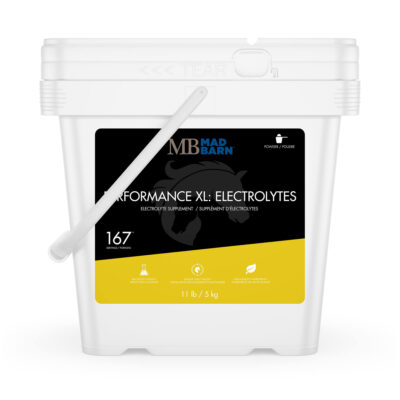
Mad Barn’s Performance XL: Electrolytes is formulated to replace key minerals lost in sweat, including sodium, chloride, potassium, calcium, and magnesium.
Management is also essential. Fresh water, shade, airflow, and reduced workload during peak heat help lower thermal stress. If a horse has reduced or absent sweating, the priority is to assess hydration, electrolyte intake, and the overall management program to support body temperature regulation.
Appetite Support
If a horse has a reduced appetite, the priority is to work with a veterinarian to identify the underlying cause. Poor appetite may be associated with heat stress, illness, gastric discomfort, dental disease, pain, transport, or other health issues.
If additional nutritional support is needed, the goal should be to correct gaps in the diet rather than rely on anecdotal remedies such as beer. Nutrients worth evaluating in a horse with poor appetite include the B-complex vitamins — thiamine, riboflavin, niacin, pantothenic acid, pyridoxine, biotin, folate, and vitamin B12 — as well as trace minerals such as zinc and copper.
For horses that need broader nutritional support, Mad Barn’s Omneity Pellets provide complete B-vitamin fortification along with comprehensive vitamin and mineral supplementation to help address common gaps in forage-based diets.
Digestive Health
If the goal is to provide your horse with digestive support, it’s better to use a product formulated for gut health than to rely on fermented beverages like beer. Horses rely on consistent forage intake and a stable hindgut microbiome to support normal fiber fermentation and digestive function. [34]
If the horse needs hindgut support, Mad Barn’s Optimum Digestive Health is the more appropriate choice. It is formulated with probiotics, prebiotics, yeast, enzymes, and toxin binders to support hindgut microbial balance, digestive function, and nutrient utilization.
If the horse also needs stomach support, Visceral+ is the more appropriate option. It is formulated to maintain normal gastric and hindgut function and is better suited to horses under digestive stress, including horses in training, travel, or competition.
Summary
Beer is sometimes offered to horses for traditional reasons, but it is not a recommended part of the equine diet and does not provide a clear nutritional benefit.
- Beer contains alcohol, residual sugars, carbonation, and other brewing compounds that have not been well studied in horses
- A small amount is unlikely to cause immediate harm in a healthy adult horse, but larger intakes may affect the nervous system, hydration status, and digestive function
- Traditional uses of beer for sweating, appetite, or digestion are based largely on anecdotal experience rather than strong scientific evidence
- Horses can metabolize alcohol, but its physiologic effects in this species have not been well characterized
- Beer is a variable product and is not formulated to support hindgut health, hydration, or overall nutritional balance
- If support is needed for sweating, appetite, or digestive health, targeted feeding and management strategies are more appropriate than beer
Frequently Asked Questions
Here are some frequently asked questions about giving beer to horses:
Horses can consume small amounts of beer without immediate harm in many cases. However, beer is not a typical part of the equine diet, and its effects have not been well studied. Because it contains alcohol and fermentation byproducts, beer is not commonly included in feeding programs designed for horses.
Beer is sometimes used for horses with anhidrosis, but there is no consistent evidence that it improves sweating. Management of this condition typically focuses on cooling strategies, hydration, and maintaining proper electrolyte balance.
Hops are sometimes believed to stimulate sweating in horses, but this effect has not been demonstrated in controlled studies. While hops contain biologically active compounds, there is limited evidence linking them to thermoregulation or sweat production.
Some horse owners offer beer based on tradition and long-standing barn practices. It is often associated with beliefs about appetite, hydration, digestion, or sweating, particularly in certain regions or working horse environments. These uses are primarily based on anecdotal observations rather than controlled research.
Horses are capable of metabolizing alcohol through liver enzymes, and some research suggests they may process it more efficiently than humans. However, this does not necessarily mean alcohol has a beneficial role, as its effects on behavior and physiology in horses are not well-characterized.
Non-alcoholic beer removes ethanol but still contains sugars, yeast byproducts, and other compounds. It has not been shown to provide specific benefits for horses and is not commonly used in equine nutrition compared to targeted feeding strategies.
Beer is sometimes offered to encourage appetite, and some horses may be attracted to its taste or smell. However, there is limited evidence that it provides consistent or meaningful appetite support. Reduced appetite is often linked to underlying issues that should be addressed directly with guidance from a veterinarian.
Beer is occasionally considered for hydrating horses, but it does not supply electrolytes in appropriate amounts. In addition, alcohol can influence fluid balance. Horses are better supported by access to clean water and adequate electrolyte intake.
Beer contains fermentation byproducts such as yeast and residual sugars, but it is not a reliable source of beneficial microbes for the equine hindgut. Digestive health is more effectively supported through consistent forage intake and feeding practices designed for horses.
Dark beer is sometimes mentioned anecdotally, but no type of beer has been shown to offer specific advantages for horses. Differences in color or composition do not translate into meaningful nutritional or therapeutic benefits.
There is no evidence that beer prevents or treats colic in horses. Signs of colic should always be treated as medically urgent. Seek immediate veterinary attention if your horse has any signs of abdominal discomfort.
Veterinary guidance is recommended if a horse consumes a large amount of beer or shows unusual behaviour, incoordination, or digestive upset. Small accidental exposures are often low risk, but the horse should still be monitored.
Summary
Beer is sometimes offered to horses as a traditional remedy for anhidrosis, heat intolerance, or poor appetite, but it is not a recommended part of the equine diet and does not provide a clear nutritional benefit.
- Beer contains alcohol, residual sugars, carbonation, and other brewing compounds that have not been well studied in horses
- A small amount is unlikely to cause immediate harm in a healthy adult horse, but larger intakes may affect the nervous system, hydration status, and digestive function
- Traditional uses of beer for sweating, dehydration, appetite, or digestion are based largely on anecdotal experience rather than strong scientific evidence
- Horses can metabolize alcohol, but its physiologic effects in this species have not been well characterized
- Beer is a variable product and is not formulated to support hindgut health, hydration, or overall nutritional balance
- If support is needed for sweating, appetite, or digestive health, targeted feeding and management strategies are more appropriate than beer
References
- Palmetto Carriage Works. Protecting our Horses in the Hot Charleston Summer. Palmetto Carriage Works.
- Palmetto Carriage Works. Give That Horse A Beer. Palmetto Carriage Works.
- Thunes. C. A Beer for Our Horses. The Horse. 2017.
- Thunes. C. Anhidrosis in Horses. The Horse. 2021.
- Brányik. T. et al. A Review of Methods of Low Alcohol and Alcohol-Free Beer Production. Trends in Food Science & Technology. 2012.
- Canadian Food Inspection Agency. Labelling Requirements for Alcoholic Beverages. Government of Canada. Accessed 2026.
- Kaplan. N. M. et al. Nutritional and Health Benefits of Beer. The American Journal of the Medical Sciences. 2000.
- Bamforth. C. W. Nutritional Aspects of Beer—a Review. Nutrition Research. 2002.
- Bamforth. C. W. Beer: Health and Nutrition. John Wiley & Sons. 2008.
- Bernhard. S. A. et al. Mechanistic Studies on Equine Liver Alcohol Dehydrogenase. I. Stoichiometry Relation of the Coenzyme Binding Sites to the Catalytic Sites Active in the Reduction of Aromatic Aldehydes in the Transient State. Biochemistry. 1970.
- Zakhari. S. Overview: How Is Alcohol Metabolized by the Body?. Alcohol Research & Health. 2006.
- Lester. D. and Keokosky. W. Z. Alcohol Metabolism in the Horse. Life Sciences. 1967. View Summary
- Livesey. L. C. et al. Use of a Carbonated Beverage to Disintegrate a Phytobezoar Obstructing the Intrathoracic Portion of the Oesophagus of a Horse. Equine Veterinary Education. 2020.
- Hagedoorn. S. et al. The Use of Cola for the Treatment of Gastric Impactions in Horses. Equine Veterinary Education. 2021.
- Grimm. P. et al. Effect of Yeast Supplementation on Hindgut Microbiota and Digestibility of Horses Subjected to an Abrupt Change of Hays. Livestock Science. 2016.
- Harlow. B. E. et al. Inhibition of Fructan‐fermenting Equine Faecal Bacteria and Streptococcus Bovis by Hops (Humulus Lupulus L.) Β‐acid. Journal of Applied Microbiology. 2014. View Summary
- Johnson. E. B. et al. An Epidemiologic Study of Anhidrosis in Horses in Florida. JAVMA. 2010. View Summary
- Hubert. J. D. et al. Equine Anhidrosis. Veterinary Clinics: Equine Practice. 2002. View Summary
- Osorio-Paz. I. et al. Beer and Its Non-Alcoholic Compounds in Health and Disease. Critical Reviews in Food Science and Nutrition. Taylor & Francis. 2020.
- Carbone. K. and Gervasi. F. An Updated Review of the Genus Humulus: A Valuable Source of Bioactive Compounds for Health and Disease Prevention. Plants. 2022.
- Munroe. G. Anhidrosis in Horses (Equis). Vetlexicon.
- Hinchcliff. K. W. et al. Equine Sports Medicine and Surgery. Saunders. 2014.
- Lindinger. M. I. Oral Electrolyte and Water Supplementation in Horses. Veterinary Sciences. 2022. View Summary
- Benkherouf. A. Y. et al. Humulone Modulation of GABAA Receptors and Its Role in Hops Sleep-Promoting Activity. Frontiers in Neuroscience. 2020.
- Franco. L. et al. The Sedative Effects of Hops (Humulus Lupulus), a Component of Beer, on the Activity/Rest Rhythm. Acta Physiologica Hungarica. 2012.
- Ross. D. J. and Roberts. J. L. Equine Calming Products: A Short Survey Into Their Use, Effect, and Knowledge Using a Small Sample of Horse Owners in the North of Scotland, UK. Journal of Equine Veterinary Science. 2018.
- Ralston. S. L. Evidence-Based Equine Nutrition. Veterinary Clinics of North America: Equine Practice. 2007. View Summary
- Kwok. A. et al. Effect of Alcohol Consumption on Food Energy Intake: A Systematic Review and Meta-Analysis. British Journal of Nutrition. 2019.
- Dose-Dependent Effects of Alcohol on Appetite and Food Intake. Physiology and Behavior. 2004.
- Dicks. L. M. T. et al. The Equine Gastro-Intestinal Tract: An Overview of the Microbiota, Disease and Treatment. Livestock Science. 2014.
- Geor. R. How Horses Digest Feed. AAEP. 2002.
- Zugravu. C.-A. et al. Antioxidants in Hops: Bioavailability, Health Effects and Perspectives for New Products. Antioxidants. 2022.
- Lindinger. M. I. Oral Electrolyte Supplementation and Prevention of Dehydration in Horses. UK-Vet Equine. 2024.
- Ermers. C. et al. The Fibre Requirements of Horses and the Consequences and Causes of Failure to Meet Them. Animals. 2023. View Summary