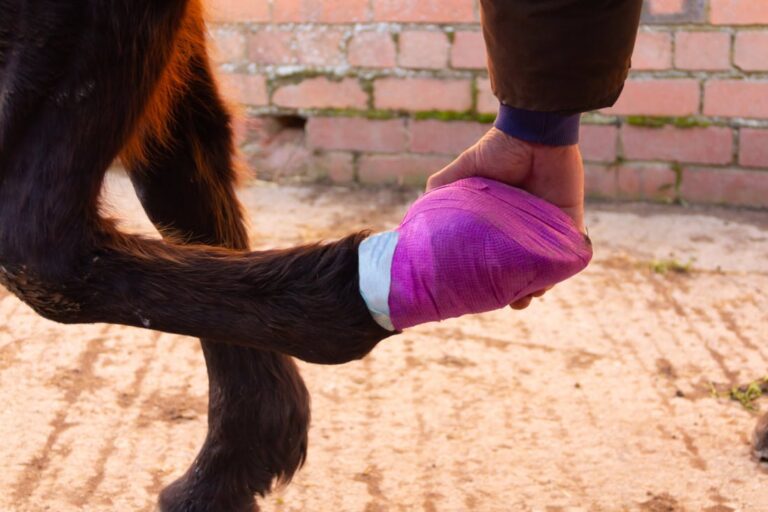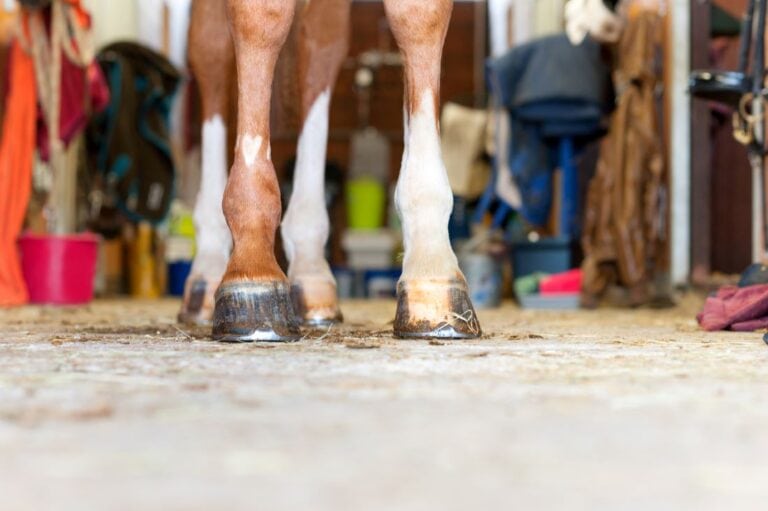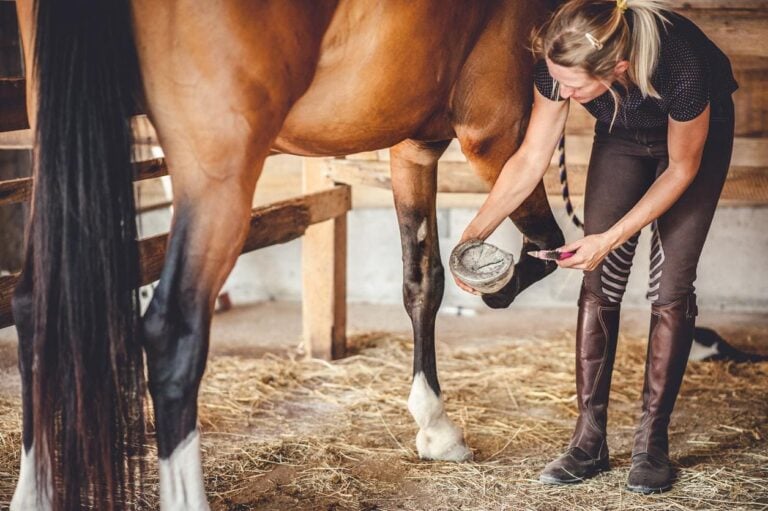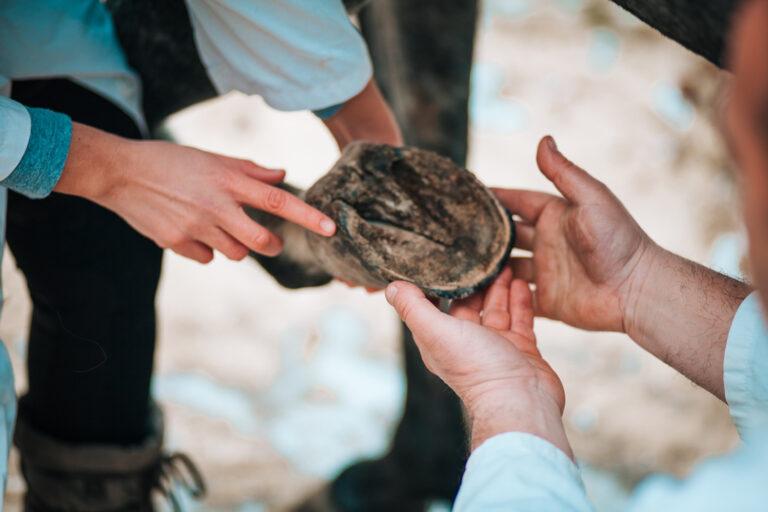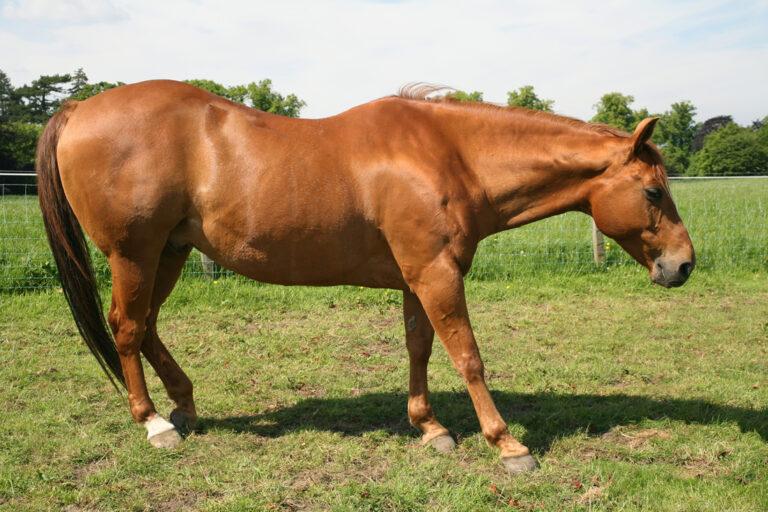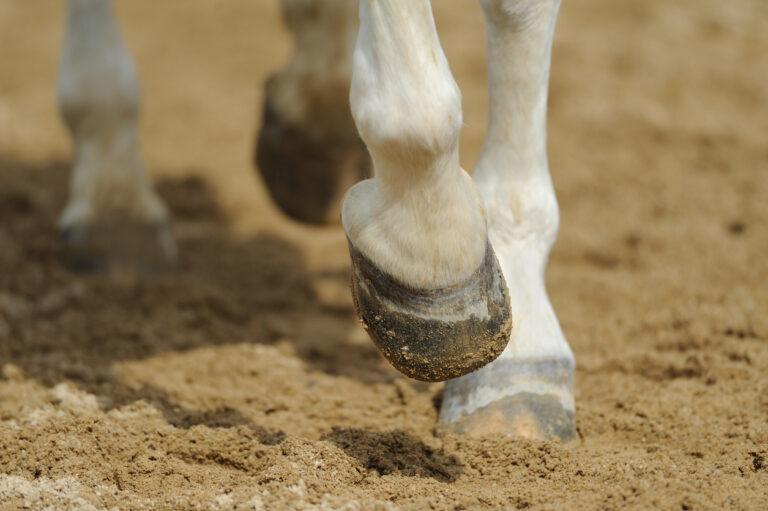
Ergots are small, hardened skin growths found on the lower legs of horses. They are easily overlooked due to their position beneath the fetlock where they are usually concealed by surrounding hair. Though commonly mistaken as minor or insignificant, ergots...
Hoof Health
The coffin bone, also known as the distal phalanx or P3, sits at the very tip of the horse's limb, completely encased by the hard hoof wall. Its unique shape provides the foundation for weight-bearing and shock absorption with every...
Hoof capsule avulsion, or hoof degloving, is a traumatic injury that can severely impact a horse’s ability to move and function normally. The hoof plays a vital role in supporting the horse's weight, absorbing shock, and maintaining balance, which is...
Emerging equine research is the cornerstone of expanding our understanding of equine health, nutrition, management, and performance. This growing body of research provides valuable insights for veterinarians, equine professionals, and researchers seeking to apply evidence-based approaches in both clinical and...
Supporting Limb Laminitis (SLL) is a serious condition that develops when a horse places excessive weight on one limb due to an injury or other issue in the opposite leg. Prolonged compensatory weight bearing disrupts blood flow within the hoof,...
Hoof poultices are valuable tools in equine health, particularly when managing conditions such as hoof abscesses, bruises, and other hoof-related ailments. Although scientific research directly supporting their efficacy is limited, decades of equestrian experience and anecdotal evidence underscore their practical...
Foot lameness is a prevalent issue in horses, often leading to performance limitations and decreased quality of life. Understanding the anatomy of a horse's foot, recognizing the signs of lameness, and being aware of common causes are crucial for effective...
Horse's hooves are fundamental to their health, mobility, and overall performance. Whether you're a seasoned equestrian, veterinarian, or just a simple horse lover, understanding the intricate anatomy of the hoof is crucial for maintaining the wellbeing of your equine companion....
Hoof health is a key consideration for any horse. As the saying goes, "no, hoof, no horse". In the rich and stylized idiom of the horseman, a horse may have good hooves, or it may have shelly feet. In this...
Pedal osteitis in horses is a condition characterized by inflammation and damage to the pedal (coffin) bone within the hoof. Affected horses can experience pain and lameness, which may be worse after exercise or hoof trimming. Pedal osteitis typically develops...
Sidebone in horses is a common condition that affects the collateral cartilages of the hoof. It occurs when the normally flexible cartilage plates in the horse's hoof gradually become hardened and calcified into bone. According to research, an estimated 80%...
Canker in horses, also called equine proliferative pododermatitis is a condition that causes rapid proliferation of keratin, the main component of the hoof wall and sole. The proliferation forms long fronds of keratin, usually around the frog of the hoof.
Keratomas in horses are abnormal growths or benign tumors that develop within the hoof capsule, potentially resulting in lameness and discomfort. These non-cancerous masses comprise overgrowths of keratin, typically forming near the coronary band.
A hoof or sole bruise is a common injury in horses, occurring when there is trauma to the sensitive tissues within the hoof. This trauma leads to localized bleeding and subsequent bruising. Hoof bruises can cause mild to severe discomfort...
Does my horse need shoes? This is a question frequently asked by horse owners, and the answer varies depending on several factors. Horses wear shoes for various reasons, including providing protection and traction, supporting hoof structure, and improving performance. Some...
Corrective shoeing is a common way to address or reduce the effects of many hoof issues. From navicular syndrome to laminitis to tendon and ligament injuries, appropriate corrective shoeing done by a qualified farrier can reduce pain and increase the...
Horses are prone to hoof cracks for various reasons. Cracks can lead to the hoof chipping away in certain areas. Cracks can be a cosmetic problem that can be easily corrected, but sometimes, they indicate something more serious is happening within...
A strong hoof is the foundation of a sound horse. When it comes to proper hoof care, it's all about balance. All horses need regular farrier care, and working with an experienced farrier is one of the best investments you...
Thrush describes an infection that develops in the frog of one or more of the horse's hooves, caused by a fungal or bacterial pathogen. Fusobacterium necrophorum is the bacterium most often associated with thrush infections. Hooves with frogs that have...
Acute laminitis refers to the first few days of a laminitis episode during which clinical signs are observed. Laminitis is a painful condition that causes damage to the hoof laminae, which anchor the coffin bone to the hoof wall.
If your horse is showing signs of acute laminitis, they require emergency veterinary attention and prompt treatment. Laminitis affects the soft structures of the equine hoof, known as the laminae, and can cause significant pain and lameness.
One in ten horses is affected by laminitis each year. This painful condition involves inflammation of the hoof laminae, leading to varying degrees of lameness. Although laminitis affects the hooves, the condition is often initiated by dietary and metabolic factors.
Winter laminitis is a circulatory condition that causes sore hooves in horses exposed to cold temperatures. Horses affected by winter laminitis have impaired circulation within their hooves, leading to pain and inflammation in the laminae.
Hot hooves, a sawhorse stance, severe lameness; these are all signs of laminitis - one of the most dreaded equine conditions for good reason. In severe instances, laminitis can lead to euthanasia of the horse. Laminitis occurs when there is...
Keeping horses barefoot is gaining in popularity because of the benefits in hoof health and movement it can provide some horses. Barefoot hoof trimming is designed to maximize the biomechanical efficiency of hoof function. It is favoured among horse owners...
Equine hoof problems are a major source of concern for horse owners. Hoof issues can lead to lameness and unsoundness, causing discomfort for the horse and potentially leading to early retirement. In one study, 85% of horses were observed to...
Painful hoof abscesses in horses develop when bacterial and fungal organisms enter the hoof structure through a wound or opening and cause infection in the inner tissues. The invading microorganisms and the ensuing immune response generate purulent exudate (pus) which...
Founder is a common cause of lameness in horses. It involves damage to the laminar connection between the hoof wall and the coffin bone. This often leads to rotation and/or sinking of the coffin bone which causes severe pain and...
Podotrochlear Syndrome (also referred to as navicular syndrome or navicular disease) affects the podotrochlear apparatus (PTA) of the equine foot and typically occurs in the forelimbs. The condition can cause a variable degree of lameness. There is no single cause...
While line disease is a hoof condition that can lead to pain and lameness. This condition affects the equine hoof wall in one or more hooves at a time. White line disease originates as a separation between adjacent layers in...