Analyze Diet

A

B

C

D

E

F

G

H

I

J

K

L

M

N

O

P

Q

R

S

T

U

V

W

Z


skin-allergies-in-horses
Skin Allergies in Horses: Common Types, Diagnosis & Management Dr. Madison Ricard, DVM, PhD, DACVP | February 3, 2026 | Conditions, Horse Health

Skin allergies are a common yet often misunderstood condition in horses, affecting equine comfort, performance, and overall well being. From itchy rashes to persistent dermatitis, these reactions can arise due to environmental factors, insect bites, or other triggers. For horse...

colitis-in-horses
Colitis in Horses: Symptoms, Causes & Treatment Sara Rice, MSc. | February 3, 2026 | Conditions, Gut Health, Horse Health

Colitis in horses is a serious inflammatory condition affecting the colon, leading to symptoms such as diarrhea, dehydration, and abdominal discomfort. Colitis is a general term that describes inflammation in the colon. In horses, there are a number of conditions...

caudal-heel-pain-in-horses
Caudal Heel Pain in Horses: Navicular Syndrome & Other Types of Heel Lameness Dr. Jennifer Skaggs, DVM | March 13, 2026 | Conditions, Horse Health

Caudal heel pain is one of the most common causes of lameness in horses. This complex condition affects the structures within the horse's heel region, including the navicular bone, its associated ligaments, and the surrounding soft tissue. Its impact on...

contagious-colitis-in-horses
Infectious or Contagious Colitis in Horses: Symptoms, Diagnosis & Treatment Sara Rice, MSc. | January 28, 2026 | Conditions, Horse Health

Contagious colitis in horses, also referred to as infectious colitis, is a serious gastrointestinal condition caused by infectious agents (pathogens) such as bacteria, viruses, or parasites. This highly transmissible disease can spread rapidly, especially in environments where horses are in...

trigeminal-mediated-equine-headshaking
Trigeminal Mediated Headshaking Syndrome in Horses: Causes, Diagnosis & Treatment Dr. Madison Ricard, DVM, PhD, DACVP | February 3, 2026 | Behavior, Conditions

Headshaking is a concerning behavior in horses. This condition can be triggered by disorders or injury of the head or neck, harsh riding techniques, and a number of other causes. Headshaking is considered a normal behavior if it only occurs...

food-allergies-in-horses
Food Allergies in Horses: Symptoms, Diagnosis & Management Lucia K Ryan, MA. | February 19, 2026 | Conditions, Horse Health

Food allergies in horses are a complex, poorly understood, and often overlooked issue, posing significant challenges for horse owners and veterinarians alike. Unlike food intolerances, which involve non-immune mediated reactions, food allergies trigger an immune response that can result in...

frostbite-and-hypothermia-in-horses
Preventing Frostbite & Hypothermia in Horses: Winter Care Tips & Warning Signs Camryn McNeill, B.B.R.M. | February 19, 2026 | Care & Management, Conditions, Horse Health

Hypothermia and frostbite are serious cold-weather conditions that can affect horses exposed to extreme low temperatures, especially when combined with wind and moisture. Although horses are naturally equipped to withstand cold weather, prolonged exposure to temperatures below their thermoneutral zone...

genetic-diseases-in-friesian-horses
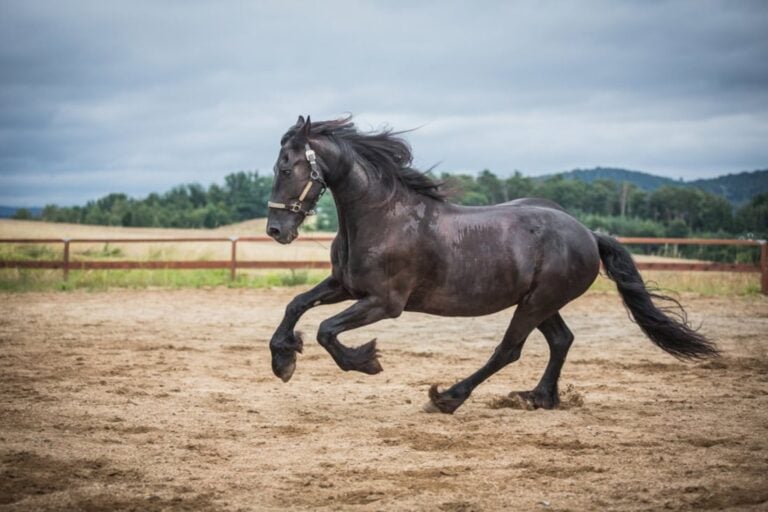
Genetic Diseases in Friesian Horses: Dwarfism, Hydrocephalus, Distichiasis & Other Conditions Sara Rice, MSc. | March 4, 2026 | Breeds, Conditions

Originating from Friesland in the Netherlands, Friesian horses have a rich lineage that has been tracked for about 150 years through the Royal Friesian Horse Studbook. Known for their striking black coats, feathered fetlocks, and balanced physique, Friesians are valued...

colic-in-horses
Colic in Horses: Treatment, Management & Prevention [Guide] Dr. Jennifer Skaggs, DVM | February 3, 2026 | Conditions, Gut Health, Horse Health, Symptoms

Colic in horses is one of the most common and serious health conditions affecting equines, and it can strike suddenly, regardless of age, breed, or discipline. Colic refers to abdominal pain, which can arise from a variety of causes, ranging...

equine-gastrointestinal-catastrophes
Top 6 Gastrointestinal Conditions in Horses: Colic & Other Digestive Disorders Dr. Jennifer Skaggs, DVM | February 3, 2026 | Conditions, Gut Health, Horse Health

Understanding gastrointestinal catastrophes in horses is essential for every horse owner. From intussusception to strangulating lipomas, these life-threatening conditions can lead to sudden, severe colic symptoms that require immediate veterinary intervention. This guide provides an in-depth look at six critical...

twisted-gut-in-horses
Twisted Gut (Intestinal Torsion) in Horses: Causes, Risk Factors & Prevention Dr. Madison Ricard, DVM, PhD, DACVP | February 3, 2026 | Conditions, Gut Health, Horse Health

The equine digestive system is a series of long, flexible structures that can become twisted, leading to serious belly problems and colic. Since these structures are loosely suspended within the horse's large abdomen the digestive tract can twist or knot,...

gas-colic-in-horses
Gas Colic in Horses: Causes, Symptoms & Treatment Dr. Jennifer Skaggs, DVM | February 19, 2026 | Conditions, Gut Health, Horse Health

Gas colic, also known as tympany or flatulent colic, is a prevalent gastrointestinal disorder in horses characterized by the excessive accumulation of gas in the intestines. This condition can lead to significant abdominal discomfort and distress, posing a serious health...

osselets-in-horses
Osselets (Fetlock Arthritis) in Horses: Causes, Risk Factors & Treatment Camryn McNeill, B.B.R.M. | February 19, 2026 | Conditions, Horse Health

Osselets are a form of arthritis that affects the fetlock joint, commonly seen in young, active horses engaged in high-performance activities such as racing and jumping. This condition develops as a result of repetitive, high-impact stress on the joint, leading...

horse-hoof-anatomy
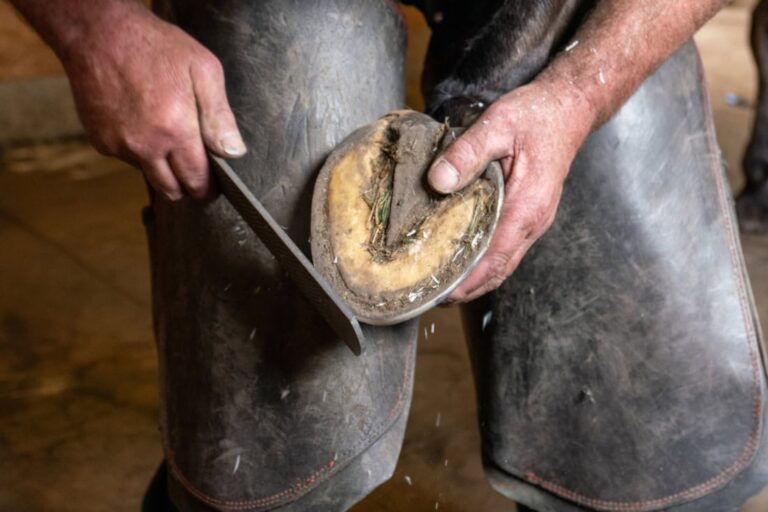
Horse Hoof Anatomy: Structure, Function & Common Conditions (with Diagrams) Dr. Jennifer Skaggs, DVM | February 3, 2026 | Conditions, Hoof Health, Horse Health

Horse's hooves are fundamental to their health, mobility, and overall performance. Whether you're a seasoned equestrian, veterinarian, or just a simple horse lover, understanding the intricate anatomy of the hoof is crucial for maintaining the wellbeing of your equine companion....

lungworm in horses
Lungworm in Horses & Donkeys: Symptoms, Diagnosis & Treatment Dr. Jennifer Skaggs, DVM | February 3, 2026 | Conditions, Horse Health

The lungworm, Dictyocaulus arnfieldi, is a parasite that affects equines all over the world. It has been found in the lungs of horses, donkeys, and zebras. However, donkeys, as well as burros and mules, are the primary host for this...

heart-disease-in-horses
Heart Disease in Horses: Diagnosis, Treatment & Management Lucia K Ryan, MA. | February 3, 2026 | Conditions, Horse Health

Heart disease in horses, as in humans, encompasses a broad range of conditions that affect the heart's structure, function, or electrical activity, potentially compromising the horse’s health and performance. The heart is responsible for pumping oxygen-rich blood throughout the body,...

lung-health-in-horses
Respiratory Diseases in Horses: Conditions, Symptoms & Diagnosis Casie Bazay, BS, NBCAAM | February 11, 2026 | Conditions, Horse Health

Equine lung health may not be something many people think about until their horse is affected by a respiratory condition. However, awareness of common respiratory problems that can affect horses, as well how to prevent these types of illness, is...

shelly-feet-in-horses
Shelly Feet in Horses: Causes, Treatment & Prevention Dr. Christine Latham, Ph.D. | February 5, 2026 | Conditions, Hoof Health, Horse Health

Hoof health is a key consideration for any horse. As the saying goes, "no, hoof, no horse". In the rich and stylized idiom of the horseman, a horse may have good hooves, or it may have shelly feet. In this...

ascarids-in-horses
Ascarids in Horses: Transmission, Risk Factors & Prevention Camryn McNeill, B.B.R.M. | February 5, 2026 | Conditions, Horse Health

Ascarids (Parascaris equorum) are significant parasitic threats to equine health, particularly in young horses. These large, robust roundworms can grow up to 15 inches long and are most commonly found in foals and yearlings, whose developing immune systems make them...

horse-injuries-western-disciplines
9 Most Common Sports Injuries in Western Performance Horses: Risk Factors, Treatment & Prevention Dr. Jennifer Skaggs, DVM | March 4, 2026 | Conditions, Horse Health

From the cow sense needed for roping and cutting, to the sheer thrill of barrel racing, to the controlled athleticism of reining, the Western performance horse is skillful and sure-footed on the ranch and in the ring. In addition, these...

NSAIDs poisoning in horses
Non-Steroidal Anti-Inflammatory Drugs (NSAIDs) Toxicosis in Horses: Long-Term Complications Dr. Jennifer Skaggs, DVM | February 3, 2026 | Conditions, Horse Health, Medications, Toxicity

Non-steroidal anti-inflammatory drugs (NSAIDs) are a type of medication used to reduce inflammation and treat pain in horses. In equine medicine, NSAIDs are commonly used in supportive care for a wide range of symptoms and conditions such as colic, pain,...

mesenteric-rents-in-horses
Mesenteric & Omental Rents in Horses: Causes, Risk Factors & Treatment Dr. Madison Ricard, DVM, PhD, DACVP | February 3, 2026 | Conditions, Horse Health

Mesenteric and omental rents are rare but potentially serious conditions that can affect horses. These rents are tears or openings in the mesentery or omentum, two structures within the abdomen. While these tears often go unnoticed, they can lead to...

fat-pads-in-horses
Fat Pads (Regional Adiposity) in Horses: Risk Factors, Causes & Treatment Dr. Eleanor Kellon, VMD | March 4, 2026 | Care & Management, Conditions, Horse Health

Fat pads, also known as regional adiposity, have become an increasingly common problem in horses today. They can be described as areas of fatty tissue that develops in certain anatomical locations on the horse’s body. Two common places for fat...

sepsis-and-toxic-shock-in-horses
Sepsis & Toxic Shock in Horses: Pathophysiology, Causes & Prognosis Dr. Madison Ricard, DVM, PhD, DACVP | February 3, 2026 | Conditions, Horse Health

Sepsis is a severe and rapidly life-threatening condition that develops in response to an infection of the horse’s bloodstream, triggering a widespread inflammatory response that affects multiple organs. Any infection has the potential to cause sepsis if left untreated. Signs...

internal-entrapments-in-horses
Internal Entrapments in Horses: Types, Risk Factors & Prognosis Dr. Madison Ricard, DVM, PhD, DACVP | February 3, 2026 | Conditions, Horse Health

Internal entrapments in horses involve the trapping of a segment of the small intestine within other structures in the abdomen. This can lead to serious complications, including blockage of food, gas, and fluids, and in severe cases, disruption of blood...

equine-joint-anatomy-and-disease
Equine Joint Anatomy & Common Conditions – [Complete Guide] Dr. Madison Ricard, DVM, PhD, DACVP | January 28, 2026 | Conditions, Horse Health, Joint Health

The horse’s skeletal system is made up of more than 200 bones that all connect with the help of connective tissue—tendons, ligaments, and cartilage. In each location where two or more bones meet, this is known as a joint. Joints...

english-sport-horse-injuries
11 Most Common Injuries in English Sport Horses: Risk Factors, Treatment & Prevention Dr. Madison Ricard, DVM, PhD, DACVP | March 4, 2026 | Conditions

English performance riding has roots in European equestrian traditions linked to military horsemanship and hunting on horseback. These traditions relied on the horse’s agility, disposition and responsiveness – the traits at the heart of modern English equestrian sport disciplines. From...

displacement-colics-in-horses
Displacement Colics in Horses: Anatomy, Risk Factors & Treatment Dr. Madison Ricard, DVM, PhD, DACVP | February 3, 2026 | Conditions, Gut Health, Horse Health

Displacement colics are a serious concern for horses, involving the abnormal positioning of the intestines within the hindgut. These conditions, including right dorsal displacement, left dorsal displacement, and large colon volvulus, can lead to blockages that disrupt the normal flow...

enteritis-in-horses
Enteritis & Inflammatory Bowel Disease in Horses: Risk Factors, Treatment & Prevention Dr. Christine Latham, Ph.D. | February 5, 2026 | Conditions, Horse Health

Enteritis is a serious condition in horses, characterized by inflammation of the intestinal tract, which can disrupt the digestive system and lead to symptoms such as diarrhea, colic, and weight loss. This condition can affect horses of all ages, though...

migrating-grass-awns-in-horses
Migrating Grass Awns (Foxtails) in Horses: Symptoms, Treatment & Prevention Dr. Jennifer Skaggs, DVM | January 28, 2026 | Conditions, Horse Health

Migrating grass awns, commonly referred to as foxtails, pose a significant health risk to horses. These sharp, barbed seeds can become embedded in a horse's ear, mouth, nose, or skin. Once they have entered the animal's tissue, they can migrate...