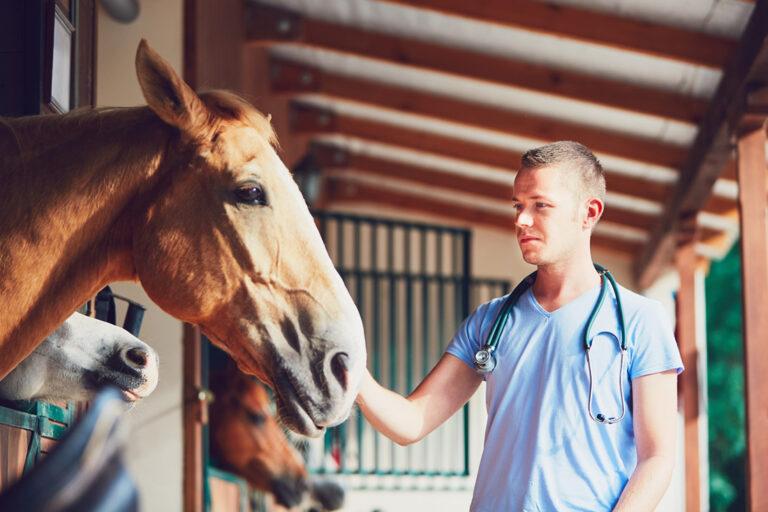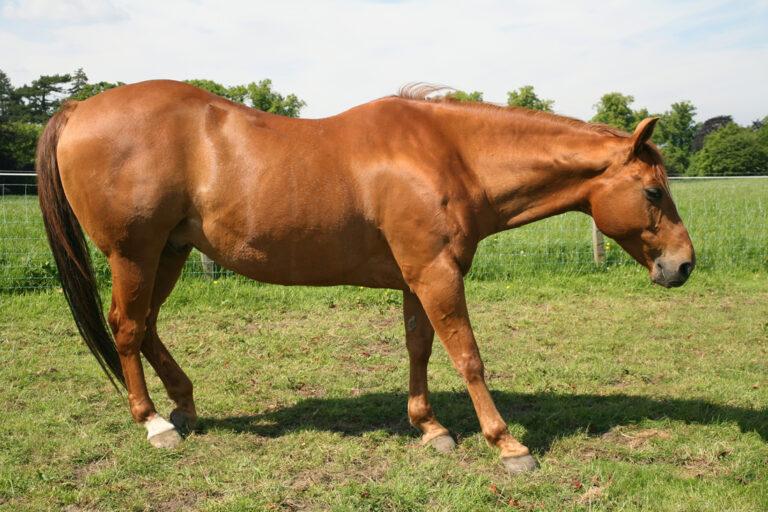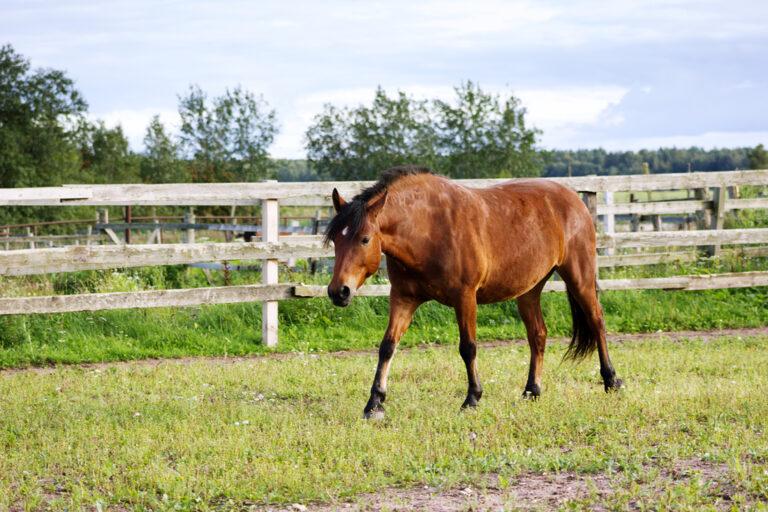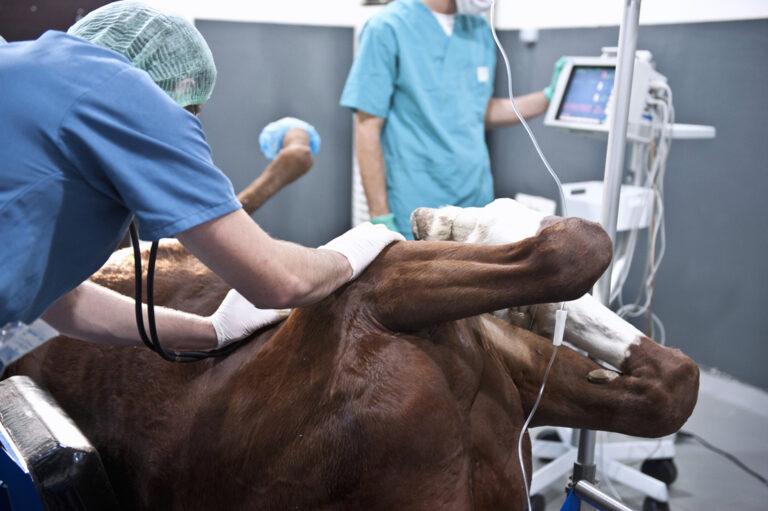
Surgical intervention is, unfortunately, necessary for many horses that experience colic, with 4 - 10% of colic cases requiring surgery. The term colic refers to abdominal pain of any cause.
Omneity® Pellets
All-In-One Vitamin & Mineral Pellet
Explore Mad Barn’s comprehensive list of common equine health conditions, detailing each condition’s causes, symptoms, treatment options, prevention methods, and prognosis.
Surgical intervention is, unfortunately, necessary for many horses that experience colic, with 4 - 10% of colic cases requiring surgery. The term colic refers to abdominal pain of any cause.
Equine anemia is a condition that significantly impacts the health and performance of horses. It is a reduced number of red blood cells in circulation. Horses with anemia typically experience low energy levels, elevated heart rate, poor coat quality, depression...
A medical condition necessitating urgent attention, equine choke refers to obstruction of the esophagus. The condition most frequently occurs due to rapid feed consumption and the subsequent lodging of feed or other matter in the esophagus.
Equine anhidrosis is a performance-limiting condition that refers to the reduced ability to sweat in horses. The condition most frequently affects horses living in hot and humid climates. Anhidrosis occurs because the sweat glands fail to function normally when body...
Rain scald is a relatively common skin infection caused by the bacteria Dermatophilus congolensis. The infection often affects the skin on the back and rump of horses. Rain scald can develop when skin is exposed to excessive moisture which weakens...
Sweet Itch is a common skin condition in horses that is caused by an allergic reaction to insect bites. It is also known by the names Queensland itch, summer dermatitis, insect-bite hypersensitivity, summer eczema, recurrent seasonal pruritus, and equine Culicoides...
Pasture-associated laminitis (PAL) is a form of insulin-induced laminitis that can occur after horses have grazed on grasses and legumes that are high in hydrolyzable carbohydrates (HC). This condition causes pain and stretching and weakening of the laminae of the...
One in ten horses is affected by laminitis each year. This painful condition involves inflammation of the hoof laminae, leading to varying degrees of lameness. Although laminitis affects the hooves, the condition is often initiated by dietary and metabolic factors.
Sucralfate is an FDA-approved drug for use in humans that is used off-label for the treatment of equine gastric and hindgut ulcers. It is typically used in conjunction with omeprazole. Sucralfate (Carafate® Sulcrafate®) helps to protect the lining of the...
Equine pastern dermatitis - also known as mud fever or greasy heel - is a reaction or infection that occurs on the skin of the pastern. In mild forms, it is characterized by itchiness, redness and hair loss on the...
Nutritional Secondary Hyperparathyroidism (NSH) - also known as Big Head Disease - is an uncommon problem in horses that stems from a mineral imbalance. This skeletal condition develops due to a calcium deficiency or an imbalanced ratio of dietary calcium...
Gastric ulcers are lesions in the horse's stomach that can cause pain, recurrent colic, poor exercise tolerance, weight loss and behavioural changes in your horse. Ulcers in the squamous (upper) region of the stomach form when gastric acids come into...
Bartonella is a type of bacteria that can infect humans as well as other mammals, including horses and donkeys. The resulting infection, known as bartonellosis, has been documented in many regions throughout the world.
Kissing spine is a skeletal abnormality in horses in which bony growths on the vertebrae of the spine touch or "kiss". These bony outgrowths are called dorsal spinous processes.
Winter laminitis is a circulatory condition that causes sore hooves in horses exposed to cold temperatures. Horses affected by winter laminitis have impaired circulation within their hooves, leading to pain and inflammation in the laminae.
Equine Protozoal Myeloencephalitis (EPM) is an infectious disease of the horse’s central nervous system. It is one of the most difficult diseases for veterinarians to diagnose because it often mimics other conditions and has a wide range of symptoms that...

Veterinarians report that they are treating more horses for hyperlipidemia, potentially as a result of modern sedentary lifestyles and the feeding of high-carbohydrate diets. This life-threatening condition commonly occurs in ponies, miniature horses, and donkeys with insulin resistance.
Physitis is the most common developmental disease that affects the bones of growing horses. This condition involves swelling around the growth plates (physes) of long bones in a young horse’s legs. It can lead to pain, stiffness in the joints,...
Osteochondritis Dissecans (OCD) is a common developmental disease involving the joints and cartilage of horses. OCD typically develops during the first year of life and can lead to ongoing joint health issues. It is the leading cause of lameness and...
Equine metabolic syndrome (EMS) is a condition that affects how horses metabolize sugars from the diet and use them for energy. It involves an inability to properly respond to the hormone insulin, similar to Type 2 diabetes in humans.
Hot hooves, a sawhorse stance, severe lameness; these are all signs of laminitis - one of the most dreaded equine conditions for good reason. In severe instances, laminitis can lead to euthanasia of the horse. Laminitis occurs when there is...
Pituitary Pars Intermedia Dysfunction (PPID) is an endocrine-related disease that commonly affects older horses of all breeds. Twenty percent of senior horses, ponies, and donkeys are believed to have PPID. The condition results in an overproduction of pituitary hormones, causing...
An overabundance of fat along the top of the neckline, otherwise known as cresty neck, is an indicator of metabolic problems in your horse. In fact, researchers believe this type of regional fat deposit (nuchal crest adiposity) is a strong...
A healthy equine gastrointestinal microbiome contains a diverse range of beneficial microbes that support digestion, immune function and nutrient synthesis. Because horses are hindgut fermenters, a healthy microbiome is essential for overall wellness. Dysbiosis is defined as a microbial population...
Arthritis is defined as inflammation in one or more joints, which leads to pain and stiffness. The condition is degenerative, meaning it cannot be reversed in most cases and tends to worsen over time. However, there are steps that horse...
What is the best way to support a horse affected by a ligament injury? Unfortunately, due to the nature of many equine disciplines, a horse’s ligaments are prone to injury. In fact, ligament sprains (along with tendon injuries) are the...
Degenerative Suspensory Ligament Desmitis (DSLD) is a chronic condition in horses that affects connective tissue, including the suspensory ligament and other ligaments and tendons. This painful condition commonly leads to debilitating lameness. In horses with DSLD, the suspensory ligament progressively...
Painful hoof abscesses in horses develop when bacterial and fungal organisms enter the hoof structure through a wound or opening and cause infection in the inner tissues. The invading microorganisms and the ensuing immune response generate purulent exudate (pus) which...
Founder is a common cause of lameness in horses. It involves damage to the laminar connection between the hoof wall and the coffin bone. This often leads to rotation and/or sinking of the coffin bone which causes severe pain and...
Leaky gut is a digestive issue is horses that occurs as a component of a broader gut health issue such as dysbiosis, inflammatory bowel disease, or gastric ulcers. It is said that 70% of the horse’s immune system resides in...
All-In-One Vitamin & Mineral Pellet
Advanced Gut Health Supplement
DHA-Enriched Fat Supplement
All-In-One Vitamin & Mineral Pellet
All-In-One Vitamin & Mineral Powder
Enhanced Vitamin & Mineral Pellet
Advanced Gut Health Supplement
Probiotic & Prebiotic Supplement
High-Potency 5-Strain Probiotic
All-In-One Vitamin & Mineral Pellet
Enhanced Vitamin & Mineral Pellet
Hoof, Skin & Coat Support
Extra-Strength Omega-3 Oil
Joint Health Supplement
DHA-Enriched Fat Supplement
All-In-One Vitamin & Mineral Pellet
Organic Trace Mineral Blend
Enhanced Vitamin & Mineral Pellet
Mood & Hormone Support
Metabolic Health Formula
Mood & Hormone Support
Muscles & Nerve Support
Advanced Gut Health Supplement
Respiratory & Performance Supplement
Essential Amino Acid Blend
Muscles & Nerve Support
Performance & Muscle Support
Respiratory & Performance Supplement
DHA-Enriched Fat Supplement
Immune & Respiratory Support