Analyze Diet
progresive-ethmoidal-hematomas-in-horses
Progressive Ethmoidal Hematomas (PEHs) in Horses: Causes, Treatments, & Surgical Complications Dr. Madison Ricard, DVM, PhD, DACVP | July 24, 2026

Progressive ethmoidal hematomas (PEHs) in horses are non-cancerous masses that develop from the ethmoidal labyrinth. This is a structure with a high concentration of blood vessels within the horse’s nasal [...]
Immune Mediated Myositis (IMM) and Nonexertional Rhabdomyolysis
Immune Mediated Myositis (IMM) in Horses: Causes, Symptoms & Treatment Dr. Madison Ricard, DVM, PhD, DACVP | July 24, 2026

Immune-mediated myositis (IMM) is a muscle disorder in horses where the immune system mistakenly attacks its own muscle fibers, resulting in severe muscle atrophy. IMM is one of the two disorders classified under Myosin Heavy Chain Myopathy (MYHM) in horses....

Oxalate Toxicity in Horses
Oxalate Toxicity in Horses: Causes, Signs, Prevention & Treatment Linaya Pot, MSc, PAS | July 23, 2026

Oxalates are naturally occurring compounds that bind calcium in the equine diet, preventing absorption of this mineral from the horse’s gut. When horses consume plants with high levels of these [...]

Overo Lethal White Syndrome in Horses
Overo Lethal White Syndrome (OLWS) in Horses: Causes, Signs & Genetic Testing Camryn McNeill, B.B.R.M. (Honours) | July 23, 2026

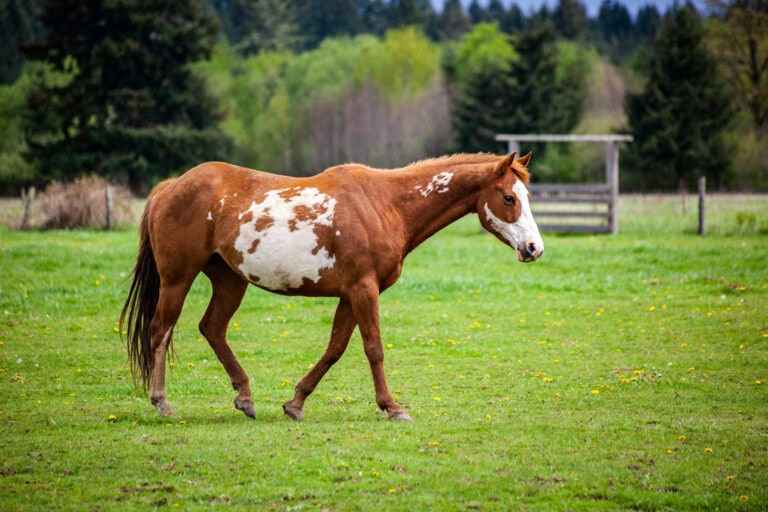
The overo pattern is one of three coat patterns in American Paint Horses (APHs) recognized by the American Paint Horse Association (APHA), along with Tobiano and Tovero. Among Overo variations, the frame overo subtype stands out for its distinctive markings....

Platelet-Rich Plasma for Horses
Platelet-Rich Plasma (PRP) in Horses: Uses, Benefits & Side Effects Dr. Madison Ricard, DVM, PhD, DACVP | July 23, 2026

Platelet-Rich Plasma (PRP) is a regenerative therapy used to treat horses with tendon and ligament injuries. PRP is a blood preparation where plasma, the water and protein component of blood containing no cells, is mixed with highly concentrated platelets and...

pemf in horses
PEMF (Pulsed Electro Magnetic Therapy) in Horses: Benefits, Uses & Research Dr. Madison Ricard, DVM, PhD, DACVP | July 23, 2026

Pulsed electromagnetic field (PEMF) therapy is a treatment modality for horses where a machine produces pulses of electromagnetic fields directed at a specific part of the body. Research suggests that PEMF can improve bone healing rates, regenerate and protect cartilage...

Summer Sores in Horses
Summer Sores (Habronema) in Horses: Causes, Treatment & Prevention Casie Bazay, BS, NBCAAM | July 23, 2026

Habronematidosis or habronemosis, more commonly known as summer sores, is a parasitic skin infection that can occur in horses. As the name implies, summer sores usually occur during the summer months.

Chiropractic Care for Horses
Chiropractic Care in Horses: Benefits of Joint Mobilization & Manipulation Dr. Madison Ricard, DVM, PhD, DACVP | August 20, 2026

Chiropractic care for horses is a form of manual therapy commonly used in veterinary treatment protocols for lameness. Chiropractic treatment focuses on joint mobilization and manipulation to reduce pain, improve symmetry, and increase range of motion.

Exertional Rhabdomyolysis in Horses
Exertional Rhabdomyolysis in Horses: Causes, Symptoms & Treatment Camryn McNeill, B.B.R.M. (Honours) | July 23, 2026

Exertional Rhabdomyolysis (ER), commonly known as tying-up or azoturia, is an exercise-induced condition in horses characterized by the excessive breakdown of muscle tissue. This results in muscle spasms, pain and impaired performance following bouts of exercise. [1] In severe cases,...

Leptospirosis in Horses
Leptospirosis in Horses: Symptoms, Diagnosis & Treatment Dr. Jenna Thebeau, DVM, MSc | July 23, 2026

Leptospirosis is a bacterial infection that is commonly spread to horses through direct contact with contaminated food and water sources. While there are many different species of the Leptospira bacteria, symptoms in horses are most commonly caused by Leptospira interrogans.

Sesamoiditis in Horses
Sesamoiditis in Horses: Causes, Symptoms and Treatment Dr. Madison Ricard, DVM, PhD, DACVP | July 23, 2026

Sesamoiditis in horses refers to pain and injury around the sesamoid bones, pairs of small triangular bones found at the back of the fetlock. Inflammation in this area can cause pain and changes to the bony structure of the sesamoid...

Sacroiliac Pain in Horses
Sacroiliac Pain in Horses: Symptoms, Causes and Treatment of SI Joint Disease Dr. Madison Ricard, DVM, PhD, DACVP | July 23, 2026

Sacroiliac pain is a common cause of poor performance and low-grade lameness in performance horses. The sacroiliac joint is the point on the horse’s body where the pelvis and the spine connect, playing an important role in their stride.

Pedal Osteitis in Horses
Pedal Osteitis in Horses: Causes, Symptoms and Treatment Dr. Madison Ricard, DVM, PhD, DACVP | July 23, 2026

Pedal osteitis in horses is a condition characterized by inflammation and damage to the pedal (coffin) bone within the hoof. Affected horses can experience pain and lameness, which may be worse after exercise or hoof trimming. Pedal osteitis typically develops...

Sidebone in Horses
Sidebone in Horses: Causes, Symptoms and Treatment Dr. Madison Ricard, DVM, PhD, DACVP | July 23, 2026

Sidebone in horses is a common condition that affects the collateral cartilages of the hoof. It occurs when the normally flexible cartilage plates in the horse's hoof gradually become hardened and calcified into bone. According to research, an estimated 80%...

Canker in Horses
Canker in Horse Hooves: Signs, Causes & Treatment Dr. Madison Ricard, DVM, PhD, DACVP | July 23, 2026

Canker in horses, also called equine proliferative pododermatitis is a condition that causes rapid proliferation of keratin, the main component of the hoof wall and sole. The proliferation forms long fronds of keratin, usually around the frog of the hoof.

Buttercup Toxicity in Horses
Buttercup Poisoning in Horses: Symptoms, Treatment and Prevention Dr. Jenna Thebeau, DVM, MSc | July 23, 2026

Buttercup poisoning in horses occurs when they ingest protoanemonin, a toxin produced by the buttercup plant. Although relatively rare, the ingestion of this flowering weed results in irritation to the horse’s mouth and digestive tract.

Keratomas in Horses
Keratomas in Horses: Lameness Causing Foot Tumours Dr. Madison Ricard, DVM, PhD, DACVP | July 23, 2026

Keratomas in horses are abnormal growths or benign tumors that develop within the hoof capsule, potentially resulting in lameness and discomfort. These non-cancerous masses comprise overgrowths of keratin, typically forming near the coronary band.

Synovial Joint Infections in Horses
Synovial Joint Infections in Horses: Causes, Symptoms and Treatment Dr. Madison Ricard, DVM, PhD, DACVP | July 23, 2026

Synovial infections in horses refer to infections in the synovial structures, which include joints, bursae, and tendon sheaths. These infections can be severe and potentially career-ending for equine athletes. Most horses develop synovial infections from wounds over top of a...

Ionophore Toxicosis in Horses
Ionophore Toxicosis in Horses: Causes, Symptoms and Treatment Dr. Madison Ricard, DVM, PhD, DACVP | July 23, 2026

Ionophore toxicosis, a severe and often fatal condition in horses, arises from the ingestion of ionophores, antibiotic compounds that are common in livestock feeds. Common ionophores in livestock feeds include monensin, lasalocid and salinomycin. These antibiotics increase growth rates in...

Atrial Fibrillation in Horses
Atrial Fibrillation in Horses: Causes, Symptoms and Treatment Dr. Madison Ricard, DVM, PhD, DACVP | August 20, 2026

Atrial Fibrillation (AF) in horses is a cardiac rhythm disorder, characterized by rapid and irregular beating of the atria, the upper chambers of the heart. This condition can affect horses of any breed, age, or discipline, but it is more...

Mastitis in Mares
Mastitis in Mares: Causes, Symptoms and Treatment Dr. Madison Ricard, DVM, PhD, DACVP | July 23, 2026

Mastitis in mares is a condition characterized by the inflammation of the mammary gland, usually due to a bacterial infection. Mastitis typically affects lactating mares, often in the period immediately after giving birth or after weaning.

Scratches in Horses
Scratches in Horses: Causes, Symptoms & Treatments Casie Bazay, BS, NBCAAM | July 23, 2026

Scratches in horses, also known as pastern dermatitis, is an inflammatory skin conditions that affects the lower limbs of horses. It is characterized by irritation and sometimes infection of the skin, usually around the hind pastern or fetlock. The condition...

Heart Murmurs in Horses
Heart Murmurs in Horses: Causes, Symptoms and Diagnosis Dr. Madison Ricard, DVM, PhD, DACVP | July 23, 2026

Heart murmurs in horses are distinct sounds between the normal beats of the heart that can be heard with a stethoscope. They arise from the abnormal flow of blood through the heart, often due to conditions affecting the heart’s structure...

Anaplasmosis in Horses
Anaplasmosis in Horses (Equine Granulocytic Ehrlichiosis): Symptoms, Diagnosis & Treatment Dr. Jenna Thebeau, DVM, MSc | July 23, 2026

Anaplasmosis in horses, also known as Equine Granulocytic Anaplasmosis (EGA), is a tick-borne disease caused by the bacterium Anaplasma phagocytophilum. This condition typically affects horses in areas where the tick vectors are present, including various parts of the United States,...

Umbilical Disorders in Foals
Umbilical Disorders in Foals: Infections, Patent Urachus and Hernias Dr. Madison Ricard, DVM, PhD, DACVP | July 23, 2026

Umbilical disorders in newborn foals can arise due to bacterial infection or improper closure of the umbilicus after birth. The three most common umbilical disorders in horses are omphalitis, patent urachus, and umbilical hernia. If not addressed promptly, these conditions...

Heart Murmurs in Foals
Heart Murmurs in Foals: Diagnosing Congenital Cardiac Defects Dr. Madison Ricard, DVM, PhD, DACVP | July 23, 2026

A heart murmur is an abnormal sound heard during the heartbeat, caused by blood flowing in an unusual pattern or location within the heart. It’s not uncommon for newborn foals to have heart murmurs for several days after birth, as...

Abnormal Gestational Length in Foals
Prematurity, Dysmaturity, and Postmaturity: Abnormal Gestational Length in Foals Dr. Madison Ricard, DVM, PhD, DACVP | July 23, 2026

The typical gestation period for horses ranges from 340 to 342 days. During this time, foals undergo extensive development of their organ and skeletal systems, ensuring their survival outside of the mare after birth. In some cases, foals are born...

Dysmastication in Horses
Dysmastication in Horses: Treatment of Chewing Problems and Dental Disorders Jaime Thomas, B.Sc. | July 23, 2026

The ability to properly chew and grind food is essential for nutrient digestion and absorption. Dysmastication is a condition involving impaired chewing- also known as mastication. Horses that are unable to chew properly may experience a cascade of problems affecting...

pigeon-fever-in-horses
Pigeon Fever in Horses: Signs, Treatment, and Prognosis Dr. Jenna Thebeau, DVM, MSc | July 23, 2026

Pigeon fever is a bacterial infection in horses caused by the bacterium Corynebacterium pseudotuberculosis. Symptoms vary from lumps on the skin with redness and oozing to systemic signs, such as lethargy, fever, weight loss, and colic. Horses contract the infection...

Warmblood Fragile Foal Syndrome
Warmblood Fragile Foal Syndrome (WFFS): Genetic Testing & Effects on Horses Dr. Madison Ricard, DVM, PhD, DACVP | July 23, 2026

Warmblood Fragile Foal Syndrome (WFFS) is an inherited disease primarily affecting Warmblood horses and their related breeds. This condition is also referred to as Fragile Foal Syndrome Type 1 (FFS). WFFS is characterized by the production of defective collagen, which...