Analyze Diet
How to Identify Skin Diseases in Horses
16 Common Skin Diseases in Horses: Identification & Treatment Dr. Cerah Bowyer, DVM, MSc | February 22, 2026

Horses are prone to a number of different skin conditions and diseases. Some are minor and resolve on their own, while others can be much more serious. Skin conditions may affect localized areas on the horse, such as the legs...
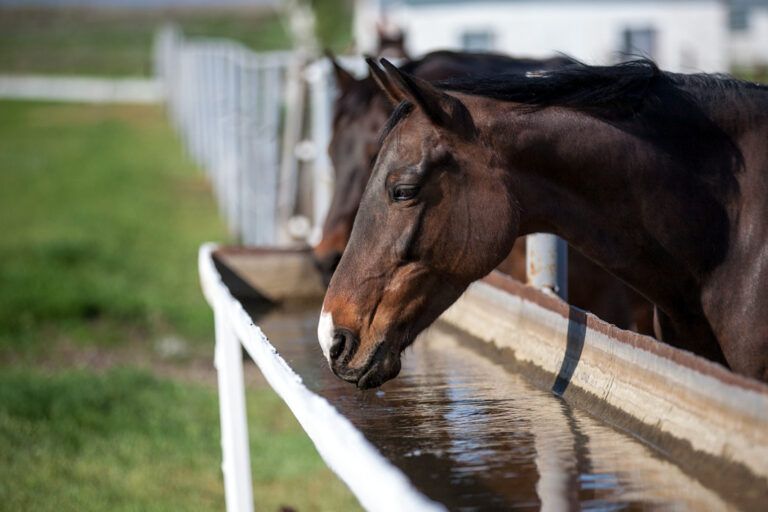
Water Quality Testing for Horses
Testing Your Horse’s Water Quality: Safety & Management Dr. Fran Rowe, DVM, PAS | February 22, 2026

Water is the most vital component of the equine diet, but it is often overlooked when considering your horse's nutritional needs. Hydration influences several aspects of horse health, including exercise tolerance, digestion, and temperature regulation. Not only do you need...

Equine Grass Sickness
Equine Grass Sickness: Symptoms, Treatment & Prevention Camryn McNeill, B.B.R.M. | February 16, 2026

Equine grass sickness (EGS), or equine dysautonomia, is a rare and fatal disease in horses. It almost exclusively affects grazing horses kept on pasture. EGS is characterized by the development of severe lesions on the neurons of the peripheral and...

Pain Management in Horses
Pain Management in Horses: Signs, Treatments & Therapies Casie Bazay, BS, NBCAAM | February 22, 2026

Pain is something that all horses deal with at some point in their lives. Horses can experience pain for many different reasons, including injury, illness, or a result of surgery. For example, castration is the most common surgical procedure performed...

Stringhalt in Horses
Stringhalt in Horses: Causes, Symptoms & Treatment Dr. Fran Rowe, DVM, PAS | February 16, 2026

Stringhalt, or equine reflex hypertonia, is a neuromuscular condition that causes abnormal hindlimb movement in the horse. Horses with stringhalt have excessive and prolonged flexion of the pelvic limbs while in forward movement, showing signs of the condition at most...

Hay Belly in Horses
Hay Belly in Horses: Signs, Causes, and Treatments Caroline Cochran, BSc. | February 16, 2026

A large, round belly doesn't always mean your horse is overweight. Some horses have a hay belly that makes them appear pregnant, yet they may struggle to maintain enough body condition to cover their ribs. While multiple factors contribute to...

Bone Spavin in Horses
Bone Spavin in Horses: Symptoms, Treatment & Management Dr. Jane Clothier, Ph.D. | February 12, 2026

Bone spavin, also known as Degenerative Joint Disease (DJD) of the hock (tarsus), is an extremely common cause of equine lameness. It is caused by repeated concussion and rotational forces on the hock joint, as well as excessive forces on...

Meaning of Soundness in Horses
Equine Soundness: How to Tell if Your Horse is Sound? Kelly Hebner, BSc (Kin), MSc | February 10, 2026

What does it mean to have a sound horse? The term 'soundness' is used by horse owners to describe how a horse moves. For example, a horse is not sound if they are limping or there is a deviation in...

List of Antibiotics for Horses
Common Antibiotics for Horses: Oral, Injectable & IV Drugs [List] Caroline Cochran, BSc. | February 12, 2026

Antibiotics or antimicrobial drugs are effective medications for the treatment of bacterial infections in horses. Common equine infections requiring antibiotics include infected skin wounds and abscesses, pneumonia, infectious diarrhea, cellulitis, peritonitis and more. Many antibiotics have broad-spectrum action meaning they...

Equine Herpesvirus Infection
Equine Herpesvirus Infection: Symptoms, Treatment & Prevention Dr. Alex Rankovic, B.Sc., M.Sc., Ph.D. | February 12, 2026

Equine herpesvirus (EHV), or rhinopneumonitis, is a contagious infection that is endemic to horses worldwide. EHV may cause mild to severe symptoms that usually involve the upper respiratory tract. In rare cases, it may cause neurological symptoms, abortion or death....

Botflies in Horses: Symptoms, Prevention & Treatment Camryn McNeill, B.B.R.M. | February 22, 2026

Botflies (Gasterophilus spp.) are parasitic flies that affect the horse's digestive tract and can cause negative health consequences. Botflies lay eggs on the horse's coat in the summer. Some of these eggs, known as horse bots, are ingested as the...

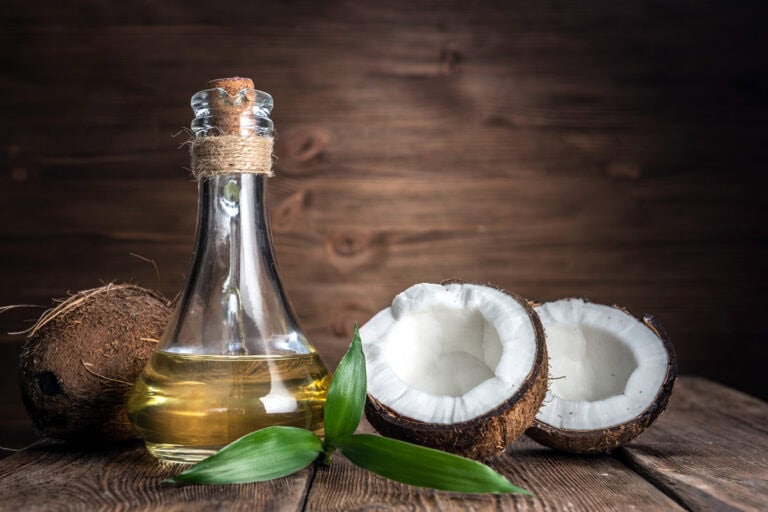
Coconut Oil for Horses
Coconut Oil for Horses: Nutrition, Benefits & How to Feed [Review] Jaime Thomas, B.Sc. | February 22, 2026

Coconut oil is a popular fat supplement for horses used to promote weight gain, skin health and a shiny coat. It is also used as a cool energy source for exercising horses to add calories to the diet without relying...

Mineral Testing in Horse Hair
Can Hair Analysis Determine your Horse’s Mineral Status? Dr. Ashley Fowler, Ph.D. | March 9, 2026

Is hair analysis a reliable way to evaluate your horse's mineral status? Mineral testing is an important aspect of monitoring your horse's health, especially if forages in your area are known to be deficient or excessive in a given nutrient....

Equine COPD Causes Symptoms Treatment
Equine COPD: Signs, Causes, Diagnosis & Treatment Dr. Sarah Graves, DVM | February 16, 2026

Equine COPD - or chronic obstructive pulmonary disease - is a now-obsolete term for a common condition in horses that causes coughing and poor performance. This condition is now referred to as equine asthma and is one of the most...

Lymphangitis in Horses
Lymphangitis in Horses: Symptoms, Causes, Treatment & Recovery Kelly Hebner, BSc (Kin), MSc | February 11, 2026

Lymphangitis, also known as big leg disease or stovepipe leg, is a condition in horses involving inflammation of the lymph vessels, most often in the lower limb. Lymphangitis presents as extreme swelling with rapid onset, resulting in pain in the...

Equine Asthma
Equine Asthma: Symptoms, Diagnosis, Treatment & Management Dr. Jane Clothier, Ph.D. | February 12, 2026

Equine asthma (EA) is a relatively new collective term for chronic respiratory signs in horses that range in severity from mild to severe. These conditions were previously known as inflammatory airway disease (IAD) or recurrent airway obstruction (RAO), respectively. Equine...

Chronic Kidney Disease in Horses
Chronic Kidney Diseases in Horses: [Signs & Causes of Renal Failure] Linaya Pot, MSc, PAS | February 16, 2026

Chronic kidney disease (or chronic renal failure) in horses is a rare but serious disorder that interferes with normal kidney function. Your horse's kidneys perform many important processes in the body including managing blood pressure, excreting waste products, and regulating...

How to Feed an Overweight Horse for Weight Loss
How to Feed an Overweight Horse for Weight Loss – [10 Tips] Dr. Alex Rankovic, B.Sc., M.Sc., Ph.D. | February 23, 2026

In North America, it is estimated that up to 51% of horses are overweight and up to 8% are obese. Horses become overweight from a combination of factors, including insufficient activity and consuming excess calories. A horse’s energy requirements depend...

Obesity in Horses
Obesity in Horses: Health Risks, Prevalence & Management Strategies Keisha Heeringa, BSc, MSc | February 16, 2026

Obesity is a health concern in horses worldwide, with a prevalence estimated between 31 – 45% in some equine populations. Among ponies and easy keeper breeds, the prevalence is even higher with one study reporting that 72% of adult ponies...

Stocking Up in Horses
Stocking Up in Horses: Stagnation Edema Causes, Symptoms, & Treatments Casie Bazay, BS, NBCAAM | February 12, 2026

Stagnation edema, also known as stocking up, is a common cause of leg swelling in stabled horses. It occurs due to impaired circulation from periods of reduced activity. This short-lasting form of edema typically affects both hind limbs and causes...

Stall Box Walking in Horses
Stall Walking, Circling and Weaving in Horses – Causes & How to Stop Kelly Hebner, BSc (Kin), MSc | February 23, 2026

Box walking, stall circling and weaving are examples of locomotor stereotypic behaviours in horses. They are believed to be caused by a lack of freedom to express natural equine behaviours. Over time, stall walking and weaving can have negative physical consequences such as...

Common Dental Issues in Horses
20+ Common Dental Issues in Horses – [Signs of Problems & Treatment] Casie Bazay, BS, NBCAAM | February 12, 2026

Horses can experience a number of different dental issues over their lifetime, impacting their ability to chew and digest their feed. Unaddressed dental issues can affect your horse's health, condition, behaviour and performance. This is why it’s important to have...

Biosecurity for Horse Farms
Equine Biosecurity Measures: Tips for Horse Owners & Barn Managers Jaime Thomas, B.Sc. | February 12, 2026

Whether you are a horse owner, handler or the manager of an equine facility, biosecurity plays an important role in keeping horses under your care safe and healthy. Horses can be affected by many different transmissible diseases, including equine infectious...

Equine Influenza Virus
Equine Influenza Virus (Flu): Symptoms, Treatment & Prevention Keisha Heeringa, BSc, MSc | February 12, 2026

Equine influenza virus, or EIV, is an extremely contagious respiratory disease or flu affecting horses, mules, and donkeys. EIV is characterized by fever, apathy, and lack of appetite, and causes respiratory symptoms such as coughing and nasal discharge. However, some...

Windsucking in Horses
Windsucking in Horses: Causes, Effects & How to Stop Keisha Heeringa, BSc, MSc | February 12, 2026

Windsucking is an oral stereotypic behavior performed by horses. It is closely related to cribbing, but they are distinct behaviors. Horses windsuck by arching their necks and using their mouth to suck air into the cranial esophagus. The horse will...

symptom-appetite-changes-in-horses
Why is My Horse’s Appetite Decreasing or Increasing? [Top Reasons] Jaime Thomas, B.Sc. | February 12, 2026

Have you noticed changes in your horse's appetite and eating behavior? Perhaps your horse has gone off their feed or is no longer interested in eating as much forage as usual. Or maybe your horse's appetite has increased, and they...

White Muscle Disease in Horses
White Muscle Disease in Horses: Signs, Causes & Treatment – [Nutritional Myodegeneration] Dr. Fran Rowe, DVM, PAS | February 23, 2026

Nutritional myodegeneration (NMD), more commonly known as white muscle disease, is a disorder that affects various animals, including horses. In equids, the condition primarily occurs in newborn foals, although adult horses can also develop it. The condition results in degeneration...

Equine Pneumonia Causes Symptoms and Treatments
Equine Pneumonia: Causes, Symptoms & Treatment Dr. Cerah Bowyer, DVM, MSc | March 1, 2026

Equine pneumonia is a common respiratory illness that can be life-threatening. It can affect different parts of the horse’s lungs and may cause varied symptoms. Pneumonia refers to inflammation of the lung tissue. Upper airways and lining of the lungs...

Equine Infectious Anemia
Equine Infectious Anemia (EIA) – Signs, Treatment & Coggins Test Jaime Thomas, B.Sc. | February 23, 2026

Equine Infectious Anemia (EIA) is an infectious disease that affects horses and other equids, such as donkeys and mules. The disease is caused by an RNA virus transmitted by blood-sucking insects. Many affected horses show no clinical signs and are...

Girthiness in Horses
Girth Aversion (Girthiness) in Horses – Causes & Remedies Jaime Thomas, B.Sc. | February 12, 2026

Is your horse showing signs of girthiness? Also known as girth aversion or cinch sensitivity, horses that are girthy express signs of discomfort when they are being saddled. A girthy horse may respond to having a girth tightened by expressing...