Analyze Diet
Colic Surgery for Horses
Colic Surgery in Horses: Indications, Procedure & Recovery Time Kelly Hebner, BSc (Kin), MSc | February 10, 2026

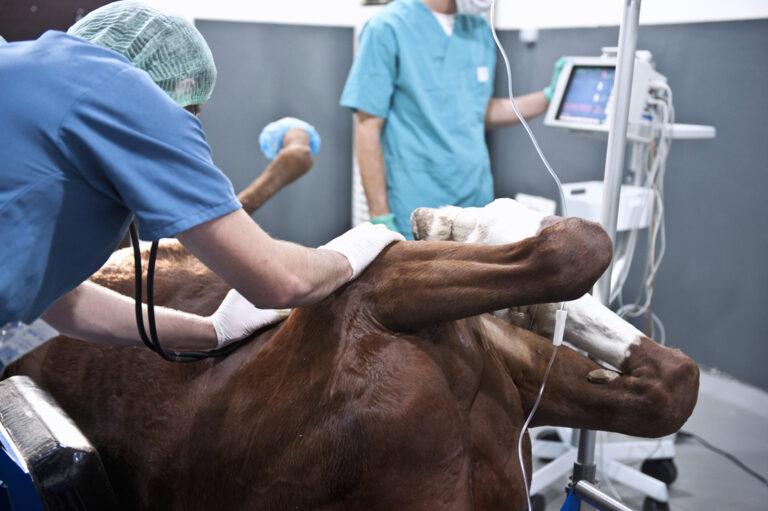
Surgical intervention is, unfortunately, necessary for many horses that experience colic, with 4 - 10% of colic cases requiring surgery. The term colic refers to abdominal pain of any cause.
Pre-Purchase Exam for Horses
Pre-Purchase Examinations for Horses [Checklist & Tests] Kelly Hebner, BSc (Kin), MSc | February 13, 2026

To ensure you are making an educated decision, you should contact a veterinarian and book a pre-purchase examination (PPE). Pre-purchase exams shed light on current or potential health and soundness issues.

Equine Anemia
Equine Anemia: Causes, Symptoms & Treatment Jaime Thomas, B.Sc. | February 13, 2026

Equine anemia is a condition that significantly impacts the health and performance of horses. It is a reduced number of red blood cells in circulation. Horses with anemia typically experience low energy levels, elevated heart rate, poor coat quality, depression...

Colostrum for Foals
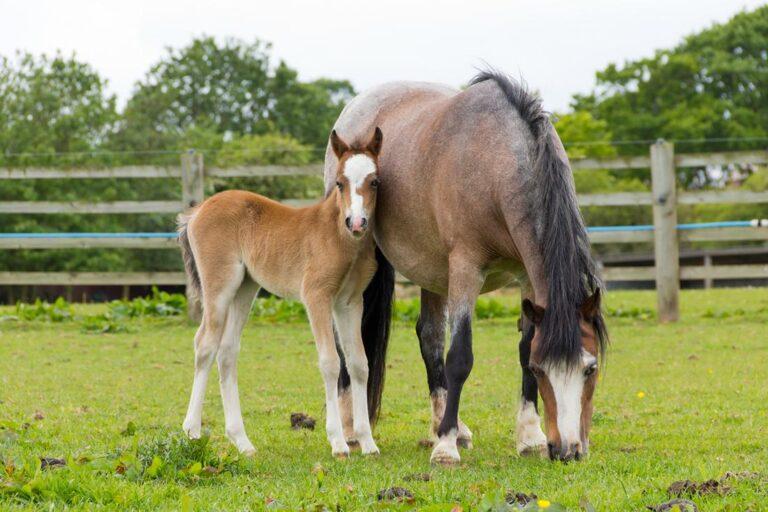
Colostrum for Newborn Foals: Benefits, Characteristics & Milk Replacers Havie Carter, B.Sc., M.Sc. | March 5, 2026

Colostrum is the first milk that a mare produces after foaling. It is particularly rich in antibodies, which provide immunity for newborn foals. Foals are born without a fully developed immune system and rely on a passive transfer of antibodies...

Equine Choke Treatment
What is Choke in Horses? [Signs, Treatment & Prevention] Jaime Thomas, B.Sc. | February 13, 2026

A medical condition necessitating urgent attention, equine choke refers to obstruction of the esophagus. The condition most frequently occurs due to rapid feed consumption and the subsequent lodging of feed or other matter in the esophagus.

Equine Anhidrosis
Equine Anhidrosis: Causes, Signs and Treatment Jaime Thomas, B.Sc. | February 23, 2026

Equine anhidrosis is a performance-limiting condition that refers to the reduced ability to sweat in horses. The condition most frequently affects horses living in hot and humid climates. Anhidrosis occurs because the sweat glands fail to function normally when body...

Aloe Vera for Equine Gastric Ulcers
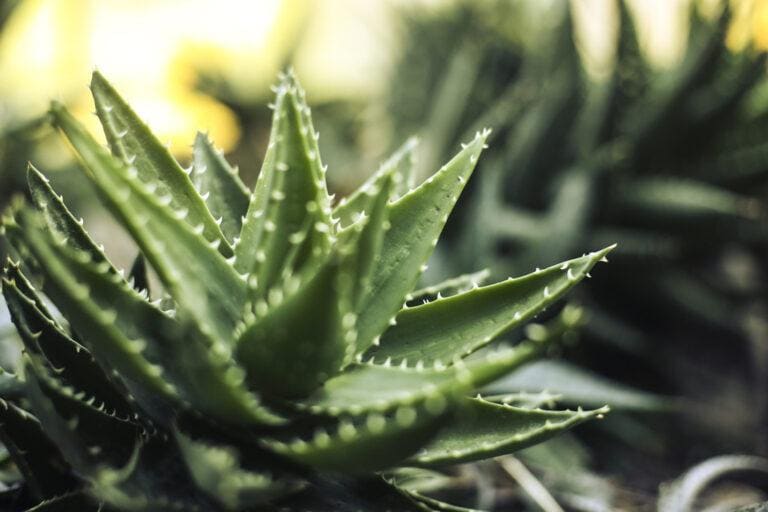
Aloe Vera for Gastric Ulcers in Horses – Does it Really Work? Dr. Priska Darani, Ph.D., PAS | February 23, 2026

Aloe vera (Aloe barbadensis) is a medicinal plant that is frequently used to soothe skin irritations. The gel of the inner leaf is also commonly fed to reduce or prevent gastric irritations and ulcers in horses. Aloe vera gel contains...

Lameness Exams for Horses
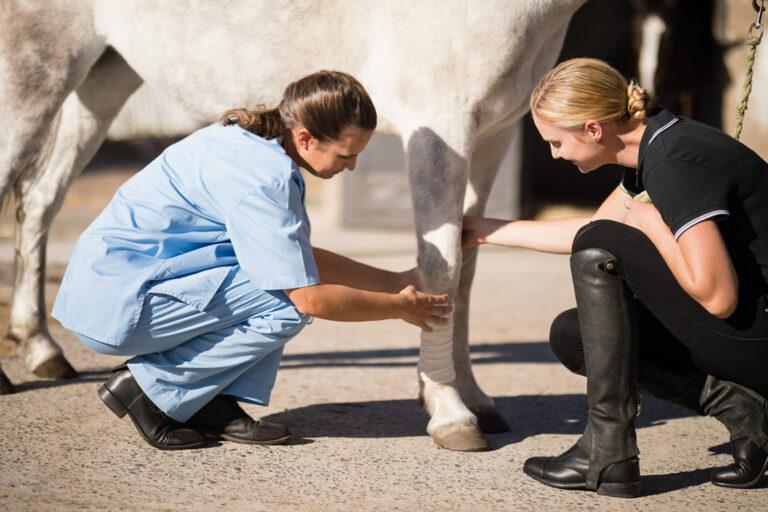
Lameness Exams & Scale: How to Diagnose a Lame Horse Kelly Hebner, BSc (Kin), MSc | February 23, 2026

Lameness is a general term that refers to a horse with an abnormal gait or stance. This is a common issue that requires assessment by a veterinarian to determine the cause and best course of action. Common causes of lameness...

Rain Scald in Horses
Rain Scald in Horses: A Common Bacterial Infection of the Skin Jaime Thomas, B.Sc. | February 13, 2026

Rain scald is a relatively common skin infection caused by the bacteria Dermatophilus congolensis. The infection often affects the skin on the back and rump of horses. Rain scald can develop when skin is exposed to excessive moisture which weakens...

Feeding Horse in Hot Weather
14 Tips for Feeding & Caring for Horses in Hot Weather – [Summer Guide] Kelly Hebner, BSc (Kin), MSc | February 13, 2026

With higher temperatures in the summertime, horses are prone to heat stress. This can contribute to an increased risk of colic, ulcers, weight loss, fatigue and dehydration during this time of year. Horse owners should be vigilant for signs their...

Sweet Itch in Horses
Managing Sweet Itch in Horses: Causes, Symptoms & Treatment Casie Bazay, BS, NBCAAM | February 13, 2026

Sweet Itch is a common skin condition in horses that is caused by an allergic reaction to insect bites. It is also known by the names Queensland itch, summer dermatitis, insect-bite hypersensitivity, summer eczema, recurrent seasonal pruritus, and equine Culicoides...

Laminitis Recovery for Horses
Laminitis Recovery Plan for Horses: Rehabilitation, Prognosis & Exercise Jaime Thomas, B.Sc. | March 2, 2026

Laminitis is a common but serious condition that involves separation of the laminae, which connect the coffin bone to the horse's hoof wall. A bout of laminitis can cause mild to severe pain in affected horses and result in lasting...

Acute Laminitis Treatment
Acute Laminitis in Horses – A Review of Treatments for the Condition Jaime Thomas, B.Sc. | February 13, 2026

Acute laminitis refers to the first few days of a laminitis episode during which clinical signs are observed. Laminitis is a painful condition that causes damage to the hoof laminae, which anchor the coffin bone to the hoof wall.

Pasture-Associated Laminitis in Horses
Pasture-Associated Laminitis: How to Keep your Horse Safe Jaime Thomas, B.Sc. | February 13, 2026

Pasture-associated laminitis (PAL) is a form of insulin-induced laminitis that can occur after horses have grazed on grasses and legumes that are high in hydrolyzable carbohydrates (HC). This condition causes pain and stretching and weakening of the laminae of the...

Emergency Treatment for Laminitis in Horses
Emergency Protocol for Laminitis in Horses – Treatment & Recovery Jaime Thomas, B.Sc. | February 17, 2026

If your horse is showing signs of acute laminitis, they require emergency veterinary attention and prompt treatment. Laminitis affects the soft structures of the equine hoof, known as the laminae, and can cause significant pain and lameness.

Laminitis Risk Factors
Top 17 Risk Factors for Laminitis in Horses [+ How to Prevent] Jaime Thomas, B.Sc. | February 13, 2026

One in ten horses is affected by laminitis each year. This painful condition involves inflammation of the hoof laminae, leading to varying degrees of lameness. Although laminitis affects the hooves, the condition is often initiated by dietary and metabolic factors.

Sucralfate for Horses with Ulcers
Sucralfate for Horses with Ulcers: How it Works & When to Use Kelly Hebner, BSc (Kin), MSc | February 13, 2026

Sucralfate is an FDA-approved drug for use in humans that is used off-label for the treatment of equine gastric and hindgut ulcers. It is typically used in conjunction with omeprazole. Sucralfate (Carafate® Sulcrafate®) helps to protect the lining of the...

How to Reduce Your Horses Stress Level
How to Reduce Your Horse’s Stress Level [18-Point Guide] Eleanor Stronach, B.Sc., M.Sc. | February 23, 2026

Do you struggle with your horse’s stress levels? Horses are creatures of habit and are uneasy when in new environments, changing social groups, or when their routine is disrupted. Stress and anxiety can also be caused by boredom or a...

Mud Fever - Equine Pastern Dermatitis
Equine Pastern Dermatitis (Mud Fever) – Signs, Causes & Treatments Jaime Thomas, B.Sc. | February 17, 2026

Equine pastern dermatitis - also known as mud fever or greasy heel - is a reaction or infection that occurs on the skin of the pastern. In mild forms, it is characterized by itchiness, redness and hair loss on the...

Feeding the Easy Keeper
Feeding your Easy Keeper Horse: Best Diet Plan for Weight Management Eleanor Stronach, B.Sc., M.Sc. | February 23, 2026

If your horse is an easy keeper, sometimes it can seem like they get fat off of air. Some equine breeds are known for being more metabolically efficient than others. These horses may have metabolisms that preferentially favour fat storage....

Big Head Disease in Horses
Big Head Disease: Nutritional Secondary Hyperparathyroidism in Horses Casie Bazay, BS, NBCAAM | February 13, 2026

Nutritional Secondary Hyperparathyroidism (NSH) - also known as Big Head Disease - is an uncommon problem in horses that stems from a mineral imbalance. This skeletal condition develops due to a calcium deficiency or an imbalanced ratio of dietary calcium...

Feeding the Endurance Horse
How to Feed the Endurance Horse for Energy & Stamina [7 Point Guide] Eleanor Stronach, B.Sc., M.Sc. | March 5, 2026

Horses involved in endurance riding require appropriate fitness training, careful management, and balanced nutrition to support stamina and recovery. Endurance racing may involve horses covering up to 100 miles or 160 kilometres in a single day. This poses challenges with...

Gastric Ulcer Treatment
Gastric Ulcer Treatment in Horses: Management & Prevention Eleanor Stronach, B.Sc., M.Sc. | February 17, 2026

Gastric ulcers are lesions in the horse's stomach that can cause pain, recurrent colic, poor exercise tolerance, weight loss and behavioural changes in your horse. Ulcers in the squamous (upper) region of the stomach form when gastric acids come into...

When to Blanket Horses
How and When to Blanket Your Horse – [7 Key Tips] Jane Meggitt, BA | February 13, 2026

To blanket or not to blanket? In the colder winter weather, that is the question facing many horse owners. Like blankets, there is no one-size-fits-all solution. Whether you should blanket your horse depends on the individual horse and management situation....

Horse Joint Injections
Joint Injections for Horses: How they Work & When to Use Kelly Hebner, BSc (Kin), MSc | February 23, 2026

Joint wear and tear is a part of every equine athlete's life. As your horse ages, joints naturally become stiff and sore - a process that is accelerated with heavy exercise. Joint injections deliver medication directly to the affected joints.

Ulcer Rebound in Horses
Ulcer Recurrence in Horses: How to Stop Ulcers from Coming Back Scott Cieslar, M.Sc. | February 13, 2026

Up to 90% of horses treated for gastric ulcers with omeprazole can experience a recurrence of ulcers when they stop taking this drug. Horses can develop rebound acid hypersecretion (RAHS) after the discontinuation of omeprazole. Higher levels of stomach acid...

How to Feed your Pony
How to Feed your Pony [8-Step Nutrition Guide] Havie Carter, B.Sc., M.Sc. | March 5, 2026

Ponies and horses have different nutritional requirements and need to be fed in different ways. The feeding program you use for your horse may not work for your pony, even if you adjust feeding rates to match body weight. Ponies...

Iodine for Horses
Iodine for Horses: Dietary Requirements, Sources, & Signs of Deficiency Dr. Priska Darani, Ph.D., PAS | February 13, 2026

Iodine is an essential trace mineral required by horses and all mammals. It is used to make thyroid hormones that control metabolism in all cells of the body. Forages and grains are typically low in iodine because most soils have...

Steaming and Soaking Hay for Horses
Steaming vs. Soaking Hay for Horses – [Comparison & How-To] Jaime Thomas, B.Sc. | February 24, 2026

What are the advantages of steaming or soaking hay before you feed it to your horse? There are pros and cons for each method of preparing hay. Both steaming and soaking are beneficial for reducing dust in hay.

Bartonella Infection in Horses
Bartonella Infection in Horses: Symptoms, Treatment & Diagnosis Casie Bazay, BS, NBCAAM | February 13, 2026

Bartonella is a type of bacteria that can infect humans as well as other mammals, including horses and donkeys. The resulting infection, known as bartonellosis, has been documented in many regions throughout the world.