Adequate mineral intake in your horse’s diet is essential for overall well-being and function. Minerals play important roles in supporting tissue structure, enzyme reactions, energy metabolism, and maintaining electrolyte balance. Mineral deficiencies can contribute to poor hoof and coat quality,...
Horse Health
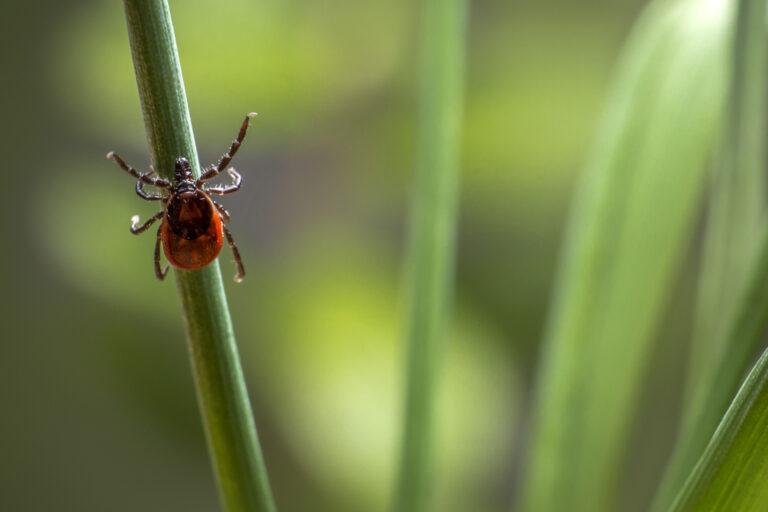
Equine Lyme disease is a growing concern for horses in North America, especially during the summer months when tick bites are more common. Lyme disease is primarily caused by infection with Borrelia burgdorferi, a bacteria that is carried by ixodid,...
Building topline muscle and dealing with topline loss is a common struggle for horse owners. Your horse may have a weak topline due to a variety of factors including nutrition and exercise. Physiological factors such as age or underlying health...
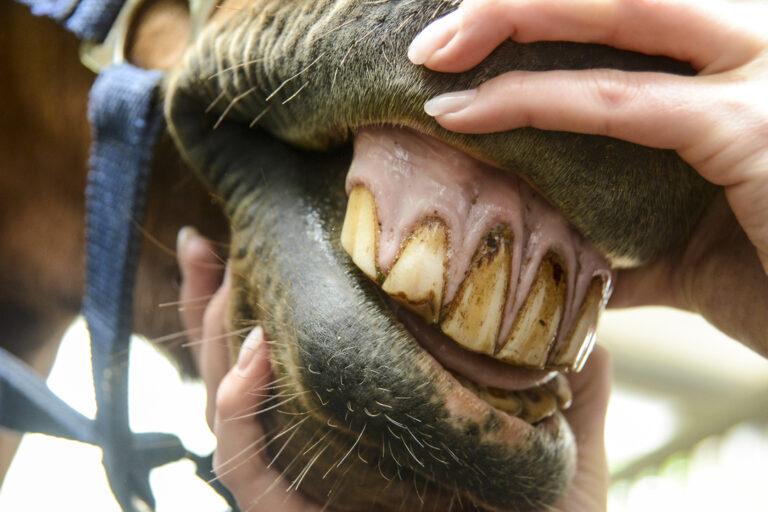
Equine odontoclastic tooth resorption and hypercementosis (EOTRH) is a progressive and painful dental condition that occurs in some horses. Primarily affecting senior horses, it typically involves the gradual degeneration of the incisors and canine teeth. Over time, the roots of...

Diarrhea is a common problem in horses as it can be a result of many different causes. It is typically a sign of of disrupted function or motility of the hindgut, including dysbiosis or infection. Diarrhea is defined as the...
Body condition and body weight are two very important metrics for understanding and measuring the health of your horse. Both can be assessed easily and without any expensive equipment. Body weight alone gives us very little insight into how much...
Dealing with a horse that has diarrhea requires careful attention to their feeding plan and to their daily management. In some cases, diarrhea is a temporary annoyance that resolves itself with minimal intervention. Chronic cases in which diarrhea persists for...
Diarrhea can affect horses of all ages, breeds and sizes, resulting in dehydration, weight loss, poor nutrient absorption or electrolyte imbalance. Diarrhea is described as the increased excretion of liquid or semi-solid feces. Cases of equine diarrhea can range in...
Mycotoxins are naturally occurring toxic substances which are produced by mould and fungus in your horse’s hay. Mycotoxins can cause negative effects in horses including colic, gastrointestinal upset, weight loss, feed withdrawal, immune suppression, impaired performance or poor growth.
How do you select the right hay to feed your horse? Certain hays are better depending on your horse’s activity level, health status and nutritional needs. Horses evolved as grazing animals that survive by eating large volumes of fibrous plants....
Internal parasites, also known colloquially as worms, are a common concern for many horse owners. Parasites are organisms that live on the horse’s skin or infiltrate the intestinal tract to gain nutrients. They can cause inflammation, immune problems, ulcers, and,...
Horses exhibiting heel pain are often diagnosed with navicular syndrome. It is a common – and frustrating – issue to deal with, but it no longer spells immediate retirement for the horse. With early diagnosis and proper treatment, a horse...
Maintaining your horse's digestive health is integral to maintaining their overall health. Digestive issues such as colic, ulcers, and hindgut acidosis are some of the most commonly diagnosed health conditions in horses. Learn about research-backed digestive health supplements that can...
Right dorsal colitis (RDC) is a specific type of ulcerative disease in horses localized to the right, upper region of the large intestine. RDC is sometimes referred to as hindgut ulcers. Horses with RDC can show signs of weight loss,...
Non-steroidal anti-inflammatories (NSAIDs) are some of the most commonly used equine medications. They come in several forms, including tablets, powder, paste, or as an injectable. As their name implies, NSAIDs help to control inflammation in the body. Therefore, they are...
Omeprazole is an FDA-approved drug that is sold under the tradenames GastroGard and UlcerGard. Omeprazole is used to prevent or treat equine gastric ulcer syndrome (EGUS). Gastric ulceration is a painful condition with an extremely high prevalence in horses. Up...
As many horse owners know, colic is an unpredictable, painful, and sometimes fatal condition. Colic refers to abdominal pain in your horse. It is an amorphous condition that can lead to potentially serious health complications. Colic may present as a...
Vitamins are organic compounds that are essential for all living things. Vitamins have diverse roles within the horse's body, affecting energy metabolism, growth and repair, muscle function, neurological health, immune function and much more. Vitamins function as cofactors for metabolic...
Lameness in the horse's stifle joint can result in shortened stride length, reluctance to work or a rough canter. While lameness is more commonly attributed to problems with the hock joint, stifle lameness is seen frequently in performance horses. The...
What can you do to prevent ulcers from developing in your horse? Equine ulcers are all too common, with studies showing that up to 90% of horses will be affected by ulcers in their lifetime. Stomach ulcers, also known as...
Hindgut acidosis is a condition in which the hindgut of the horse becomes excessively acidic. It is usually caused by too much starch in the horse’s diet, resulting in increased production of lactic acid in the lower intestinal tract. When...
Equine laminitis is a painful condition affecting the horse's hooves. Cases of laminitis range in severity from mild foot tenderness to chronic founder, potentially impeding the horse's ability to walk. Laminitis is the bane of any horse owner's existence. Horses...
Yeast are single-cell organisms that include over 1,500 unique species found naturally in soil, plants, fruit, and on the skin and in the intestinal tract of mammals. Live yeast are used as probiotic supplements for horses, primarily to improve fibre...
Looking for ways to prevent boredom in your horse? Enrichment activities for your horse don't need to cost a lot and can be easy to set up. Many horse owners are aware of the basic components of animal welfare. You...
Prebiotics are types of fibre that are given to horses as a food source for the beneficial microbes in the hindgut. Prebiotics support fibre digestibility, gut health, and nutrient assimilation in the hindgut. Horses with disrupted digestive function, observed as...
Free fecal water syndrome is a condition in which horses experience both solid and liquid phases during defecation. The liquid phase can occur before, during, or after defecation of the solid phase or sometimes occur completely separate from the solid...
Is your horse getting a balanced range of essential and non-essential amino acids from their feeding program? Your horse needs adequate amino acids in their diet to make proteins. Proteins are complex molecules that are required for almost every physiological...
Equine gastric ulcers are extremely common, especially in performance horses. But ulcers can also occur in the horse's hindgut and have negative consequences for digestive health. Hindgut ulcers are also known as colonic ulcers. Veterinarians often refer to the condition...
Whether a foal, a broodmare, or a mature or aging horse, supporting joint health is a common concern for many horse owners. Being proactive can help to prevent joint problems from affecting your horse, robbing them of performance, comfort and...
Supplements targeting joint health are some of the most sought-after dietary supplements for horses, especially due to the high prevalence of joint injuries and deterioration later in life. But which equine joint supplements actually work and which are all hype?...