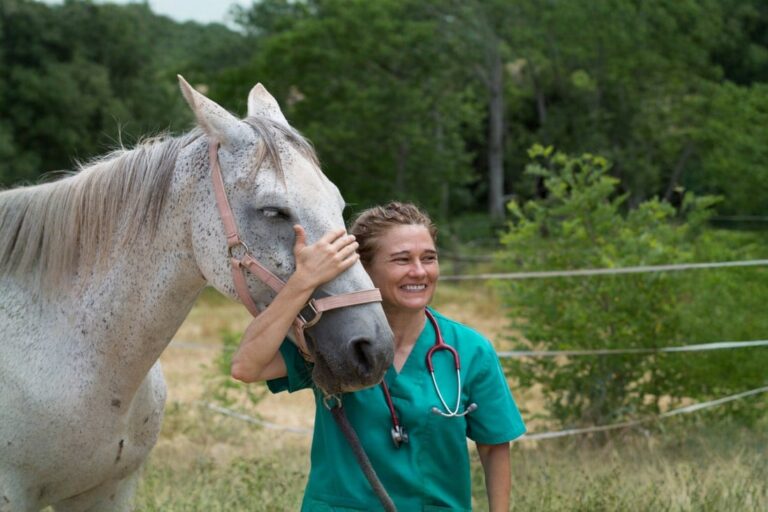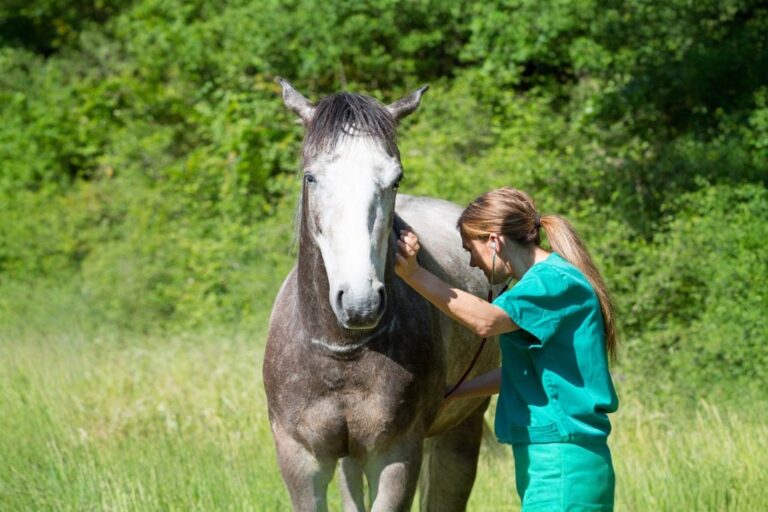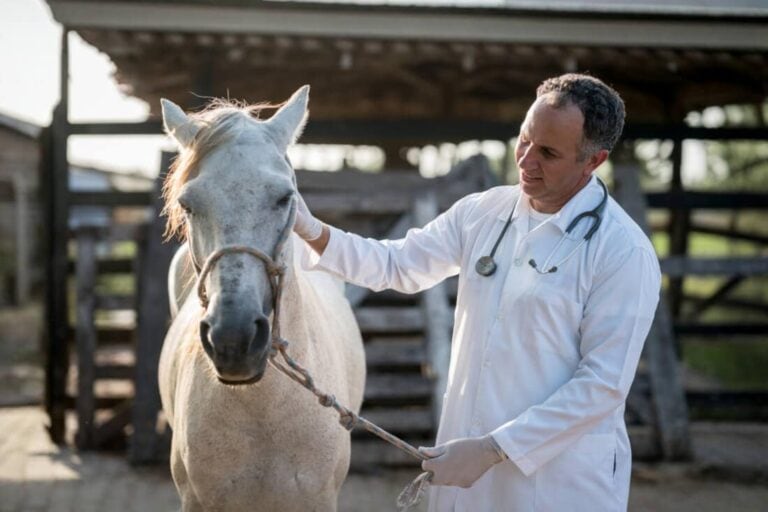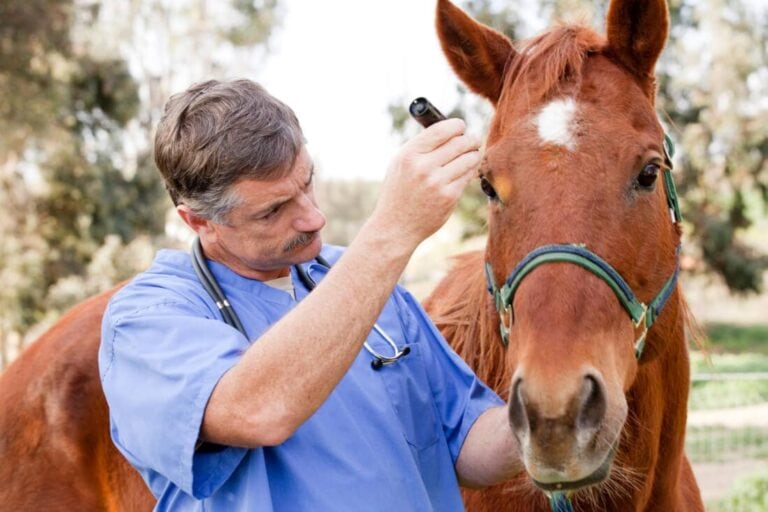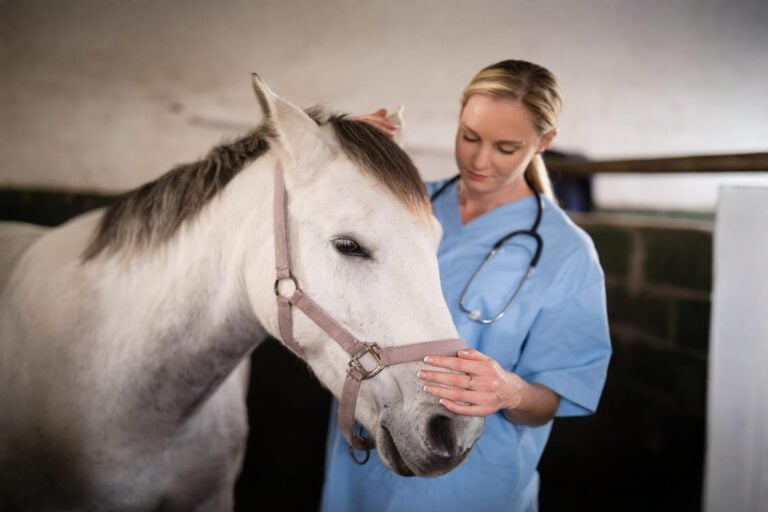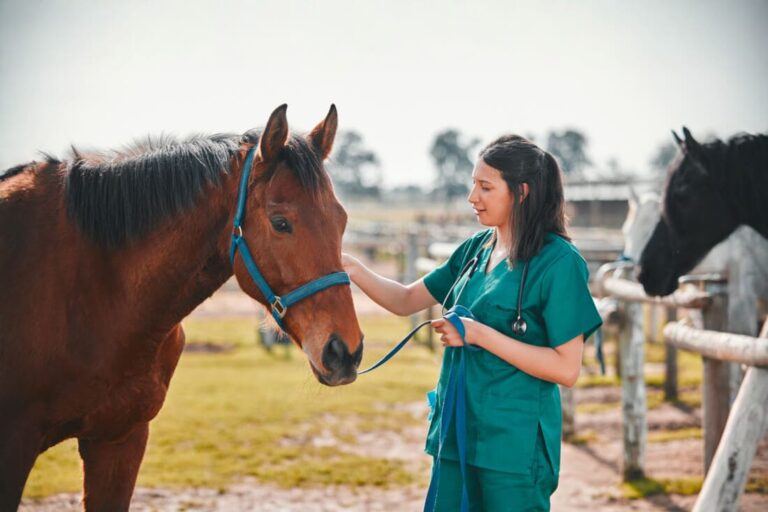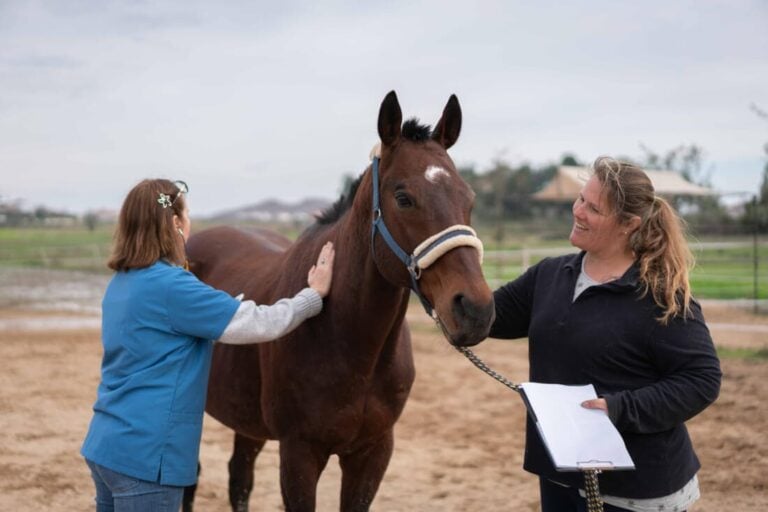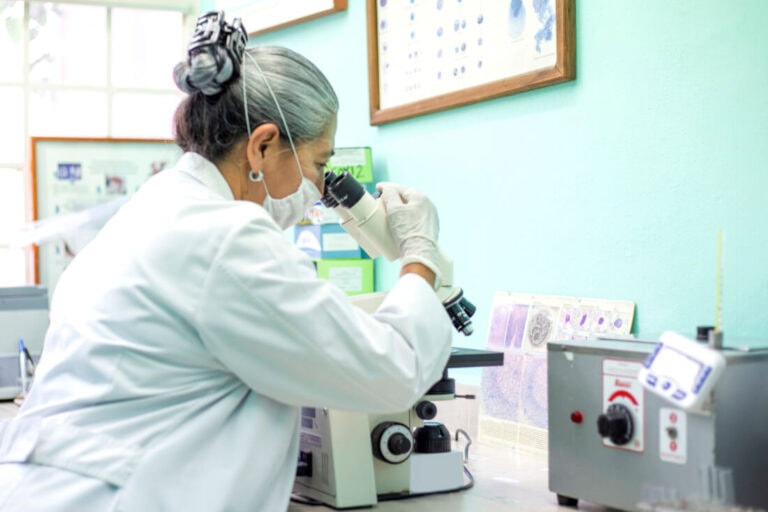
An ophthalmic examination involves more than simply looking at the surface of the eye. A complete assessment evaluates the cornea, lens, anterior and posterior chambers, tear production, ocular pressure, and reflexes. Special diagnostic tools, such as fluorescein dye, Schirmer tear...
Horse Health
Hay is the cornerstone of most equine diets, providing the fiber necessary for gut motility and a healthy microbiome, along with essential nutrients to support body condition, energy levels, and overall well-being. However, when hay becomes moldy, its value as...
Lens luxation is an uncommon but serious eye condition in horses. It occurs when the lens — the clear, flexible structure inside the eye that helps focus light — slips out of its normal position. This displacement can cause pain,...
The horse's eye is large, delicate, and vital for navigating its environment. Its prominent position and limited natural protection make it especially vulnerable to injury. Eye prolapse, also called proptosis, is uncommon but serious, occurring when the eyeball is displaced....
Swollen sheath in horses is a common condition that owners may notice when the area around the penis appears enlarged or puffy. In many cases, sheath swelling is mild and temporary, often linked to inactivity, seasonal changes, or fluid retention...
Viral infections are among the most common health challenges faced by horses, ranging from mild, self-limiting illnesses to severe, life-threatening diseases that spread rapidly through equine populations. Because many different viruses can affect horses, recognizing and correctly diagnosing these infections...
A horse’s eyes are highly specialized organs that play an essential role in survival, communication, and performance. The equine eye is large and laterally placed, offering a wide field of vision that allows horses to detect threats in their environment....
Electrocardiography (ECG) is one of the most important tools veterinarians use to evaluate equine heart health. While stethoscopes remain invaluable for identifying murmurs and abnormal rhythms during a physical exam, an ECG provides a more precise and objective way to...
The nervous system plays a vital role in every aspect of a horse's health and performance, from balance and coordination to sensory perception and behavior. When this system is interrupted, the signs can be subtle or dramatic, and distinguishing neurologic...
Urinalysis is a simple yet powerful diagnostic tool that can provide valuable insights into a horse’s overall health. By examining the appearance and composition of urine, veterinarians can assess kidney function, hydration status, and the presence of certain toxins. Although...
Necropsy, also known as an autopsy or post-mortem examination, is a vital diagnostic tool in equine veterinary medicine. When a horse dies unexpectedly or under unclear circumstances, performing a necropsy can provide critical insights into the cause of death. Necropsy...
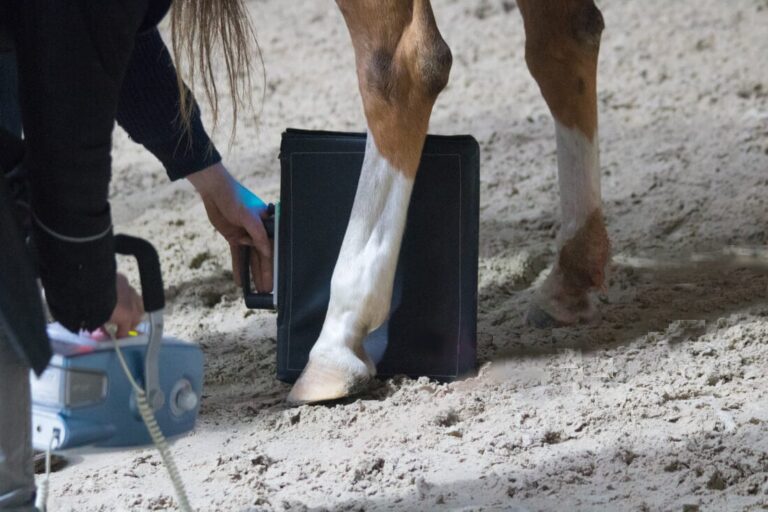
Radiographs, commonly known as X-rays, are one of the most valuable diagnostic tools in equine veterinary medicine. They allow veterinarians to examine the internal structures of the horse—primarily bones and joints—without the need for surgery or invasive procedures. Whether evaluating...
Gastroscopy is a valuable diagnostic tool that allows veterinarians to directly visualize the inside of a horse's upper digestive tract. This minimally invasive procedure uses a specialized flexible camera, called a gastroscope, to identify abnormalities that cannot be detected through...
Autologous Protein Solution (APS) is a biologic therapy that has emerged as an innovative treatment for managing joint and soft tissue injuries in horses. This biologic therapy uses the horse's own blood to create a concentrated solution of anti-inflammatory proteins...
Sports recovery is an important aspect of equine management, focusing on the horse’s well-being following periods of exercise. During physical exertion, a horse’s muscles, tissues, and cellular structures undergo stress. When well-managed, this leads to adaptations that strengthen and condition...
The sacroiliac joint (SIJ) is one of the largest and most important joints in the horse’s body, yet it is also one of the least understood. Situated deep within the pelvis, the SIJ forms the critical connection between the sacrum...
Mucous membranes play a critical role in assessing equine health. The most familiar mucous membranes are the gums, but these thin, moist tissues line various body cavities, including the eyes and genitals. In clinical settings and daily management, evaluating mucous...
Most horse owners know that poor air quality in dusty barns can cause coughing, nasal discharge, or laboured breathing in sensitive horses. But what happens when a horse seems worse outdoors—even on fresh green pasture? Just like people, horses can...
While horses are naturally well-adapted to colder climates, not all individuals cope equally well, and domestic management often interferes with their ability to maintain their internal body temperature. Clipping, restricted forage, inadequate shelter, chronic conditions, and other health factors all...
Timothy hay offers moderate energy and protein content, making it suitable for a wide range of horses. Depending on Timothy’s growing and harvesting conditions, it can be produced at varying nutritional levels to suit different horse’s needs- from growing and...
Horse chestnuts, sometimes called castors or night eyes, are small, rough patches of skin commonly found on a horse's legs. While easily overlooked, these structures have sparked curiosity for centuries due to their mysterious origin and unusual appearance. Leg chestnuts...
Ryegrass is a widely used forage for horses, most commonly provided in its annual and perennial forms. These grasses are known for their high yields and strong nutritional profiles, making them suitable for many types of horses. Although ryegrass can...
Blood work is one of the most valuable diagnostic tools available in equine veterinary medicine. Whether used to assess general health, diagnose illness, monitor chronic conditions, or evaluate performance issues, a simple blood test can reveal a wealth of information...
One of the most informative and widely used diagnostic procedures for evaluating the lower respiratory tract in horses is bronchoalveolar lavage (BAL). This is a minimally invasive technique that allows veterinarians to sample cellular components from deep lung tissue. By...
The New World screwworm (Cochliomyia hominivorax) is a highly destructive parasitic fly that poses a significant threat to equine health and welfare. Unlike typical fly larvae that feed on dead or decaying tissue, screwworm maggots consume living flesh, resulting in...
Respiratory dysfunction is a common and often overlooked issue in horses, with a variety of causes including infections, allergies, environmental irritants, and anatomical abnormalities. Horses depend on efficient lung function to meet the high oxygen demands of their large, athletic...
The coffin bone, also known as the distal phalanx or P3, sits at the very tip of the horse's limb, completely encased by the hard hoof wall. Its unique shape provides the foundation for weight-bearing and shock absorption with every...
First cutting hay is traditionally harvested in the spring and tends to be coarse and high in fiber. This is because the plants have had more time to mature, resulting in a higher concentration of structural carbohydrates. First-cutting hay is...
Equine inhalers are specialized devices used to deliver medication directly into a horse's lungs to help manage respiratory conditions. These devices are similar in design and function to inhalers used by humans, but they have been adapted to suit the...
Breathing is an automatic function that often goes unnoticed, until something goes wrong. Dyspnea, the term for difficult or labored breathing, is a serious clinical sign in horses. It is not a diagnosis itself but a symptom of underlying problems...