Analyze Diet

bermudagrass-hay-for-horses
Bermudagrass Hay for Horses: Nutrition Profile & Feeding Guide Dr. Christine Latham, Ph.D. | February 24, 2026 | Feeding Guides, Forage Profile, Nutrition

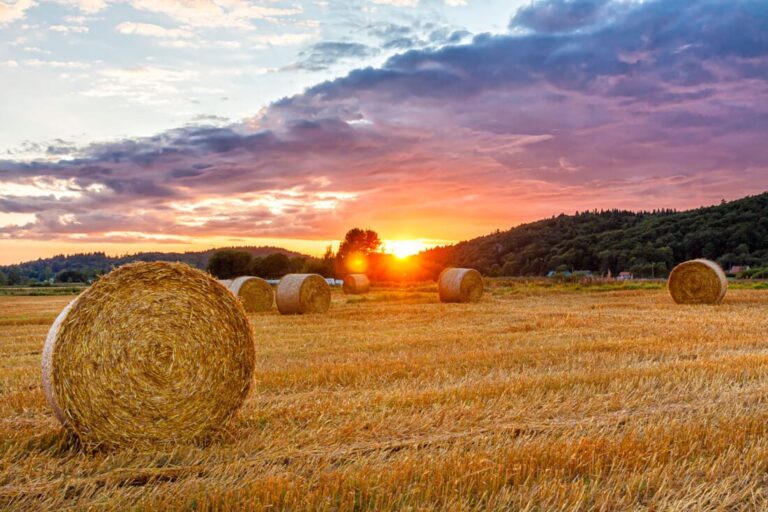
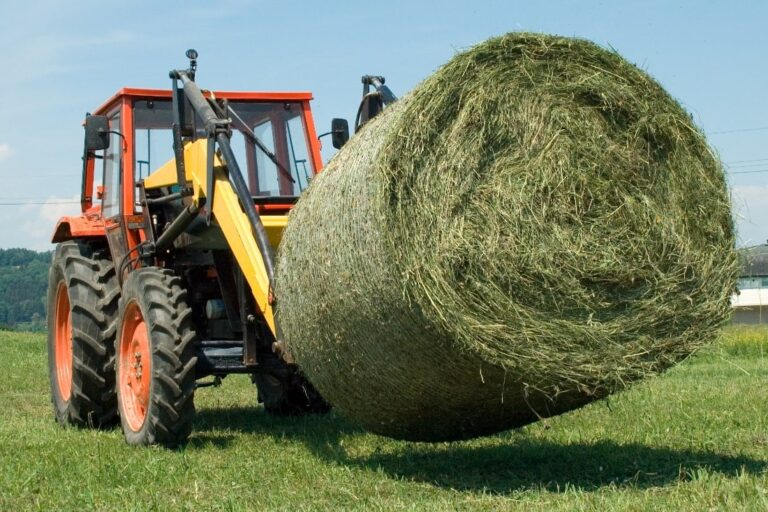
Bermudagrass is a widely used equine forage used in the southern United States, valued for its adaptability, productivity, and cost-effectiveness. As a warm-season perennial, Bermudagrass thrives in hot weather and provides consistent forage during summer months when cool-season grasses decline....
bahaigrass-hay-profile
Bahiagrass Hay for Horses: Nutrition Profile & Feeding Guide Dr. Christine Latham, Ph.D. | March 13, 2026 | Feeding Guides, Forage Profile, Nutrition

Bahiagrass is a warm-season perennial grass commonly used for horse pastures. First identified in the 1800s and introduced to Florida in 1913, it has since spread throughout the southern U.S. The grass thrives in sandy, low-fertility soils and is well-suited...

bromegrass-hay-guide
Bromegrass Hay for Horses: Nutrition Profile & Feeding Guide Dr. Christine Latham, Ph.D. | February 18, 2026 | Feeding Guides, Forage Profile, Nutrition

Bromegrasses, including Smooth and Meadow Bromegrass, are cool-season perennials widely used for equine forage in North America. Valued for their drought tolerance, adaptability to soil types, and consistent nutritional profile, these grasses are a reliable option for many equine diets....

timothy-hay-for-horses
Timothy Hay for Horses: Nutrition Profile & Feeding Guide Dr. Christine Latham, Ph.D. | March 13, 2026 | Feeding Guides, Forage Profile, Horse Health, Nutrition

Timothy hay offers moderate energy and protein content, making it suitable for a wide range of horses. Depending on Timothy’s growing and harvesting conditions, it can be produced at varying nutritional levels to suit different horse’s needs- from growing and...

ryegrass-hay-forage-profile
Ryegrass Hay for Horses: Nutrition Profile & Feeding Guide Dr. Christine Latham, Ph.D. | February 18, 2026 | Feeding Guides, Forage Profile, Horse Health, Nutrition

Ryegrass is a widely used forage for horses, most commonly provided in its annual and perennial forms. These grasses are known for their high yields and strong nutritional profiles, making them suitable for many types of horses. Although ryegrass can...

diy-horse-treats-recipes-1
DIY Horse Treats: How to Make Healthy, Tasty Cookies for Your Favorite Equines Jessica Artman, B.Sc., M.Sc. | February 11, 2026 | Feeding Guides, Mad Barn, Nutrition

Treats play a meaningful role in strengthening the bond between caregivers and their horses, offering a way to reinforce trust and encourage positive behavior. They can also serve as an effective tool in equine training, as using treats in training...

first-vs-second-cutting-hay-for-horses
First vs. Second Cutting of Hay for Horses: Which is the Best Forage for an Optimal Equine Diet? Dr. Brittany Kerley, M.S., Ph.D. | March 3, 2026 | Feeding Guides, Horse Health, Nutrition

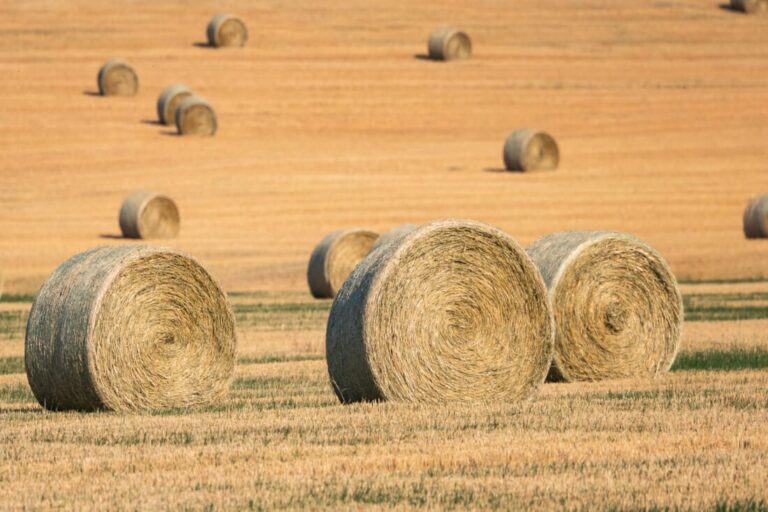
First cutting hay is traditionally harvested in the spring and tends to be coarse and high in fiber. This is because the plants have had more time to mature, resulting in a higher concentration of structural carbohydrates. First-cutting hay is...

orchard-grass-hay-nutrient-profile
Orchardgrass Hay for Horses: Nutrition Profile & Feeding Guide Dr. Christine Latham, Ph.D. | March 3, 2026 | Feeding Guides, Forage Profile, Nutrition

Orchardgrass is a cool-season perennial grass widely grown in temperate regions and commonly used as forage for horses. It thrives in well-drained soils and moderate climates, producing dense, leafy growth that is typically quite palatable to horses. On average, orchardgrass...

protein-for-horses
Protein in the Equine Diet: Nutrient Requirements, Sources & Amino Acids Dr. Christine Latham, Ph.D. | February 11, 2026 | Feeding Guides, Horse Health, Nutrition

Protein is an essential nutrient for horses and a key component of the equine diet. Adequate protein is required for supplying the amino acids needed to build and maintain muscle, vital organs, bones, hooves and other tissues. A horse's protein...

support horse muscle health
How to Support your Horse’s Muscles: Feeding & Management Dr. Christine Latham, Ph.D. | March 3, 2026 | Care & Management, Feeding Guides, Horse Health, Nutrition

Horses are muscular animals, with a high proportion of muscle mass relative to their body weight. This impressive musculature has been shaped through centuries of selective breeding for athletic traits, including speed and strength, that enable horses to excel in...

Energy Requirements for Horses
Energy Requirements for Horses: Understanding Metabolism & Calorie Sources Dr. Christine Latham, Ph.D. | March 13, 2026 | Care & Management, Feeding Guides, Horse Health, Nutrition

Understanding your horse's energy requirement is important for formulating a balanced diet that supports athletic performance, weight maintenance and overall function. Horses, like all animals, rely on energy from their diet to fuel their everyday activities. Energy is required for...

feeding-high-performance-horse
How to Feed a High Performance Horse for Training & Competition Dr. Christine Latham, Ph.D. | March 13, 2026 | Feeding Guides, Nutrition, Performance

High performance horses are no different than the world's top human athletes. Like professional soccer players or Olympic swimmers, elite equine athletes need to be extremely fit to consistently perform strenuous physical activity and compete at the top of their...

fat for horses
Feeding Fat in the Horse’s Diet: Nutrition Review Dr. Christine Latham, Ph.D. | February 19, 2026 | Feeding Guides, Horse Health, Nutrition

The horse's natural diet consists of fiber-rich forages, which are relatively low in fat. However, fat supplementation has become increasingly popular for various types of horses, from athletes needing extra energy to metabolic horses who benefit from low-starch diets. Adding...

feeding-corn-and-corn-oil-to-horses
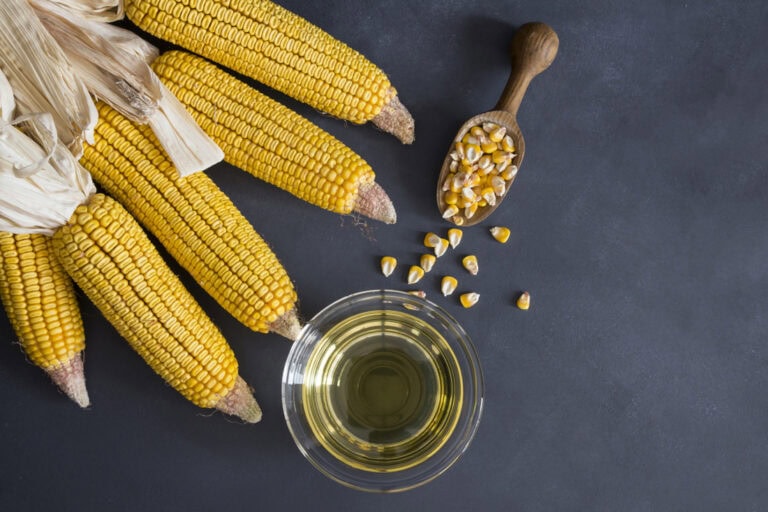
Corn and Corn Oil for Horses: Benefits, Types & Feeding Guide Dr. Christine Latham, Ph.D. | March 4, 2026 | Feeding Guides, Nutrition

Corn is an economical energy source found in many complete feeds for horses. Corn is also sometimes fed as a standalone concentrate for horses that need additional calories in their […]

feeding-sunflower-oil-to-horses
Sunflower Oil for Horses: Benefits, Drawbacks & Feeding Guide Dr. Christine Latham, Ph.D. | January 27, 2026 | Feeding Guides, Nutrition

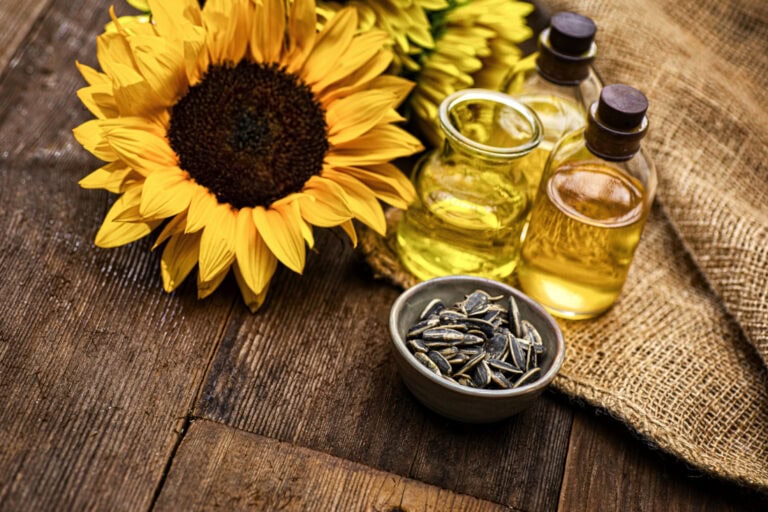
Sunflower oil is a vegetable oil extracted from seeds of the sunflower plant (Helianthus annuus). It is high in unsaturated fats, primarily omega-6 and omega-9 fatty acids. In horse diets, sunflower oil is often used to provide additional calories to...

forage based diet for horses
How to Feed a Forage-Based Diet for Horses – [Management Guide] Dr. Christine Latham, Ph.D. | March 4, 2026 | Care & Management, Feeding Guides, Nutrition

Forage-based diets can be implemented for many horses to support optimal weight maintenance, and digestive and metabolic function. These diets work with your horse’s gastrointestinal physiology to support their health. Pasture, hay, and processed forage can be used alone or...

fibre-in-the-equine-diet
Feeding Fiber in the Equine Diet: Sources & Nutrition Review Dr. Christine Latham, Ph.D. | February 12, 2026 | Feeding Guides, Nutrition

Fiber is one of the most important components in the equine diet, providing up to 70% of a horse’s energy needs. Fiber in equines diets predominantly originates from forages such as hay and pasture grass. Fiber can also be obtained...

Forage Cubes and Pellets for Horses
Forage Cubes and Pellets for Horses – [How and When to Feed] Dr. Christine Latham, Ph.D. | March 4, 2026 | Care & Management, Feeding Guides, Nutrition

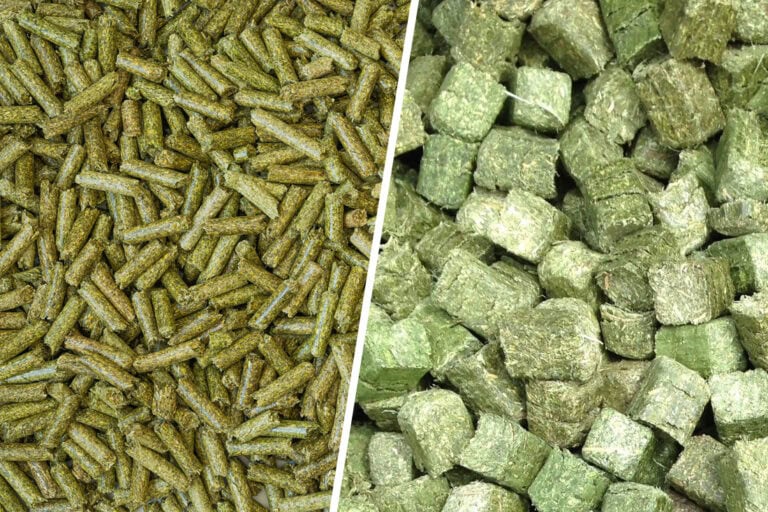
Forage should constitute the bulk of your horse's diet, but not all of it needs to be provided as long-stemmed forages like baled hay. Forage cubes and pellets are other options that may be beneficial for horses in different management...

Feeding Psyllium to Horses
Psyllium for Horses: Benefits, Risks & Feeding Guide Dr. Christine Latham, Ph.D. | February 11, 2026 | Feeding Guides, Gut Health, Horse Health, Nutrition

Psyllium is a rich source of soluble fiber that can be incorporated into equine diets. Soluble fiber remains undigested by enzymes in the stomach (gastric juices), but passes into the hindgut where it may be partially digested by microbes. Psyllium...

Yearling Horse
How to Feed a Yearling Horse: 7-Step Nutrition Guide Dr. Christine Latham, Ph.D. | March 4, 2026 | Care & Management, Feeding Guides, Foals, Horse Health, Nutrition

A balanced feeding program is key for yearling horses, as it sets the foundation for their growth and development into adulthood. Yearlings are transitioning from foals to young horses, and their nutritional needs are unique during this stage of life.

how-to-feed-a-hard-keeper-horse
Feeding your Hard Keeper Horse [8-Step Guide] Haley Scofield, M.Sc., PAS | February 14, 2026 | Care & Management, Feeding Guides, Horse Health, Nutrition

Have you ever struggled with a horse that has a difficult time maintaining their body condition? For horse owners, the term "hard keeper" is more than just a casual phrase, it's a familiar and often perplexing challenge. Hard keepers, despite...

How to Feed Orphan Foal
How to Feed and Manage Orphan Foals: Guide to Milk Replacers & More Dr. Christine Latham, Ph.D. | March 4, 2026 | Breeding, Feeding Guides, Foals, Nutrition

An orphan foal is a young horse that cannot nurse their birth mother. Foals may be orphaned for a number of reasons, including the mare’s death or severe illness, rejection of the foal, or the mare’s failure to produce adequate...

Feeding Beet Pulp to Horses
Beet Pulp for Horses: Benefits, Nutrition & Feeding Guide Dr. Christine Latham, Ph.D. | February 11, 2026 | Care & Management, Feeding Guides, Nutrition

Beet pulp is a mainstay of many feeding programs for horses. This highly digestible feed is a good source of soluble fiber that supports hindgut function and helps meet energy requirements. Beet pulp is a by-product of sugar extraction from...

How to Feed an Off the Track Thoroughbred (OTTB): [7-Step Guide] Dr. Christine Latham, Ph.D. | March 4, 2026 | Breeds, Feeding Guides, Horse Health, Nutrition

Off-the-track Thoroughbreds (OTTB) can be wonderful companions and athletes, but they do come with their share of breed-specific challenges. After retiring from the racing industry, these horses often require specific care and training to adapt to new disciplines or leisure...

Feeding and Management of Stallions
How to Feed and Manage Stallions: Nutrition Guide Dr. Christine Latham, Ph.D. | March 4, 2026 | Breeding, Feeding Guides, Nutrition

Stallions have unique nutrition and behavioral needs because of their high activity level and potential to become aggressive towards herd mates and humans. Often housed alone, stallions can develop stereotypic behaviours that further complicate their management. Young colts require consistent...

How to Feed a Donkey
How to Feed Your Donkey – [Nutrition Guide & Sample Diet] Melissa McGilloway, B.B.R.M., M.Sc. | March 4, 2026 | Breeds, Feeding Guides, Nutrition

Although donkeys and horses are kept similarly, they are two distinct species that have evolved separately from one another. As such, donkeys and horses have different nutrient requirements. In developed countries, donkeys are more commonly kept as leisure mounts and...

Whey Protein for Horses
Whey Protein for Horses: Benefits & Feeding Guide Jaime Thomas, B.Sc. | March 5, 2026 | Feeding Guides, Nutrition

Whey protein is a cost-effective, high-quality protein source that is safe to feed to horses. Whey is a common ingredient in commercial horse feeds and is also available as a standalone supplement. Whey protein is considered a complete protein source...

How to Feed a Horse with PPID
How to Feed a Horse with PPID (Cushing’s Disease) [10-Step Guide] Dr. Eleanor Kellon, VMD | February 15, 2026 | Conditions, Feeding Guides, Nutrition

Feeding horses with pituitary pars intermedia dysfunction (PPID), previously referred to as Equine Cushing’s disease, can be a challenge. Horses affected by PPID are typically older and may have other health issues including equine metabolic syndrome (EMS). This condition can...

How to Feed the Growing Foal
How to Feed a Growing Foal: Nutrition from Birth to Yearling Dr. Priska Darani, Ph.D., PAS | March 5, 2026 | Breeding, Feeding Guides, Nutrition

Raising a healthy foal involves working closely with your veterinarian and equine nutritionist to make sure they are maintaining proper growth and development. Foals grow quickly in the first few months after birth, reaching ~80% of their mature height and...

How to Feed Exercising Horse
Feeding Horses in Work – Nutritional Requirements & Example Diets Dr. Priska Darani, Ph.D., PAS | February 16, 2026 | Feeding Guides, Nutrition, Performance

Performance horses have higher energy and protein requirements than horses at maintenance (not exercising). Formulating diets to meet the requirements of horses in work should take into account their level of work and performance goals, as well as help mitigate...