English

Domperidone, sold under the trade name Equidone® Gel, is a medication used in horses to support hormone balance and digestive function. It works by blocking dopamine, a neurotransmitter that suppresses certain hormones, including prolactin.
In equine practice, domperidone is most commonly used in pregnant mares to prevent or manage complications linked to fescue toxicosis. [1][2]
Beyond its role in reproductive management, domperidone has also been studied for its effects on gastrointestinal motility and blood flow in horses. [3][4] These effects are related to its influence on dopamine-regulated processes throughout the body. [1]
Although domperidone was originally developed for use in humans, equine-approved formulations are available by veterinary prescription. Unlike some similar drugs, it has limited penetration into the central nervous system, which influences its effectiveness and side effect profile. [5]
Keep reading to learn when domperidone is used in horses, how it works, its benefits and side effects, and what to expect during treatment.
Domperidone for Horses
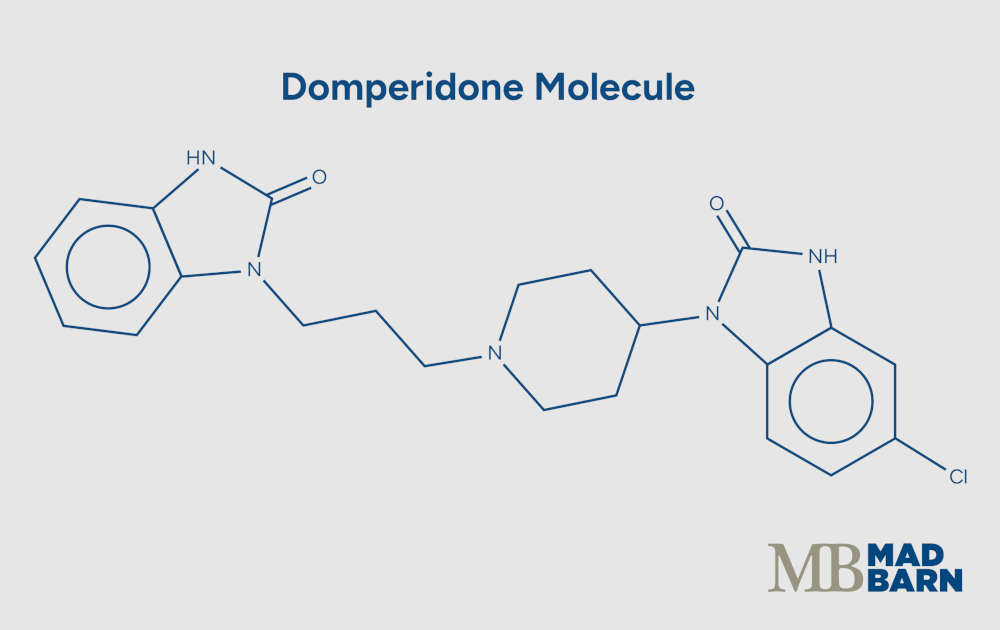
Domperidone is a prokinetic and endocrine-modulating drug, influencing both gastrointestinal motility and hormone regulation in horses. It is a dopamine antagonist that primarily acts outside the central nervous system. [5]
In horses, domperidone is most often used to manage reproductive complications associated with fescue toxicosis. [1][2] It has also been investigated for effects on gastrointestinal transit and blood flow within the hoof tissues, but these uses are not well-established. [3][4]
Domperidone may be preferable to some alternative medications, as it does not readily cross the blood–brain barrier, which reduces central nervous system effects. [5]
Available Forms
Domperidone is FDA-approved for use in horses and is most commonly available as Equidone® Gel, an oral suspension.
In some clinical settings, domperidone may also be prepared by compounding pharmacies in other oral dosage forms. [6]
What's your top priority with your horse's health?

What's your top priority with your horse's health?
Drug Class: Dopamine Receptor Antagonists
Domperidone is classified as a dopamine receptor antagonist, specifically targeting D2 receptors. [5] These drugs act by blocking dopamine’s inhibitory effects on endocrine and gastrointestinal processes. [6]
Other drugs in this class include: [6]
- Metoclopramide
- Sulpiride
Although these drugs share similar mechanisms, domperidone has minimal penetration across the blood–brain barrier compared to others in this class. This reduces central nervous system effects during treatment. [5]
Mechanism of Action
Domperidone acts by blocking D2 dopamine receptors. [1][5] Dopamine is a neurotransmitter that helps regulate hormone release and other functions in the body. One of its roles is to suppress prolactin secretion from the anterior pituitary gland. By inhibiting dopamine, domperidone increases circulating prolactin concentrations. [1][8]
Prolactin is essential for several physiologic processes in mares, including mammary gland development and the initiation of lactation. Increased prolactin concentrations following domperidone administration support normal colostrum production and milk secretion. [1][2]
In mares with fescue toxicosis, toxins produced by fungus-infected fescue suppress prolactin secretion. Domperidone helps counter this effect by blocking dopamine receptors, which allows prolactin levels to rise and supports more normal reproductive function. [1][2][8]
Domperidone can also affect gastrointestinal function by influencing how quickly feed moves through the upper digestive tract. In horses, higher oral doses have been shown to increase gastric emptying, meaning feed leaves the stomach more quickly.
This suggests domperidone may have a prokinetic effect, meaning it can help stimulate normal movement through the upper gastrointestinal tract. At lower doses, these effects on gastrointestinal transit were not significant. [3]
Additionally, domperidone has been studied for its effects on blood flow within the hoof laminae, the sensitive tissues that help suspend the coffin bone within the hoof capsule. Although some effects on laminar perfusion have been observed, the clinical relevance of these findings remains unclear. [4]
Uses in Horses
Domperidone is used in equine medicine for several indications. Some uses are validated by the drug manufacturers, while others are considered off-label. Off-label use refers to administration of a drug in a manner not specified on the approved product label.
Fescue Toxicosis
Domperidone is labelled for equine use for prevention and treatment of reproductive complications associated with fescue toxicosis in pregnant mares. [1][2]
Fescue toxicosis is a condition caused by toxins produced by an endophyte species of fungus that lives within certain types of fescue grass. These toxins interfere with normal hormone function, particularly by suppressing prolactin production. [9]
Mares consuming endophyte-infected fescue may develop: [9]
- Prolonged gestation
- Reduced or absent milk production (agalactia)
- Dystocia
- Retained placenta
- Weak or underdeveloped foals
Domperidone is administered in an effort to reduce the incidence of these complications and improve reproductive outcomes, including resolution of agalactia and restoration of adequate gestation time. [1][2]
Off-Label Uses
Off-label use is permitted under veterinary prescribing regulations when no approved equine alternative is available. In these cases, veterinarians rely on published research, clinical experience, and established treatment protocols to determine appropriate dosing and monitoring.
Reproductive Modulation
Domperidone has been studied for its effects on reproductive physiology in mares, including stimulation of ovulation during seasonal transition or anestrus. [10]
In some cases, domperidone is used in combination with other hormonal therapies, which may improve ovulatory response compared to untreated mares. [10]
Gastrointestinal Motility
Domperidone has been evaluated for its effects on gastrointestinal motility in horses. [3]
Research on this potential application has shown: [3]
- Higher oral doses may increase gastric emptying
- Lower doses may have minimal effect on gastrointestinal transit
These findings suggest a potential role in managing certain gastrointestinal motility disorders, although routine clinical use is limited. [3]
Laminitis & Vascular Effects
Domperidone has been investigated for its effects on digital laminar blood flow. [4]
Laminitis involves changes in blood flow and inflammation in the hoof, and improving circulation in small blood vessels has been suggested as a possible treatment. However, current evidence does not support a definitive clinical role for domperidone in laminitis management. [4]
Administration Routes
Domperidone is typically administered orally in horses.
For labeled Equidone® Gel formulations, dosing is performed using a calibrated syringe to deliver an accurate amount based on the horse’s body weight. [6]
Dosage
For preventive treatment of suspected fescue toxicity, domperidone is usually prescribed at a rate of 1.1 mg/kg body weight once daily, starting 10 – 15 days before the expected foaling date. Dosing may continue for up to five days post foaling to support lactation. [6]
For off-label uses of domperidone in horses, standardized dosing recommendations are not universally established. Variability in drug absorption and response between individual horses should be considered when developing treatment plans. [7]
Storage
Always store medications according to the product label, out of reach from children and animals.
Domperidone formulations should be stored: [5][6]
- In a tightly sealed container
- Protected from light
- At room temperature
Safety Warnings & Precautions
Domperidone should be used cautiously and only under veterinary supervision. It’s important for caretakers to note that treatment with domperidone can cause a false positive on the milk calcium test used to predict foaling date. [6]
Improper timing of administration may result in premature lactation or parturition (labor). [6] Differences in drug metabolism and physiologic response between horses can influence both efficacy and safety. [7]
Monitoring
Horses receiving domperidone should be monitored for: [1][2]
- Signs of early or abnormal lactation
- Adequacy of colostrum production
- Normal progression of pregnancy and foaling
Monitoring reproductive outcomes and lactation success is important to ensure effective treatment. [1][2]
Contraindications
Contraindications refer to circumstances where a drug should be avoided or used with caution.
Domperidone should not be used in certain situations, including: [6]
- Early pregnancy due to the risk of premature parturition (labor)
- Conditions in which increased prolactin levels are undesirable
- Known hypersensitivity to the drug
- Gastrointestinal obstruction
Domperidone is intended for use in late-gestation mares, and inappropriate timing may result in adverse reproductive outcomes. [6]
Side Effects
Domperidone is generally well-tolerated in horses, but side effects may occur.
Reported side effects include: [1][6]
- Premature milk production
- Alterations in colostrum quality, which may affect passive transfer of immunity
- Mild gastrointestinal disturbances
These effects are primarily related to increased prolactin concentrations and endocrine changes. [1][6]
Premature lactation may occur if domperidone is administered too early in gestation, which may compromise colostrum quality at foaling. [6]
Acute Toxicity (Overdose)
Information on acute toxicity in horses is limited. However, excessive dosing may increase the likelihood of endocrine-related negative effects. [1][5]
Because domperidone affects dopamine and increases prolactin, an overdose can overstimulate lactation and reproductive processes. This may lead to early or abnormal mammary development, abnormal milk production, and hormonal imbalance in late-gestation mares. [1][5]
Gastrointestinal effects may also occur at higher-than-recommended doses. Although domperidone has demonstrated prokinetic effects at certain doses, excessive exposure may alter normal gastrointestinal motility patterns, potentially leading to changes in gastric emptying or fecal output. [3]
The severity and presentation of toxicity may vary depending on the dose, timing relative to gestation, and individual differences in drug metabolism and sensitivity. [7]
Contact the treating veterinarian if any of the following apply:
- Premature labor is suspected
- Significant abnormalities in lactation occur
- Unusual clinical signs develop
- Signs of colic or altered gastrointestinal function are observed
- The foal appears weak or fails to nurse appropriately following birth
Prompt evaluation is important to protect both the mare and foal and to guide appropriate supportive care.

Drug Interactions
Domperidone may interact with other medications that affect gastrointestinal motility or dopamine signaling. [5]
Because domperidone acts as a D2 dopamine receptor antagonist, concurrent use with other drugs in this class, such as metoclopramide or sulpiride, may result in additive effects on gastrointestinal motility and endocrine function. [5] These combined effects may increase the likelihood of altered prolactin concentrations or changes in gastrointestinal activity.
Conversely, drugs with dopaminergic (dopamine agonist) activity may reduce the effectiveness of domperidone by opposing its mechanism of action. This interaction is particularly relevant in conditions where prolactin modulation is the therapeutic goal. [5]
Concurrent use with drugs that alter gastric pH or motility may influence domperidone’s effectiveness. Potential interactions include: [6]
- Antacids or medications that reduce gastric acidity may affect drug dissolution and absorption
- Other prokinetic agents, such as metoclopramide, may have additive or unpredictable effects on gastric emptying
- Drugs that slow gastrointestinal transit may alter the timing or extent of domperidone absorption
These interactions may lead to variability in clinical response, particularly with oral formulations. [6]
Regulatory Status & Legal Considerations
Domperidone is approved by the FDA and Health Canada for use in horses, particularly for the management of fescue toxicosis in pregnant mares. [1]
It may be used off-label at the discretion of a licensed veterinarian for its effects on gastrointestinal motility. [3] It is under investigation for its potential in management or prevention of laminitis, but these effects have not been well-documented. [4]
Status in Competition
Domperidone is a banned substance in equine competition because it can affect hormone regulation and other physiologic processes. [11]
Work with your veterinarian to determine appropriate withdrawal times and always consult the current regulations for your discipline before starting a competition horse on a new medication.
Frequently Asked Questions
Here are some frequently asked questions about domperidone (Equidone® Gel) for horses:
Domperidone (Equidone® Gel) is primarily used in horses to prevent and treat reproductive complications associated with fescue toxicosis in pregnant mares. It helps restore normal hormone function, supporting milk production, appropriate gestation length, and foal viability. Its use is most common in mares exposed to endophyte-infected fescue. Treatment protocols are determined by a veterinarian.
Domperidone (Equidone® Gel) works by blocking dopamine receptors, which increases circulating prolactin levels. Dopamine normally suppresses prolactin release, so inhibiting this effect allows prolactin to rise. Prolactin is essential for mammary development and milk production in late-gestation mares. This mechanism makes domperidone particularly useful in managing fescue toxicosis.
Domperidone (Equidone® Gel) is typically administered during the final 10 to 15 days of gestation. This timing helps support normal lactation and foaling while reducing the risk of complications associated with suppressed prolactin. Starting treatment at the correct stage of pregnancy is important for optimal outcomes. Veterinary guidance is required to determine appropriate timing.
Domperidone (Equidone® Gel) is administered orally as a gel formulation. The medication is typically given once daily based on the mare's body weight. Consistent dosing is important to maintain therapeutic effects during late gestation. Administration should follow veterinary instructions.
Domperidone (Equidone® Gel) may begin affecting hormone levels within a few days of administration, but clinical effects such as improved udder development or milk production may take several days to become apparent. Response time can vary depending on the severity of fescue toxicosis and timing of treatment. Early intervention generally improves outcomes.
Domperidone (Equidone® Gel) is generally well-tolerated in horses, but side effects can occur. Reported effects include premature milk production, changes in colostrum quality, and mild gastrointestinal upset. Monitoring during treatment helps identify and manage any issues.
Domperidone (Equidone® Gel) is primarily intended for use in pregnant mares and is not commonly used in other horse populations. Safety depends on appropriate timing, dosing, and clinical indication. It should only be used under veterinary supervision to ensure proper use. Off-label use requires careful consideration of risks and benefits.
Administering domperidone (Equidone® Gel) too early in pregnancy may cause premature lactation or premature labor. Early milk production can reduce colostrum quality at foaling, which may affect passive transfer of immunity to the foal. Proper timing of administration is essential to avoid these complications. Veterinary guidance helps ensure correct use.
Domperidone (Equidone® Gel) may be used off-label in horses for reproductive or gastrointestinal conditions. These uses are less common and not as well established as its role in managing fescue toxicosis. Any off-label use should be directed by a veterinarian. Clinical response may vary depending on the indication.
Domperidone (Equidone® Gel) can interact with medications that affect dopamine signaling or gastrointestinal motility. Drugs that stimulate dopamine receptors may reduce its effectiveness, while other prokinetic agents may have additive effects. These interactions can influence treatment outcomes. Veterinary oversight is important when combining therapies.
Domperidone (Equidone® Gel) is classified as a prohibited substance in most equestrian competitions. It must not be present in a horse’s system at the time of competition due to its hormonal effects. Withdrawal times should be determined in consultation with a veterinarian. Always check current competition regulations before use.
Summary
Domperidone is a prescription medication used in horses to support reproductive hormone balance, particularly in mares affected by fescue toxicosis. It works by blocking dopamine receptors, which increases prolactin levels and supports normal lactation and foaling outcomes.
- Primarily used to prevent and treat reproductive complications associated with endophyte-infected fescue in pregnant mares
- Increases circulating prolactin concentrations, supporting mammary development, colostrum production, and milk secretion
- May exhibit dose-dependent prokinetic effects, with higher doses associated with increased gastric emptying in controlled studies
- Requires careful timing of administration to avoid premature lactation, altered gestation length, or disruption of normal foaling
- Generally well-tolerated but may cause endocrine-related side effects, including changes in colostrum quality and early milk production
References
- Cross. D.L. et al. Clinical Effects of Domperidone on Fescue Toxicosis in Pregnant Mares. IVIS. 2019.
- Cross. D. L. et al. Efficacy of Domperidone Gel in an Induced Model of Fescue Toxicosis in Periparturient Mares. Theriogenology. 2012.
- Nieto J. E. et al. In Vivo and in Vitro Evaluation of the Effects of Domperidone on the Gastrointestinal Tract of Healthy Horses. Am J Vet Res. 2013.
- Castro J. R. et al. Effects of Domperidone on Digital Laminar Microvascular Blood Flow in Clinically Normal Adult Horses. Am J Vet Res. 2010.
- Papich. M. G. Saunders Handbook of Veterinary Drugs: Small and Large Animal. Fourth edition. Elsevier, St. Louis, Mo. 2016.
- Plumb. D. C. Plumb's Veterinary Drug Handbook: Desk. John Wiley & Sons. 2018.
- Cole. C. et al. Eds. Equine Pharmacology. Wiley Blackwell. 2015.
- King. S. S. et al. Dopamine Antagonist Affects Luteal Function But Not Cyclicity During the Autumn Transition. Journal of Equine Veterinary Science. 2008.
- Mostrom. M. S. Fescue Poisoning in Animals. Merck Veterinary Manual. 2024.
- Mitcham. P. B. et al.a Stimulation of Ovulation in Seasonally Anovulatory and Vernal Transitional Mares with Estradiol and Domperidone: Dose and Combination Studies. Journal of Equine Veterinary Science. 2010.
- 2026 Equine Prohibited Substances List. FEI. 2025.