English
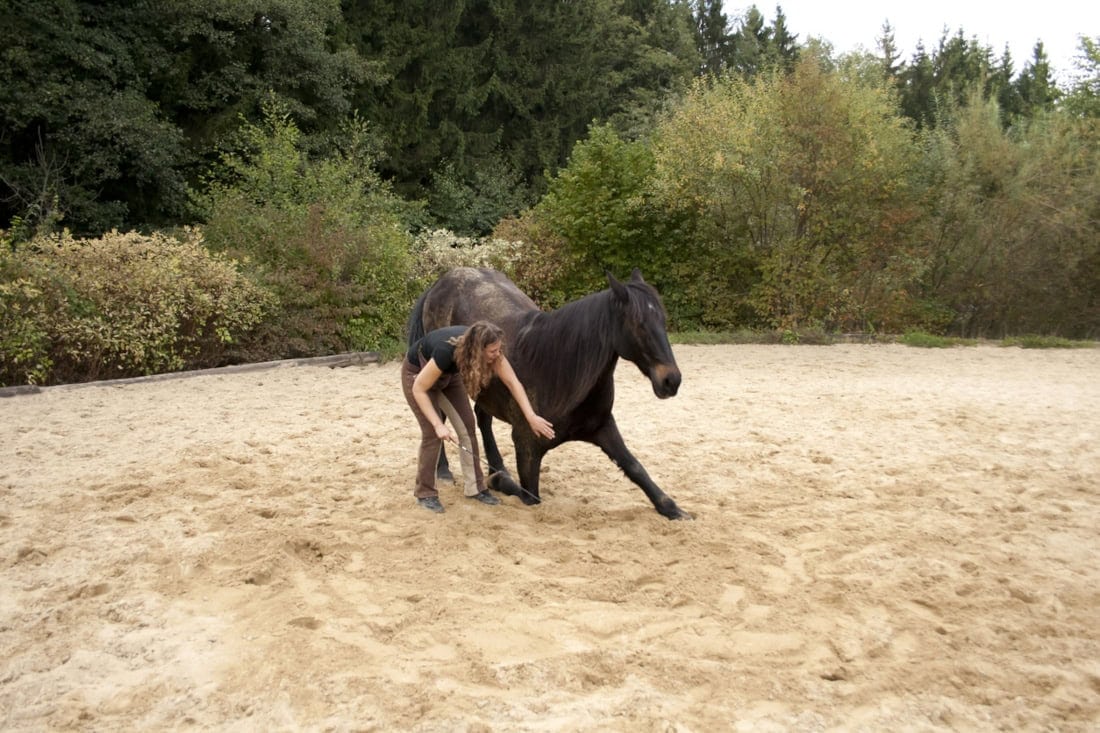
Equine physiotherapy has become an important component of modern horse care. This therapeutic modality focuses on injury prevention, rehabilitation, and performance enhancement, supporting a horse’s overall soundness and ability to perform in its discipline.
The physical demands placed on horses, particularly those involved in competitive sports or strenuous work, make them highly susceptible to musculoskeletal issues. These conditions can range from minor muscle strains to more severe tendon injuries, all of which can significantly impact a horse’s health, comfort, and mobility.
Physiotherapy tools are designed to address these issues by promoting healing, improving flexibility, and strengthening key muscle groups. From simple tools like massage rollers to advanced hydrotherapy and laser equipment, these implements help maintain equine well-being.
Proper use of rehabilitation tools can accelerate recovery from injuries and help prevent future issues by supporting overall musculoskeletal health. This article explores the various physiotherapy tools available for horses and examines their applications, benefits, and best practices for integrating them into a regular care routine.
Equine Physiotherapy Tools and Treatments
Equine physiotherapy involves specialized therapeutic techniques designed to improve a horse’s physical function and overall well-being. The primary goals include pain relief, restoring mobility, enhancing muscle strength, and supporting recovery from injuries or trauma.
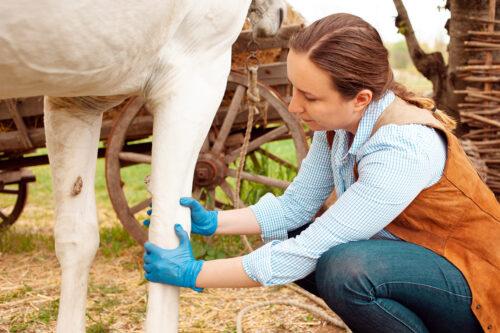
Equine physiotherapists collaborate closely with veterinarians to create individualized treatment plans that address each horse’s specific needs. Common applications include: [1]
- Injury rehabilitation
- Post-surgical recovery
- Preventative care
- Pain management
Horses recovering from musculoskeletal injuries often require a gradual return to exercise to restore strength, mobility, and coordination. Equine physiotherapy tools help support this process by allowing specific treatments and exercises to be incorporated into a rehabilitation program.
With advancements in veterinary science, a wide range of physiotherapy tools are now available to aid in rehabilitation and conditioning. Common techniques include thermal therapy, shockwave therapy, laser treatments, massage, hydrotherapy, and controlled stretches.
Each of these methods is complemented by specialized implements designed to maximize their effectiveness. These tools are carefully chosen based on the specific treatment goals, whether that is reducing inflammation, promoting circulation, relieving muscle tension, or improving joint mobility. By targeting precise areas and applying controlled force, these implements help facilitate the healing process, enhance performance, and support overall physical well-being. [1][2]
The best equipment to use depends on the horse’s condition and treatment goals. Some physiotherapy tools are suitable for use by horse owners, while others require specialized equipment and professional supervision. Understanding how these tools work and when to use them can help owners make informed decisions about their horse’s rehabilitation and ongoing care.
Balance Pads
Balance pads are used in equine physiotherapy to improve proprioception (awareness of body position and movement), enhance balance, and strengthen stabilizing muscles.
Balance pads are typically made from soft, pliable materials such as foam or rubber. When a horse stands on a pad, the surface shifts under its weight, creating an unstable platform.
This instability requires the horse to engage stabilizing muscles in the core, legs, and back to maintain balance. These continuous adjustments help strengthen muscles and improve neuromuscular coordination and body awareness. [3]
Applications
Balance pads have versatile applications in equine care, such as:
- Rehabilitation: Balance pads are highly effective for horses recovering from injuries, especially those involving the joints, tendons, or ligaments. The low-impact nature of balance pad exercises allows for gentle strengthening without placing excessive strain on damaged tissues.
- Strength training: Regular use of balance pads can help a horse develop core strength, which is crucial for maintaining posture and stability. Improved core strength reduces the risk of injury during strenuous activities.
- Injury prevention: By enhancing proprioception, balance pads help horses become more aware of their bodies. When an animal’s body awareness increases, the likelihood of injuries during training or competition is reduced.
Benefits
Incorporating balance pads into a physiotherapy routine for your horse offers numerous potential benefits:
- Enhanced balance and coordination: As the horse works to stabilize on the pad, they refine their balance and coordination, which translates to better performance in various equestrian disciplines.
- Joints stabilization: Strengthening the muscles around the joints supports joint health and stability, reducing the risk of strain or injury.
- Musculoskeletal rehabilitation: Balance pad exercises promote gentle muscle activation and controlled movements, which are essential for recovering from musculoskeletal injuries.
To maximize the benefits of balance pads, it is important to start slowly, beginning with short sessions and gradually increasing the duration as the horse becomes more comfortable and proficient.
Ensuring the horse is relaxed is also key; they should be calm during the exercise so that they do not tense up, allowing them to focus on balancing effectively. By following these guidelines, horses can gradually build stability and strength while minimizing the risk of stress or injury.
Massage Tools
Equine massage tools are used to alleviate muscle tension and improve circulation. They include manual devices and electric massagers designed to target specific muscle groups and areas of the horse’s body. Common tools include: [4]
- Handheld massagers: These portable devices are designed to target specific muscle groups, allowing for precise application. They are particularly useful for addressing localized tension or soreness.
- Massage mitts: Easy to use and versatile, massage mitts provide broader coverage, making them beneficial for general relaxation and warming up larger muscle groups. Their user-friendly design allows horse owners to offer hands-on care at the barn.
- Percussive massagers: These massagers are electric devices that deliver deep-tissue massage through rapid, pulsating movements. They are effective for relieving deep-seated muscle tension and stimulating blood flow in thick muscle areas like the back and hindquarters.
Applications and Benefits
Massage tools serve various purposes in equine care: [5][6][7]
- Muscle recovery: Following intense exercise or competition, massage can reduce muscle soreness by enhancing circulation and speeding up the removal of metabolic waste products.
- Tension relief: Regular use helps alleviate stiffness and tightness, particularly in common problem areas such as the neck, back, and hindquarters.
- Preventative care: Consistent massage maintains muscle suppleness, potentially preventing injuries and improving flexibility.
- Enhanced blood circulation: Massage may improve circulation, facilitating recovery and supporting overall health.
- Stress reduction: Massage promotes relaxation, reducing stress and can help contribute to a calmer, more focused horse.
- Increased flexibility: Regular massage may enhance muscle elasticity, supporting a greater range of motion and reducing the risk of strains or injuries.
When using massage tools, apply gentle pressure, particularly on sensitive areas, to prevent discomfort or injury. Professional guidance is recommended when using electric massagers, especially on horses with existing injuries or medical conditions.
Proper technique helps reduce the risk of adverse effects and ensure the horse remains comfortable during massage treatment.
Equine Hydrotherapy Equipment
Hydrotherapy is a component of modern equine rehabilitation and conditioning programs, using the therapeutic properties of water to support healing, improve performance, and aid in the management of chronic conditions.
Utilizing specialized hydrotherapy equipment, such as underwater treadmills and whirlpool spas, offers a controlled environment that benefits horses recovering from injuries or those in need of low-impact conditioning.
Common hydrotherapy equipment for horses includes: [2][8]
- Underwater treadmills: These treadmills are submerged in water, creating an environment where buoyancy reduces the gravitational load on the horse’s joints and limbs. This low-impact exercise method allows for controlled movement without the stress typically associated with weight-bearing activities. The water’s resistance also adds an element of strength training, engaging muscles more deeply than walking on land.
- Whirlpool spas: Whirlpool spas immerse the horse’s limbs or body in circulating, aerated water, providing a massaging effect. This hydro-massage stimulates blood circulation, reduces inflammation, and helps alleviate muscle tension.
Applications and Benefits
The potential benefits of hydrotherapy for horses include: [8][9][10]
- Rehabilitation: Hydrotherapy can be used for horses recovering from tendon and ligament injuries. The buoyancy of water supports the body, reducing weight-bearing forces on healing tissues during movement. Underwater treadmills can help restore strength, flexibility, and range of motion in a controlled setting.
- Conditioning: For performance horses, hydrotherapy provides a means of cardiovascular conditioning with reduced weight-bearing forces on joints. The resistance of the water provides an opportunity for muscle strengthening, while the reduced impact helps maintain fitness with less stress on the musculoskeletal system.
- Pain management: Horses with chronic conditions such as arthritis may benefit from hydrotherapy. The warmth of the water and the gentle massage provided by whirlpool spas may help relieve pain and stiffness, supporting comfort and mobility.
- Improved muscle strength and endurance: The resistance offered by water requires the horse to exert more effort during movement, which can help improve muscle strength and endurance while reducing impact forces.
Hydrotherapy sessions should always be conducted under the supervision of trained professionals. Proper oversight ensures that the exercises are matched to the horse’s specific needs and that safety protocols are followed.
Additionally, factors such as water temperature, duration of sessions, and the horse’s overall health condition must be carefully considered to maximize benefits and prevent complications.
Heat & Cold Therapy
Thermal therapies are widely used in managing equine injuries and chronic conditions, offering different benefits depending on whether heat or cold is applied. Both approaches utilize specialized tools to target specific issues, with appropriate application needed for safe and effective treatment. [1][2]
Cold Therapy
Cold therapy involves applying low temperatures to affected tissues to help reduce pain and swelling associated with acute injuries. Common tools include: [11][12]
- Ice boots: Designed to wrap around a horse’s legs, ice boots provide cooling to help reduce swelling and inflammation, particularly in the lower limbs.
- Cold packs: These packs can be applied to targeted areas, providing localized cooling for acute injuries such as strains or sprains. They can also be used after intense exercise to help manage soreness and swelling.
Cold therapy lowers tissue temperature, causing local blood vessels to constrict and reducing metabolic activity in the affected area. Cooling also slows nerve conduction, which can provide temporary pain relief. These effects can help manage inflammation and swelling following an injury or strenuous exercise. [2]
Heat Therapy
Heat therapy involves applying warmth to tissues to increase local blood flow and relieve muscle tension and stiffness. As tissue temperature rises, blood vessels dilate, increasing circulation to the affected area. Heat can also help relax tense muscles and temporarily improve flexibility and range of motion.
Heat therapy is primarily used for horses with chronic muscle stiffness, pain, or older injuries. Common tools include: [4]
- Heating pads: These pads provide consistent warmth to large muscle groups, helping ease tension and improve flexibility. They may be beneficial for horses with chronic back or neck stiffness.
- Infrared lamps: These devices deliver radiant heat to tissues, increasing local temperature and blood circulation. The depth of heating depends on the type of infrared radiation and the device used.
Heat therapy can also be used to prepare muscles for exercise by reducing stiffness and improving mobility. However, heat should generally be avoided in areas with acute inflammation or swelling, as increased blood flow can worsen these symptoms.
Applications and Benefits
When using thermal treatments with your horse, always apply heat or cold with a protective barrier between the device and the horse’s skin to reduce the risk of burns or cold injury. Application should generally be limited to 15 to 20 minutes, although the appropriate duration depends on the equipment and treatment goals.
Monitor the horse throughout treatment and check the skin for signs of irritation or discomfort. Consult a veterinarian or qualified equine physiotherapist to determine the appropriate temperature, duration, and frequency of treatment, particularly for horses with existing injuries or chronic conditions.
Electrophysical Therapies
Electrophysical therapies use specialized equipment to deliver physical energy to tissues for therapeutic purposes. Shockwave therapy and therapeutic ultrasound use acoustic energy (sound waves), while laser and red light therapy use light energy to produce biological effects in targeted tissues.
In equine physiotherapy protocols, their uses is intended to address pain and inflammation and support tissue repair.
Shockwave Therapy
Extracorporeal shockwave therapy (ESWT) uses specialized equipment to deliver high-energy acoustic waves into targeted tissues. These pressure waves produce mechanical forces that are purported to stimulate cellular responses involved in tissue repair.
Veterinarians and physiotherapists use shockwave therapy to treat several musculoskeletal conditions in horses, including suspensory ligament injuries, osteoarthritis, and back pain. Treatment parameters, including the energy level, number of pulses, and treatment depth, are adjusted according to the affected tissues.
Evidence supporting shockwave therapy varies by condition, with some research showing benefits for suspensory ligament injuries. [13] Shockwave therapy should be administered by a veterinarian or under veterinary supervision.
Its potential pain-relieving effects can temporarily mask lameness, and many equestrian organizations restrict treatment before competitions.
Therapeutic Ultrasound
Therapeutic ultrasound is a treatment that involves using specialized equipment to deliver high-frequency sound waves into tissues. Unlike diagnostic ultrasound, which produces images of internal structures, therapeutic ultrasound is used to produce physiological responses in tissues.
The acoustic waves generated by the machine transfer mechanical energy into cells, causing microscopic vibrations. As the energy is absorbed, it can increase tissue temperature, particularly when ultrasound is applied continuously.
Ultrasound devices use a handheld transducer applied to the skin with a coupling gel to transmit sound waves. Treatment settings include frequency, intensity, duration, and continuous or pulsed delivery. Pulsed ultrasound delivers energy intermittently, producing less heating than continuous ultrasound at comparable intensities.
Therapeutic ultrasound is used in equine rehabilitation for conditions involving tendons, ligaments, and muscles. Its proposed benefits include improving tissue flexibility, relieving pain, and supporting tissue repair.
Although research has demonstrated heating effects in equine tendons, a systematic review found insufficient evidence that therapeutic ultrasound improves clinical outcomes in horses with musculoskeletal injuries. [14]
Treatment should be administered by a veterinarian or qualified equine physiotherapist. Incorrect application or excessive energy delivery can cause tissue damage.
Laser Therapy
Laser therapy uses concentrated light energy at specific wavelengths to influence cellular activity in targeted tissues. Low-level laser therapy is a form of photobiomodulation that uses light to produce biological effects without substantial tissue heating. [15]
Therapeutic laser devices vary in wavelength, power output, and tissue penetration. These characteristics influence the amount of light energy delivered to the treatment area.
Laser therapy is used in equine rehabilitation for conditions involving tendons, ligaments, joints, and other soft tissues. Its proposed effects include changes in cellular metabolism, inflammation, and tissue repair.
One clinical trial involving 61 Quarter Horses found that low-level laser therapy reduced back pain, muscle tension, and trunk stiffness. However, research into its effectiveness for other equine musculoskeletal conditions remains limited. [16]
Treatment protocols depend on the condition being treated and the equipment used. Higher-powered lasers require appropriate operator training and eye protection to prevent injury.
Red Light Therapy
Red light therapy uses red and near-infrared light to influence cellular activity in different tissues in the horse’s body. It is a form of photobiomodulation commonly delivered through different devices including LED pads, panels, or wraps. [17]
Red light generally penetrates more superficial tissues, while near-infrared wavelengths can reach deeper structures. The amount of light reaching the target tissue depends on wavelength, device output, and treatment conditions.
Red light therapy is used in equine physiotherapy for muscle recovery, joint discomfort, and certain skin conditions. Its proposed effects include changes in mitochondrial activity, cellular energy metabolism, and inflammatory signaling. [17]
However, research into red light therapy for horses remains limited, and treatment outcomes depend on the condition and equipment used. Red light therapy should be considered an adjunct to veterinary treatment rather than a replacement for established rehabilitation methods.
Frequently Asked Questions
Here are some frequently asked questions about physiotherapy implements:
Equine physiotherapy is a comprehensive and focused treatment approach conducted by a qualified equine physiotherapist. It incorporates a wide range of techniques, such as soft tissue manipulation, physical therapy, electrotherapy, and rehabilitative exercises, to promote healing and achieve optimal results for the horse. [1]
Equine physiotherapists use various instruments to aid in treatment and rehabilitation. These include massage tools like handheld massagers and rollers to relieve muscle tension and improve circulation. Balance pads help improve balance and core strength by providing an unstable surface for the horse to stand on. Laser therapy devices promote healing and reduce inflammation, while shockwave therapy machines stimulate tissue repair. Hydrotherapy equipment, such as underwater treadmills, offers low-impact exercise for recovery. Each tool targets specific aspects of the horse's physical health. [3][4][9][10][11]
Hydrotherapy supports rehabilitation, conditioning, and pain management. Tools like underwater treadmills and whirlpool spas provide low-impact exercise, promote healing, and improve muscle strength and flexibility. [10][9][11]
Cold therapy is ideal for acute injuries to reduce inflammation, while heat therapy relieves chronic muscle tension and stiffness. Used together, they support comprehensive recovery and promote healing. [2]
Summary
Physiotherapy tools are used in equine rehabilitation and conditioning to support mobility, muscle function, and recovery from injuries.
- Physiotherapy tools can aid in injury recovery and conditioning. Balance pads help improve coordination and stability, while hydrotherapy equipment allows for controlled exercise.
- Massage tools and heat therapy can help relieve muscle tension and stiffness, while cold therapy is used to manage pain and swelling associated with acute injuries.
- Each tool has specific applications. The choice of equipment depends on the horse's condition and treatment goals. Some tools are suitable for use by horse owners, while others require professional supervision.
References
- Buchner. H. H. F. and Schildboeck. U., Physiotherapy Applied to the Horse: A Review. Equine Veterinary Journal. 2006. View Summary
- Atalaia. T. et al., Equine Rehabilitation: A Scoping Review of the Literature. Animals. 2021. View Summary
- Cathcart. J. et al., Short Term Use of Balance Pads on Postural Sway and Musculus Multifidus Cross Sectional Area in Horses. Journal of Equine Rehabilitation. 2024.
- Goldberg. M. E. and Tomlinson. J. (Eds.) Physical Rehabilitation for Veterinary Technicians and Nurses. Second edition. Wiley-Blackwell, Hoboken, New Jersey. 2024.
- Scott. M. and Swenson. L. A., Evaluating the Benefits of Equine Massage Therapy: A Review of the Evidence and Current Practices. Journal of Equine Veterinary Science. 2009.
- Weerapong. P. et al., The Mechanisms of Massage and Effects on Performance, Muscle Recovery and Injury Prevention. Sports Medicine. 2005.
- McBride. S. D. et al., A Preliminary Study on the Effect of Massage to Reduce Stress in the Horse. Journal of Equine Veterinary Science. 2004.
- Muñoz. A. et al., The Use of the Water Treadmill for the Rehabilitation of Musculoskeletal Injuries in the Sport Horse. Journal of Veterinary Research. 2019. View Summary
- Adair. H. S., Aquatic Therapy for Conditioning and Treatment of Tendon and Ligament Injuries. 2011.
- Salem, P. Equine Hydrotherapy: How to Introduce Your Horse to Aquatic Exercise. Fédération Équestre Internationale. 2024.
- Daglish. J. and Mama. K. R., Pain: Its Diagnosis and Management in the Rehabilitation of Horses. Veterinary Clinics of North America: Equine Practice. 2016. View Summary
- Bromiley. M. W., Ed., Equine Injury, Therapy and Rehabilitation, First Edition. Wiley. 2007.
- Qiu. Z. et al. Extracorporeal shock wave therapy for equine musculoskeletal disorders: from biological mechanisms to clinical applications. Front Vet Sci. 2025.
- Boström. A. et al., Systematic Review of Complementary and Alternative Veterinary Medicine in Sport and Companion Animals: Therapeutic Ultrasound. Animals. 2022. View Summary
- Riegel. R. J. and Godbold. J. C. Jr. (Eds.), Laser Therapy in Veterinary Medicine: Photobiomodulation. First edition. Wiley-Blackwell. 2017.
- Haussler. K. K. et al., Effects of Low-Level Laser Therapy and Chiropractic Care on Back Pain in Quarter Horses. Journal of Equine Veterinary Science. 2020. View Summary
- De Freitas. L. F. and Hamblin. M. R., Proposed Mechanisms of Photobiomodulation or Low-Level Light Therapy. IEEE Journal of Selected Topics in Quantum Electronics. 2016.