Analyze Diet
FeedBank
Feed Type

Inorganic Minerals for Horses

View nutrition analyses for inorganic mineral ingredients used in horse feeds and supplements in the Mad Barn Equine Feed Database. This category includes mineral sources not bound to organic molecules, such as zinc oxide, copper sulfate, manganese sulfate, ferrous sulfate, calcium carbonate, magnesium oxide, sodium chloride, dicalcium phosphate, sodium selenite, and calcium iodate.

Compare nutrient values for different inorganic mineral sources to understand their contribution of calcium, phosphorus, magnesium, sodium, chloride, zinc, copper, manganese, selenium, iodine, iron, and other essential minerals. Use this database to evaluate mineral ingredients by nutrient concentration, source, form, and role in supporting balanced equine nutrition.
Filters
Inorganic Minerals 83 entries
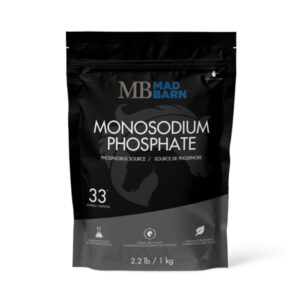
Monosodium Phosphate (Mad Barn)
Bone HealthBone Health
GrowthGrowth
IngredientIngredient
Mineral BalanceMineral Balance
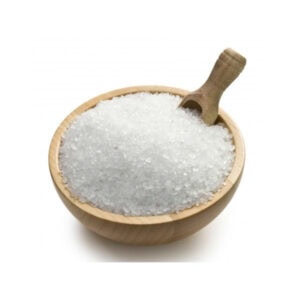
Monosodium Phosphate is a highly bioavailable source of phosphorus commonly used as an equine supplement. Phosphorus is considered an important component for metabolic function. Adult horses require 17 grams of phsophours a day.
Biofos (Mono-Calcium Phosphate)
Bone HealthBone Health
GrowthGrowth
IngredientIngredient
MuscleMuscle
Biofos is a feed-grade ingredient containing monocalcium phosphate. Biofos is used in equine supplements as a source of the minerals calcium (15%) and phosphorus (21%).
Bone Meal Steamed
Bone HealthBone Health
ElectrolyteElectrolyte
IngredientIngredient
MuscleMuscle
Steamed bone meal is an alternative feed source for livestock used to supply calcium and phosphorus. It is prepared by steaming bones under pressure then grinding and drying the material.
Calcium (0.16) 38% (Nature Belisle)
Bone HealthBone Health
IngredientIngredient
Mineral BalanceMineral Balance
NutrientsNutrients
Calcium (0.16) 38% by Nature Belisle is pure granular Potassium Carbonate.
Calcium Carbonate (Limestone Flour – 38% Ca)
Bone HealthBone Health
DentalDental
Hoof HealthHoof Health
UlcersUlcers
Calcium Carbonate, also known as limestone, is an inorganic source of calcium that is commonly used in equine mineral and vitamin premixes. This supplement ingredient contains 38% elemental calcium.
Calcium Chloride Anhydrous
Bone HealthBone Health
ElectrolyteElectrolyte
IngredientIngredient
MuscleMuscle
Calcium chloride is an inorganic calcium source sometimes added to equine feeds. Anhydrous forms of calcium chloride do not contain water in their molecular structure. Calcium requirements are higher for growing, gestating and lactating horses.
Calcium Chloride Dihydrate
Bone HealthBone Health
ElectrolyteElectrolyte
IngredientIngredient
MuscleMuscle
Calcium chloride is an inorganic form of calcium that is safe to use in equine diets. The dihydrate form of calcium chloride is bound to water. Calcium and phosphorus need to be provided in proper balance within the diet based on the horse's physiological status.
Calcium Hydroxide
Bone HealthBone Health
ElectrolyteElectrolyte
IngredientIngredient
MuscleMuscle
Calcium hydroxide (Ca(OH)2) is an inorganic form of calcium, also known as slaked lime. It is commonly used as an ingredient in animal feeds. Growing, gestating and lactating horses have higher calcium requirements.
Calcium Iodate
Bone HealthBone Health
EnergyEnergy
IngredientIngredient
MetabolismMetabolism
Calcium Iodate is used as an inorganic source of iodine for horses. Iodine is required to synthesize thyroid hormones which are important for regulating metabolic processes in the body.
Calcium Oxide
Bone HealthBone Health
ElectrolyteElectrolyte
IngredientIngredient
MuscleMuscle
Calcium oxide (CaO) is an inorganic form of calcium, also known as quicklime, used as a desiccant to absorb moisture. Calcium oxide can be added to cattle diets in small amounts. Its high affinity for water makes it unsuitable as a primary calcium source in equine diets.
Calcium Sulfate Dihydrate
Bone HealthBone Health
ElectrolyteElectrolyte
IngredientIngredient
MuscleMuscle
Calcium sulfate dihydrate, also known as gypsum, is an inorganic source of the macrominerals calcium (22-23%) and sulfur (18%). Feed-grade gypsum is used to meet the calcium and sulfur requirements of livestock.
Cobalt Carbonate
Blood CellsBlood Cells
CardiovascularCardiovascular
MetabolismMetabolism
StaminaStamina
Cobalt carbonate is used as a supplemental form of the trace mineral cobalt in equine diets. Cobalt is primarily used by microbes in the hindgut to synthesize vitamin B12 (cobalamin).
Cobalt Carbonate Hexahydrate
Blood CellsBlood Cells
ImmunityImmunity
IngredientIngredient
MetabolismMetabolism
Cobalt carbonate is an inorganic source of the trace mineral cobalt that can be added to equine diets. It is used by microbes in the hindgut to synthesize vitamin B12 (cobalamin).
Cobalt Dichloride
Blood CellsBlood Cells
ImmunityImmunity
IngredientIngredient
MetabolismMetabolism
Cobalt dichloride is an inorganic source of the trace mineral cobalt. This mineral is required to synthesize vitamin B12 (cobalamin) in the hindgut. Cobalt dichloride is also provided by intravenous injection to enhance performance in racehorses.
Cobalt Sulfate 7H2O
Blood CellsBlood Cells
ImmunityImmunity
IngredientIngredient
MetabolismMetabolism
Cobalt sulfate 7H2O is a cobalt and sulfur source that is safe for horses. It is less common than cobalt carbonate in horse feeds. Cobalt is required in the equine diet to synthesize vitamin B12.
Cobalt Sulfate H2O
Blood CellsBlood Cells
ImmunityImmunity
IngredientIngredient
MetabolismMetabolism
Cobalt sulfate is an inorganic source of the minerals cobalt and sulfur. It exists in monohydrate and heptahydrate forms. Although safe for horses, cobalt sulfate is less common in equine feeds than cobalt carbonate. Hindgut microbes require cobalt to synthesize vitamin B12 (cobalamin).
Copper Carbonate
AntioxidantAntioxidant
Coat QualityCoat Quality
Hoof HealthHoof Health
ImmunityImmunity
Copper carbonate is an inorganic source of the essential trace mineral copper, which is sometimes used as an ingredient in horse feeds and supplements. It is not as well absorbed as organic sources of copper.
Copper Chloride
AntioxidantAntioxidant
Coat QualityCoat Quality
Hoof HealthHoof Health
ImmunityImmunity
Copper chloride is an inorganic copper source added to livestock feeds. Horses require copper for many metabolic processes, including hemoglobin production and keratin synthesis. Copper can support coat colour, hoof growth and immune function in horses.
Copper Oxide
AntioxidantAntioxidant
Coat QualityCoat Quality
Hoof HealthHoof Health
ImmunityImmunity
Copper oxide is an inorganic source of the essential trace mineral copper that is sometimes used as an ingredient in horse feeds and supplements. It is not as well absorbed as organic sources of copper.
Copper Sulfate (5H2O)
AntioxidantAntioxidant
Coat QualityCoat Quality
Hoof HealthHoof Health
IngredientIngredient
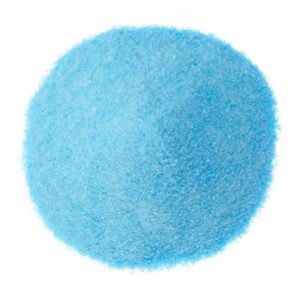
Copper(II) sulfate pentahydrate (CuSO4 5H2O) is an inorganic copper salt that is sometimes used in horse feeds. It is less bioavailable compared to copper amino acid complexes.
Copper Sulfate (Old Bridge)
HealthHealth
Mineral BalanceMineral Balance
NutrientsNutrients
NutritionNutrition
Copper Sulfate by Old Bridge Chemicals is intended as a feed ingredient to be mixed into feeds for cattle. It is a highly concentrated source of minerals that should not be fed directly to horses.
Curacao Phosphate
Bone HealthBone Health
GrowthGrowth
IngredientIngredient
MetabolismMetabolism
Curacao phosphate is an inorganic source of the minerals calcium (36%), phosphorus (14%) and fluorine mined in Curacao. Calcium and phosphorus are important for bone health and metabolic function. The correct ratio of calcium to phosphorus in the equine diet varies based on physiological status.
Ferrous Carbonate
Blood CellsBlood Cells
CirculationCirculation
IngredientIngredient
MuscleMuscle
Ferrous carbonate is a source of the mineral iron sometimes added to equine feeds. Most horses obtain excess iron from their forage and do not require supplementation of this mineral.
Ferrous Sulfate 7H2O
Blood CellsBlood Cells
CirculationCirculation
IngredientIngredient
MuscleMuscle
Ferrous sulfate is an iron source added to some equine feeds. It exists as either monohydrate or heptahydrate forms. Iron supplementation is not recommended for most horses as the equine diet typically contains excess iron from forages and grains.
Ferrous Sulfate H2O
Blood CellsBlood Cells
CirculationCirculation
IngredientIngredient
MuscleMuscle
Ferrous sulfate is a source of the mineral iron, which is added to equine feeds. It exists in monohydrate and heptahydrate forms. Iron supplementation is not recommended for most horses because forages in the equine diet typically supply excess iron.
Iron Oxide
Blood CellsBlood Cells
CirculationCirculation
IngredientIngredient
MuscleMuscle
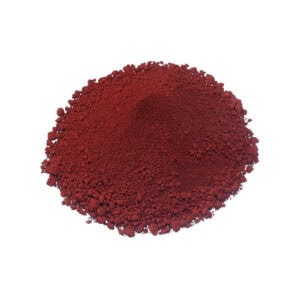
Iron oxide is an ingredient that is sometimes added to horse feeds as a source of iron. For most horses, it is recommended to avoid feeds that contain added iron because too much of this mineral can have adverse effects.
Limestone Dolomite Magnesium
Bone HealthBone Health
GrowthGrowth
IngredientIngredient
MuscleMuscle
Dolomite is a type of limestone that contains equal parts magnesium carbonate and calcium carbonate. Dolomite is added to equine diets to support bone health, muscle function and metabolism.
Limestone Flour
Bone HealthBone Health
GrowthGrowth
Mineral BalanceMineral Balance
NutrientsNutrients
Limestone Flour provides a source of calcium in horse feeds. This mineral can support milk production in lactating mares, bone and tissue growth, muscle contractions and nerve impulse transmission. Calcium must be fed in a balanced ratio to phosphorus.
Limestone Ground
Bone HealthBone Health
GrowthGrowth
IngredientIngredient
MuscleMuscle
Limestone is an excellent source of calcium commonly used in livestock supplements and feeds. It may be beneficial if your horse has a suboptimal calcium-phosphorous ratio or if the diet is not supplying enough calcium.
Magnesium Carbonate
CalmingCalming
ElectrolyteElectrolyte
IngredientIngredient
MuscleMuscle
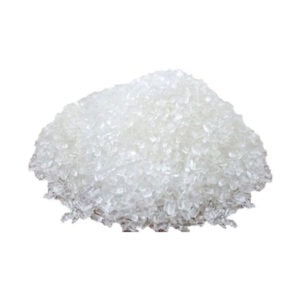
Magnesium Carbonate is an inorganic salt often used as a horse supplement to buffer stomach acids. It is a low-iron form of magnesium that is relatively bioavailable. 38 grams of magnesium carbonate provides 10 grams of elemental magnesium.
Magnesium Chloride
CalmingCalming
ElectrolyteElectrolyte
IngredientIngredient
MuscleMuscle
Magnesium Chloride is a form of magnesium salt that has a similar bioavailability in horses as magnesium oxide. It is not widely used as an equine supplement because it is not palatable to horses. To feed 10 grams of elemental magnesium, you would need to provide 62 grams of magnesium chloride.
Magnesium Hydroxide
CalmingCalming
ElectrolyteElectrolyte
IngredientIngredient
MuscleMuscle
Magnesium hydroxide is an inorganic form of the macromineral magnesium. It can be used to buffer stomach acid and may provide temporary relief of gastric ulcers. Magnesium hydroxide is not recommended as a supplement if additional magnesium is required in the diet.
Magnesium Oxide (MagOx)
CalmingCalming
IngredientIngredient
Metabolic SyndromeMetabolic Syndrome
MuscleMuscle
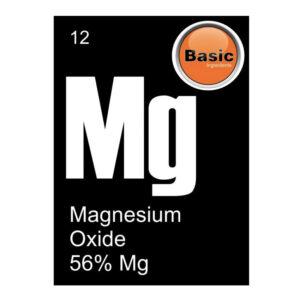
Magnesium oxide is a concentrated and cost-effective source of the mineral magnesium to add to the equine diet. It provides 56% elemental magnesium with 70% absorption from the gut.
Magnesium Sulfate (Epsom Salts)
ElectrolyteElectrolyte
Gut HealthGut Health
IngredientIngredient
MuscleMuscle
Magnesium sulfate is an inorganic source of the mineral magnesium. Epsom Salts can be used under veterinary guidance to promote gut motility.
Magnesium Sulfate Anhydrous
CalmingCalming
ElectrolyteElectrolyte
IngredientIngredient
MuscleMuscle
Magnesium Sulfate (epsom salts) is a form of magnesium that is not readily absorbed by horses. The anhydrous form does not contain water. Magnesium sulfate is not very palatable to horses and, if too much is fed, it can have a laxative effect.
MagOx (HorseTech)
CalmingCalming
Hoof HealthHoof Health
MetabolismMetabolism
MuscleMuscle
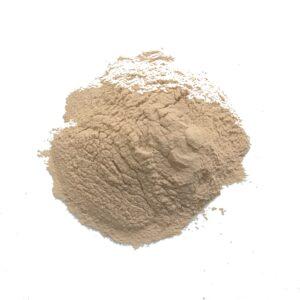
MagOx from HorseTech is a powdered magnesium oxide supplement that provides 56% elemental magnesium (Mg). MagOx is used to support a healthy nervous system and proper muscle function in horses.
Manganese Carbonate
AntioxidantAntioxidant
Bone HealthBone Health
IngredientIngredient
JointsJoints
Manganese carbonate is a form of manganese that is sometimes added to animal feeds. This trace mineral is important for bone formation, metabolism, and antioxidant protection. Manganese oxide or organic manganese amino acid complexes are more commonly used in equine diets.
Manganese Chloride 4H2O
AntioxidantAntioxidant
Bone HealthBone Health
IngredientIngredient
JointsJoints
Manganese Chloride Tetrahydrate can be added to equine feeds as an inorganic source of the trace mineral manganese. This mineral supports growth, metabolism, and antioxidant protection.
Manganese Chloride Anhydrous
AntioxidantAntioxidant
Bone HealthBone Health
IngredientIngredient
JointsJoints
Manganese chloride (MnCl2) is a source of the essential trace mineral manganese, which is required for growth, metabolic processes, and antioxidant protection. MnCl2 exists in several forms: anhydrous, dihydrate, or tetrahydrate. The tetrahydrate form is more common and can be added to animal feeds.
Manganese Oxide
AntioxidantAntioxidant
Bone HealthBone Health
IngredientIngredient
JointsJoints
Manganese oxide is a supplemental source of the trace mineral manganese for horses. Manganese is important for bone formation, healthy joints and acts as an antioxidant.
Manganese Sulfate
AntioxidantAntioxidant
Bone HealthBone Health
IngredientIngredient
JointsJoints
Manganese sulfate is an inorganic form of the trace mineral manganese. It is commonly supplemented in equine diets to support growth, immune function, antioxidant protection and metabolic health.
Manganese Sulfate 5H2O
AntioxidantAntioxidant
Bone HealthBone Health
GrowthGrowth
JointsJoints
Manganese sulfate 5H2O is a supplemental source of manganese that is added to equine diets. Manganese is an essential trace mineral involved in bone growth, antioxidant status, and metabolic processes.
Manganese Sulfate H2O
AntioxidantAntioxidant
GrowthGrowth
IngredientIngredient
JointsJoints
Manganese sulfate is an inorganic form of the trace mineral manganese. It is commonly added to equine diets to support growth, immune function, antioxidant protection and metabolic health.
Marine-Derived Calcium
IngredientIngredient
Mineral BalanceMineral Balance
NutrientsNutrients
NutritionNutrition
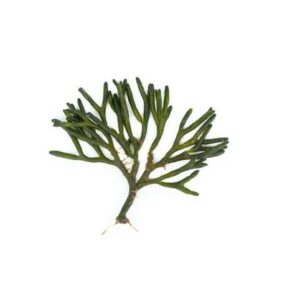
Marine-derived calcium is a natural source of calcium taken from marine materials, such as algae or shells.
Micronutrients Micro 4 (Nutreco) – [Discontinued]
HealthHealth
IngredientIngredient
Mineral BalanceMineral Balance
NutrientsNutrients
Micro 4 by Micronutrients is a now-discontinued mineral supplement intended for dairy cattle, now rebranded as IntelliBond® Vital 4. It contains zinc hydroxychloride, manganese hydroxychloride, copper chloride and cobalt carbonate.
MIN-AD – Calcium Magnesium (Papillion)
DigestionDigestion
HindgutHindgut
ProbioticProbiotic
UlcersUlcers
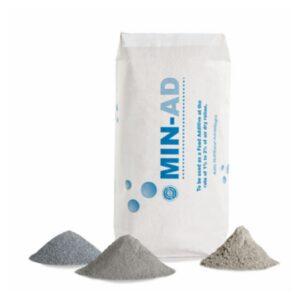
MIN-AD is an acid buffer additive containing magnesium carbonate. This supplement is a bioavailable source of Ca (22%) and Mg (12%) and can support gut microbial growth. MIN-AD is intended to be used for cattle.
Monocalcium Phosphate
Bone HealthBone Health
GrowthGrowth
IngredientIngredient
Mineral BalanceMineral Balance
Monocalcium phosphate (MCP) is an inorganic source of calcium and phosphorus. This ingredient is commonly used in equine mineral and vitamin supplements.
Monodicalcium Phosphate
IngredientIngredient
NutrientsNutrients
NutritionNutrition
Organic Trace MineralsOrganic Trace Minerals
Monodicalcium phosphate is a mineral supplement used as a source of calcium and phosphorus.
Monosodium Phosphate
Bone HealthBone Health
GrowthGrowth
IngredientIngredient
Mineral BalanceMineral Balance
Monosodium Phosphate is a bioavailable source of phosphorus used in equine supplements. Phosphorus is an important component of healthy bones and supports metabolic function and cell health.
Oyster Shell – Ground
Bone HealthBone Health
CardiovascularCardiovascular
IngredientIngredient
MuscleMuscle
Ground oyster shells are sometimes used in livestock feeds as a soluble source of calcium. It is primarily used in the diets of egg-laying chickens.
Phosphate – Defluorinated
Bone HealthBone Health
GrowthGrowth
IngredientIngredient
MetabolismMetabolism
Defluorinated phosphate is a natural source of the macromineral phosphorus that is heated to remove flourine. Phosphorus supports bone health and is critical for energy metabolism.
Is Your Horse's Diet Missing Anything?

Identify gaps in your horse's nutrition program to optimize their well-being.