English



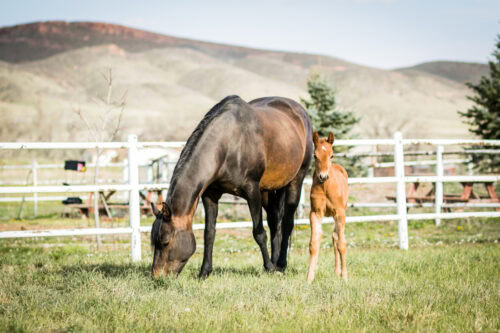
Foals are more vulnerable to cold than adult horses, especially in their first few weeks of life. Their limited fat reserves and higher surface area-to-body weight ratio mean they can lose heat quickly, particularly in wet, windy, or sudden cold weather. [1][2]
A well-chosen foal blanket or sheet can help protect foals from cold stress and exposure to adverse weather conditions. However, blanketing is not always necessary, and an ill-fitting blanket can lead to rubbing, restricted movement, or overheating.
Choosing the right foal blanket can feel overwhelming. Foals grow rapidly, weather conditions vary, and individual needs differ based on health status, activity level, and housing environment.
This guide walks through how to choose a foal blanket when one is needed, including sizing, materials, seasonal considerations, and proper care, to help keep your foal safe, comfortable, and appropriately protected during their first year of life.
Cold Weather Care for Foals
Foals have unique needs when it comes to staying warm. Their growing size combined with minimal fat stores and developing metabolism make them prone to heat loss, especially in wet, windy, or unusually cold conditions.
Healthy foals naturally generate and retain heat through several mechanisms, including: [1][2]
- Frequent nursing to provide energy
- Active movement and play
- Huddling with the dam or other foals
- Developing a thicker coat and some fat stores over the first few weeks of life
- Shivering, which can begin within minutes of birth
Despite these mechanisms, newborn foals lose heat quickly, particularly in damp or drafty environments, during delivery, or while being resuscitated. To minimize cold stress, foals should be thoroughly dried, placed on warm, dry bedding, and provided with supplemental heat when necessary, such as radiant lamps or warm-air blankets. [3][4][5][6]
Foals that may require extra care include: [1][2]
- Premature or weak foals with limited fat and lower energy reserves
- Slender foals with long necks
- Low birth weight foals that lose heat quickly
- Foals with thin coats or born during unseasonably cold weather
When to Blanket Your Foal
Environmental factors also influence a foal’s thermoregulation, or its ability to maintain a stable body temperature despite changes in weather and surroundings.
Even moderate temperatures can become stressful if a foal is wet, exposed to wind, or housed in shelters with inadequate insulation. Behaviors such as shivering, curling up, or seeking shelter are signs that additional warmth or a blanket may be needed.
Foal blankets and sheets help reduce heat loss by creating a protective layer that traps warm air close to the body and shields the foal from wind, rain, and snow. This added insulation lowers the energy a foal must expend to stay warm, allowing calories to be used for growth, nursing, and immune function instead of heat production.
Situations where foal blankets can provide support include:
- Cold snaps
- Prolonged wet weather
- Short-term protection after birth
- Seasonal transitions
- As part of a care plan for premature, weak, or sick foals
At the same time, overblanketing a foal carries risks. Excess insulation can cause overheating, sweating and restrict movement, which can harm foals just as much as the cold.
The goal of blanketing in both foals and adult horses is to support natural thermoregulation, not replace it. [7]
What's your top priority with your horse's health?

Enter your email to receive your store credit
Foal Blanket Measuring & Fit
When choosing a foal blanket or sheet, it’s important to consider fit, material, and weight.
A properly fitted blanket allows free movement and prevents rubbing or slipping, while the appropriate weight provides enough insulation for the weather conditions without causing overheating or restricting movement.
A blanket that is too small can restrict movement and cause rubbing, while one that is too large can slip, create pressure points, or pose a safety hazard. Because foals grow quickly, it’s essential to choose a size that fits now and allows for a bit of growth.
Measuring Your Foal
Measuring a foal correctly is the first step to finding the right blanket. To measure your foal properly, keep the following factors in mind: [8]
- Proper Tools: Use a flexible measuring tape to measure the length of your foal.
- Consider Growth: Foals grow quickly during the first few months and reach around 80% of their adult height by six months, continuing to grow throughout their first year. Adjustable blankets or slightly larger sizes help accommodate this rapid growth in both height and weight and reduce the need for frequent replacements.
- Body Type Matters: Stocky foals may need a wider cut, while refined or athletic breeds may fit standard sizes more closely.
To measure your foal for proper blanket fit: [8]
- Have your foal stand on level ground.
- Place the measuring tape at the center of the chest.
- Run the tape along the side of the body, just behind the front legs, to the point of the tail.
- The measurement to the tail indicates the correct blanket size.
Understanding Foal Blanket Sizes
Foal blankets and sheets are usually sized in inches or centimeters, which corresponds to the back length. Typical ranges include 28 – 48 in (71 – 122 cm), but sizes vary by brand.
Many blankets feature: [9][10]
- Adjustable Velcro® fronts or buckles for easy dressing
- Elastic surcingles and leg straps to accommodate movement and growth
- Gussets in the shoulder or chest area to improve fit and freedom of motion
Even after choosing the right size, it’s important to check the fit once your foal is wearing the blanket. A well-fitting foal blanket should: [10][11][12]
- Sit comfortably behind the withers without pinching
- Allow free movement of the shoulders and legs
- Cover the belly adequately without dragging
- Stay in place without shifting or causing pressure points
Daily checks are important. Foals can quickly outgrow a blanket, or straps may loosen or twist during play. Observing how your foal moves and interacts while wearing the blanket helps ensure comfort and safety.
Blanket Materials & Construction
Foal blankets are designed to provide warmth, protection, and safety. A variety of materials and designs are available, depending on your climate, management setup, and budget.
Many foal blankets avoid metal fastenings, such as buckles or rings, to reduce the risk of injury if a foal becomes caught or tangled. Instead, styles that use Velcro®, soft buckles, or elastic closures are generally safer for growing, playful foals.
Lining and insulation needs vary by purpose and season. Lightweight foal sheets have minimal padding for mild conditions, while winter blankets use synthetic fills or layered fabrics for extra warmth. High-quality construction ensures reinforced seams and soft materials prevent rubbing or chafing on sensitive foal skin.
By combining safe closures, durable fabrics, and gentle linings, foal blankets protect against the elements while allowing freedom of movement and comfort.
Types of Foal Blankets
Foal blankets and sheets come in a variety of styles, materials, and weights, but one key feature that sets modern foal blankets apart from general equine blankets is adjustability. Because foals grow quickly, adjustable blankets can accommodate changing body size and shape, ensuring a proper fit throughout the first months of life.
Some blankets are specifically designed as “grow-with-me” or expandable, featuring extra gussets, elastic panels, or adjustable straps that expand as the foal grows. These designs can last for several months, reducing the need to buy multiple sizes while keeping the foal safe and comfortable.
Turnout Blankets
Turnout blankets are designed for outdoor use and provide protection against rain, wind, and cold.
Adjustable features such as extendable surcingles, leg straps, and shoulder gussets allow the blanket to grow with the foal, preventing tight spots or rubbing. [7][13]
Waterproof outer fabrics combined with breathable linings help keep the foal dry and comfortable while allowing freedom of movement. [7][13]
Stable Blankets
Stable or indoor blankets are generally lighter than turnout blankets and are meant for use in stalls or sheltered areas.
Many stable blankets include adjustable fronts, elastic leg straps, and shoulder gussets to accommodate growing foals. They provide warmth without restricting movement, which is especially important during play and nursing. [7][13]
Sheets & Lightweight Rugs
Foal sheets and lightweight rugs are ideal for transitional weather, as well as for sun or insect protection.
Adjustable features, such as Velcro® or buckle closures, allow a snug but comfortable fit, and they can often be layered under heavier blankets for extra warmth.
How to Introduce a Blanket to a Foal
Blanketing a foal for the first time usually requires patience and gradual introduction. Foals are naturally curious and squirmy, and suddenly wrapping them in a blanket can startle them or cause discomfort.
Introducing the blanket slowly helps the foal accept it calmly and reduces the risk of rubbing, bucking, or panicking. [14][15]
Follow these steps to introduce a blanket or sheet to your foal for the first time: [4][7][13][14][15]
- Introduce the Blanket Slowly: Begin by letting the foal explore the blanket. Allow them to sniff and investigate the blanket on the ground, then gently drape it over their back for a few seconds at a time. Reward calm behavior with gentle pats or a soft voice. Having the dam nearby can help, as foals often take cues from their mare.
- Put on the Blanket: Once the foal is comfortable, fasten the blanket carefully. Straps should be snug but not tight, and quick-release buckles or Velcro® are ideal for safety. Make sure the blanket allows full movement at the shoulders and chest.
- Watch and Adjust: After fastening the blanket, observe the foal closely. Signs of comfort include relaxed posture, normal movement, and no biting or kicking at straps. Signs of distress, such as shying, tail-swishing, bucking, or rubbing, may indicate adjustments are needed. Remove the blanket if stress signs continue after adjustments.
- Gradually Increase Time and Check Daily: Allow your foal to wear the blanket for short periods of time and gradually increase the duration as they grow more tolerant of it. Daily checks help prevent rubbing, overheating, or restricted movement and allow for small adjustments as the foal grows.
Urgent Situations
Sometimes a foal needs a blanket immediately, such as when they are premature, weak, or sick, or exposed to sudden cold snaps or wet weather.
If your foal shows signs of weakness, lethargy, or low body temperature, contact your veterinarian. [6]
In these cases, put the blanket on carefully, ensuring freedom of movement, and monitor your foal closely. Gradual introduction and training can follow once your foal is stable. [6]

Daily Care & Maintenance
Foal blankets and sheets require proper maintenance to remain safe, comfortable, and long-lasting. Check blankets daily for rips, loose stitching, or worn straps, as foals can easily catch or damage them while playing. Ensure the blanket is clean and dry, especially after outdoor use, to prevent skin irritation or fungal growth. [4][7][9]
Regular laundering according to the manufacturer’s instructions helps maintain waterproofing, insulation, and hygiene. Avoid harsh detergents or bleach, as these can damage the fabric and reduce the blanket’s effectiveness. After washing, allow the blanket to dry completely before reuse.
Additionally, inspect fastenings, Velcro®, and elastic straps to ensure they are secure and functional. Properly adjusted straps reduce rubbing and shifting, ensuring the blanket fits comfortably and safely.
Common Blanketing Mistakes
Awareness of common mistakes can help prevent discomfort, injuries, and unnecessary costs. Some common blanketing mistakes with foals include: [4][7]
- Overblanketing: Too much insulation can cause overheating, sweating, or restricted movement
- Incorrect Fit: Blankets that are too small or too large can rub, slip, or restrict movement
- Missed Inspections: Damaged seams, torn fabric, or broken straps can create safety hazards
- Using Adult Blankets: Foal blankets are designed differently for safety and growth; adult blankets can pose injury risks
- Ignoring Weather Changes: A blanket that’s appropriate one day may be too warm or too light the next
Balancing Warmth, Safety & Growth
Blanketing a foal is a management decision that should be guided by the individual foal, the environment, and changing weather conditions. When used thoughtfully, the right blanket can provide short-term support during vulnerable periods without interfering with normal growth or thermoregulation.
By focusing on proper fit, appropriate materials, and daily monitoring, caregivers can help ensure foals stay comfortable and protected while still developing the natural ability to regulate their own body temperature as they mature.
Frequently Asked Questions
Here are some frequently asked questions about blanketing your foal:
A foal blanket is a specially designed blanket made for young horses to provide warmth, protection from the elements, and comfort while allowing freedom of movement. They often feature soft materials, safe fastenings, and adjustable sizing to accommodate rapid growth.
Not all foals need a blanket. Healthy foals can often regulate their body temperature naturally, but blankets can help in cases of premature, weak, or sick foals, during sudden cold snaps, wet weather, or seasonal transitions. The goal is to support, not replace, natural thermoregulation.
Foal sheets are lightweight and provide minimal insulation, making them suitable for transitional weather, sun exposure, or insect protection. Foal blankets include insulation and are designed to provide additional warmth during cold, wet, or windy conditions.
Foal blanket size is based on the measurement from the center of the chest to the point of the tail. Always check the specific measurement instructions and size chart provided by the manufacturer. Because foals grow quickly, choose a size that fits comfortably now and includes adjustable features to accommodate growth over the coming weeks.
There is no single temperature at which all foals need a blanket, as tolerance varies with age, health, coat development, and shelter. A foal may benefit from a blanket when exposed to wet, windy, or freezing conditions, or if signs such as shivering, curling up, or seeking shelter are observed—especially during the first few weeks of life. [7]
It can be safe to leave a blanket on a foal overnight if the blanket fits properly, is appropriate for the conditions, and is checked daily. Foals should be monitored closely for signs of overheating, rubbing, or restricted movement, and blankets should be adjusted or removed as conditions change.
Summary
Foals lose heat quickly due to their high surface-area-to-weight ratio and minimal body fat, making them more vulnerable than adult horses to cold or wet weather. Blankets support a foal's natural thermoregulation without causing overheating, rubbing, or restricted movement.
- Healthy foals regulate temperature through nursing, movement, huddling, and growing a thicker coat, but weak or premature foals may need extra warmth
- Foal blankets come in adjustable styles like turnout blankets, stable blankets, sheets, and grow-with-me designs that expand as foals grow
- Safe construction avoids metal fastenings, using Velcro®, soft buckles, or elastic, with durable fabrics and suitable insulation to prevent chafing
- Gradual introduction and careful daily checks are essential to ensure foals accept the blanket safely, remain comfortable, and stay protected from the elements
References
- Langlois. B. Inter-Breed Variation in the Horse with Regard to Cold Adaptation: A Review. Livestock Production Science. 1994.
- Mejdell. C. M. et al. Caring for the Horse in a Cold Climate—Reviewing Principles for Thermoregulation and Horse Preferences. Applied Animal Behaviour Science. 2020.
- Munsterman. A. S. Equine Emergency Procedures. Merck Veterinary Manual. 2025.
- Equine - Codes of Practice for the Care and Handling of Horses. National Farm Animal Care Council. 2013.
- Magdesian. K. G. Neonatology. Equine Emergencies. 2014.
- Munsterman. A. S. Intensive Care and Emergencies in Neonatal Foals. Merck Veterinary Manual. 2025.
- Code of Practice for the Welfare of Horses, Ponies, Donkeys and Their Hybrids. GOV.UK. 2018.
- Bradley. N. K. How To Measure a Horse for a Horse Blanket. PetMD. 2024.
- Horse Blankets Explained. Horse Council British Columbia. 2010.
- Horse Blanketing Tool. The Horse Portal, University of Guelph.
- Read This Before You Blanket Your Horse. Standardbred Canada. 2017.
- Picking the Right Blanket. The Horse Portal, University of Guelph. 2023.
- Liburt. N. R. To Blanket or Not To Blanket?. Rutgers University New Jersey Agricultural Experiment Station. 2026.
- Winther Christensen. J. et al. Training Methods for Horses: Habituation to a Frightening Stimulus. Equine Veterinary Journal. 2010. View Summary
- Lansade. L. et al. Effects of Neonatal Handling on Subsequent Manageability, Reactivity and Learning Ability of Foals. Applied Animal Behaviour Science. 2005.