English




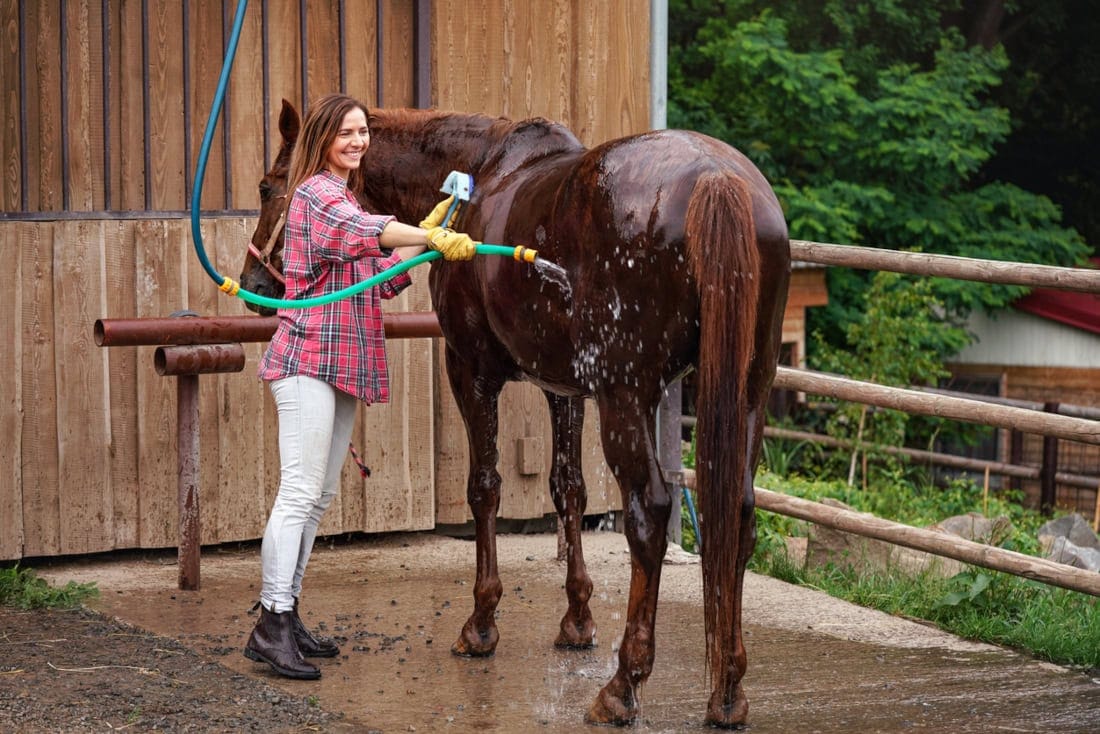
Bathing your horse goes beyond appearances — it is an essential part of grooming that promotes skin health, coat condition, and overall comfort. Whether preparing for a show, cleaning up after a long ride, or managing skin issues, giving your horse a proper bath is a basic part of equine care and management.
Occasional bathing helps remove sweat, dirt, bacteria, and buildup that regular grooming cannot fully address. Horses with sensitive skin or heavy workloads may benefit from more frequent baths, while those that dislike water may need extra patience and training to make the experience positive and low-stress.
Choosing equine-appropriate cleaning products and using correct techniques is important to protect skin health. Over-washing or using harsh products can strip away natural oils and compromise the skin’s protective barrier.
From the easygoing pasture companion to the elite performance horse, our complete bathing guide will help you ensure every bath is safe, thorough, and horse-friendly.
Bathing for Horses
While horses don’t need daily baths, there are many situations where bathing is beneficial, and sometimes necessary, for their health and comfort. Unlike grooming, which is part of a regular daily routine, bathing is usually reserved for times when a deeper clean or specialized care is required.
One of the most common reasons to bathe a horse is after intense exercise, particularly during hot weather. Sweat, dust, and debris can build up in the coat and irritate the skin if not removed promptly. A gentle rinse or full bath helps cool the horse down and leaves the skin clean and refreshed.
Bathing is also an essential part of show preparation, helping to produce a smooth, glossy coat and clean mane and tail for a polished appearance in the ring. Horses turned out in muddy paddocks or those who have rolled in manure may also benefit from an occasional deep clean to remove hardened debris and prevent skin irritation.
Finally, targeted sheath or udder cleaning is required occasionally to remove smegma buildup and prevent infection, particularly for breeding stock. [1]
Seasonal factors play a role in how often bathing should occur. In summer, horses may tolerate or require more frequent baths due to heat and sweat buildup. In winter, however, bathing should be limited to avoid chilling the horse. [2]
Avoid bathing when temperatures drop below 50°F (10°C). If you need to clean up your horse’s coat during cold seasons, sponge baths with warm water or targeted spot-cleaning are safer alternatives to full-body baths. [2]
Bathing for Medical Reasons
In some cases, bathing serves a therapeutic rather than cosmetic purpose. Horses may require a prescription shampoo when managing skin conditions such as:
Your veterinarian may also recommend an anti-itch or anti-dandruff shampoo to help manage chronic skin irritation or allergies, especially during seasonal flare-ups.
Always work with your veterinarian if you are managing a skin condition for your horse. Make sure to use the prescription shampoo as directed by the treating veterinarian and follow the label instructions exactly. Proper technique is essential when performing therapeutic baths. Using the wrong product, or applying it incorrectly, can worsen the issue or irritate healthy skin.
The handler should wear gloves when using medicated products to avoid absorbing chemicals through the skin. Clean sponges or cloths should be used for each affected area, taking care to avoid cross-contaminating healthy skin.
Most medicated products must sit on the skin for a specific amount of time before rinsing. Be sure to follow the timing as written on the prescription label and rinse thoroughly so there is no medication left behind.
Bathing Frequency
There is no universal rule for how often a horse should be bathed. The appropriate frequency depends on a variety of factors, including the horse’s workload, living environment, skin sensitivity, and coat condition. While some horses thrive with weekly baths, others may only need bathing a few times a year.
Performance horses in regular training or showing often require more bathing due to their active lifestyles and competition requirements. In contrast, pasture-kept horses or those with low workloads typically require fewer baths. These horses may benefit from a bath during seasonal shedding, before a show, or after turnout in particularly muddy conditions. In most cases, regular grooming with brushes and curry combs is sufficient to maintain coat health and cleanliness.
Horses with sensitive or allergy-prone skin should be bathed minimally or according to guidelines from your veterinarian. Over-bathing or using harsh shampoos can strip the skin of its natural protective oils, leading to dryness, flakes, and itching. When bathing is necessary, it’s essential to use mild, equine-safe, pH-balanced products and to rinse thoroughly. [3][4]
Daily grooming is the best first line of defense against dirt and dullness. It promotes circulation, distributes natural oils, and reduces the need for frequent washing, helping maintain coat quality and skin health over time.
Equipment & Products
Having the right tools and products ready before you begin makes the bathing process more efficient, effective, and safe for both horse and handler. A well-organized setup also reduces stress, helps avoid accidents, and ensures all parts of the horse are cleaned thoroughly without unnecessary delays or discomfort.
Basic Tools
Here are the key tools required for bathing a horse:
- Water supply: At a minimum, you will need a reliable hose with a spray nozzle or a bucket and sponge if running water is unavailable
- Rubber curry comb or mitt: Helps loosen dirt, sweat, and dead hair, especially over large muscled areas like the shoulders and hindquarters.
- Soft grooming brush: Can assist in working up lather and removing debris from sensitive areas.
- Sweat scraper: Helps remove excess water quickly so the horse dries faster, reducing the risk of chills
You may also want to bring towels for drying the face, ears, legs, and under the tail. A wash stall or bathing area with secure cross-ties and non-slip flooring is ideal, as it allows you to work safely around the horse without risking either you or the horse falling or getting tangled.
Shampoo & Conditioner
Shampoos should always be equine-specific, as they are formulated to match the pH of horse skin and are less likely to cause irritation. Shampoos manufactured for humans, other animals should not be used as they can strip the coat’s natural oils. Dish soap can cause even greater damage.
There are a variety of equine shampoos available, including:
- Medicated: These products should only be used under veterinary guidance to treat skin conditions such as rain rot, dermatitis, or fungal infections
- Whitening: These formulas can help lift stains from grey or light-colored horses but should be used carefully to avoid dryness
- Conditioners and coat polishers: These shampoos can soften the coat and detangle the mane and tail but should be rinsed thoroughly to prevent residue buildup
Optional Equipment
Other helpful products include:
- Mane and tail detangler
- Sheath or udder cleanser
- Squeegee/sweat scraper to make rinsing steps more efficient
- Fly repellent spray to apply once the horse is dry, particularly in warmer months
What's your top priority with your horse's health?

Enter your email to receive your store credit
Preparing to Bathe a Horse
A successful bath starts with good preparation. Taking the time to set up the environment, equipment, and horse beforehand helps ensure the process goes smoothly from start to finish. A rushed or disorganized approach can lead to safety risks, poor cleaning results, or a stressful experience for the horse.
Before beginning, the handler should always check the weather forecast. Bathing in cold, windy, or damp conditions can chill the horse and compromise their comfort.
Unless a heated wash area is available, it is best to bathe only on warm, dry days. In hot weather, bathing may provide welcome relief, but the water temperature should still be appropriate.
A dedicated wash stall with good drainage, non-slip flooring, and overhead cross-ties offers the safest setup for bathing your horse. If washing outside, the handler should select a sunny, level area with textured footing such as grass or gravel. Wet concrete quickly becomes slippery and increases the risk of a fall.
Secure the horse using cross-ties or a halter with a quick-release knot or panic snap. Make sure the horse is positioned so the handler has full access to both sides of the body. The handler should stay alert to changes in the horse’s body language and be ready to step back if the horse reacts.
Nervous or young horses may require extra time to complete the bathing process. The handler should start by spraying water on the ground to acclimate the horse to the sound, then gradually work up the legs with low-pressure water. Gentle, consistent exposure helps build trust, setting the stage for positive bathing experiences in the future.
6 Step Guide to Bathing a Horse
Once your horse is secured and the environment is ready, follow this guide to give your horse a thorough bath.
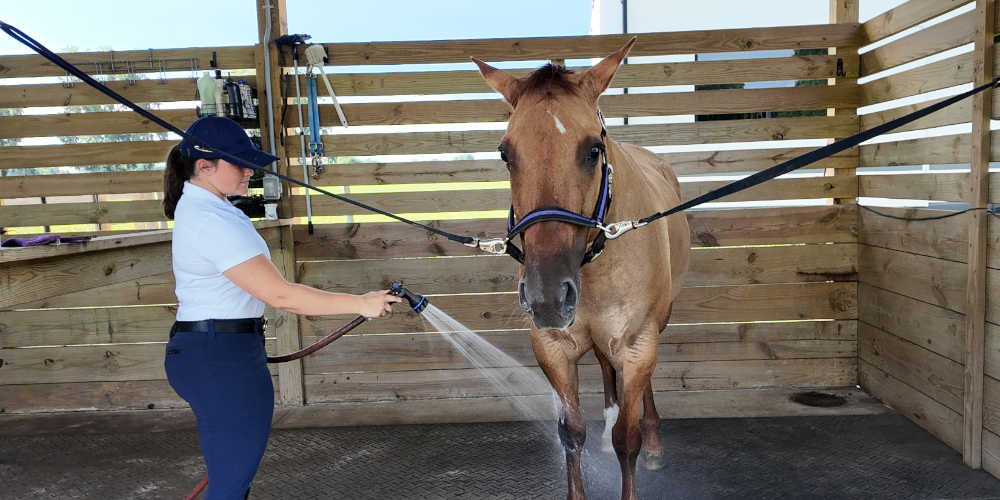
Step 1: Pre-Rinse
Start by rinsing the horse from the hooves upward using lukewarm water. Wet the legs first to help the horse adjust to the temperature, then gradually move to the body. Avoid spraying directly in the face or ears. Soaking the coat helps loosen sweat, dirt, and debris.
Step 2: Apply Shampoo
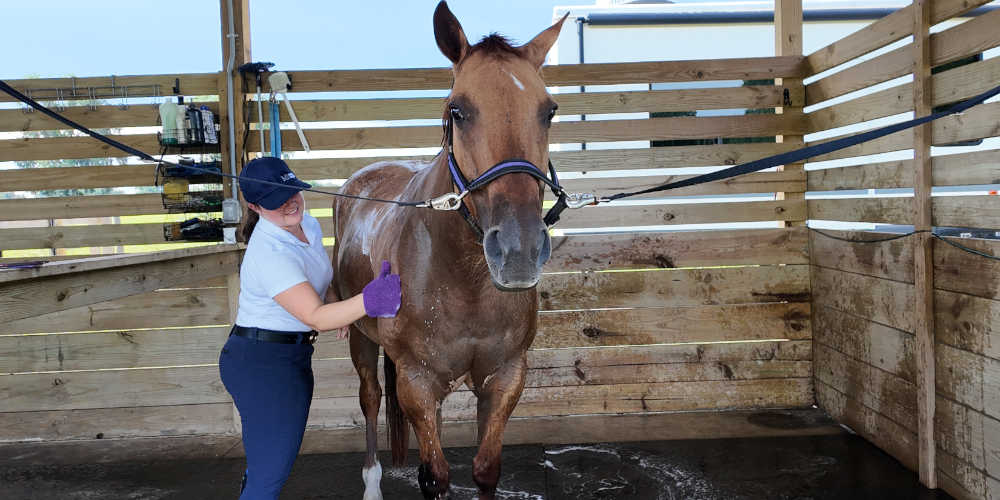
Dilute shampoo in a bucket with water or apply a small amount directly to a wet sponge or curry mitt. Lather the coat using circular motions, focusing on sweaty or dirty areas like the girth, flanks, neck, and hindquarters.
Note: Avoid shampoo when washing around the eyes and inside the ears. Use a damp cloth to gently wipe the face instead.
Step 3: Shampoo Longer Hair
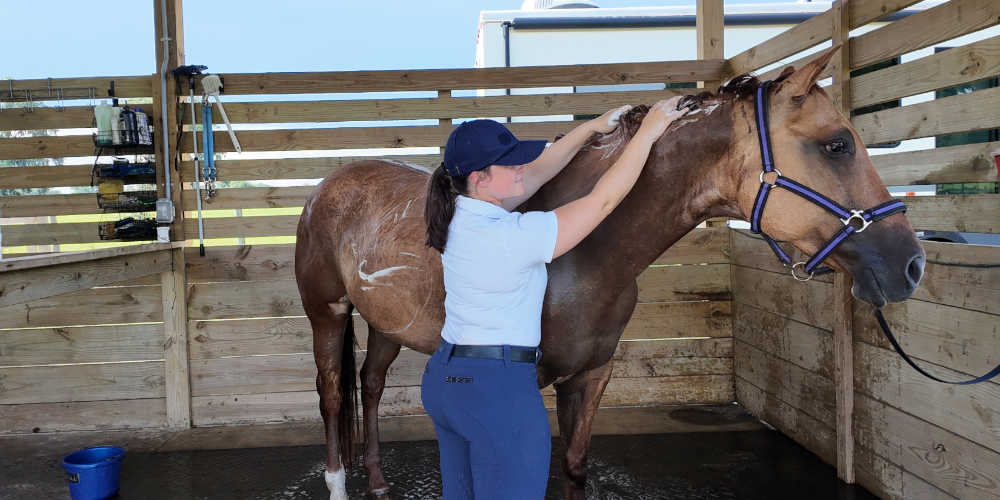
Apply extra shampoo to the mane, tail and, if present, leg feathers. Work the product in thoroughly with your fingers or a brush. Let it sit for a few minutes to loosen debris, then rinse well. Always check for burrs or tangles before combing through long hair.
Step 4: Rinse
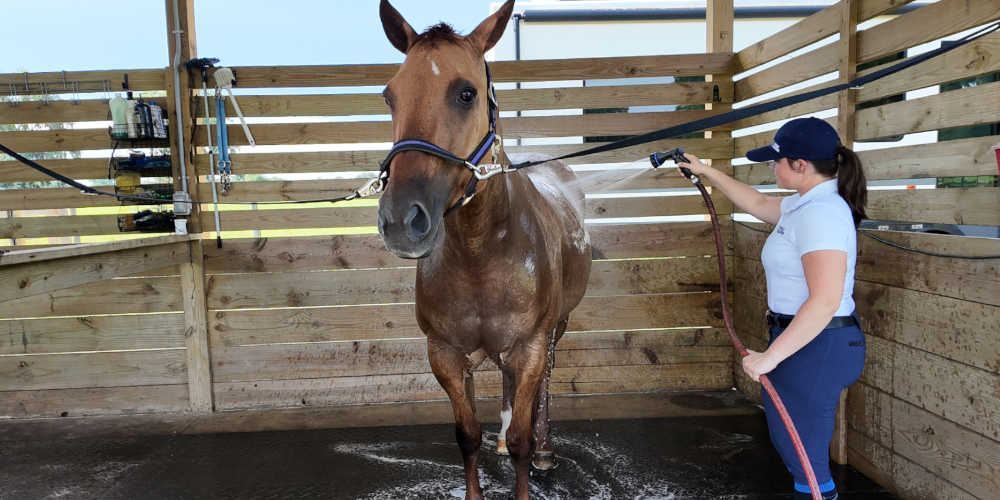
Thorough rinsing with clean water is critical. Any leftover shampoo can cause irritation, a dull coat, or residue buildup. Use a sweat scraper between rinses to check whether suds are still present. Pay special attention to the underbelly, legs, and tail dock.
Step 5: Apply Conditioner
If using conditioner for your horse’s bath, follow the product instructions. Some should be rinsed out, while others are leave-in. Avoid leaving slippery residue on the saddle area.
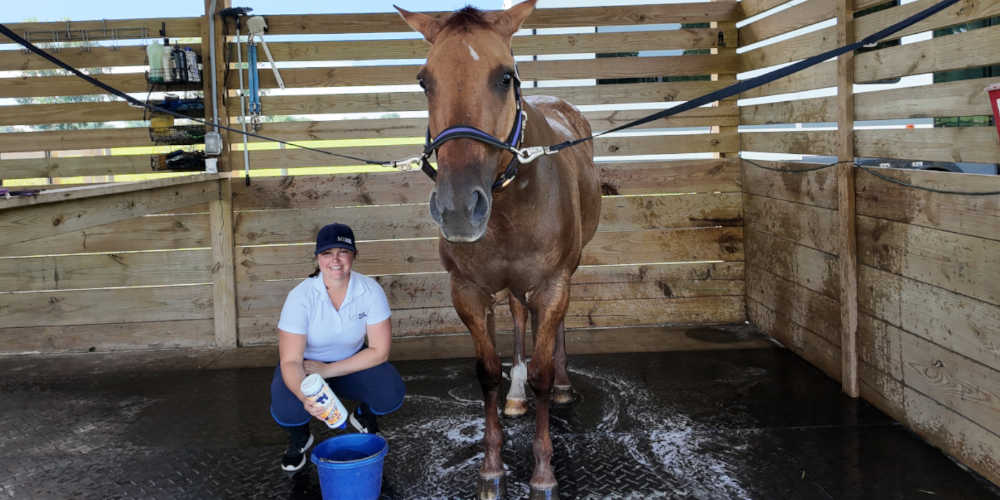
Step 6: Final Rinse
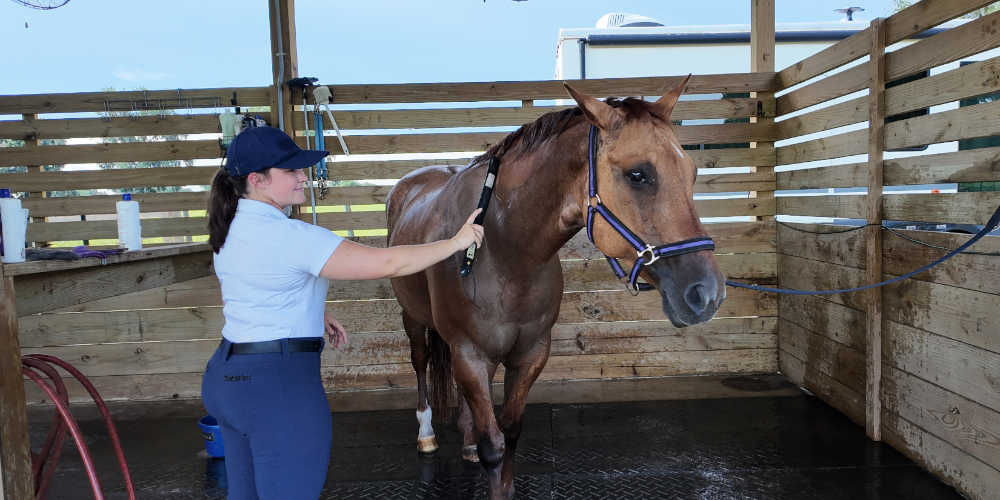
Perform a final rinse, then squeegee the coat. Once the horse is fully clean and rinsed, use a sweat scraper to remove excess water. This speeds drying and helps prevent chills.
Post-Bathing Care
Drying the horse thoroughly is just as important as the bathing process itself. Leaving a horse wet, especially in cool, breezy, or shaded conditions, can lead to chills, muscle stiffness, or skin irritation. A damp coat also attracts dust and debris, undoing much of the effort put into cleaning.
Immediately after rinsing, use a sweat scraper to remove as much excess water as possible. This simple step speeds up the drying process and reduces the risk of water pooling along the back and flanks.
A soft towel can be used to dry more delicate areas, such as the face, ears, under the tail, and around the sheath or udder. If the weather is warm, the horse can be hand-walked or left to air dry in the sun.
In cooler weather, the handler may need to place a breathable cooler or wicking blanket over the horse. To keep the coat clean, the horse should remain in a mud-free, sheltered area while drying.

Common Mistakes when Bathing Horses
Bathing your horse may seem straightforward, but small mistakes can affect their skin, comfort, and behavior. Before you turn on the hose, keep these common pitfalls in mind.
| Mistake | Why It’s a Problem |
|---|---|
| Using harsh soaps or human shampoo | Can strip natural oils and irritate the horse’s skin |
| Not rinsing thoroughly | Leaves residue that may cause itching, dullness, or skin irritation |
| Bathing too frequently | Disrupts the skin’s natural barrier, leading to dryness or flakiness |
| Soaking the horse in cold weather | Increases the risk of chills, muscle tightness, or discomfort |
| Spraying sensitive areas without warning | Can startle the horse and create fear or resistance to future baths |
| Leaving wet horses in dirty or drafty areas | Encourages rolling, chills, or exposure to bacteria in soiled bedding or paddocks |
Special Bathing Considerations
While most horses benefit from an occasional full-body bath, certain areas, such as the mane, tail, and white markings, often require additional attention. Spot cleaning between baths can also help maintain a tidy appearance without stripping the coat of its natural oils.
Mane & Tail Care
The mane and tail tend to accumulate sweat, dust, mud, and shavings from bedding more quickly than the rest of the body. These areas often need more frequent care to stay healthy and manageable.
Before washing, the handler should gently detangle the hair by hand or with a wide-toothed comb to prevent breakage. After shampooing, a conditioner or detangling spray can soften the strands and make brushing easier.
Wet hair is more fragile, so it is best to wait until the mane and tail are partially dry before combing through. [5]
Whitening for Light-Colored Horses
White and grey horses stain easily, particularly from manure, grass, or stable bedding. Whitening shampoos can help restore a clean, bright coat.
If using a whitening product, apply it directly to stained areas and allow it to sit for a few minutes before rinsing. Using a mitt can help work the shampoo into the coat for better stain removal. [6]
Spot Cleaning Between Baths
Full baths are not always necessary. Spot cleaning can help maintain hygiene and appearance between washes, especially in winter or during travel.
For small dirty areas, the handler can use a damp cloth with a small amount of mild shampoo. Rubbing alcohol or diluted vinegar can help lift stubborn stains, and dry shampoos or grooming sprays offer a quick clean without water.
Skin Health & Coat Condition
While bathing contributes to external cleanliness, true skin and coat health depends on more than just soap and water. A soft, glossy coat is the result of balanced nutrition, consistent grooming, and attentive overall care.
Bathing plays a supportive role, but when overused or improperly performed, it can disrupt the skin’s natural defenses rather than enhance them.
Horses require adequate vitamins, trace minerals, and amino acids, and dietary fat to support skin integrity and hair quality. Deficiencies in key nutrients such as copper, zinc, and biotin may lead to dullness, excessive shedding, brittle hair, or chronic dryness.
Even with excellent grooming and bathing practices, skin and coat health starts from the inside out. No topical product can replace the benefits of a balanced diet.
Provide high-quality forage and a complete vitamin–mineral program to deliver nutrients that support healthy skin and a glossy coat. Key nutrients such as zinc and copper aid pigment production and hair growth, while biotin supports skin integrity and hair strength.
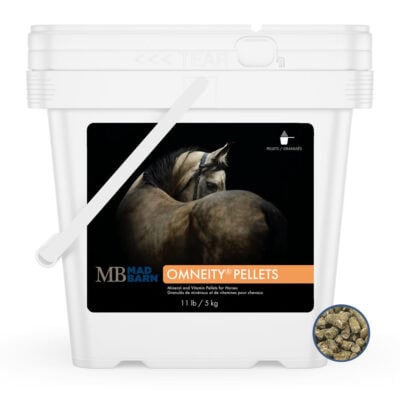
Mad Barn’s Omneity® is formulated for horses on a forage-first diet, supplying optimal levels of biotin, zinc, and copper in the correct ratio, plus a complete spectrum of vitamins, minerals, amino acids, and digestive support to promote skin and coat quality.
Dietary fat plays an important role in supporting healthy skin and a glossy coat by contributing to sebum production. Sebum is the natural oil that helps moisturize the skin and add shine to the hair. Adequate fat intake also helps maintain skin barrier function, which supports hydration and resistance to illness or irritation.
Omega-3 fatty acids, a type of beneficial fat found in flaxseed, chia seed, and marine oils, help maintain a normal inflammatory response in the skin and support overall coat quality. [9][10]
Mad Barn’s w-3 Oil provides a concentrated source of omega-3s from marine algae to complement a forage-based diet and help maintain healthy skin and coat condition.

Between baths, thorough grooming helps keep the coat clean and healthy. Daily brushing stimulates circulation, distributes natural oils, and removes dust and dander without disturbing the skin’s protective layer.
If the horse develops dry, flaky skin or persistent irritation, it is important to evaluate the whole care regimen. Reducing bathing frequency, switching to gentler products, and assessing nutritional intake may all improve coat health over time. Ongoing skin issues require veterinary evaluation to rule out parasites, allergies, or underlying metabolic conditions.
Tips for Successful Bathing
Bathing offers not only practical benefits: it’s also a valuable opportunity to strengthen the relationship between horse and handler. With consistency, patience, and a calm approach, many horses learn to accept, or even enjoy, the bathing process.
A positive bathing experience helps reduce anxiety, improves cooperation, and sets the tone for future handling tasks.
Here are our expert tips for making the most out of bath time with your horse: [11]
- Make a predictable bathing routine. Working slowly and methodically allows the horse to anticipate what comes next, reducing surprise and tension
- Keep the water pressure low and avoid sudden splashes, especially near sensitive areas
- Praise and reward calm, relaxed behavior with soothing voice cues or brief breaks
- Desensitize nervous horses gradually over a few training sessions before attempting a complete bath
- Introduce the hose gradually, starting with just the sound and feel on the legs to build confidence
With time and care, bathing can become a safe, familiar, and even enjoyable part of the horse’s routine.
Frequently Asked Questions
Here are some frequently asked questions about how to bathe a horse:
There is no fixed schedule for bathing a horse, but most benefit from anywhere between a couple of times a month to only a few times a year, depending on workload, environment, and skin condition. Bathing too frequently can strip the skin’s natural oils, leading to dryness and irritation. Reserve baths for when your horse is sweaty, dirty, preparing for a show, or requires targeted skin care, and rely on regular grooming for day-to-day cleaning.
No, you should not use human shampoo on a horse. Human shampoo is not designed for the pH level or unique structure of equine skin and hair. Using it can strip away the natural oils that protect the horse’s coat, leading to dryness, irritation, and potential skin problems. Always use a shampoo specifically formulated for horses to maintain skin health and coat condition.
To bathe horses who dislike water, it's important to desensitize them gradually. Start by wetting legs with a sponge, then gradually introduce a gentle hose stream. Use positive reinforcement and stay calm.
For horses with sensitive skin, use hypoallergenic grooming and bathing products designed to reduce skin irritation. Avoid over-bathing and choose soft brushes. Consult a veterinarian if irritation persists or worsens.
Hoof cleaning should be part of your regular grooming routine, especially before riding. The ideal frequency depends on your horse’s environment. Horses kept in dry, rocky paddocks benefit from daily cleaning to avoid stone bruises or debris buildup. Those in grassy or soft pasture may not require hoof picking as often, but regular checks are still important to maintain hoof health.
You do not always need to rinse your horse after every ride. If your horse is only lightly sweaty or dusty, a thorough grooming may be enough. For heavier sweat or dirt, a rinse with plain water can help keep the skin clean without over-bathing.
Use lukewarm water when possible, as cold water can be uncomfortable and may cause muscle tension, while hot water can irritate the skin. Horses are more likely to stand calmly when the water temperature is comfortable.
Avoid bathing your horse when temperatures drop below 50°F (10°C), as it can increase the risk of chilling. If you need to clean your horse during colder months, use warm water for a sponge bath or target only the dirty areas. Always dry your horse thoroughly before turnout, and when possible, use a heated wash bay or warm towels to keep them comfortable.
Summary
Bathing a horse is both a practical skill and an important care ritual. When done correctly, bathing helps keep the horse clean, healthy, and comfortable, and aids the rider to build trust and familiarity.
- There is no set rule for how often to bathe a horse, but it's best to minimize the number of baths your horse receives to protect coat and skin health
- Avoid bathing your horse in cold weather when temperatures drop below 50°F (10°C)
- Always use equine-specific hair and skin products when bathing your horse
- If bathing your horse using a prescription shampoo, work with your veterinarian and follow the label directions exactly
- Train young or nervous horses by gradually introducing the bathing steps before attempting a full bath
References
- Hyman. S. S. Sheath and Udder Cleaning. Total Equine Veterinary Associates' TEVApedia. 2011.
- Harrison. A. Bathing Your Horse in Chilly Temps. Practical Horseman. 2025.
- Pion. P. and Spadafori. G. Veterinary Partner. VIN. 2017.
- What to Know About Horse Bathing. EquiGroomer Horse and Peta Tools. 2020.
- How to Wash a Mane and Tail. Smart Grooming. 2023.
- Braun. S. Tips and Tricks of the Trade: Keeping White Horses White. 2016.
- Keen. M. A. and Hassan. I. Vitamin E in Dermatology. Indian Dermatology Online Journal. 2016. doi: 10.4103/2229-5178.185494.
- Kania. M. et al. Effect of Diet on Mechanical Properties of Horse's Hair. Acta of Bioengineering and Biomechanics. 2009. View Summary
- Richards. T. et al. Effects of Dietary Camelina, Flaxseed, and Canola Oil Supplementation on Transepidermal Water Loss, Skin and Coat Health Parameters, and Plasma Prostaglandin E2, Glycosaminoglycan, and Nitric Oxide Concentrations in Healthy Adult Horses. Journal of Animal Science. 2023.
- O'Neill. W. et al. Flaxseed (Linum usitatissimum) supplementation associated with reduced skin test lesional area in horses with Culicoides hypersensitivity. Can J Vet Res. 2002.
- Jaycox. M. Pamper Your Horse With a 'Spa Day'. Horse & Rider. 2021.