English








A hoof or sole bruise is a common injury in horses, occurring when there is trauma to the sensitive tissues within the hoof. This trauma leads to localized bleeding and subsequent bruising.
Hoof bruises can cause mild to severe discomfort and lameness, and if left untreated, can potentially lead to further complications. [1] Affected horses may exhibit sensitivity to pressure, alterations in their gait and behavior, and inflammation in the hoof.
The treatment of hoof bruising often involves a combination of therapies, including corrective trimming and shoeing, rest from work, and pain management. It is also important to address any underlying factors that contributed to the formation of bruises. [2]
If you suspect your horse has a hoof bruise, seek assistance from a veterinarian or farrier. They can conduct a thorough examination, provide an accurate diagnosis, and recommend appropriate treatment to ensure comfort and soundness as well as prevent further injury.
Sole Bruises in Horses
Hoof or sole bruises, refer to localized areas of tissue damage and associated hemorrhage within the sensitive structures of the equine hoof.
These bruises are typically caused by external forces or direct trauma, such as repetitive concussion, impact from objects, or stepping on hard surfaces. Contributing factors include excessive workload, poor hoof care, and rocky terrain.
Bruising can occur in different areas of the hoof, including the sole, frog and the structures within the hoof capsule. Corns are a specific type of hoof bruise that develop near the heel, between the hoof bar and hoof wall.
Horses affected by hoof bruises often display changes in their gait (lameness) and behaviour, as well as signs of inflammation in the hoof and sensitivity to pressure. [3]
What's your top priority with your horse's health?

Enter your email to receive your store credit
Hoof Anatomy
The horse’s hooves play a key role in supporting their body weight, absorbing concussive forces during movement, and providing stability on varying terrain. [4]
Proper hoof conformation and balance are critical to overall soundness. The hoof should be proportional in size to the rest of the body, and trimmed regularly to maintain balance. [5][6]
The horse’s hoof can be broken down into two main components- the hoof capsule and sensitive internal structures. The hard outer layer (hoof wall), sole, frog, and heels encapsulate the internal structures of foot, providing protection and stability. [3]
It is a common misconception that the sole is the weight-bearing surface of the foot. This is false! Rather, the outer rim of the hoof wall is the primary weight-bearing surface for the horse. Nonetheless, because the hoof capsule is a dynamic structure, the sole and frog may be recruited for weight-bearing in different footing conditions or during exercise (increased concussive force).
The internal structures of the hoof include blood vessels, nerves, connective tissue, and bone (coffin and navicular bones), which are essential for maintaining the health and biomechanical function of the distal limb.
Corns- A Specific Type of Sole Bruise
Corns are a type of hoof bruise that develop as a result of excessive pressure or trauma to the heel region of the sole, often as a result of ill-fitting shoes. These bruises can cause discomfort or lameness in horses.
There are three types of corns that occur in horses: [1][7]
- Dry (hard) corns: This type of bruising develops between the sole and internal tissues of the hoof. Dry corns result in thinning of the sole and cause a red appearance due to blood accumulation.
- Soft (moist) corns: This type of bruising is more severe and is often accompanied by inflammation and fluid accumulation. The region may appear moist or wet due to serous drainage.
- Suppurated (infected) corns: Infected corns can result in abscess formation. This can lead to heat in the hoof, sensitivity to pressure, noticeable swelling, and a foul odor. Veterinary care may be required to drain and treat severe abscesses.
If you suspect your horse has a corn, particularly if it becomes infected, it is crucial to consult a veterinarian for an accurate diagnosis and treatment plan. They can provide personalized advice and care based on your horse’s specific needs.
Risk Factors
Several risk factors contribute to hoof bruising. Being aware of these factors can help horse owners, trainers, and riders implement preventative measures to minimize the risk of injury.
Some common risk factors include:
- Rough or uneven terrain: Horses that are traveling or being worked on hard or rocky ground are at a higher risk of developing hoof bruising. The repetitive impact and pressure exerted on the hooves by abrasive surfaces can lead to bruising, especially in horses stepping over protruding rocks or small stones.
- Improper shoeing & trimming: Improperly fitting shoes, such as those that are too small, short, or loose, and shoes that have been left on too long can exert pressure on the sole, causing bruising and lameness. [3][7]
- Hoof conformation: Horses with flat soles or thin, dropped soles are prone to developing bruises. Long toes and low heels alter the weight-bearing mechanics of the hoof, excessively stressing the toe region and increasing its susceptibility to bruising. [3][7]
- Excessive training & exercise: Intense or prolonged training sessions involving repetitive movements, such as jumping and galloping, generate significant impact forces on the hooves. Without proper recovery following exercise, the hooves can become fatigued and more susceptible to bruising. [3]
Clinical Signs
Hoof or sole bruises can be challenging to visually detect, and the signs can vary depending on the severity of the bruise. In some cases, visible patches of discoloration may appear on the hoof indicating a bruise.
If your horse exhibits any of the following clinical signs, it is important to consult with a veterinarian or a hoof care specialist to receive a proper diagnosis: [8]
- Mild to severe lameness, including reluctance to bear weight
- Hoof wall or sole heat
- Increased digital pulse
- Discolored sole (red or yellow)

Diagnosis
The diagnosis of sole bruises in horses typically involves a combination of visual examination, lameness examination, and palpation (via hoof testers). [3]
A hoof tester is a specialized tool used by veterinarians and farriers to assess hoof sensitivity. Hoof testers apply controlled pressure to specific areas of the sole to identify areas of pain or discomfort. [7]
Horses that are not affected by bruising or other hoof conditions generally exhibit good tolerance to pressure applied by hoof testers. The practitioner can assess the horse’s response to pressure by comparing it to the contralateral hoof (on the opposite side of the body), evaluating for any notable differences in sensitivity.
In severe or complex cases of bruising, radiography may be used to assess the extent of tissue damage, rule out other conditions and identify underlying structural issues. In acute cases, hemorrhage can be significant to the extent that fluid build-up is visible in the images. [3]
Treatment
The treatment for hoof bruises in horses varies based on the severity of the bruise and the individual needs of the horse. It is essential to seek a thorough evaluation and a personalized treatment plan from a veterinarian or a qualified hoof care professional.
Treatment for sole bruises often focuses on relieving pressure on the sole to allow healing. Any excessive pressure on the sole must be alleviated and the affected area must be protected from additional damage. A hoof pad may be placed on the sole of the hoof to cushion the area and help distribute pressure. [7]
In cases of acute bruising, cold hosing or soaking the hoof in cold water can help reduce inflammation. [4][7]
In cases in which bruising is caused by a shoe that is too tight or improperly fitted, removing the shoe can temporarily exacerbate lameness as the sensitive sole becomes more susceptible to pressure from the ground. [8]
Corrective Farriery
Corrective farrier care can be used both to prevent and treat sole bruising. A qualified farrier will restore balance and healthy function to the hoof by reducing stress on vulnerable areas and providing extra support where needed. [6][9] One of the primary goals of corrective farriery is to relieve pressure and improve weight distribution to prevent hoof damage.
Farriers may apply specialized pads or materials to the hoof as part of corrective shoeing. These pads offer cushioning and support to the sole, distributing weight more evenly and reducing pressure on areas susceptible to bruising.
Working with a knowledgeable and experienced farrier is important. They can assess the horse’s specific needs and customize the corrective shoeing approach accordingly. Regular farrier visits are recommended to maintain hoof health and overall soundness.
Pain Relief
Veterinarians may prescribe non-steroidal anti-inflammatory drugs (NSAIDs), such as phenylbutazone (Bute) or flunixin meglumine (Banamine), to help reduce acute inflammation, alleviate pain, and improve the horse’s comfort level. [8][10]
Follow your veterinarian’s dosage guidelines and instructions when administering any medications. The duration of NSAID treatment will depend on the severity of bruising, the horse’s response to the medication and the horse’s intended use.
NSAIDs can cause side effects such as gastrointestinal irritation, ulceration or kidney damage. It is important to be aware of these risks and report any concerning symptoms to your veterinarian. [10]
Nutritional Support
Providing a well-balanced diet that includes adequate vitamins, minerals and protein is crucial for promoting overall hoof health and minimizing the occurrence of hoof and sole bruising.
Key nutrients including biotin, methionine, zinc, and copper are required to support hoof strength, integrity, and growth. [11] A typical mature horse at maintenance should consume the following nutrients per day for hoof health:
- Biotin: 20mg per day
- Zinc: 400mg per day
- Copper: 100 mg per day
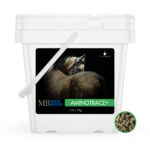
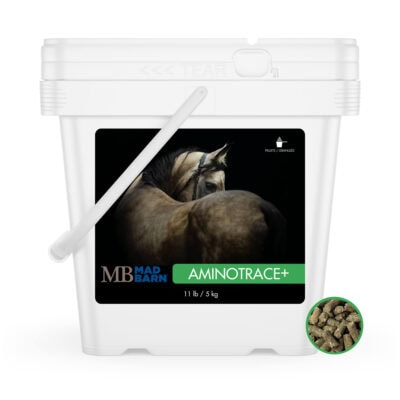
Mad Barn’s AminoTrace+ is a complete vitamin and mineral supplement for horses that provides everything required to grow strong, robust hooves. AminoTrace+ is formulated with higher quality organic trace minerals, essential amino acids, and adequate levels of key nutrients to maintain hoof health.
Prevention
Preventing hoof bruising and corns involves proper hoof care, effective training and management practices, and vigilant monitoring. The following practices can support hoof health and reduce the likelihood of bruising:
- Regular hoof maintenance: Maintaining a consistent schedule for trimming and shoeing is crucial to promote optimal hoof balance and prevent issues that can lead to bruising. Work with your farrier to establish a trimming schedule that takes into account your horse’s specific needs. [1][7][8]
- Footing and environment: Be mindful of the ground surfaces where your horse walks and exercises. Avoid excessively hard or rocky ground, which can increase the risk of trauma and bruising. Provide suitable footing in turnout areas and exercise arenas to reduce impact on hooves.
- Regular exercise and conditioning: Gradually condition your horse for exercise to strengthen the hooves and minimize bruising risk. Increase exercise intensity and duration over time, allowing the hooves to adapt and grow stronger.
Prognosis
In cases of mild hoof bruises with only superficial bruising and no damage to underlying structures, the condition usually resolves on its own with time and proper hoof care. The bruised area will gradually be replaced by healthy tissue as the hoof naturally grows out. [3]
When other hoof conditions coexist or underlying issues remain unresolved, hoof bruising can become recurrent or chronic. If there are persistent underlying issues, such as poor conformation (e.g., flat feet or thin soles), addressing the bruising may become challenging.
In most cases of hoof bruising, the prognosis is excellent with proper management and care.
If lameness persists or worsens despite initial treatment and appropriate hoof care, it is important to consult with a veterinarian. Chronic bruising and sore feet can also lead to secondary conditions, such as subsolar abscess or back pain.
Frequently Asked Questions
Here are some frequently asked questions about hoof and sole bruising in horses:
Bruising develops in a horse’s hoof when excessive pressure or impact damages the sensitive tissues inside the hoof capsule. Repeated concussion on hard or uneven ground, stepping on rocks, or poor hoof balance can all lead to internal bleeding and inflammation. Factors such as improper shoeing, thin soles, or long toes also increase the chance of bruising by altering how weight is distributed across the hoof. Over time, this trauma weakens the hoof’s protective structures and causes pain or lameness.
Hoof bruising is more likely when horses work or travel on rough, rocky, or uneven terrain. Hard ground increases concussion on the hoof, while loose stones or sharp objects can directly injure the sole. Environmental factors such as frozen ground or overused exercise surfaces also raise risk. Horses kept on these conditions without proper hoof protection, such as pads or well-fitted shoes, are especially vulnerable to bruising and soreness.
A corn is a specific type of hoof bruise that forms near the heel between the hoof wall and the bar. Unlike a general sole bruise, corns usually result from pressure caused by poorly fitted shoes or excess stress in the heel region. Corns can be dry, moist, or infected depending on the severity, and infected corns may develop into abscesses requiring veterinary care. Regular sole bruises can occur anywhere on the hoof, while corns are limited to the heel area.
The outlook for horses with hoof bruising is generally excellent when the cause is identified and treated promptly. Mild bruises usually resolve with rest, proper trimming, and protection of the hoof while new tissue grows. However, recurring bruises may indicate underlying conformation or shoeing problems that need to be corrected. With consistent hoof care, balanced nutrition, and suitable footing, most horses recover fully and return to normal soundness.
Summary
A hoof or sole bruise is a localized injury to the sensitive tissues inside the hoof, typically caused by trauma, concussion, or uneven terrain. This condition can result in pain, lameness, and inflammation, but has an excellent prognosis with timely care.
- Hoof bruises occur from external trauma, repetitive impact, or improper shoeing and trimming
- Symptoms include lameness, heat, discoloration, and sensitivity to pressure in the affected hoof
- Diagnosis involves examination with hoof testers and, in severe cases, radiographs to assess damage
- Treatment includes rest, corrective farriery, cold therapy, and anti-inflammatory medication to promote healing
References
- Menzies-Gow, N. Corns. Vetlexicon. Accessed at June 30, 2023.
- Burrows, I. & Gaché, R. There’s no such thing as a good trip…. Equine Health. 2019.
- Curtis, S. et al. Foot: sole bruising. Vetlexicon. Accessed at June 30, 2023.
- Duff, A. A systematic approach to foot lameness in horses. Vet Times. 2015.
- Luszczynski, J. et al. Frequency of hoof conformation faults and disorders in horses of several breeds. Turkish J Vet Anim Sci. 2015.
- Jackman, B. R. The Equine Foot. American Association of Equine Practitioners (AAEP). Accessed at July 10, 2023.
- Belknap, J. K. Bruised Sole and Corns in Horses. Merck Veterinary Manual. 2015.
- Tóth, F. Solar bruising & corns. University of Minnesota. Accessed at July 9, 2023.
- Pauwels, F. E. et al. Radiographic measurements of hoof balance are significantly influenced by a horse’s stance. Vet Radiol Ultrasound. 2016. View Summary
- Argyle, S. A. et al. Therapeutics: anti-inflammatory drugs. Vetlexicon. Accessed at July 9, 2023.
- Comben, N. et al. Clinical observations on the response of equine hoof defects to dietary supplementation with biotin. Vet Rec. 1984. View Summary