English


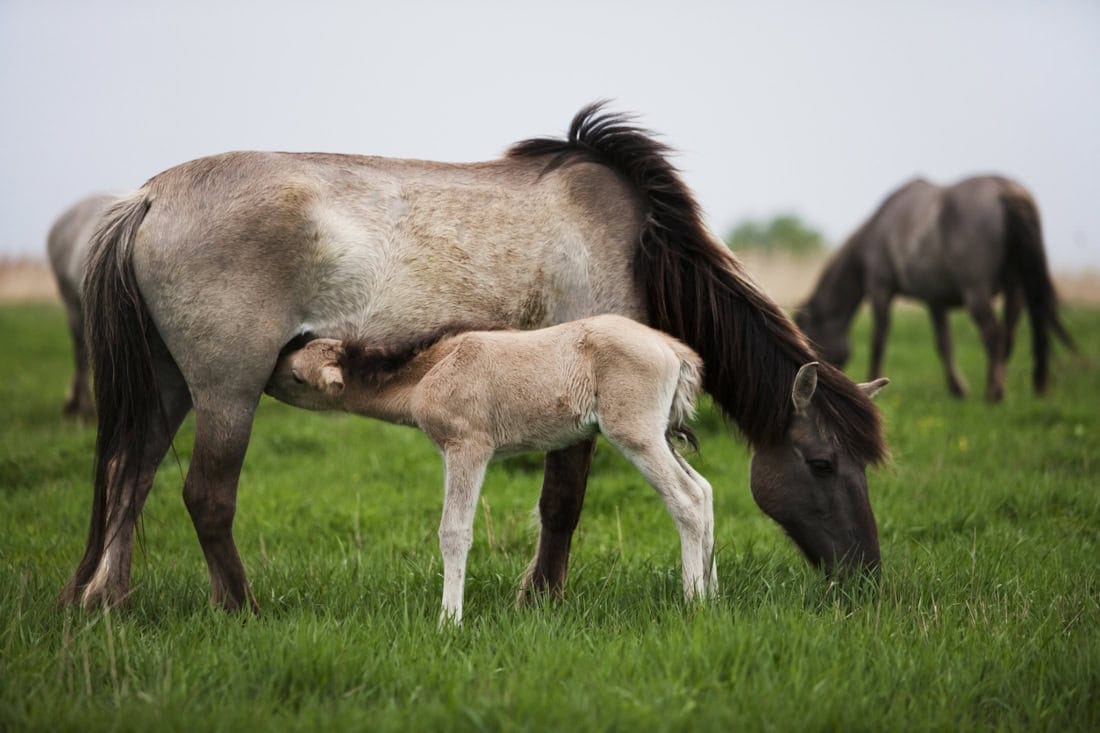
Lactation is an important physiological process for broodmares, ensuring the survival and growth of foals by providing essential nutrients and immune protection.
However, some mares experience abnormal or inappropriate lactation, producing milk outside the expected timeline — either too early, too late, or even when not pregnant.
Disordered lactation warrants veterinary assessment, as it can signal underlying health issues such as hormonal imbalances, nutritional deficiencies, placentitis, or metabolic conditions like Cushing’s disease (PPID). Left unaddressed, these problems may compromise the health and safety of both dam and fetus.
Understanding normal lactation cycles, recognizing signs of inappropriate milk production, and implementing effective management strategies are crucial for horse owners, caretakers, and breeding personnel. This guide discusses the standard lactation process in mares, explores common causes of lactation abnormalities, and outlines preventive and therapeutic measures to support the well-being of both mare and foal.
Lactation in Mares
During healthy gestation, a mare’s udder begins to develop and enlarge during the final weeks of pregnancy, and milk production starts just before foaling.
During the first 24 to 48 hours after birth, the mare produces colostrum — a highly concentrated form of milk rich in antibodies that protects the newborn foal from infections.
48 hours after foaling, the mare’s colostrum transitions to mature milk, delivering an optimal balance of nutrients, vitamins, and minerals that support growth, immune function, and overall health.
Under normal circumstances and proper management, the mare’s milk remains the foal’s primary source of sustenance until weaning, at which point the foal transitions to a fully solid feed diet.
Key elements of healthy lactation in horses include: [1][2]
- Initiation: The onset of lactation is primarily driven by hormonal changes that occur in the late stages of gestation. Prolactin, a hormone produced by the pituitary gland, plays a pivotal role in stimulating the mammary glands to produce milk. Increased levels of estrogen and progesterone during pregnancy also contribute to the development of mammary tissue, preparing the mare for milk production.
- Duration: Most mares maintain adequate milk production for four to six months post-foaling, although factors such as breed, health status, and management practices can influence both the quantity and duration of lactation. Some mares may continue to produce milk longer if the foal is not weaned early, while others may have shorter lactation periods if the foal is introduced to creep feed or a replacement milk formula sooner.
- Average Yield: The volume of milk produced by a lactating mare varies significantly based on factors such as breed, age, nutrition, and individual differences. On average, mares produce between 10 to 20 L (3 – 6 gal) of milk per day, or 2 – 3.5% of the mare’s body weight. Proper nutrition and hydration are crucial to support this level of production, as inadequate feeding can impact both the quantity and quality of milk.
Milk Composition
The composition of mare’s milk changes over time to meet the evolving needs of the growing foal, ensuring it receives the right balance of nutrients at each developmental stage. [1]
Foals are born with an underdeveloped immune system, which leaves them vulnerable to infections early in life. During the first 24 to 48 hours after birth, the mare produces colostrum, a thick, nutrient-rich fluid that delivers a high concentration of immunoglobulins (antibodies) — most notably immunoglobulin G (IgG).
These antibodies provide the foal with passive immunity, protecting the foal against pathogens until its own immune system matures. Because the foal’s gut can only effectively absorb these antibodies within the first 12 hours of life, adequate colostrum intake is critical to building a strong immune system. [1]
By 48 hours after foaling, colostrum transitions into more mature milk containing balanced concentrations of proteins, fats, sugars, vitamins, and minerals — all essential for the foal’s rapid growth and development. As the foal gets older and starts to consume more solid feed, the mare’s milk continues to adjust in nutritional density, ensuring it still supports skeletal and muscular development, while gradually reducing in volume as the foal’s reliance on milk naturally decreases.
Mature mare’s milk consists of approximately 90% water. The remaining 10% is composed of lactose (a sugar), fats, proteins, vitamins, and minerals.
These nutrients support energy requirements, bone growth, muscle development, as well as the overall health and immune function of the foal.
Lactation Abnormalities in Pregnant Mares
Inappropriate lactation refers to milk production in mares that occurs prematurely or does not match expected yield or quality during or after pregnancy. Such lactation abnormalities may indicate underlying health concerns and warrant further investigation. [1]
Understanding the causes, clinical signs, and management options for inappropriate lactation are essential to safeguarding the health and welfare of both mare and foal.
Types of inappropriate lactation in horses include: [1]
- Premature Lactation: Describes when a mare begins producing milk well before the expected delivery date. Premature lactation is a significant red flag for potential complications in pregnancy.
- Dysgalactia: Describes scenarios where a mare has milk coming in, but the volume is not sufficient to feed the foal adequately.
- Agalactia: The complete absence of milk production. These cases are especially concerning as the foal must receive colostrum within 24 hours of foaling to have adequate immune protection in the first weeks of life.
These conditions can severely jeopardize the health and survival of the foal, which makes prompt intervention essential.
What's your top priority with your horse's health?

Enter your email to receive your store credit
Causes
Abnormal lactation in pregnant mares is cause for concern because it can indicate underlying issues that endanger both mare and foal. Common contributing factors include:
- Placentitis
- Abortion
- Fescue toxicosis
- Malnutrition
- Mastitis
Placentitis
Placentitis refers to inflammation of the placenta and is estimated to affect between 3 to 7% of pregnant mares. Placentitis is most commonly the result of bacterial infection, often ascending through the mare’s cervix. [3]
Common bacteria that can cause the condition include Klebsiella, Streptococcus equi zooepidemicus, and E. coli. Less commonly, fungal infections can also cause placentitis. [3]
The main symptoms of placentitis include: [3]
- Premature lactation
- Premature udder development
- Vaginal discharge
- Signs of premature delivery or abortion
- ‘Red Bag’ delivery
Placentitis is a severe condition and if left untreated can lead to preterm labor, abortion, or the birth of a weak and compromised foal. Affected mares require immediate veterinary intervention.
Treatment usually involves administration of: [3]
- Antibiotics
- Anti-inflammatories
- Progesterone
Fescue Toxicosis
Fescue toxicosis occurs when horses eat fescue grass infested by the Neotyphodium coenophialum fungus. The fungus produces toxic alkaloids that interfere with normal hormonal functions, particularly the production of prolactin, which is essential for lactation. [5][6]
The main symptoms of fescue toxicosis in pregnant mares include: [6]
- Prolonged gestation
- Agalactia
- Dystocia (difficult birth)
- ‘Red Bag’ delivery
The inability to produce milk is a common sign of fescue toxicosis, with almost 90% of affected mares developing agalactia. This condition occurs because alkaloids in infected fescue mimic dopamine, suppressing prolactin secretion and disrupting normal milk synthesis. [3][6]
Fescue toxicosis is a serious condition that can result in a weak foal, stillbirth, or abortion. Affected mares are typically treated with domperidone, a medication that counteracts the effects of the toxic alkaloids. [6]
Prevention is the most effective approach to avoid the risk of fescue poisoning. Pregnant mares should be removed from fescue pastures and fed non-fescue hay.
Malnutrition
Inadequate nutrition during pregnancy is a leading cause of poor milk production. Broodmares have substantially higher energy demands during lactation, and failing to meet these increased requirements can negatively impact colostrum and milk quality, as well as overall milk production. [1]
Reduced lactation can result from either insufficient caloric intake or deficiencies in key nutrients such as protein, vitamins, and minerals. Mares in poor body condition often give birth to weak or stillborn foals and may produce little or no milk. [1][2] The udder may remain underdeveloped or produce milk of poor quality. [8]
The following chart provides approximate nutrient requirements for a 500 kg (1,100 lb) mare at 3 months and 6 months of lactation. These are the minimum amounts required to avoid deficiency and do not necessarily reflect optimal intake levels.
| Nutrient | 3 Month Requirement |
6 Month Requirement |
|---|---|---|
| Digestible Energy | 31 Mcal | 27 Mcal |
| Protein | 1470 g | 1265 g |
| Lysine | 63 g | 54 g |
| Calcium | 56 g | 37 g |
| Phosphorus | 36 g | 23 g |
| Magnesium | 11 g | 8.7 g |
| Micronutrients | ||
| Zinc | 500 mg | 500 mg |
| Copper | 125 mg | 125 mg |
| Manganese | 500 mg | 500 mg |
| Selenium | 1.25 mg | 1.25 mg |
| Vitamin E | 1,000 IU | 1,000 IU |
Ensuring mares receive a balanced diet tailored to their specific requirements during gestation is critical. It is equally important to adjust the diet as pregnancy and lactation advance to prevent nutritional deficiencies, especially given the mare’s significant physical changes throughout this period.
Consulting with an equine nutritionist can help breeders develop a feeding program that supports both the mare’s and the foal’s health.
Mastitis
Mastitis refers to inflammation of the mammary glands, usually caused by a bacterial infection resulting from trauma, poor hygiene, or spread of an existing infection. Symptoms include a swollen, hot, and painful udder, often accompanied by abnormal milk containing clots, blood, or pus.
Mares may also show signs of systemic illness, such as fever, lethargy, and reduced appetite. They may also prevent the foal from nursing due to discomfort, putting the foal’s health at risk. Immediate veterinary care is critical. [9]
Treatment typically involves administering antibiotics to fight the infection, anti-inflammatory medications to reduce pain and swelling, and supportive care such as frequent milking to relieve pressure. Proper hygiene and udder care can help prevent mastitis from developing. [9]
Lactation in Open Mares
Lactation in non-pregnant, or “open,” mares, sometimes referred to as “witch’s milk,” is an uncommon but intriguing phenomenon that can occur for various reasons. While not as frequent as inappropriate lactation in pregnant or nursing mares, this condition can signal underlying health issues or problematic environmental factors.
Identifying the cause is essential for proper management and ensuring the mare’s overall well-being. [7]
Cushing’s Disease
Cushing’s disease, or Pituitary Pars Intermedia Dysfunction (PPID), is a common endocrine disorder, especially in older horses. It occurs when the pituitary gland produces excessive adrenocorticotropic hormone (ACTH). This hormonal imbalance can lead to a variety of symptoms, including inappropriate lactation. [10]
Along with abnormal milk production, mares with Cushing’s disease may exhibit other signs such as: [10]
- Abnormal hair growth/shedding
- Infertility
- Muscle wasting
- Increased thirst and urination
- Laminitis
Cushing’s disease is diagnosed through blood tests that measure ACTH levels. Early detection is key for effective management. Treatment typically involves administering pergolide, a medication that helps regulate hormone levels and alleviate symptoms, as well as dietary changes. [10]
Regular veterinary check-ups and blood tests are necessary to monitor the mare’s condition and adjust treatment as needed.

Mammary Tumors
Mammary tumors are rare in horses, but can lead to inappropriate lactation in open mares. These growths may be benign or malignant and can lead to abnormal secretions or changes in the mammary tissue. Symptoms may include lumps or masses in the mammary gland, abnormal fluid discharge, and persistent swelling or discomfort. [8]
A thorough veterinary examination, including imaging and biopsy, is necessary to diagnose mammary tumors accurately. Treatment options depend on the type and severity of the tumor. Prognosis is generally poor. [8]
Idiopathic
In some cases, inappropriate lactation occurs in open mares without an identifiable cause. This is referred to as idiopathic lactation. This condition can be frustrating for horse owners, as the lack of a clear diagnosis makes treatment more challenging.
It is important to monitor affected mares for any changes in behavior or health that might indicate an underlying issue. While the condition may resolve on its own, reducing environmental stress and ensuring the mare receives a balanced diet can support overall health. Regular veterinary check-ups are recommended to rule out any emerging health issues. [9]
Phytoestrogens
The role of phytoestrogens in inducing lactation in open mares remains a topic of debate. While some anecdotal evidence suggests that high levels of phytoestrogens in a mare’s diet may lead to inappropriate lactation, scientific studies have yet to conclusively prove this link. Nonetheless, if no other cause of inappropriate lactation is identified, dietary adjustments may be worth considering.
Phytoestrogens are plant-derived compounds that mimic the effects of estrogen, a key hormone involved in reproductive and lactation processes. They are commonly found in legumes such as clover, alfalfa, and soybeans. It has been suggested these compounds may bind to estrogen receptors in the mare’s body, potentially triggering hormonal responses, including milk production. [11]
While evidence of these effects is lacking, some owners may opt to eliminate high-phytoestrogen feeds as part of their intervention strategy for inappropriate lactation in an open mare. If you are considering making dietary changes related to inappropriate lactation, it’s important to work with your veterinarian to rule out any underlying health issues first.
Once serious health issues have been ruled out, consider working with a qualified equine nutritionist to assess the mare’s diet and ensure it is balanced and appropriate.
Treatment & Prevention
Inappropriate lactation, whether in pregnant or open mares, requires prompt veterinary attention to prevent complications and ensure overall health of the mare and foal. Early intervention is essential to identify the underlying causes and direct treatment.
Effective treatment depends on the mare’s specific condition and the root cause of the inappropriate lactation. Possible treatments may include: [1][6][9]
- Domperidone to stimulate prolactin release
- Antibiotics
- Anti-inflammatory medications
- Progesterone supplementation
- Dietary adjustments
- Supportive care
In addition, foals born to dams who are unable to produce sufficient colostrum require donor colostrum or hyperimmunized plasma to ensure they receive critical antibodies in the first 24 hours after foaling.
Regular veterinary check-ups are vital to maintaining the mare’s health and preventing inappropriate lactation. Ensuring proper nutrition, monitoring pasture quality, and managing stress levels can significantly reduce the risk of lactation-related issues.
By promptly addressing inappropriate lactation and implementing a tailored treatment plan, you can safeguard the well being of both the mare and her foal, promoting a healthy and successful outcome.
Frequently Asked Questions
Here are some frequently asked questions about lactation in mares:
Yes, non-pregnant mares can lactate due to hormonal imbalances, conditions like Cushing’s disease, or mammary tumors. Environmental factors, such as phytoestrogen-rich diets, may also contribute.
The lactation period typically lasts 4 to 6 months post-foaling but can vary.
Common causes of reduced or absent lactation include fescue toxicosis, malnutrition, hormonal imbalances, and conditions like mastitis. Addressing underlying issues through veterinary care and proper nutrition is essential.
Summary
Inappropriate lactation in mares may indicate underlying health issues with potentially serious effects on both mare and foal.
- Normal lactation in pregnant mares begins near foaling, providing essential nutrients and immune support
- Premature lactation in pregnant mares can indicate placentitis or impending abortion
- Inappropriate lactation in pregnant mares is a medical emergency requiring prompt veterinary intervention
- Insufficient milk production, often linked to fescue toxicosis, malnutrition, or mastitis, poses a threat to foal health.
References
- Reiter. A. S. and Reed. S. A., Lactation in Horses. Animal Frontiers. 2023. doi: 10.1093/af/vfad003. View Summary
- Ferm. E. and Kangas. N., Milk Composition and Milk Yield in Mares. Swedish University of Agricultural Sciences. 2011.
- Crabtree. J. R., Management of Twins in Horses. In Practice. 2018.
- Tibary. A., Abortion in Horses. Merck Veterinary Manual. 2021.
- Evans. T. J., The Endocrine Disruptive Effects of Ergopeptine Alkaloids on Pregnant Mares. Veterinary Clinics of North America: Equine Practice. 2011. View Summary
- Blodgett. D. J., Fescue Toxicosis. Veterinary Clinics of North America: Equine Practice. 2001. View Summary
- Waldridge. B. M., Inappropriate Lactation in Horses. Vet Specialists. 2022.
- Hughes. K., Development and Pathology of the Equine Mammary Gland. Journal of Mammary Gland Biology and Neoplasia. 2021. View Summary
- Canisso. I. F. et al., Diagnosis and Treatment of Mastitis in Mares. Equine Veterinary Education. 2021.
- Binns, S. et al., Pituitary pars intermedia dysfunction (PPID) - Equis. VetLexicon.
- To. T., Inappropriate Lactation in a 15-Year-Old Thoroughbred Mare. The Canadian Veterinary Journal. 2019. View Summary