English







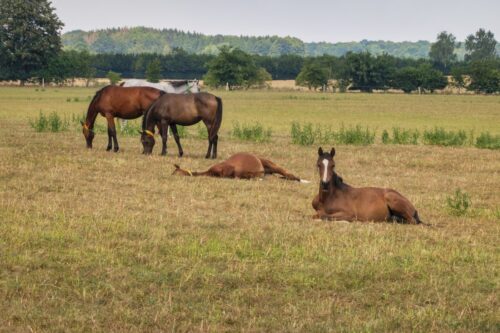
The Kabarda, or Kabardin, horse is a rare breed from the Caucasus mountains that run along the border of Europe and Asia.
These horses are known for their unique adaptability to mountainous landscapes. The hardiness and bravery that once allowed these horses to carry riders safely through the Caucasus now allow Kabarda horses to excel as versatile recreational mounts.
The Kabardin is one of the oldest breeds in Russia, but centuries of military conflict in the region almost drove them to extinction. Today, their future depends on careful conservation and management by Kabarda owners and breeders.
Keep reading to learn more about the history, breed characteristics, health problems, and nutritional needs of Kabarda horses.
Kabarda Horse History
The recorded history of the Kabarda horse dates back to the 16th century. However, some research suggests the breed has ancient roots that trace to the earliest horse breeds of the Asian steppe. [1]
Kabarda horses have been selectively bred for centuries to enhance their adaptability to mountainous terrain and their endurance in harsh climates.
Origin
Kabarda horses originate from Eastern Circassia, which is now part of the Kabardino-Balkaria region of modern Russia. This region is located in the mountainous northern Caucasus. [2]
Circassian mountain tribesmen selectively bred local horses to survive harsh conditions. Genetic studies revealed the Kabardin breed is the product of centuries of crossing steppe and eastern breeds, including the Karabakh, Turkoman, and Arabian. [3]
The Karabakh is a mountain-steppe racing and riding horse with similar ancestry to the small Caspian horses from present-day Iran. Modern Russian Dons descend directly from Karabakhs and share close genetic links with Kabarda horses today. [3]
Turkoman horses are a hot-blooded breed from the Central Asian steppe. This breed significantly influenced the modern Akhal-Teke and Thoroughbred, in addition to the Kabarda breed.
Breeders introduced more Arabian blood to the Kabarda horse in the early 20th century. Crossing Kabardin horses with Thoroughbreds created the Anglo-Kabarda breed in the 1960s, and by the late 1980s the population of purebred Kabarda breeding mares dropped below 450. [1]
Historic Use
Kabarda horses gained fame beyond their native Caucasus by the 16th century. Circassian tribesmen used their horses to traverse the challenging trails and travel long distances over the mountain ranges. [3]
These horses were essential to the region’s resistance against imperial Russia during the 18th and 19th centuries. Unlike the opposition’s horses, Kabardin horses could withstand bitter cold and navigate high mountain passes. [4]
When the Caucasus came under Russian control, the horses became popular cavalry mounts in the imperial army until the 1917 Russian Revolution. Turmoil in the Soviet Union further threatened the breed, and few Kabarda studs remained active after the fall of the USSR. [4]
Breed Registry
The Malokaracharvski and Malkinski studs in Russia are the main breeding centers for modern Kabarda horses. The All-Russian Research Institute of Horse Breeding maintains the international stud book for the Kabardian breed. [2]
Small numbers of the breed can be found as recreational horses throughout Europe, but there are no official registries for Kabarda horses in North America.
| Breed Summary | |
|---|---|
| Breed Name | Kabarda |
| Also Known As | Kabardin; Kabardian |
| Breed Type | Mountain horse |
| Origin | Kabardino-Balkaria, Russia (Caucasus) |
| Breed Registry | All-Russian Research Institute of Horse Breeding; Malokaracharvski and Malkinski studs |
| Population Status | Rare |
| Average Height | 14.1 – 15.1 hh |
| Average Weight | 900 – 1,000 lb (408 – 450 kg) |
| Common Coat Colors | Bay, black |
| Conformation | Well-muscled, deep chest, straight shoulder, bowed hind legs, Roman nose, strong hooves |
| Common Uses | Trail riding, endurance, pack work, recreational riding |
| Temperament | Brave, confident, careful, intelligent, independent |
| Best For | Experienced riders seeking a hardy mountain or endurance mount |
| Common Health Concerns | Oxidative stress, lameness, joint strain, obesity, metabolic dysfunction |
What's your top priority with your horse's health?

What's your top priority with your horse's health?
Kabarda Horse Characteristics
Kabarda horses have unique characteristics that allow them to thrive in their mountainous homeland. Some traits considered conformation faults in other breeds are desirable in Kabardas.
Conformation
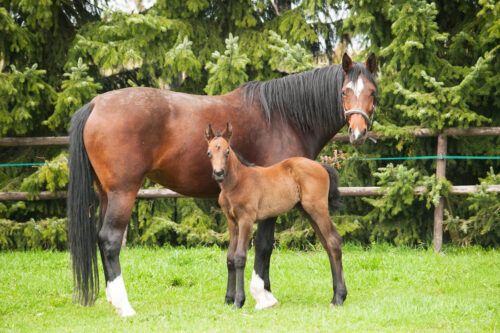
Most Kabarda horses stand 14.1 to 15.1 hands tall. These horses still resemble the primitive wild horses of Asia. They are well-muscled with a straight shoulder. Their hind legs are often bowed. While not ideal for speed, their conformation gives them the impulsion and high step necessary to traverse rocky terrain. [2]
Kabarda horses have solid builds with deep chests. Roman noses are common. They have been described as the best horses for mountainous riding. [2]
Research suggests these horses have a more advanced vestibular apparatus (the part of the inner ear responsible for balance) and stronger hoof horn than other breeds. Good balance and strong hooves are critical for safely covering long distances in the mountains. [3]
Colors & Temperament
Most Kabarda horses are bay or black. One study of 127 Kabarda horses found 96.9% of the horses had the dominant allele of the MC1R gene associated with darker coat color. [5]
Kabarda horses have a reputation for being unusually brave. They are confident, careful horses with good work ethic. While they bond well with their owners, they can also make independent decisions. [3]
These horses are suitable for owners who want a hardy, reliable mount. However, their intelligence and independence may make them more challenging for beginners.
Disciplines
Kabarda horses are the perfect pack horse or trail mount for riders who enjoy hacking and exploring the mountains. The breed is also well-suited for recreational riding at high altitudes and in cold conditions.
While their conformation isn’t ideal for sports that require speed, Kabarda horses have excellent stamina. They are great endurance mounts and often excel in long races over challenging terrain.
Health
Protecting the overall health of the Kabarda horse population is a top priority for preserving this rare breed. While Kabarda horses are typically healthy, they still need robust care and management.
Genetic Diseases
Low genetic diversity is a significant concern for many endangered breeds of horses. Small populations often struggle with inbreeding, which can increase the risk of genetic diseases.
Studies in Kabarda horses found high levels of genetic diversity in the breed’s population, which suggests these horses have a lower rate of inbreeding. [6] More research is needed to determine if Kabarda horses carry the alleles linked to genetic diseases commonly found in Arabians and other closely related breeds.
One study of Kabarda horses identified candidate genes associated with immune and stress responses after endurance races. These genes may contribute to the Kabardian breed’s ability to sustain and recover from endurance performance. [7]
Health Problems
All endurance horses are susceptible to overload and overtraining, regardless of genetics. Research shows prolonged endurance exercise increases oxidative stress in horses, which can lead to muscle damage, fatigue, and decreased physical performance. [8]
One study found endurance horses have higher oxidative stress at rest than other horses. High levels of oxidative stress can increase the risk of other health problems associated with tissue damage in Kabarda horses participating in endurance events. [8]

“Kabarda horses are typically easy keepers with efficient metabolisms. Owners should monitor their body condition closely to prevent obesity and associated metabolic dysfunction, particularly when feeding rich pasture or concentrates.”
— Dr. Fran Rowe DVM, PASMad Barn Veterinary Nutritionist
Some conformation traits that help Kabarda horses stay sound traveling at slow speeds over mountainous terrain are linked to an increased risk of lameness in modern performance horses.
For example, one study of racehorses found the odds of a carpal (knee) fracture increased as shoulder angle increased. [9] Kabarda horses have straight shoulders, which may predispose them to injury in intense training programs.
Care & Management
All Kabarda horses need quality basic care to stay healthy and sound. Work with your veterinarian, farrier, and other qualified equine professionals to create a preventive wellness plan designed specifically for your Kabarda horse.
Key practices to maintain your Kabarda horse’s health and soundness include:
- Veterinary Exams: Schedule annual veterinary check-ups to proactively monitor their overall health, condition, and detect potential issues early.
- Vaccinations: Follow a veterinarian-recommended vaccination schedule to protect your Kabarda horse against infectious diseases, especially important for horses traveling or participating in endurance or competitive riding events.
- Dental Care: Regular dental examinations and professional teeth floating ensure optimal chewing efficiency in your Kabarda horse.
- Parasite Management: Implement a targeted deworming program appropriate for Kabarda horses, particularly those in group housing or grazing conditions where parasite exposure can be higher.
- Hoof Care: Regular farrier visits are essential to maintain proper hoof balance and structure in Kabarda horses, promoting soundness and preventing injuries during long-distance riding or challenging terrain.
While most Kabarda horses have naturally strong hoof walls, they still need regular trimming. Most Kabardas can stay barefoot, but horses with heavier workloads may benefit from shoes.
Regular lameness exams can help identify early signs of injury in your Kabarda horse. Ask your veterinarian if your horse needs extra joint support to stay comfortable in his job and work with your trainer to create an appropriate exercise program.
This breed thrives by living outside. They are hardy, social animals and do well in group turnout. While these horses are well-adapted to cold conditions and may not need blankets in winter, ensure your horse always has access to shelter from inclement weather.
Kabarda Horse Nutrition
The best feeding program for Kabarda horses depends on their lifestyle and individual health needs. While the Kabarda breed is known for its hardiness, these horses need a balanced diet to support their overall health and maintain a healthy weight.
Weight Maintenance
Kabarda horses are typically easy keepers, naturally maintaining their body condition even through harsh winter conditions. However, in domestic settings, these horses can quickly become overweight if fed energy-dense feeds or grains. Carefully managing diet and providing primarily forage-based nutrition helps prevent excessive weight gain and associated health issues.
Maintaining an ideal weight is critical for keeping horses healthy. Obesity is associated with equine metabolic syndrome in some breeds. Excess weight also increases strain on your horse’s joints and musculoskeletal system. [10]
Monitor your horse’s weight using body condition scoring to determine if you need to change your Kabarda horse’s diet. A score of 5 on the 9-point Henneke Body Condition Scale (BCS) is considered ideal.

Sample Diet
The following sample diet is based on a 1,000 lb (450 kg) mature Kabarda Horse at maintenance (not exercising).
| Feed | Amount per day |
|---|---|
| Mid-Quality Hay (8% crude protein) | Free-choice |
| Salt | 15 g (1 tbsp) |
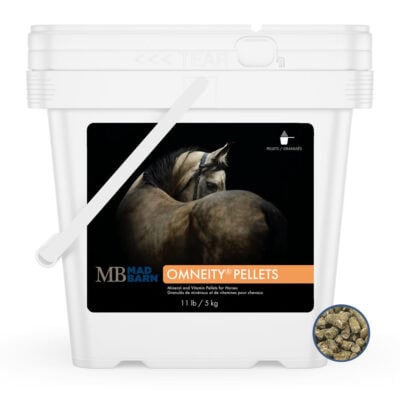
| Omneity® Pellets | 200 g (2 scoops) |
| Diet Analysis | |
| Digestible Energy (% of Req) | 118% |
| Protein (% of Req) | 126% |
| HC (ESC + starch; % Diet) | 8.9% |
A forage-only diet should meet the calorie and protein requirements of most mature Kabarda horses at maintenance with a normal body condition. However, forage-only diets are universally deficient in several essential nutrients.
Fortifying the diet with a vitamin and mineral supplement can fill the gaps, helping ensure your Kabarda horse gets complete, balanced nutrition. Mad Barn’s Omneity® is an all-in-one supplement that provides minerals, vitamins, essential amino acids, and more to support the overall health of Kabarda horses.
All horses need free access to fresh, clean water and salt. Equine nutritionists recommend feeding plain loose salt to your Kabarda horse to meet their sodium requirements and encourage hydration. [11]
Forage
A forage-based diet supports your Kabarda horse’s overall health by promoting natural digestive function and grazing behaviors. The amount of forage Kabarda horses need depends on their body weight.
A 900 lb (408 kg) Kabarda horse should eat approximately 20 lb (8 kg) of average-quality, low-starch grass hay daily. Some Kabarda horses with heavy workloads such as endurance careers may need higher quality forage to meet their energy and protein needs. [11]
Free-choice forage is ideal for digestive health in horses. However, some Kabarda horses may consume too much forage when given unrestricted access. A slow feeder hay net can help to regulate hay intake for easy keeper breeds.
A forage analysis can help you determine whether your hay is suitable for your Kabarda horse and guide you in formulating a balanced diet to meet their nutritional requirements.
Feeding Recommendations
Most Kabarda horses do not require commercial grain-based feeds. These energy-dense, high-starch feeds can quickly lead to unwanted weight gain and related health concerns.
Instead of grains or ration balancers, choose a concentrated vitamin and mineral supplement without extra calories. To deliver supplements, consider using high-fiber feeds such as soaked beet pulp or hay pellets. [12]
If your Kabarda horse needs additional calories, consider adding fat sources rich in omega-3 fatty acids. These fats can safely increase energy intake while also supporting joint and muscle health. [13]
Kabarda horses engaged in endurance or demanding work may benefit from additional antioxidant support to manage oxidative stress. Research demonstrates that supplementing with higher levels of natural vitamin E can enhance antioxidant capacity and overall performance in exercising horses. [14]
Nutritional Supplements
Your primary objective when feeding your Kabarda horse should be to create a balanced diet that fully meets their nutritional needs. Once the diet is balanced, targeted supplements can be added to address specific health or performance requirements.
Depending on your horse’s lifestyle and health status, some supplements to consider include:
- W-3 Oil is an omega-3 fatty acid supplement that contains DHA, which can help support joint and immune health in Kabarda horses.
- Natural Vitamin E can help support muscle health, immune function and antioxidant defenses in Kabarda horses. Vitamin E protects cells from oxidative damage and is particularly important for exercising horses.
- MSM is a popular joint supplement that provides a natural source of sulfur, and supports healthy responses to joint inflammation. Supplementing MSM can help promote joint and cartilage health in Kabarda horses.
Submit your Kabarda horse’s diet online for a free evaluation from our qualified equine nutritionists to get help formulating a balanced diet.
Frequently Asked Questions
Here are some frequently asked questions about the Kabarda Horse:
Kabarda horses are a rare mountain horse breed from the Caucasus, developed for endurance, hardiness, and sure-footed travel in harsh terrain. Sometimes called Kabardin or Kabardian horses, Kabarda horses are one of Russia’s oldest breeds. They are valued for their bravery, stamina, and ability to navigate steep, rocky landscapes. Kabarda horses today are best known as hardy recreational and endurance mounts.
Kabarda horses come from the northern Caucasus, specifically Eastern Circassia in what is now Kabardino-Balkaria, Russia. The breed developed in a mountainous region with harsh weather and difficult trails. Centuries of selective breeding helped Kabarda horses become strong, balanced, and well adapted to mountain travel. Their origin is a major reason for the breed’s endurance and adaptability.
Kabarda horses are used for trail riding, mountain riding, pack work, recreational riding, and endurance. Their stamina, balance, and confidence make them especially well suited for long rides over rough or high-altitude terrain. Kabarda horses are not built for maximum speed, but they excel in practical work that demands toughness and sure footing. They are particularly appealing to riders who want a dependable horse for outdoor adventure.
Kabarda horses typically have a well-muscled, sturdy body built for balance, stamina, and secure movement over difficult terrain. They often have a deep chest, which gives them a strong, substantial appearance, along with a straight shoulder and powerful hindquarters. Roman noses are common and add to the breed’s distinctive profile, while strong hooves reinforce their tough, durable overall look. Some conformational traits, such as slightly bowed hind legs, may be considered faults in other breeds, but in Kabarda horses they help improve stability and sure-footedness on uneven ground. Overall, the breed has a rugged, workmanlike appearance that reflects its hardiness and mountain athleticism.
The most common coat colors in Kabarda horses are bay and black. Dark colors are especially typical in the breed, and lighter colors are much less common. This gives many Kabarda horses a uniform, traditional mountain-horse appearance. In most cases, a Kabarda horse will be seen in one of these darker shades.
Kabarda horses are known for being brave, careful, intelligent, and independent. These traits helped the breed travel safely through narrow mountain trails and difficult conditions. Kabarda horses are typically reliable and confident under saddle, but they also tend to think for themselves. Their temperament makes them appealing to experienced riders who appreciate a hardy, sensible horse.
Most Kabarda horses stand between 14.1 and 15.1 hands high. That puts them in the medium-sized range compared to many modern riding breeds. Even though they are not especially tall, Kabarda horses are solidly built and strong for their size. Their height and build suit the breed’s traditional role as a durable mountain horse.
Kabarda horses are generally better suited to experienced riders than complete beginners. They are hardy and reliable, but their intelligence and independence can make them more challenging for inexperienced handlers. Riders who want a calm but self-reliant horse may appreciate the breed, especially for trail and mountain riding. With knowledgeable handling, Kabarda horses can be dependable and rewarding partners.
Kabarda horses are generally healthy, but their mountain-bred toughness does not eliminate the need for careful management. Demanding endurance work can result in oxidative stress and fatigue, the risk of lameness or injury increases in horses in intense training, and obesity or metabolic problems may become an issue if the horse is overfed. Kabarda horses in work benefit from balanced nutrition, conditioning, and soundness monitoring. Horses kept in easier domestic settings also need body condition management to avoid excessive weight gain.
Summary
The Kabarda, or Kabardin, is a rare mountain horse from the northern Caucasus, selectively bred for endurance, sure-footedness, and hardiness in harsh terrain and cold climates.
- The breed developed in Eastern Circassia through centuries of crossing local mountain horses with steppe and eastern bloodlines, including Karabakh, Turkoman, and Arabian influences, with later Anglo-Kabarda crosses reducing the purebred population.
- Most Kabarda horses stand 14.1 to 15.1 hands and have a solid, muscular build with traits adapted for rocky ground, including straight shoulders, strong hooves, and a high-stepping gait that supports balance and traction.
- Kabardas are typically bay or black and are known for their brave, confident, and independent temperaments, making them reliable partners for experienced riders and challenging conditions.
- Conservation and responsible breeding remain priorities, with ongoing attention to genetic diversity and the demands of endurance work, including risks related to oxidative stress, overtraining, and performance-associated digestive issues.
- These easy keepers do best on a forage-first diet balanced with vitamins and minerals, with careful control of calorie-dense feeds to prevent obesity and metabolic dysfunction, plus salt and hydration support for horses in work.
References
- Khaudov, A. et al., Genetic analysis of maternal and paternal lineages in Kabardian horses by uniparental molecular markers. Open Vet J. 2018. View Summary
- Dmitriez, N. G. and Ernst, L. K., Animal Genetic Resources of the USSR. Animal Production and Health. Food and Agriculture Organization of the United Nations. 1989.
- Atroshchenko, M. et al., The Genetic Diversity of Horse Native Breeds in Russia. Genes. 2023. View Summary
- Salem, P., Breed Profile: The Kabardin Horses. FEI. 2021.
- Khaudov, A. et al., Analysis of ASIP and MC1R Gene Polymorphisms in Kabardin Horses. Zootechny Vet. 2024.
- Khaudov, A. et al., Genetic Characteristics of the Kabardian Horse Breed Subpopulations. Curr Trends Ag Ind Glob Econ. 2021.
- Reissmann, M. et al., Identification of Differentially Expressed Genes after Endurance Runs in Karbadian Horses to Determine Candidates for Stress Indicators and Performance Capability. Genes. 2023. View Summary
- Kinnunen, S. et al., Effects of Prolonged Exercise on Oxidative Stress and Antioxidant Defense in Endurance Horse. J Sports Sci Med. 2005. View Summary
- McIlwraith, W. et al., Conformation and musculoskeletal problems in the racehorse. Clinical Techniq Equine Pract. 2003.
- Rendle, D. et al., Equine obesity: current perspectives. UK-Vet Equine. 2018.
- National Research Council, Nutrient Requirements of Horses. National Academies. 2007.
- Colombino, E. et al., Gut health of horses: effects of high fibre vs high starch diet on histological and morphometrical parameters. BMC Vet Res. 2022.
- Manhart, D. et al., Markers of Inflammation in Arthritic Horses Fed Omega-3 Fatty Acids. Prof Anim Sci. 2009.
- Fagan, M. et al., Form of Vitamin E Supplementation Affects Oxidative and Inflammatory Response in Exercising Horses. J Equine Vet Sci. 2020. View Summary